
Roof Systems
Compare commercial roofing systems in Salinas, CA. We inspect the assembly, drainage, insulation and operating needs before recommending repair or renewal.
All Roof Systems
Roof Systems in Salinas
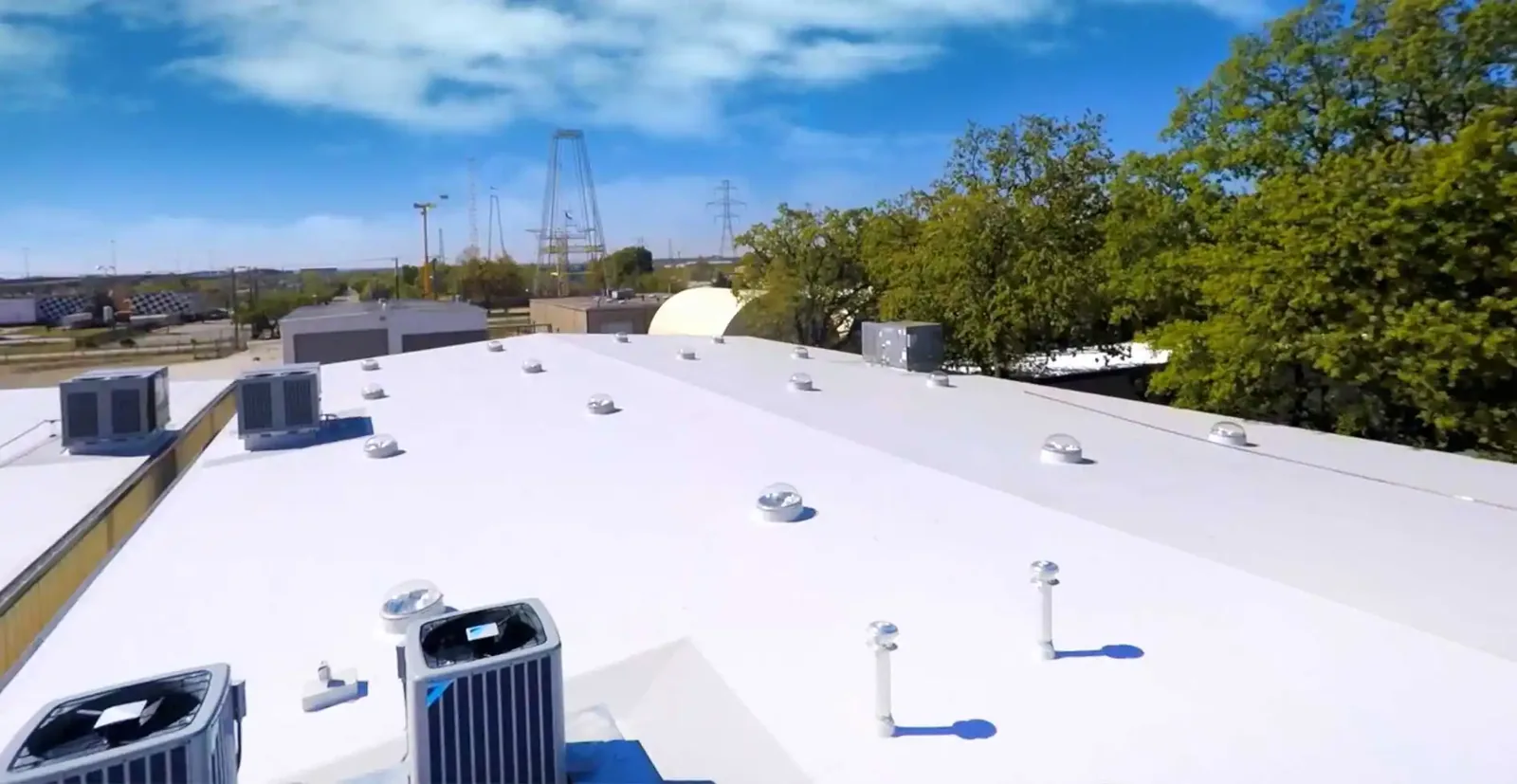
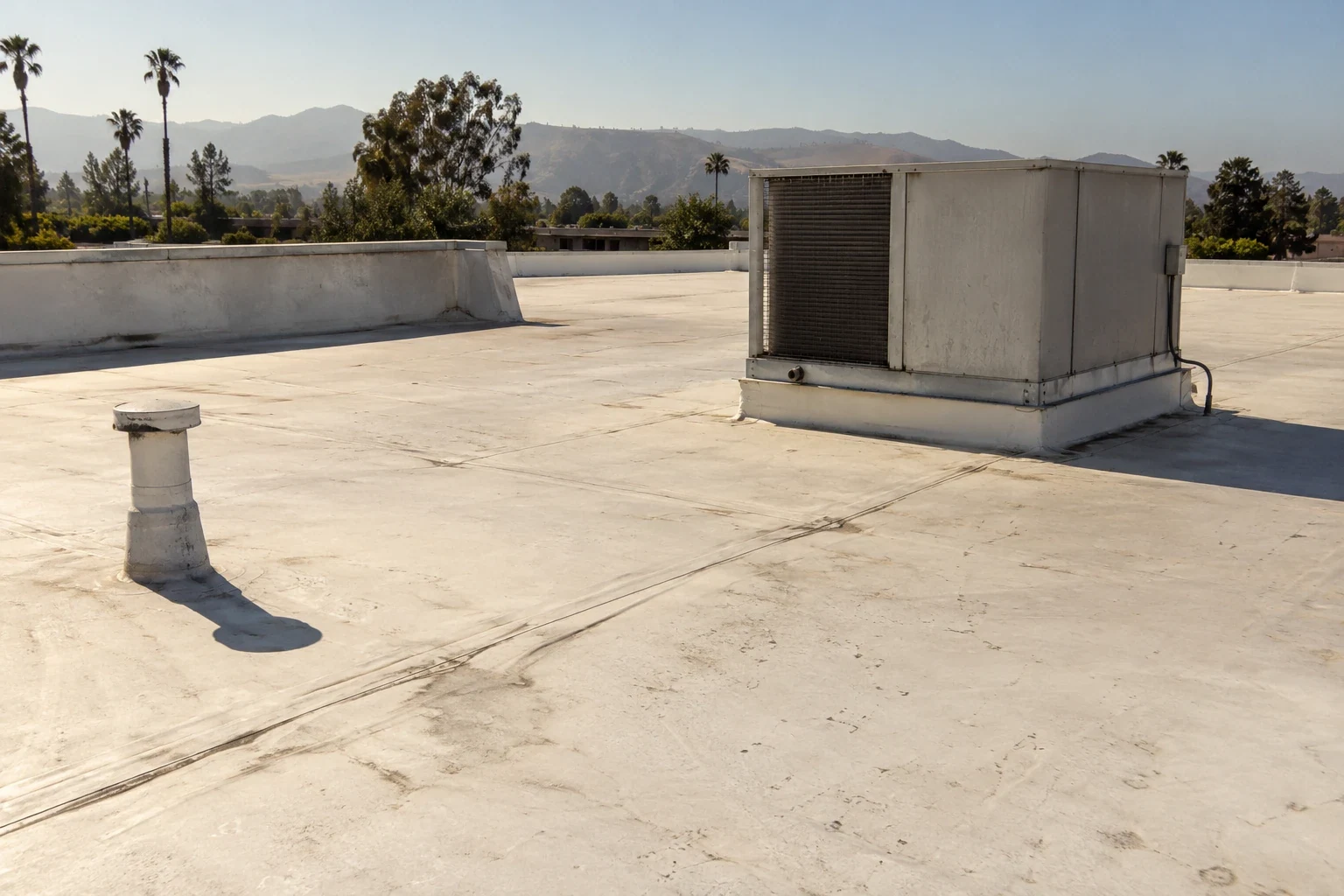
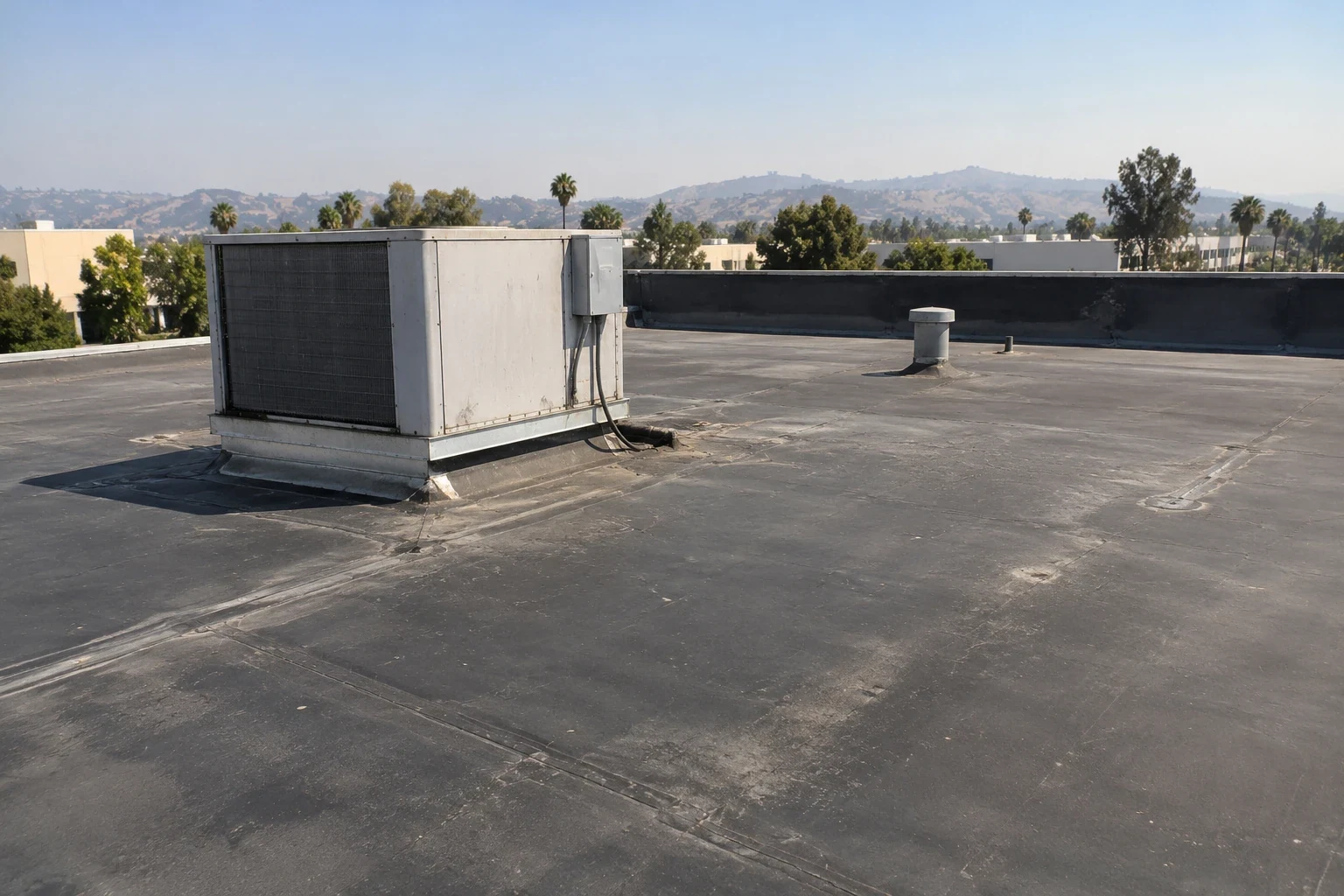
A Salinas roof system has to fit the building underneath it. We inspect low-slope membranes and commercial metal, identify the layers and transitions we can see, and compare that condition with leaks, maintenance history and operating needs. Cool, fog-prone mornings and winter-season rain shape the questions we ask about moisture and drainage, but the roof assembly determines the work. A warehouse near Airport Industrial Park may have different equipment and access demands from an office on North Main Street.
Which assemblies can be evaluated?
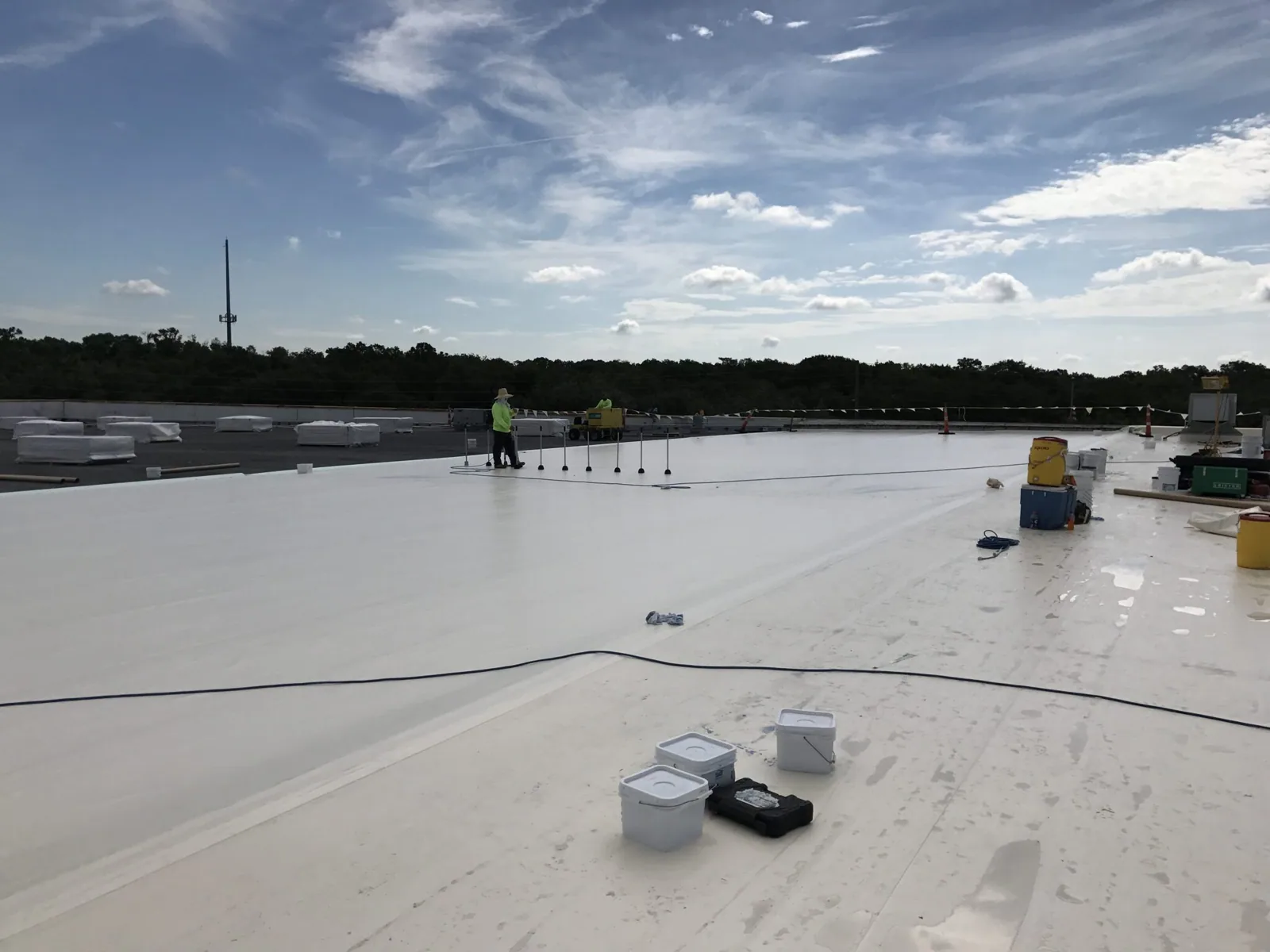
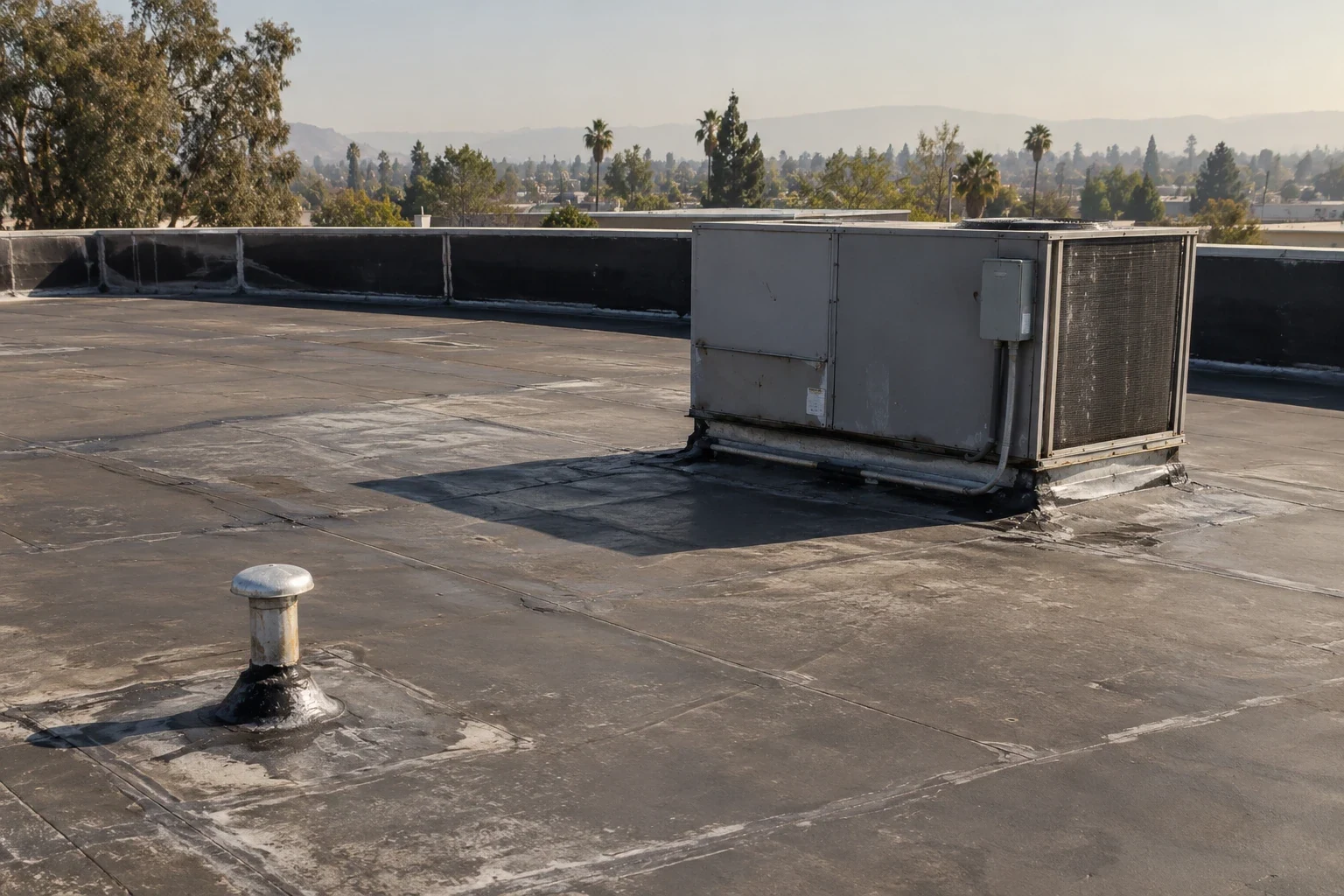
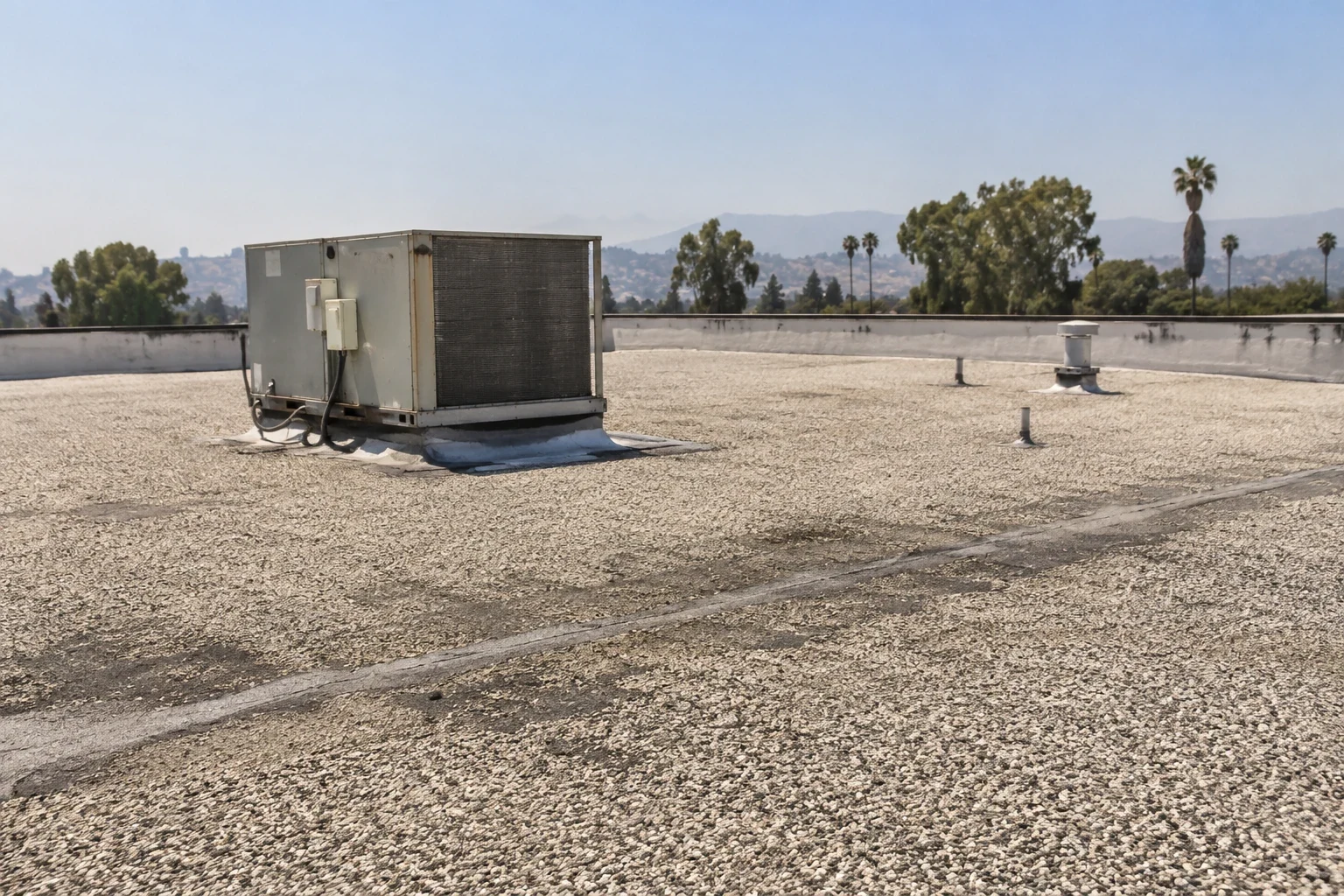
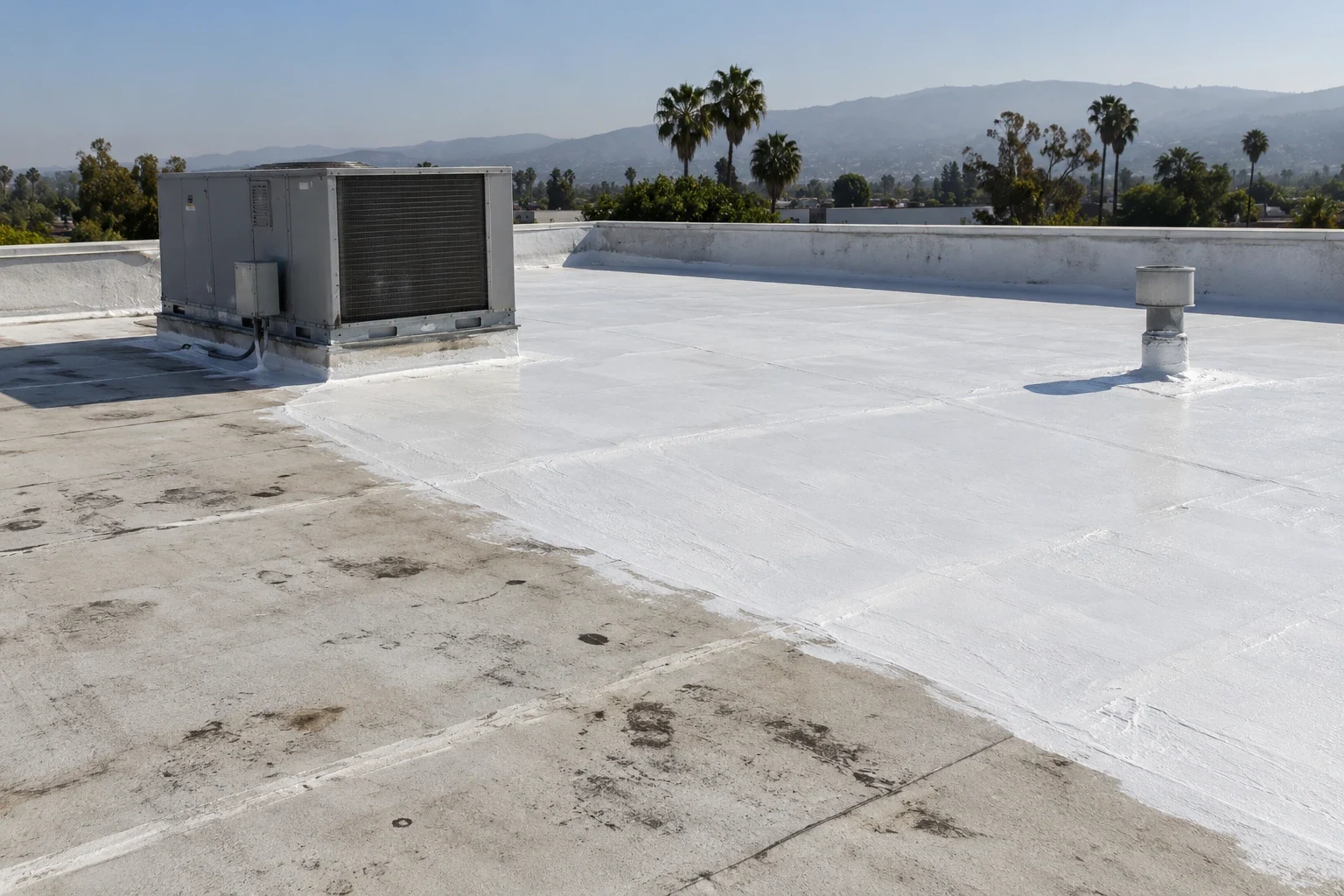
Single-ply roofs such as TPO, PVC and EPDM rely on seams, flashing and secure attachment. We check how the membrane meets curbs, walls and drains, then assess whether the material around a failure can support a compatible repair. Built-up and modified bitumen roofs call for attention to surfacing, laps and transitions. The system name is only a starting point; repair history and the condition below the surface can change the recommendation.
What does the first inspection establish?
We map roof zones, check seams and edges, inspect drains and scuppers, and record equipment curbs, skylights and penetrations. If water is reported inside, we compare its location and timing with the roof layout instead of treating the ceiling mark as the entry point. Most precipitation in Salinas falls in the cool season, making outlet and flashing checks useful before sustained rain. A visit to the Salinas Ag-Industrial Center still follows the individual roof, its access window and the operations below.
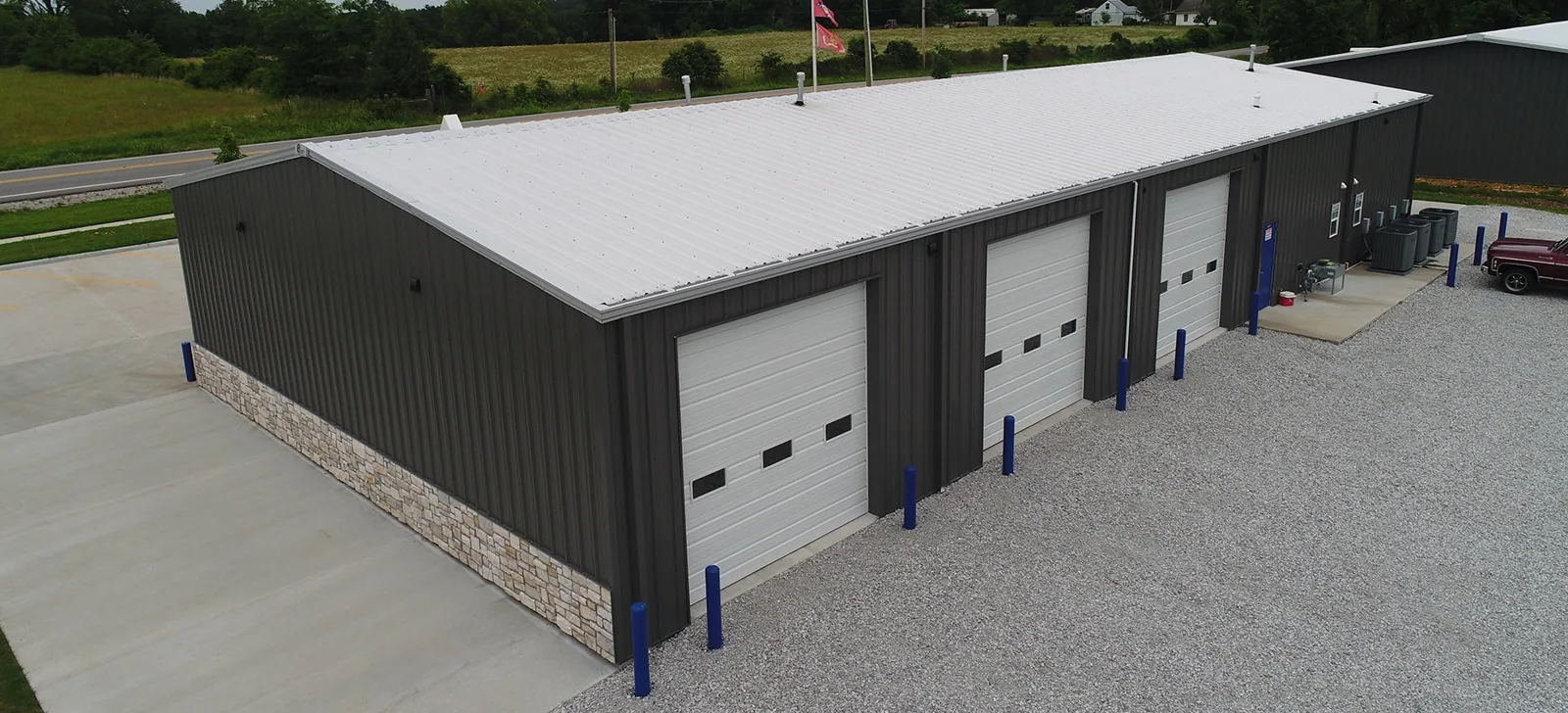
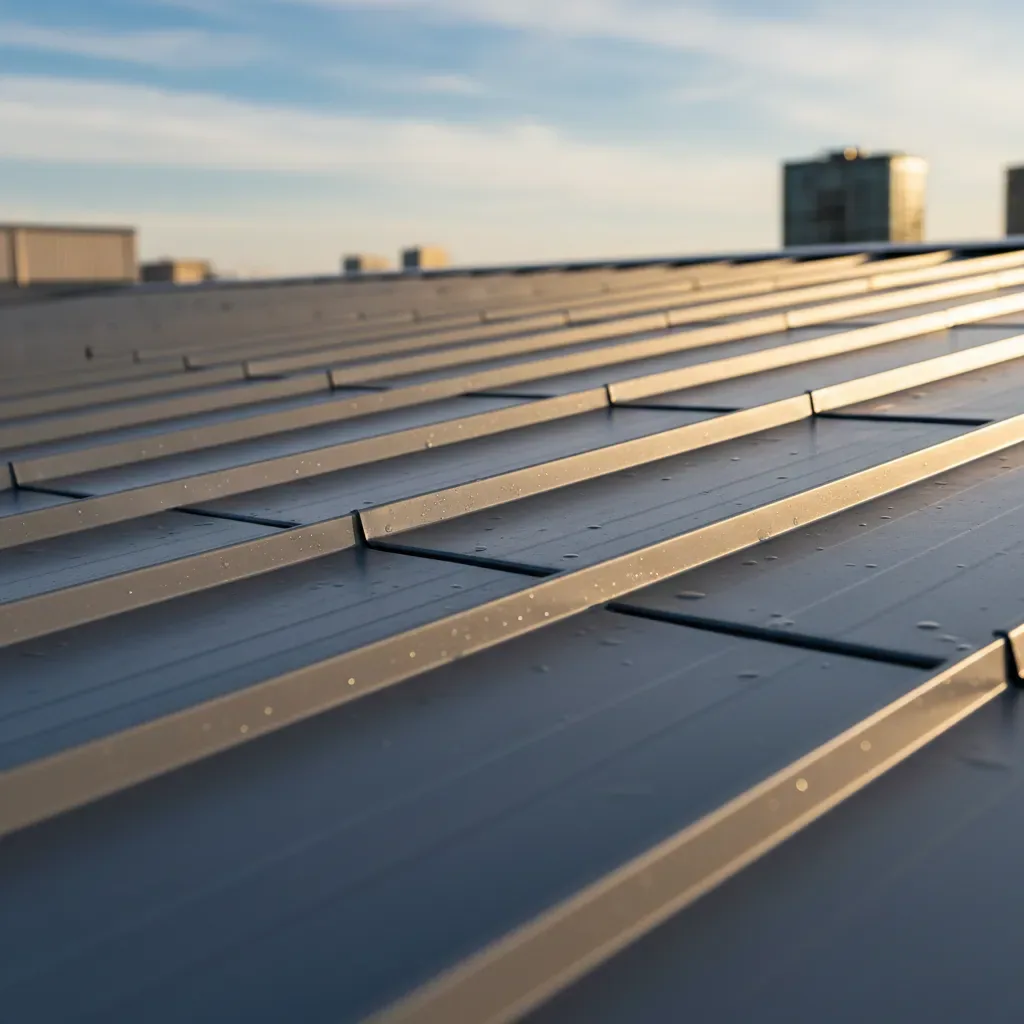
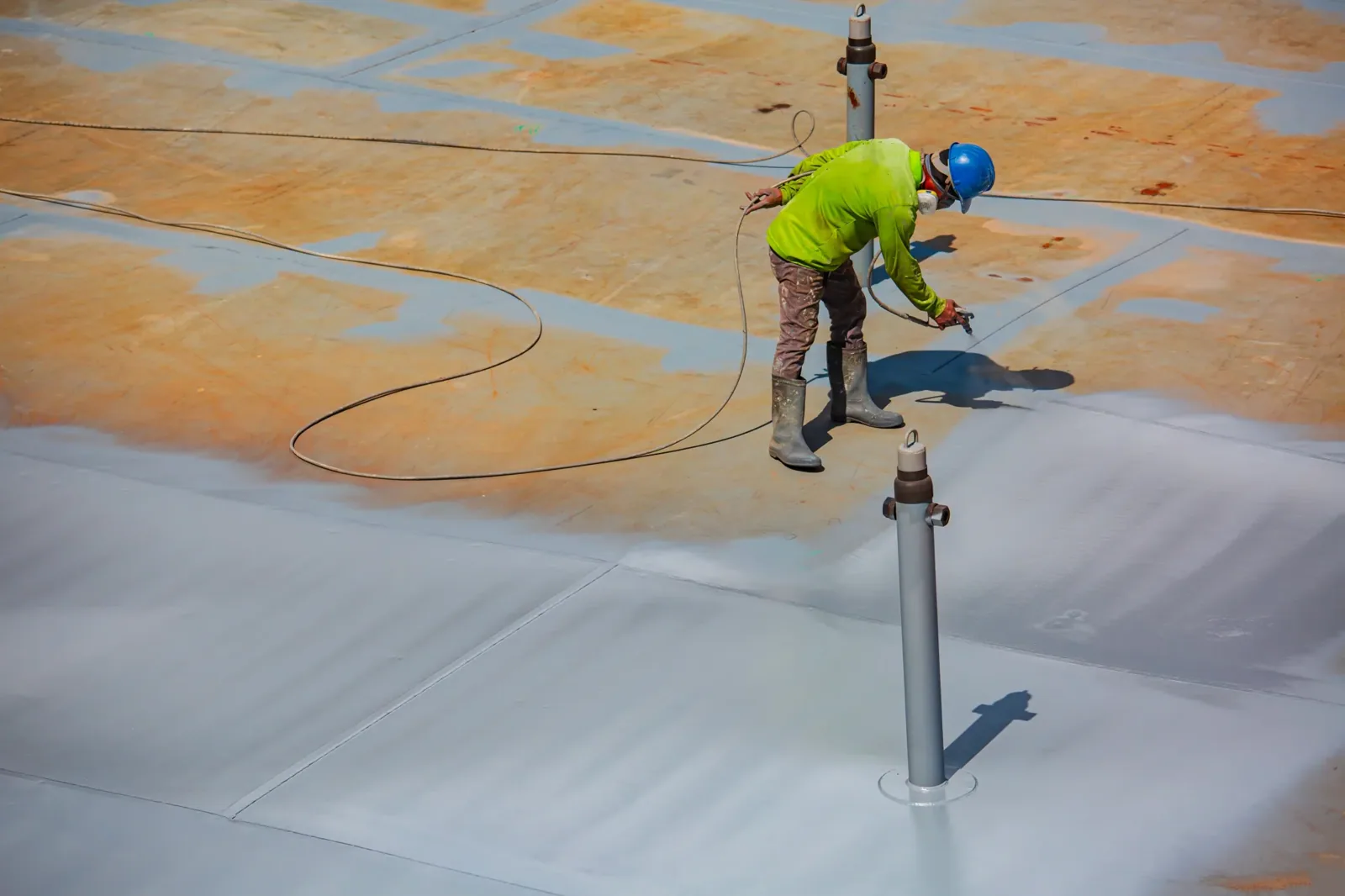
For a standing-seam metal roof, panel movement, clips and transitions matter. A metal retrofit may be considered when the existing assembly and structure support it. Coating systems require clean, compatible surfaces and sound attachment; they cannot correct concealed wet insulation or failed drainage by themselves. We document what is visible and where added testing could change the scope.
How are repair and renewal compared?
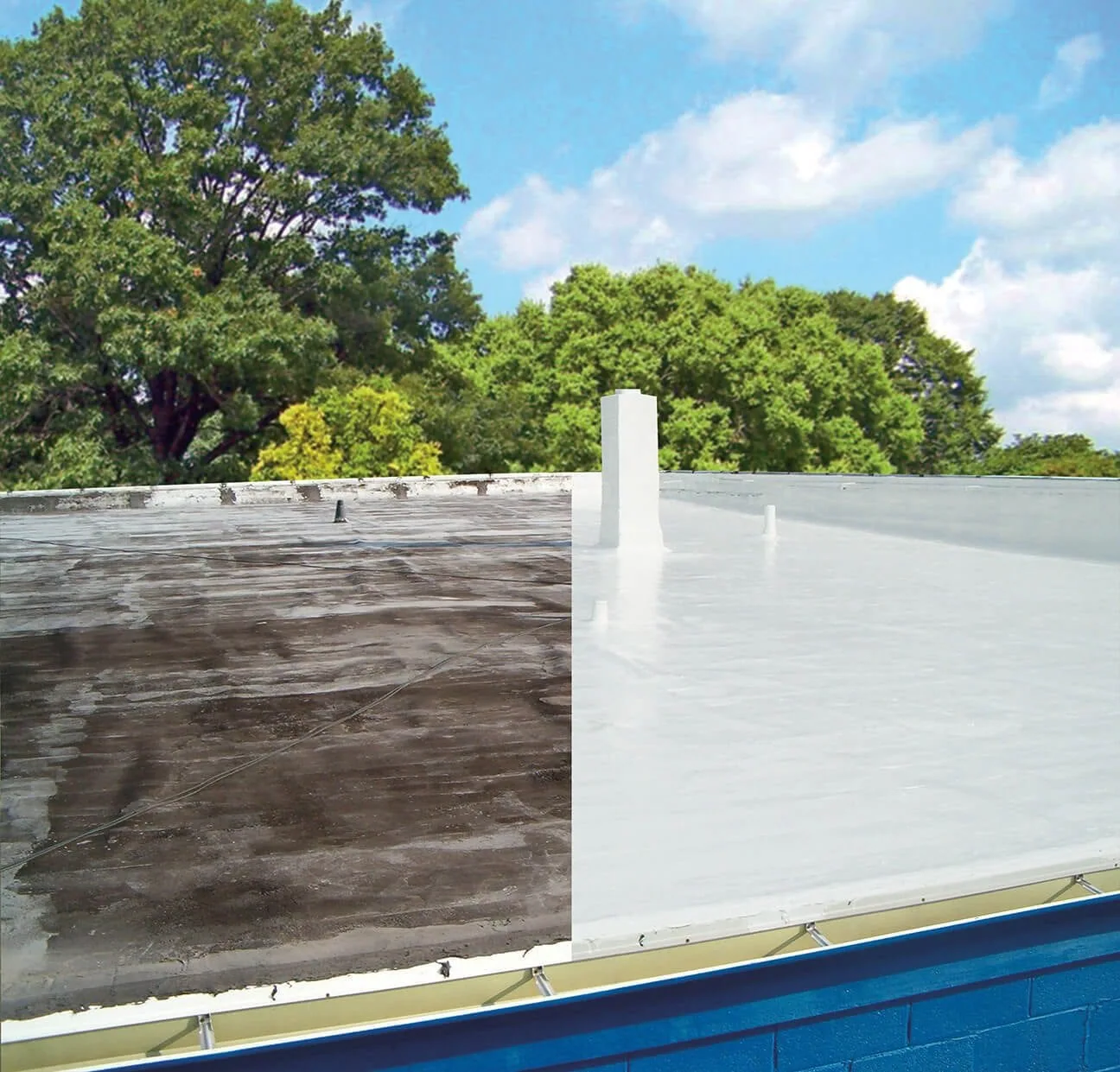
A defined seam or flashing failure may support a local repair when surrounding materials are sound. Repeated leaks, widespread deterioration, wet insulation or poor attachment can call for more investigation and a broader comparison. We explain the evidence for each path and identify concealed conditions that could affect cost or duration. Owners can review silicone coating systems alongside repair or replacement only after surface, drainage and moisture checks show that a restoration approach fits.
The scope also needs to account for insulation, edge metal, equipment transitions, access, tear-off and interior protection. Work can be phased around tenants or production when the assembly allows a secure close between visits. We provide emergency response at any hour, every day, holidays included, when water is actively entering. A written condition record then separates completed work from items that still need an owner decision.
What should the owner compare?
Keep the roof plan, prior reports, repair invoices and leak dates together. For each proposal, compare the same roof zones, materials, flashing, drainage, access plan and assumptions about concealed layers. A repair recommendation should name the failed detail; a renewal option should show what happens to insulation, edges and rooftop penetrations. We arrange an inspection around building access and operating hours, then organize findings by priority so ownership can choose the next step with the roof condition in view.
For a property in Salinas Ag-Industrial Center, we consider the building's own assembly and schedule rather than assume a system from the district name. Call with the roof plan and any active leak history to arrange a review.
Commercial Roofing Questions
How do we identify the system already on the building?
We inspect the membrane or metal surface, seams, edges and transitions, then compare visible materials with roof records. Where the assembly remains uncertain, we identify what access or testing could confirm it.
Can a coating fix a recurring roof leak?
A coating may suit a compatible, well-prepared surface, but it does not resolve concealed moisture, poor attachment or drainage by itself. We check those conditions before considering restoration.
What should I include when comparing roof proposals?
Compare roof areas, tear-off, insulation, flashing, drainage, access and assumptions about concealed layers. We organize the scope so the owner can see which work is included.
Can one inspection cover several roof zones?
Yes. We map each area reached and record changes in assembly, drainage or access so recommendations remain tied to the right section of the building.
See More
Explore more of our commercial roofing work by selecting a category below.