
Warehouse Roofing in Salinas, CA
Inspect and plan warehouse roofing in Salinas around loading operations, long roof runs, drainage, equipment, and leak history for every building.
Overview
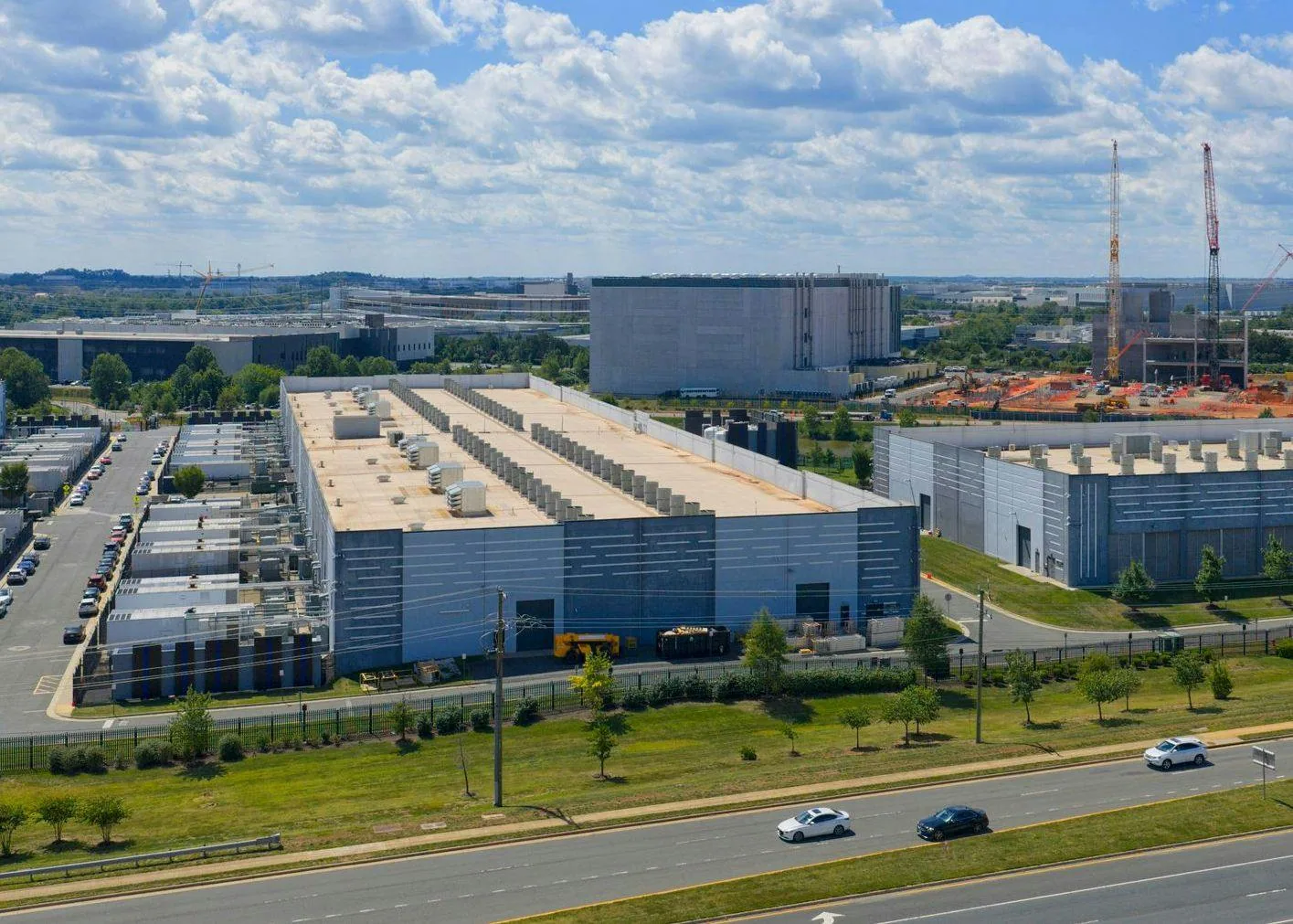
A warehouse roof has to protect stored goods while leaving room for loading, equipment service, and the daily movement of people and vehicles. In Salinas, a warehouse may sit near agricultural processing, distribution, or commercial districts, but its roof assembly and work schedule are specific to the property. We inspect the membrane or panels, drainage, penetrations, edges, and interior leak evidence before recommending repair, maintenance, or replacement.
Salinas receives most normal rainfall during the cooler season, with a long dry period through much of summer. That makes outlet condition and pre-rain maintenance useful planning concerns, but it does not tell us what a particular warehouse roof needs. The building’s leak history, deck, roof layers, and operations provide the basis for a scope.
What does a warehouse roof need to handle?
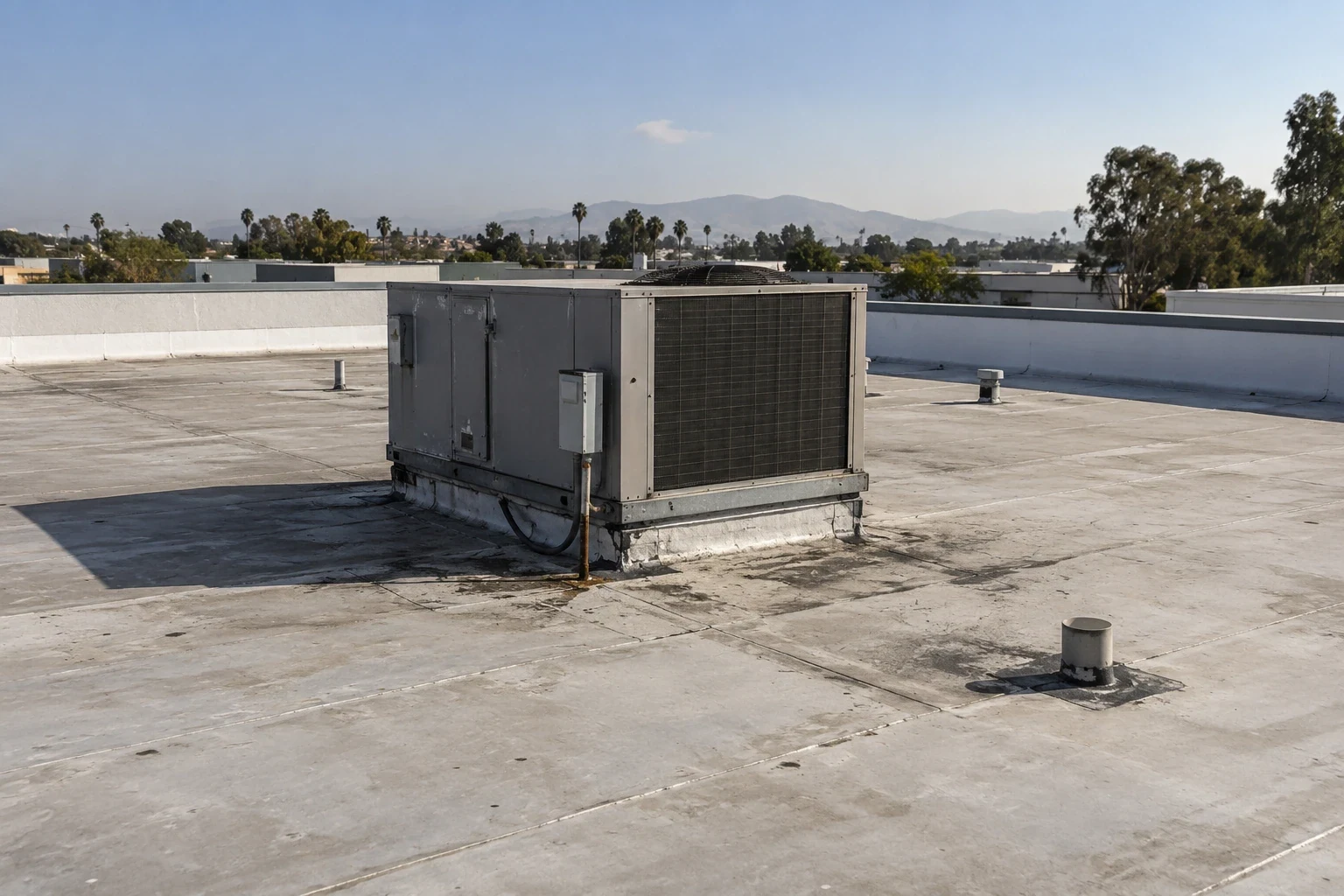
Large roof areas often include different zones: open storage, loading bays, office buildouts, equipment clusters, and areas where outside trades regularly travel. Each zone can have a distinct exposure to foot traffic, penetrations, and interior sensitivity. We map the roof by area and identify which defects could affect inventory, electrical equipment, racking, or loading operations. A single leak report near a dock may require a review of the roof above and the drainage path that feeds it.
Warehouses may use TPO, PVC, EPDM, modified bitumen, built-up roofing, metal, or another assembly. We identify the existing system before selecting repair materials or proposing a recover. A condition inspection records visible seams, flashings, drains, and prior patches. If the owner is comparing possible new assemblies, distribution center roofs and manufacturing buildings each need to be evaluated against the roof design and use.
How should warehouse leaks be traced?
A water mark below the roof does not identify the precise opening. The leak path can follow a seam, deck joint, or insulation layer before reaching the warehouse floor. We compare interior reports with drains, seams, curbs, roof edges, and the slope of the affected area. The investigation should distinguish an active roof opening from condensation, plumbing, or a leak that began at a different level. We document the likely entry detail and identify any adjacent materials that need repair or testing. When stock is sensitive to moisture, the owner can use that record to protect the right aisle or rack while the roof repair is scheduled. We can mark the affected roof zone on the same report.
Where a leak threatens inventory, the immediate step may be a safe temporary control while the roof surface is wet or access is restricted. The permanent scope should then rebuild the failed detail with material compatible with the assembly. Commercial leak repair can address a localized opening; recurring wet areas across separate bays may require moisture investigation or a broader roof assessment before patching continues.
How does loading affect roof work?
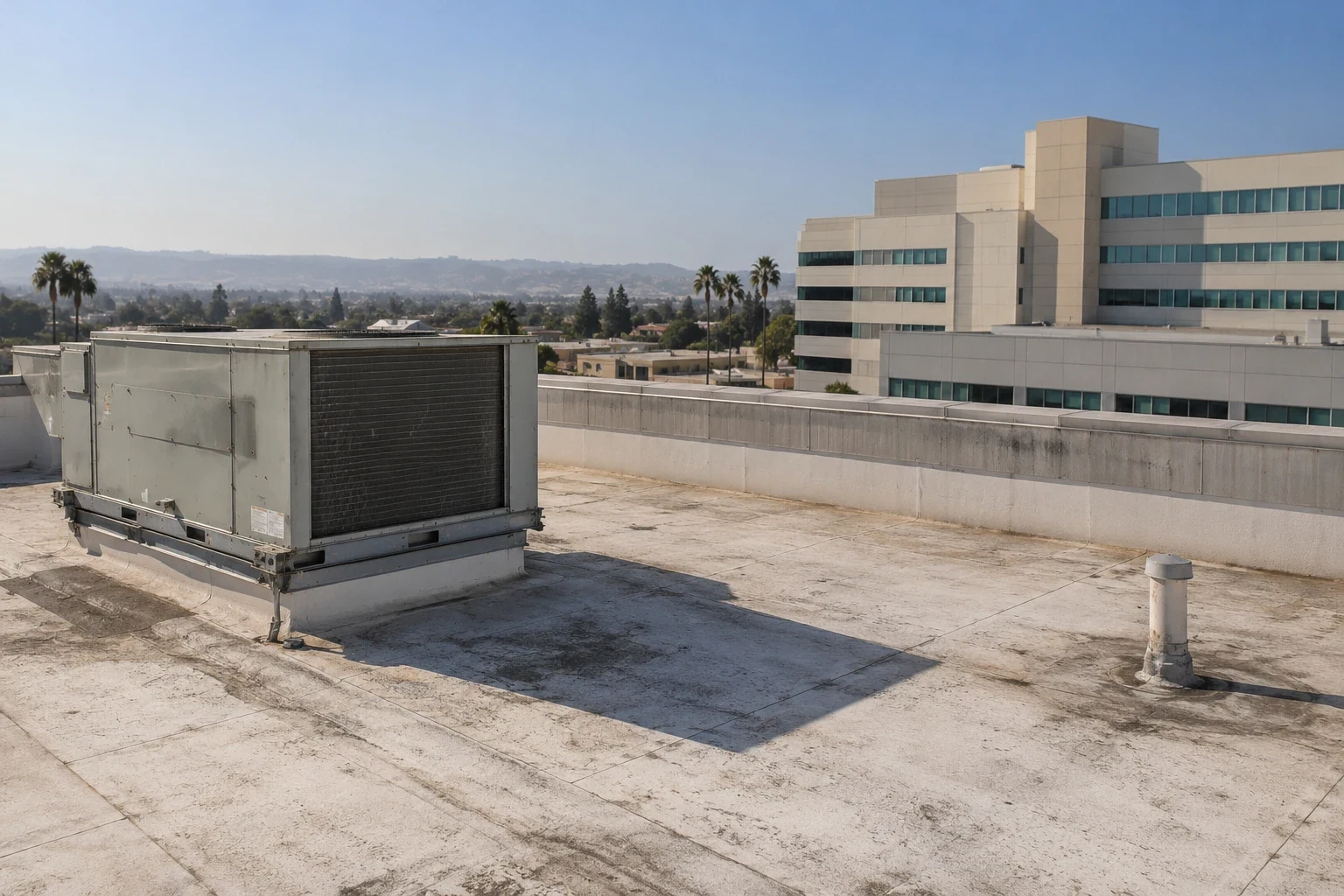
Roof access often shares space with trucks, forklifts, employees, and deliveries. We confirm where ladders, lifts, cranes, and material staging can operate without blocking a dock or emergency route. If work occurs above a receiving area, the site plan should define a protected zone below and identify when the area can return to service. The facility contact should also know which doors or lanes may be affected and how long any restriction will last.
Warehouse operations can run through multiple shifts, so roof work may need to avoid selected delivery or changeover windows. We identify the roof zones for each phase, the weather protection at the end of a shift, and the process for authorizing a change if removal exposes wet insulation or deck deterioration. We also set a contact for changes that affect aisle access, inventory protection, or the next day’s delivery plan. That lets the owner resolve field discoveries without leaving crews to guess at operating limits. Occupied-building reroof sequencing can fit those controls around the facility’s actual schedule rather than a generic workday.
What should be checked before the wet season?
Large roofs can collect leaves, packaging, grit, and material debris around drains and scuppers. We check that strainers are clear, the membrane connection is intact, and overflow paths can function. If ponding repeats, we inspect roof slope and any signs of deck movement or insulation changes. Cleaning an outlet may restore flow, but it will not correct a low area that directs water away from the drain. The owner should know whether a proposed repair changes the geometry or maintains it.
For warehouse roof zones in Salinas Business Park or the Salinas Ag-Industrial Center, the actual roof layout determines how water moves around equipment and rooftop additions. We inspect each outlet and trace its contributing area. Drain and scupper repairs should tie into the membrane without a ledge or loose flashing. A pre-rain condition record helps the property team prioritize corrections before a leak reaches stored goods.
How should equipment service protect the roof?
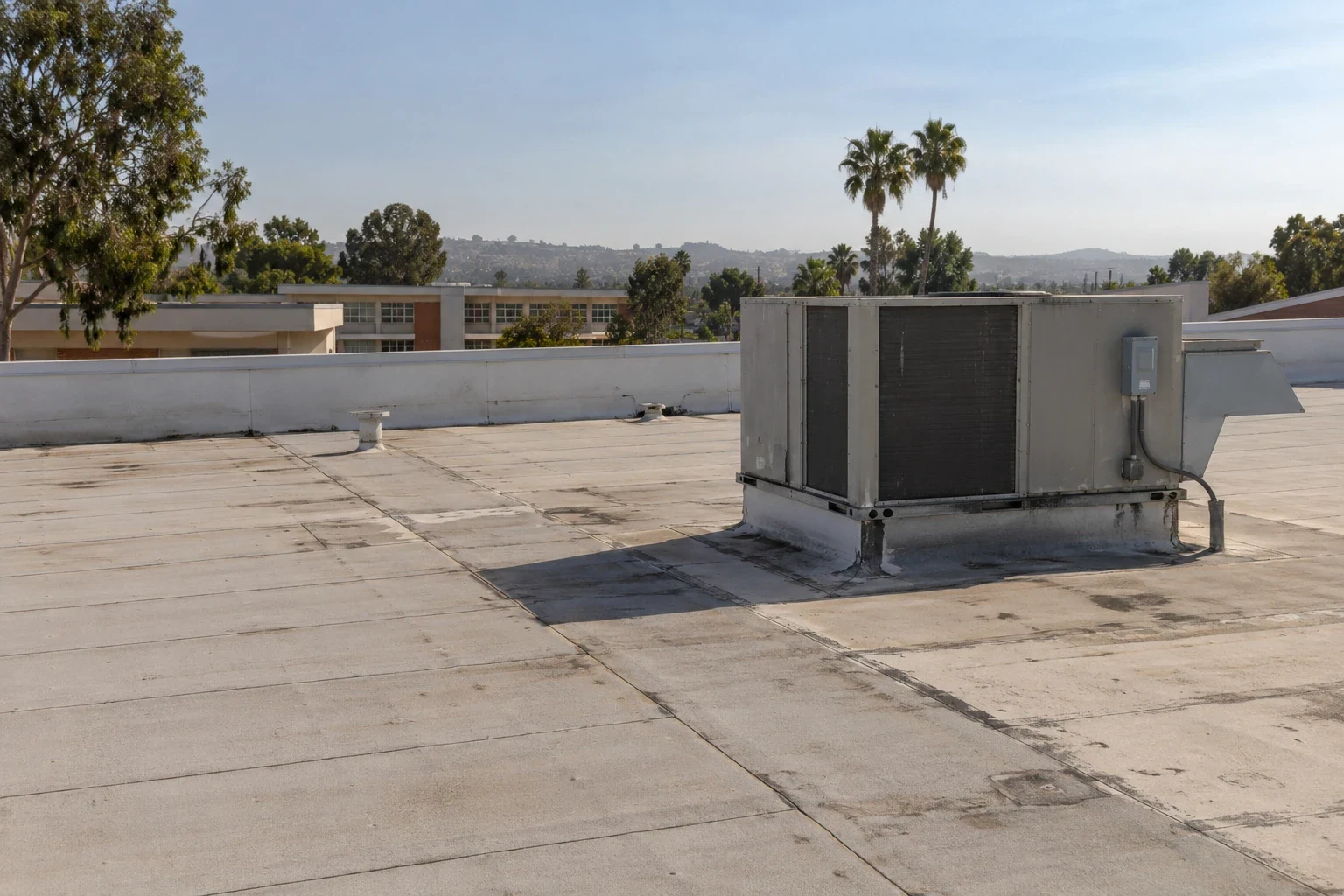
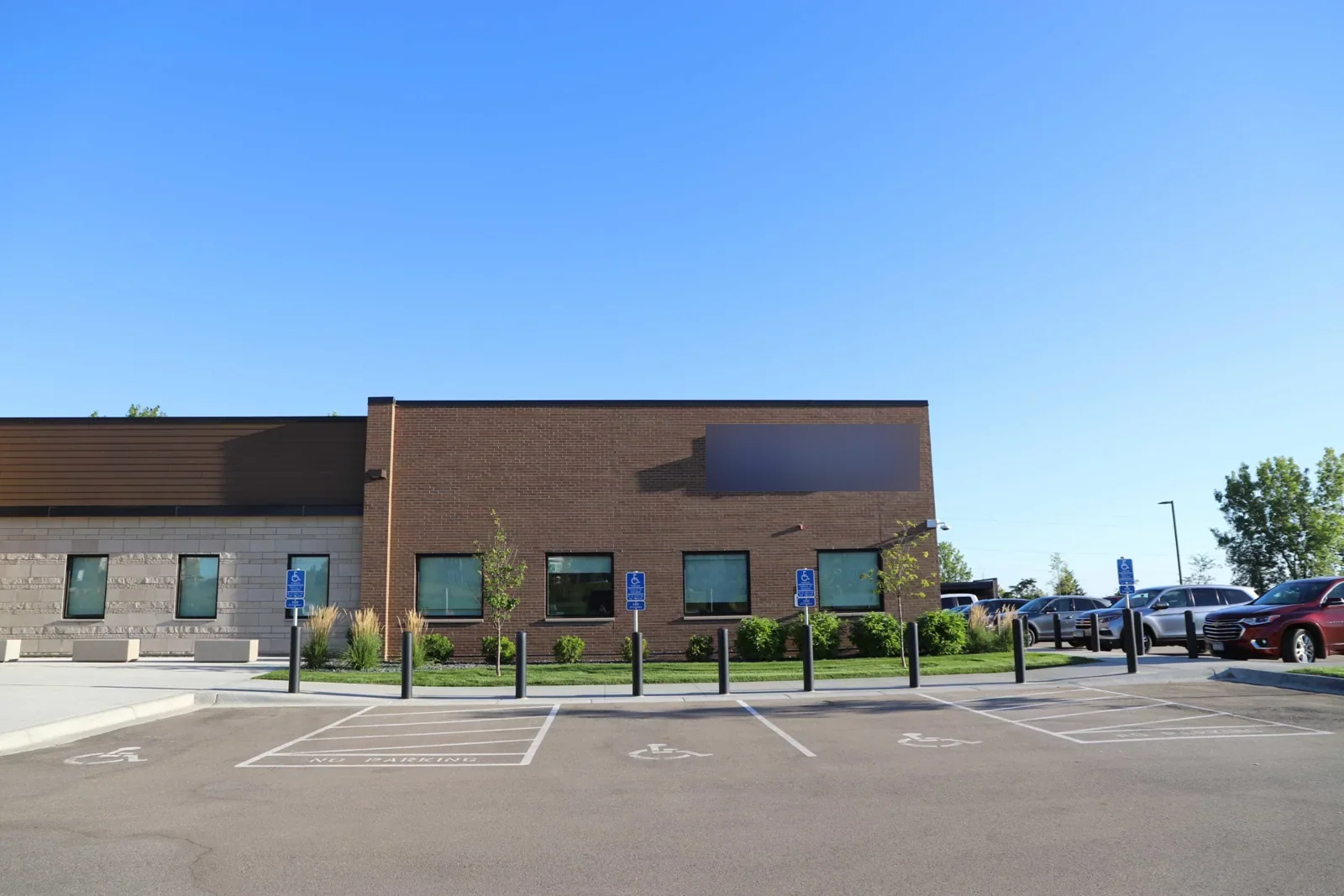
HVAC units, exhaust fans, refrigeration equipment, and rooftop piping bring repeat foot traffic and service work. Walk paths should be clear, and curbs should keep water outside the opening while allowing equipment access. We inspect flashing for movement, sealant loss, loose fasteners, and signs that another trade altered the roof. A new unit or support may require a curb extension, structural review, or new flashing assembly depending on the existing roof height.
The roofer and equipment contractor need to coordinate the sequence. The roof should not be closed around a unit before mechanical connections are complete and inspected. Temporary dry-in also needs to protect the warehouse if work pauses overnight. Equipment curb and support repairs and flashing at roof openings can be planned with the maintenance team so follow-up service does not undo a completed repair.
When should a warehouse roof be repaired or replaced?
Isolated punctures, open seams, or a failed curb can often be repaired when nearby membrane and insulation remain sound. Multiple leaks, repeated repair failures, broad moisture indications, or deteriorated perimeter details may point to a larger scope. We record the locations and distinguish confirmed damage from areas that need testing. If replacement is under consideration, the plan should cover removal, deck inspection, new insulation, drainage, edge details, and protection for inventory during the work.
A maintenance record can help warehouse owners compare repair patterns over time and plan capital work before the roof forces a shutdown. Preventive maintenance tracks drains, seams, and service routes; replacement planning compares those findings with a new assembly. The useful recommendation explains how the roof condition affects the building’s stock, schedule, and next decision, not only the membrane specification.
Questions Owners Ask
Can warehouse roof repairs happen while trucks keep loading?
Often, if the access route, work zone, and area below are coordinated in advance. We confirm the loading schedule, lift location, and protection required, then identify any periods when a dock or lane must be restricted.
What should we do about a leak over stored inventory?
Protect the goods and electrical equipment below, report where water appears, and arrange a roof assessment. We trace the roof entry point, stabilize the area if conditions require, and document a permanent repair scope.
How do you know whether a warehouse roof is wet beneath the surface?
We review leak history, inspect the roof, and look for signs such as soft areas or damaged layers. Infrared or selective testing can help answer targeted questions, with findings confirmed against the assembly and site conditions.
How often should warehouse drains be checked?
Inspection timing should reflect the roof, nearby debris, maintenance traffic, and weather season. Before Salinas’ cooler rainy months, we review drains, scuppers, overflow routes, and membrane connections and record any areas needing repair.
Related Roofing Work
Plan roof work around inventory and loading
Tell us where leaks have appeared, what the warehouse stores, and how receiving operates. We will inspect the roof and build a repair or replacement plan around safe access and the facility schedule.