
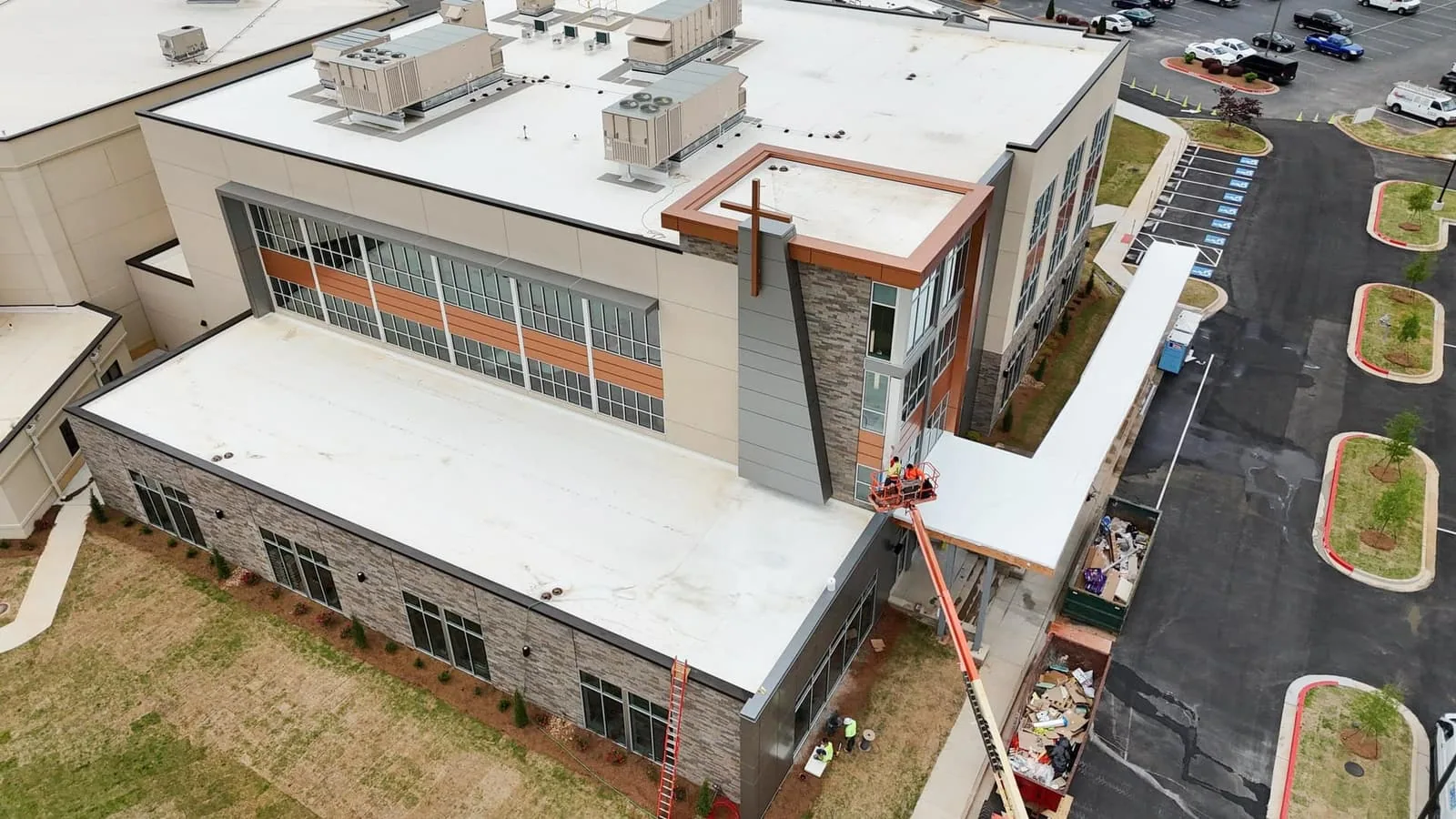
Commercial Roof Inspection in Salinas, CA
Schedule a commercial roof inspection in Salinas, CA to document membrane, flashing, drainage, equipment transitions, and repair priorities.
Overview
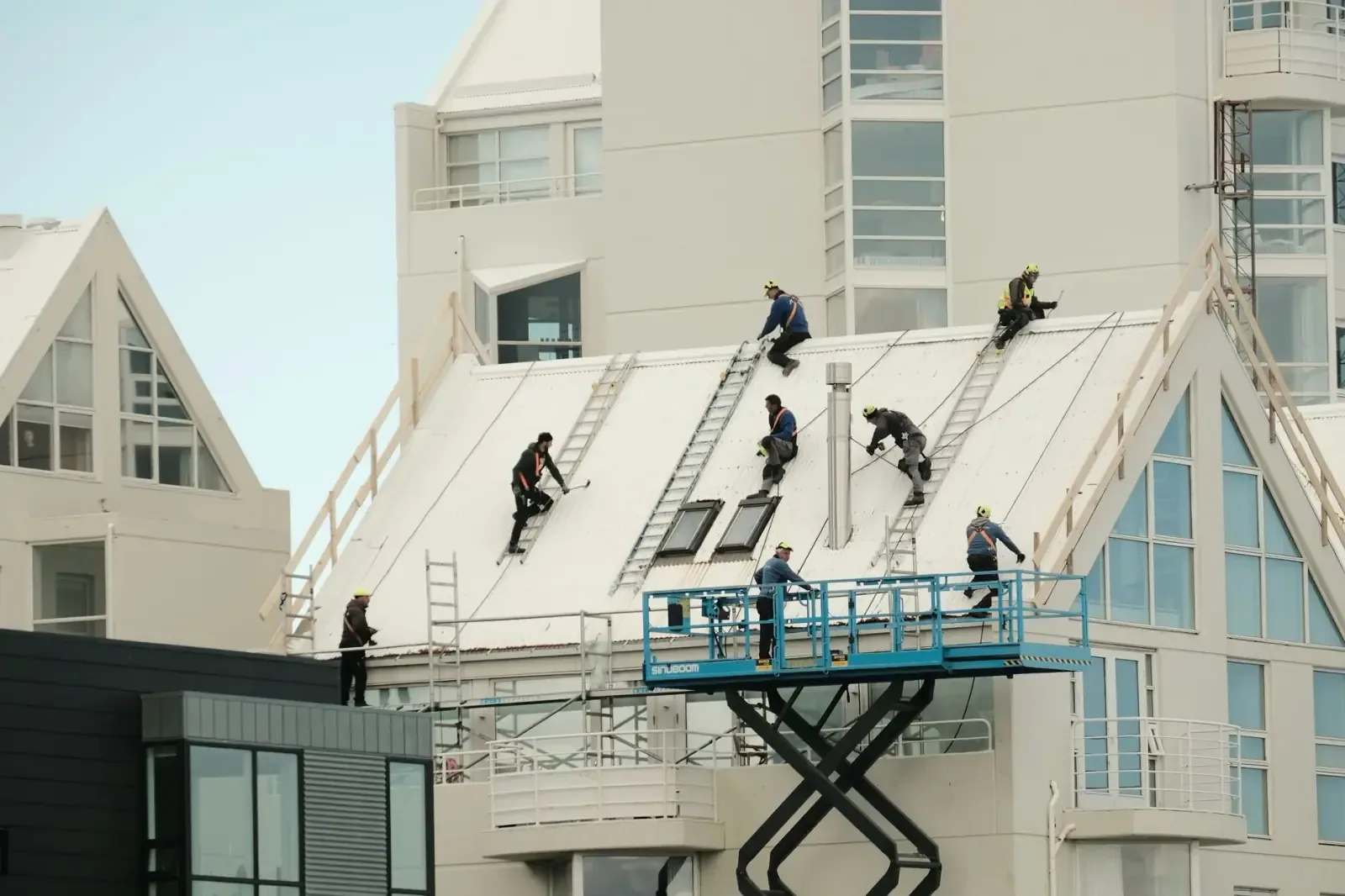
A facility director needs more than a record that the roof was inspected. The report should show which areas were reached, what details were observed, where moisture or damage may be present, and which items need action first. Our commercial roof inspection in Salinas records the roof by section and connects each finding to a maintenance, repair, or further testing decision.
Salinas has cool-season rainfall, while the summer months are normally much drier and often include morning fog or low clouds. That mix makes a useful inspection schedule depend on the actual roof, its drainage, and the building’s history. We do not infer a defect from local weather alone. We look at the membrane, flashings, penetrations, drains, edges, and interior reports together.

What areas should the inspection cover?
We begin with the roof plan, prior repair records, known leaks, equipment list, and any areas that cannot be accessed. On the roof, we inspect representative field seams, laps, penetrations, curbs, wall transitions, expansion joints, edge metal, drains, scuppers, and roof hatches. We mark the location and condition of each finding so another visit can compare the same detail rather than repeat a general walk.
Access limits belong in the report. An obstructed area, unsafe edge, locked section, or active equipment zone may not be inspectable during the visit. We identify the limitation and explain whether a different access method or a site escort would allow a closer look. A report that names the unobserved area gives the owner a more accurate basis for planning than a broad statement that the entire roof is sound.
Inside the building, we can compare reported stains, drips, odors, ceiling damage, or changes in stored materials with the roof area above. Water may travel before appearing, and condensation or plumbing can look like leakage. The report describes the observed interior condition separately from the suspected roof cause and recommends a focused follow-up where the origin remains uncertain.
How should findings be prioritized?
A useful report distinguishes active water entry, conditions that can worsen soon, routine maintenance, and items that merit monitoring. A loose flashing edge above occupied space may deserve earlier attention than surface wear with no sign of an open seam. A clogged drain may need clearing before the next rain, while an isolated puncture can be scheduled with other roof work if the area is dry and protected.
Each item should include a roof location, a clear description, a photo, and a recommended next step. We state whether the finding appears repairable, needs additional testing, or should be reviewed as part of a larger project. Where a cause cannot be confirmed from visible evidence, the report says what was seen and what inspection or test could resolve the question.
For a property with several roof zones, we can organize the findings by building section, equipment cluster, or the labels the facility team already uses. This is useful at commercial areas near North Main Street, Abbott Street, and Airport Boulevard, where different buildings and operations may have different access needs. We avoid applying one roof’s condition to another simply because both belong to the same property or business area.
When is additional testing worthwhile?
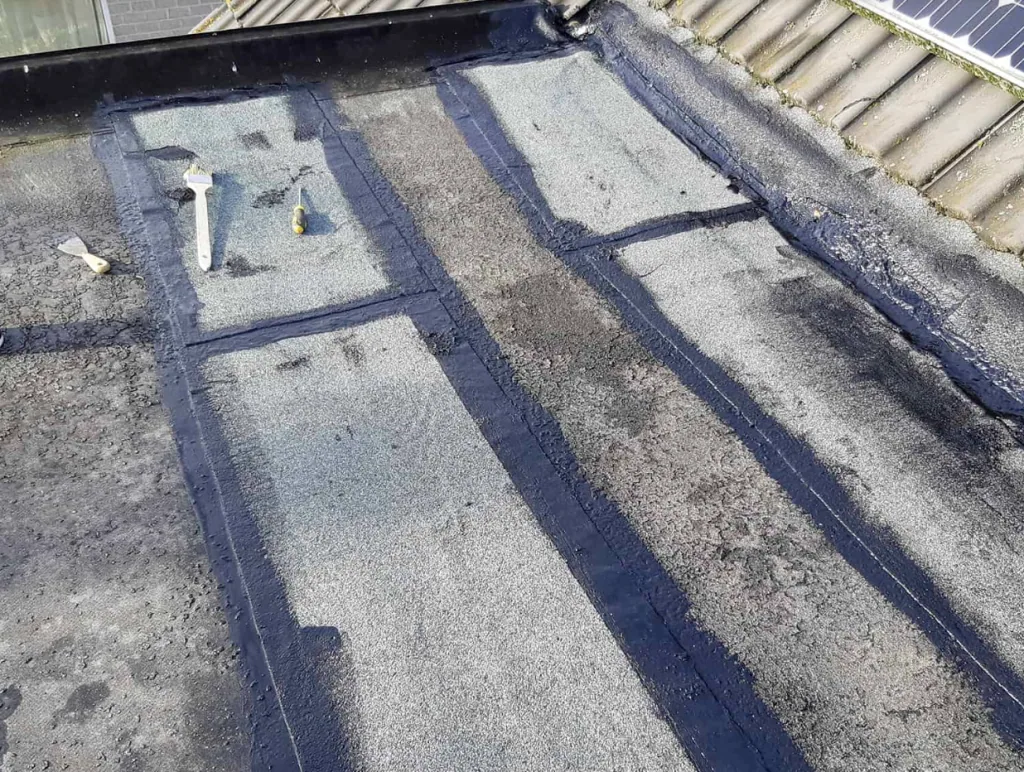
Some conditions require a closer method than a visual walk. Infrared imaging can identify temperature differences that may be associated with moisture, but sun exposure, insulation, rooftop equipment, and weather can affect the readings. Core samples can confirm layers and moisture at selected points. We choose testing locations based on reported problems and the roof layout, then explain why each sample is useful.
A moisture map does not establish conditions in every part of the roof. It represents the areas and conditions examined. If the findings vary by section, the owner may choose more samples or a limited opening before authorizing a repair or replacement. We provide the location and method so another professional can interpret the same point later.
On a roof with repeated leaks, targeted testing can help distinguish a local detail failure from wet insulation beneath a broader area. On a planned capital project, testing can compare the proposed replacement boundary with actual conditions. The decision is practical: use testing when its result could change the repair scope, system choice, or order of work.
How does the building use affect inspection?
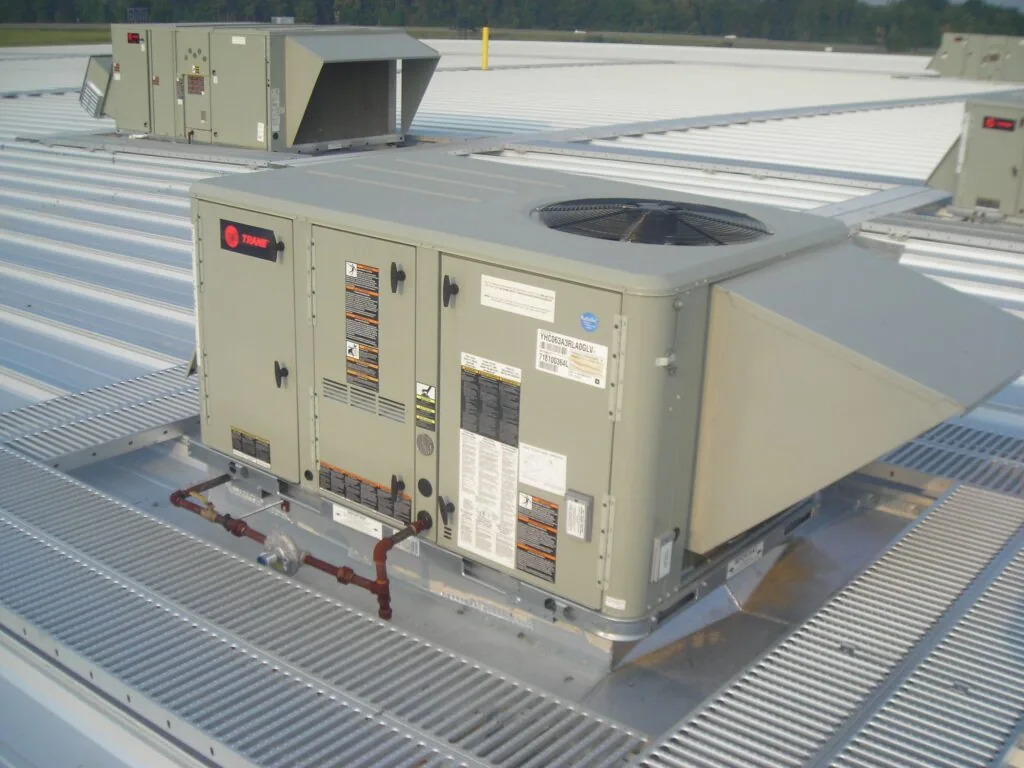
Roof details often reflect what the building supports. Refrigeration piping, exhaust, electrical lines, rooftop units, and service paths each add penetrations or foot traffic. A food-handling facility may need a different access window from an office or retail building. We record equipment and operation constraints that affect where a crew can inspect and what follow-up work could require coordination.
The Salinas economy includes agriculture and related processing, packaging, warehousing, and distribution. The Airport Industrial Park and Salinas Ag-Industrial Center are among named commercial and industrial areas. Those settings give useful market context, while each roof’s assembly and condition still need direct review. At properties in the Airport Industrial Park or East Alisal and East Market, we document the actual access route and equipment, not assumptions based on the district name.
When should the next review happen?
The timing depends on the roof’s age and condition, past leak history, planned construction, and the building’s maintenance cycle. A known leak or open detail may justify an earlier visit. A roof with stable conditions may be reviewed alongside routine maintenance. The report should list the next action and a reason, rather than assign a calendar interval without considering the property.
Salinas’ normal rainfall is concentrated in the cooler months. A review before that season can help the owner identify drainage obstructions and vulnerable flashings, while a post-rain inspection can check how the roof responded to actual weather. During dry summer periods, crews can often schedule repairs with fewer rain interruptions, but a foggy morning may still leave the surface damp for materials that require dry application.
What will the owner receive?
The report should be readable by both the property manager and the maintenance person who will act on it. We include a summary of accessible areas, a list of findings with locations, photographs, priority recommendations, and limitations. If the inspection identifies a condition that calls for a quote, we distinguish that proposed work from the inspection itself.
We can link findings to a defined repair scope, drainage work, or a targeted moisture survey. If several roof zones show deterioration, the owner can compare those items with a replacement evaluation. Each recommendation should name the evidence that supports it and what remains unknown.
For a portfolio or a multi-building facility, consistent labels and photo angles make reports easier to compare. A condition history can show whether a seam stayed closed after repair or whether water appeared in a new area. The owner can use that record to plan maintenance, schedule capital work, and summary another contractor without relying on an undocumented verbal summary.
Questions Owners Ask
Does the inspection include a written condition report?
Yes. The report identifies accessible roof areas, observed conditions, photographs, priorities, and recommended next steps. Any area that could not be reached or confirmed is listed as a limitation, so the owner can decide whether another access method or test is warranted.
Can an inspection confirm where a ceiling leak starts?
It can narrow the likely path by comparing the interior symptom with roof details above and nearby. Water can travel, and condensation or plumbing can create similar marks. When visual inspection cannot establish the origin, we explain which follow-up test could reduce uncertainty.
Will you inspect every roof section?
We review the roof plan and document each area reached, along with any access limitation. If a section is unsafe, obstructed, or unavailable, the report states that plainly. The owner can then arrange a safe return visit or a different method for that area.
Can inspection findings be used to plan next year’s budget?
Yes. Findings can be grouped by priority and roof zone, with repair, testing, and replacement items separated. We describe the evidence and scope driver for each recommendation so the facility team can compare immediate needs with planned capital work.
Related Roofing Work
Build a usable roof condition record
Share prior leak reports, roof plans, equipment constraints, and access rules. We will inspect the agreed areas and return findings the facility team can act on.
