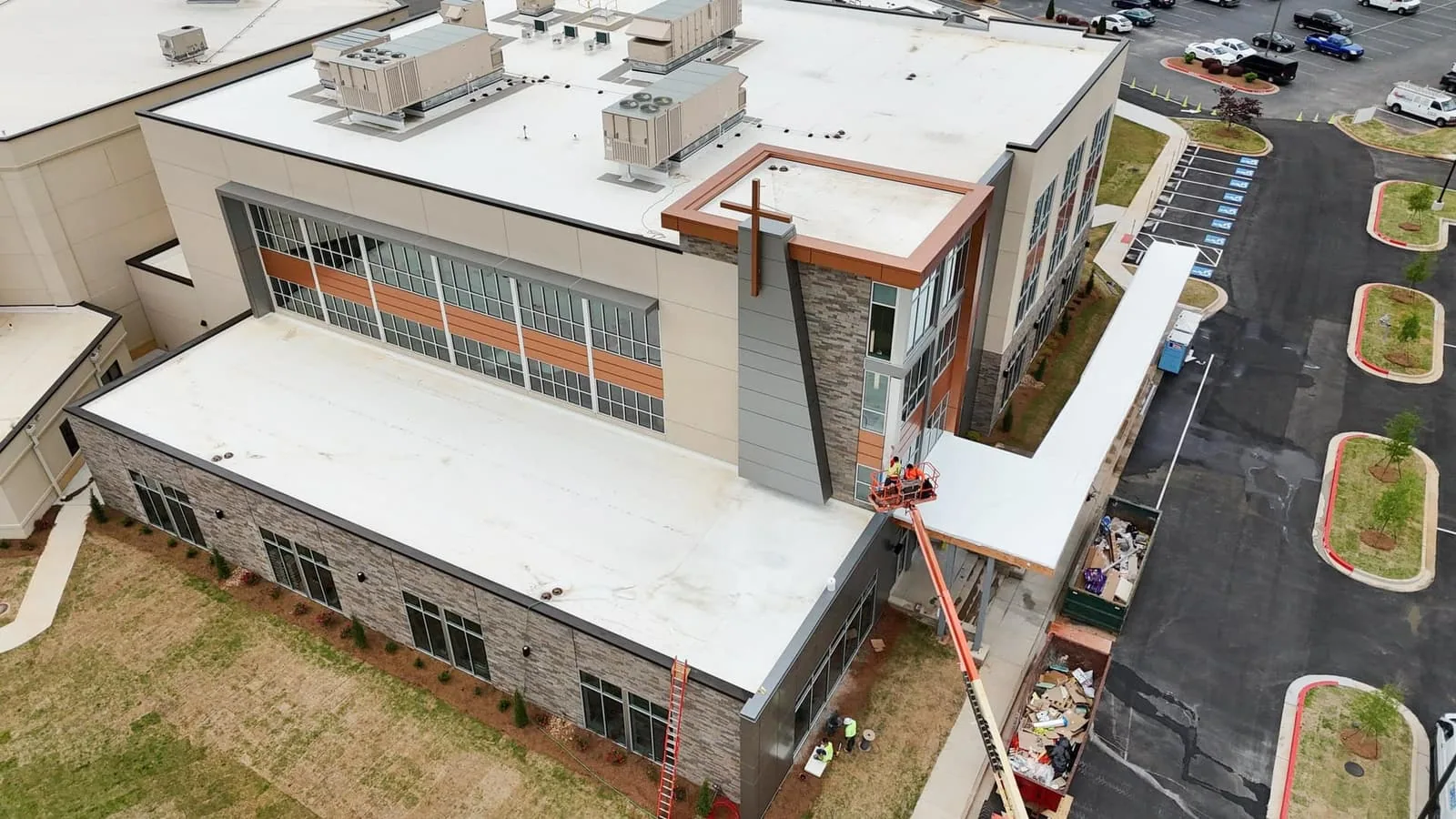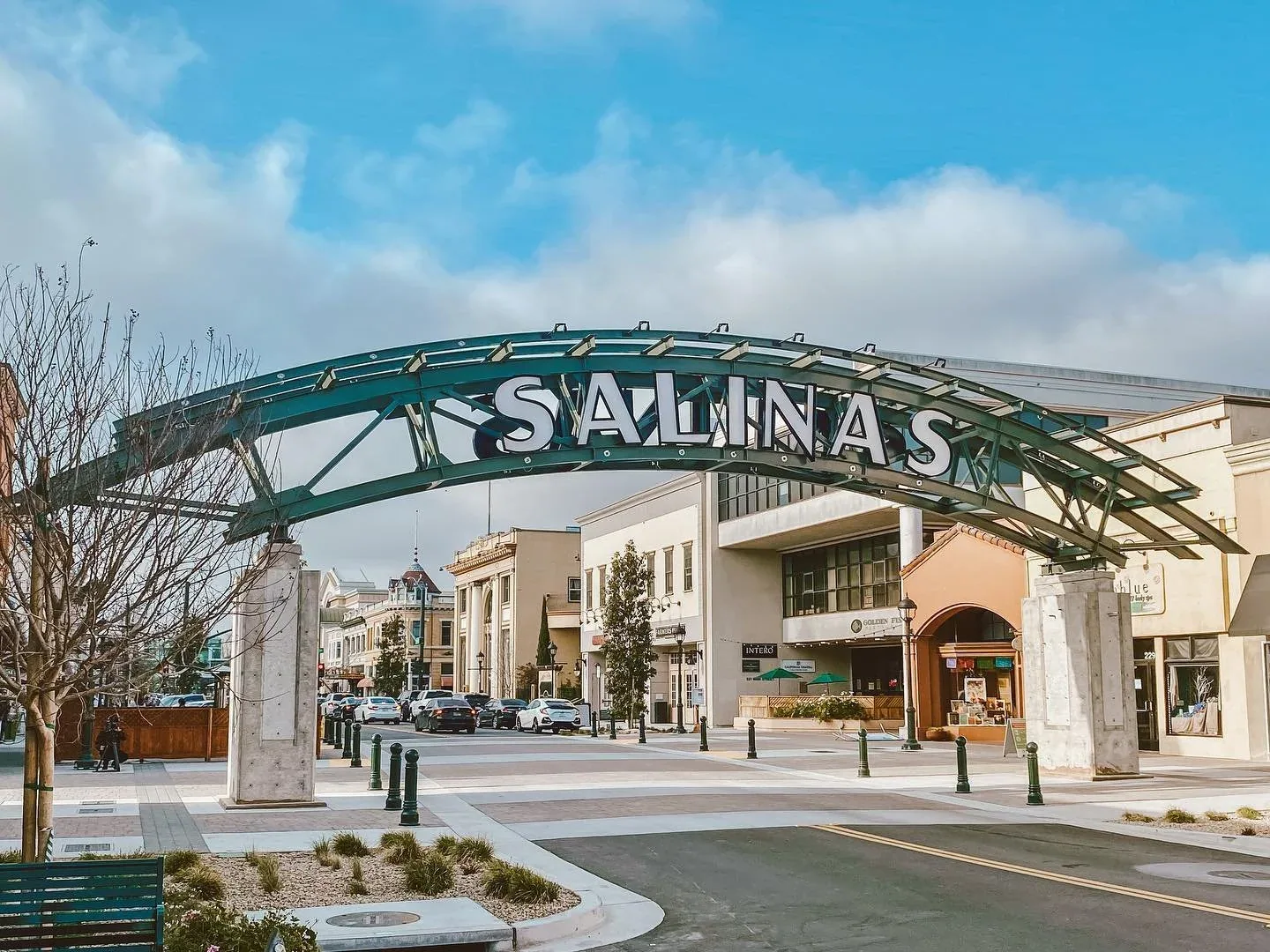
Commercial Roofing in Downtown Salinas, CA
Commercial roof repair and inspections in Downtown Salinas, CA. Plan roof access, drainage work and repairs around infill projects and occupied spaces.
Overview
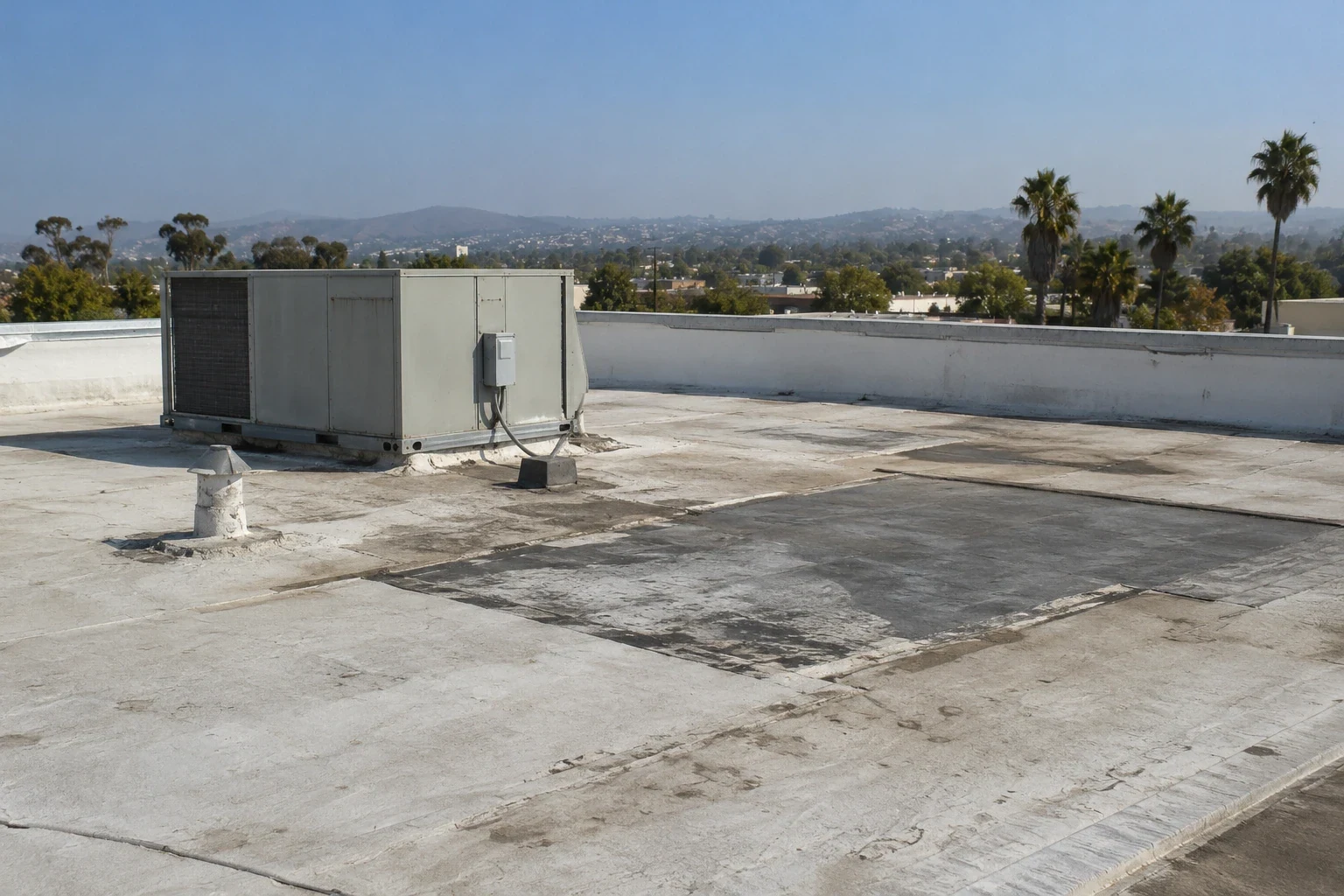
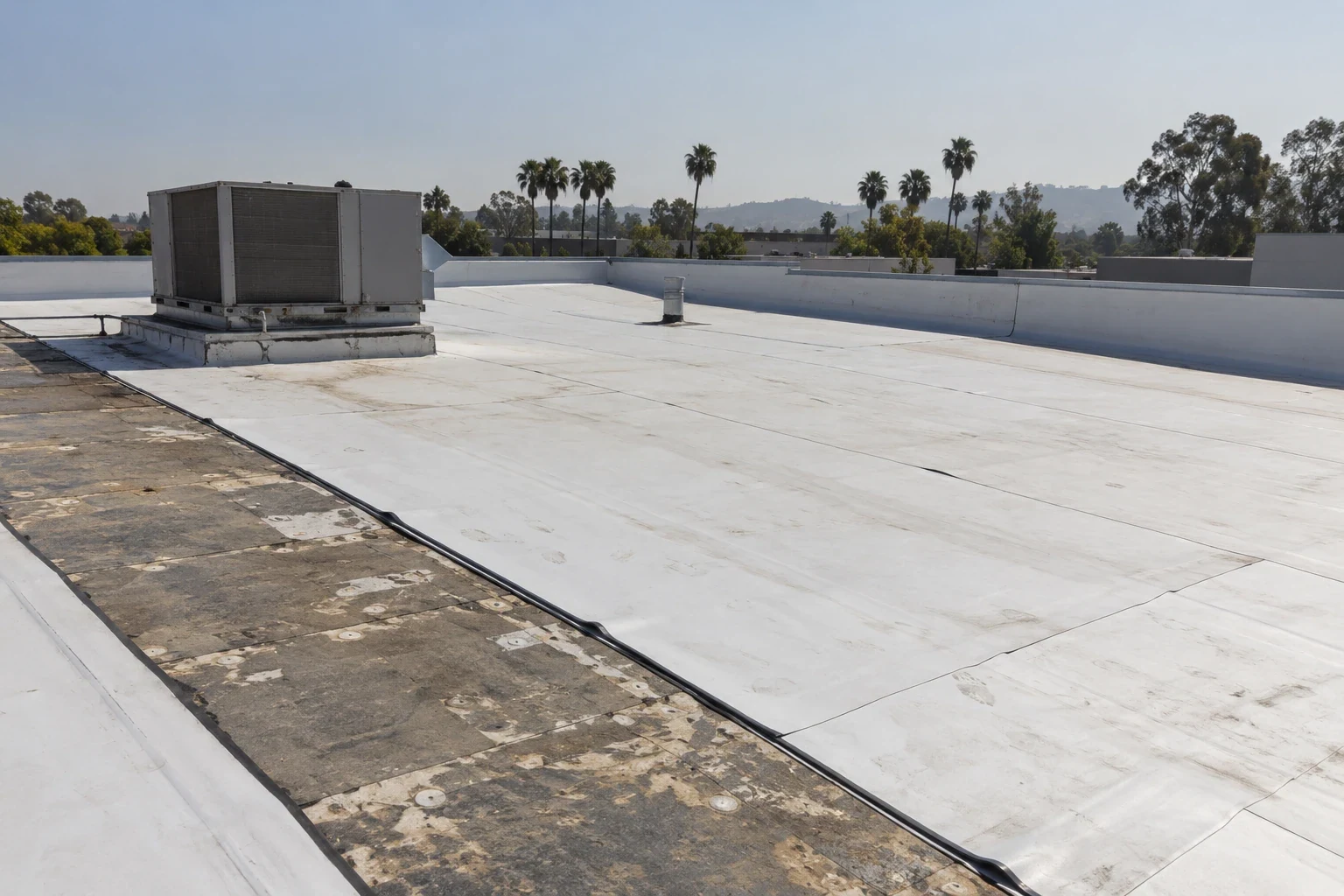
An office or public-facing property downtown needs a roof plan that accounts for how people use the building below it. Salinas identifies a Central Area Specific Plan and downtown parking and infill work among its approved plans. We check the actual roof assembly, drainage, flashings, equipment curbs and reported leak areas before recommending a repair or larger project. The plan area helps orient the work, while access and roof condition come from the property.
Salinas serves as the Monterey County seat and a regional business and employment center with agricultural, public-sector and healthcare employers. A building operating near those uses may have specific entry hours, interior access rules or equipment schedules to coordinate. We record which roof zones are accessible and how each observed condition relates to the reported issue. A commercial roof inspection gives ownership a clear starting point for deciding what should be repaired, monitored or investigated further.
Where can downtown access affect roof work?
Parking, infill activity and tenant circulation can affect where a crew checks in, stages materials and protects the entrance below a work area. The City also maps a Downtown Rail Transit-oriented infill area. That planning context is useful when an owner is setting a project window, but current site access still needs to be confirmed with the building contact. We identify roof hatches, lift positions, restricted areas and delivery hours before setting the repair sequence.
A visit can be divided by roof zone so one active area stays clearly separated from an occupied entrance or interior space. If access changes during the job, the owner should know which roof area remains protected and what has to wait for the next window. Properties in nearby Chinatown, Salinas may have different circulation and building rules; a downtown scope should stay tied to its own site map rather than assume the same route works for every address.
Which details should be checked before winter rain?
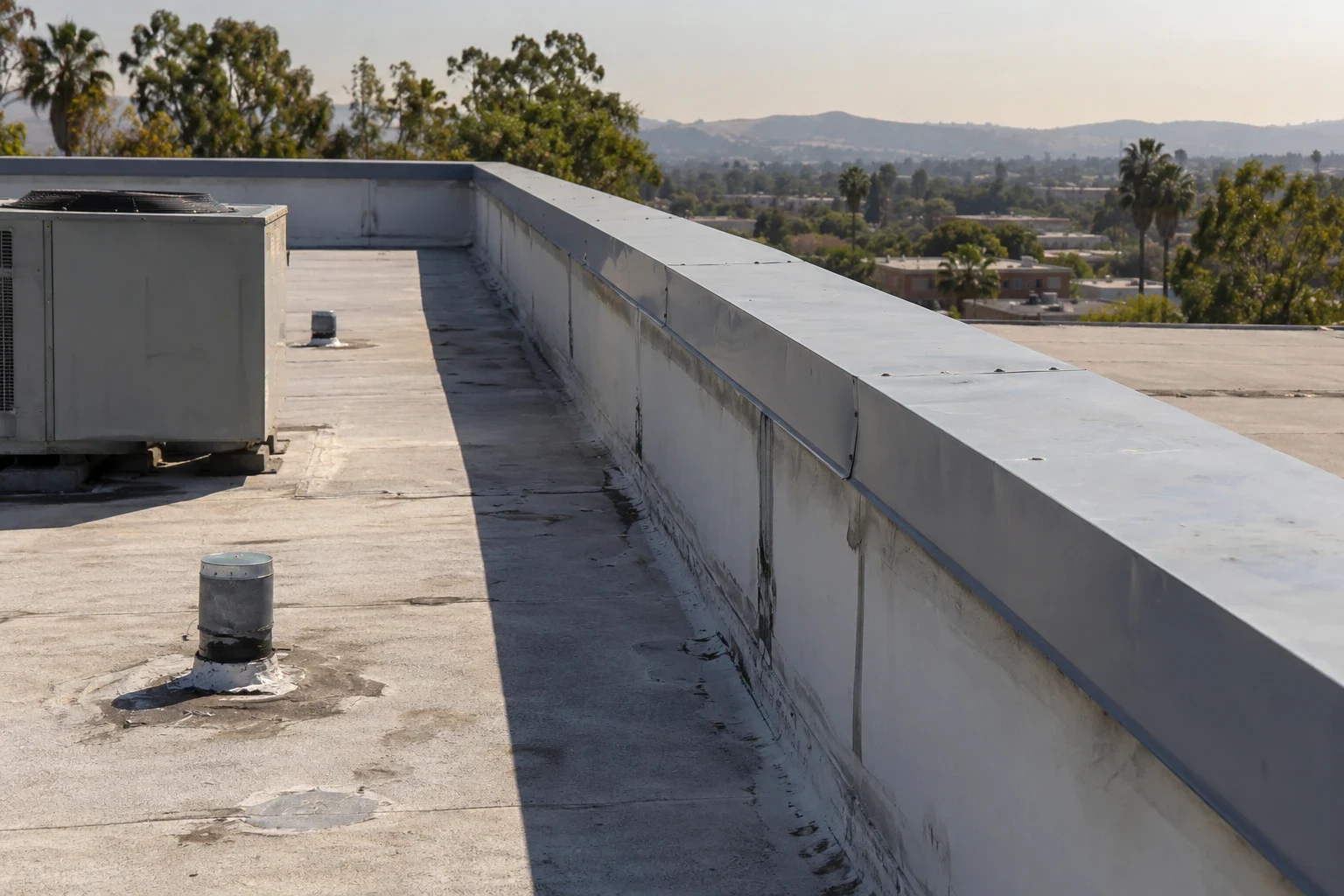
Most annual precipitation in Salinas falls in the cool season, so drain paths and flashing deserve attention before sustained rain. We clear a practical view around outlets, inspect scuppers and edge metal, then check nearby seams, parapets, penetrations and equipment curbs. A stain inside a ground-floor office or shared corridor may sit far from the roof opening. We compare its timing with the roof layout instead of assuming the nearest drain is the origin.
Where water remains after an outlet is clear, we record the location and look at the surrounding slope, transitions and prior repair areas. A drain and scupper repair should preserve the path to the outlet, not simply seal the visible edge. If the leak report points to one curb or seam, a commercial roof repair may be enough when adjacent materials remain suitable. Repeated reports across different rooms can call for moisture investigation before the work boundary is set.
For a multi-tenant property, label each leak report by room, date and roof zone before approving a patch. If one curb, parapet or drain serves several interior spaces, inspect the connected detail and nearby transitions together. That gives the owner a basis to decide whether one repair can be isolated or whether access to another section is needed before the crew closes the area.

How can repairs fit around tenants and public hours?
A roof project over offices, public services or retail space may need a quiet window, notice to occupants or temporary protection inside. We confirm who can authorize access, which areas remain in use, and whether equipment needs to stay operating. The crew sequence can then identify the zone under work, the route for moving materials and the point when a space can return to normal use. Those decisions belong in the scope before mobilization. Because City-approved plans include downtown parking and infill work, the property contact should confirm any current curb, entrance or staging restrictions before a crew is scheduled. We set the delivery and lift plan against that access window, then identify which roof zones can be completed and closed during the available shift.
For a localized repair, the owner may be able to keep most operations unchanged if access and protection are clear. A broader project can require staged work, daily dry-in checks and coordination with mechanical or electrical trades at rooftop openings. An occupied-building reroofing plan should state how tenants receive notice and which areas may be restricted. If the roof cannot be closed safely in one visit, the interim protection and return date need to be explicit.
Timing and cost depend on the number of roof zones involved, the access equipment needed, the condition of the substrate, and how many rooftop transitions must be rebuilt. A repair proposal should show the visible boundary and record any concealed condition that could change it. For replacement, we identify tear-off, insulation, flashing and drainage work separately so ownership can compare a complete scope with a limited repair instead of comparing totals with different assumptions.
What should ownership keep after the visit?
Keep roof plans, photographs, leak dates, repair invoices and inspection findings together by building and roof zone. A useful record states what was visible, where access stopped, which repair was completed and which recommendation remains open. This helps a facilities contact compare a later report with the prior condition without treating a proposal as proof that work occurred.
The economic opportunity map also identifies Chinatown, Salinas and North Main Street as separate areas. A portfolio may include properties in those districts, but each roof needs its own condition history and access record. A roof condition report can sort findings by urgency and help ownership plan a later review. A maintenance visit can revisit drains and roof details after work or before the next wet season, with open items carried forward by area.
Questions Owners Ask
What should a downtown owner share before a roof inspection?
Provide the roof plan if available, leak timing and interior location, access contact, and any hours when the space below must remain quiet. We can then focus the visit on the reachable roof zones and flag any area that needs a separate access arrangement.
How do you confirm a roof system before choosing a repair?
We inspect accessible assembly details and review available property records before recommending a repair material or method.
How should a manager prepare for a leak above occupied space?
Record the room, start time and whether water is still entering, then protect contents where that can be done safely. Share the roof access contact and any equipment restrictions so the inspection can compare the interior report with nearby roof details.
When does a localized downtown repair need more investigation?
If moisture appears in several roof zones, returns after a prior patch or extends beyond the visible opening, additional testing can clarify the repair boundary. We explain what the inspection confirmed and what remains concealed before pricing a broader scope.
Can you phase replacement over active offices or services?
We can lay out work by roof area when the assembly and weather allow a secure close between visits. The property contact confirms access, occupant notice and room-readiness dates, while the scope identifies temporary protection and any shutdown or trade coordination.
When should downtown facilities check drainage before the wet season?
Most rain in Salinas falls during the cool season. Review outlets, scuppers and adjacent flashing before that period, then schedule repairs with enough time to confirm material and access needs. A clear drain does not resolve a separate seam or curb defect, so keep each finding tied to its roof zone.
Related Roofing Work
Set a downtown roof review
Share the access window, leak history and areas that need to stay open. We will document roof conditions by zone and separate repairs from follow-up questions.