

Commercial Roof Condition Reports in Salinas, CA
Get photo-supported roof findings for Salinas buildings, with conditions grouped by area, ranked by priority and tied to practical next steps.
Overview
A roof report earns its place when a facilities manager can use it after the inspection crew has left. For a warehouse near Airport Industrial Park or a commercial building along Abbott Street, the owner needs to see what was reached, what was found, and which condition deserves action first. We prepare written condition reports with photos and findings organized by roof area, so a decision can be traced to evidence instead of a broad rating or an unexplained list of repairs.
Salinas includes mapped commercial and industrial opportunity areas as well as mixed-use districts. Each building has its own assembly, drainage layout, penetrations, access rules, and operating schedule. Our report describes what was visible and records where further testing is needed. It can support a commercial roof inspection, a repair authorization, or a longer-term review without implying that one visit predicts every future leak.
What should each finding show?
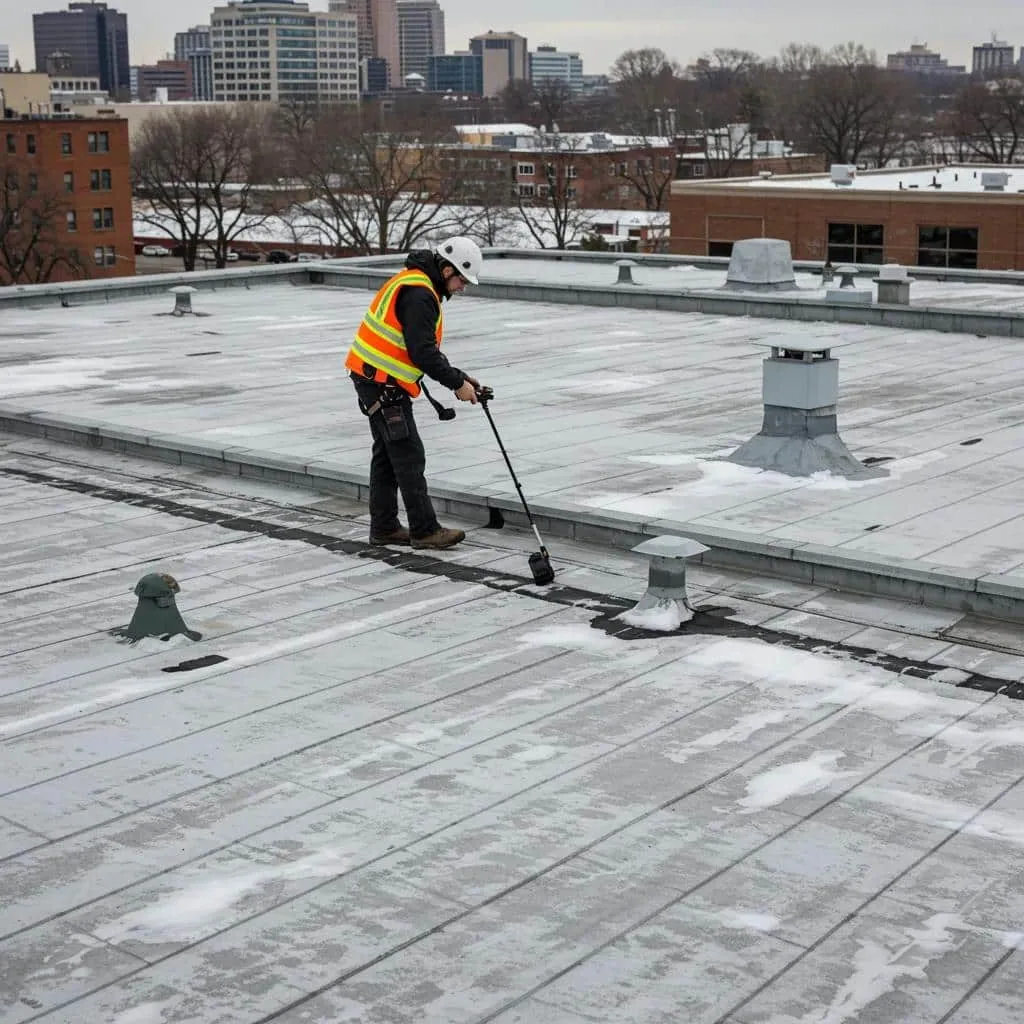
Every useful finding connects a roof area to an observation and a next step. We describe the seam, flashing, penetration, drain, edge, or membrane condition in plain terms, then add a photo that shows both its location and the detail itself. A close view without context can be hard to locate later; a wide view without detail may not help an owner understand the issue. We use both when they clarify the condition.
The report separates active water entry, conditions that could allow entry, routine maintenance, and questions that need additional evaluation. If the visible surface suggests trapped moisture or a concealed deck concern, we identify the evidence and the appropriate next investigation rather than presenting an assumption as a confirmed defect. An infrared moisture survey or selective testing may help answer a specific question. The report should state what the inspection could access and whether rooftop equipment or surface conditions limited visibility.
How are priorities made clear?
Priority follows the condition and its likely consequence. Water entering above a production area needs a different response from debris that can be removed during scheduled maintenance. We mark urgent repairs, recommended corrections, monitoring items, and further testing separately. Each priority includes enough explanation for the owner to understand what it addresses and what could happen if it waits.
In Salinas, rainfall is normally concentrated in the cool season, while summer months are much drier and can have frequent fog and low cloud cover. Those conditions give owners a useful reason to review drainage and vulnerable details before the wetter period, but a climate normal cannot prove that a particular roof is sound or failing. We date the observations and record recent conditions shared by the owner. A follow-up report can then compare like roof zones and show whether an item changed, remained stable, or was repaired.
When a report supports a work request, we can separate the recommended scope from optional investigation. That makes the approval decision clearer: the owner sees the area, reason, repair method, access needs, and any open assumption. Our repair work can be documented with before-and-after photos and a closeout record that identifies what remains for a future visit.
What belongs beside the roof findings?
Access and building use affect whether a recommendation can be carried out as written. A report may record a locked roof hatch, equipment that limits the walking route, a loading window, tenant notification, or interior protection needed below a repair. We record these details when they change the inspection or work sequence. They help the owner plan access and avoid discovering a site constraint after materials or trades have been scheduled.
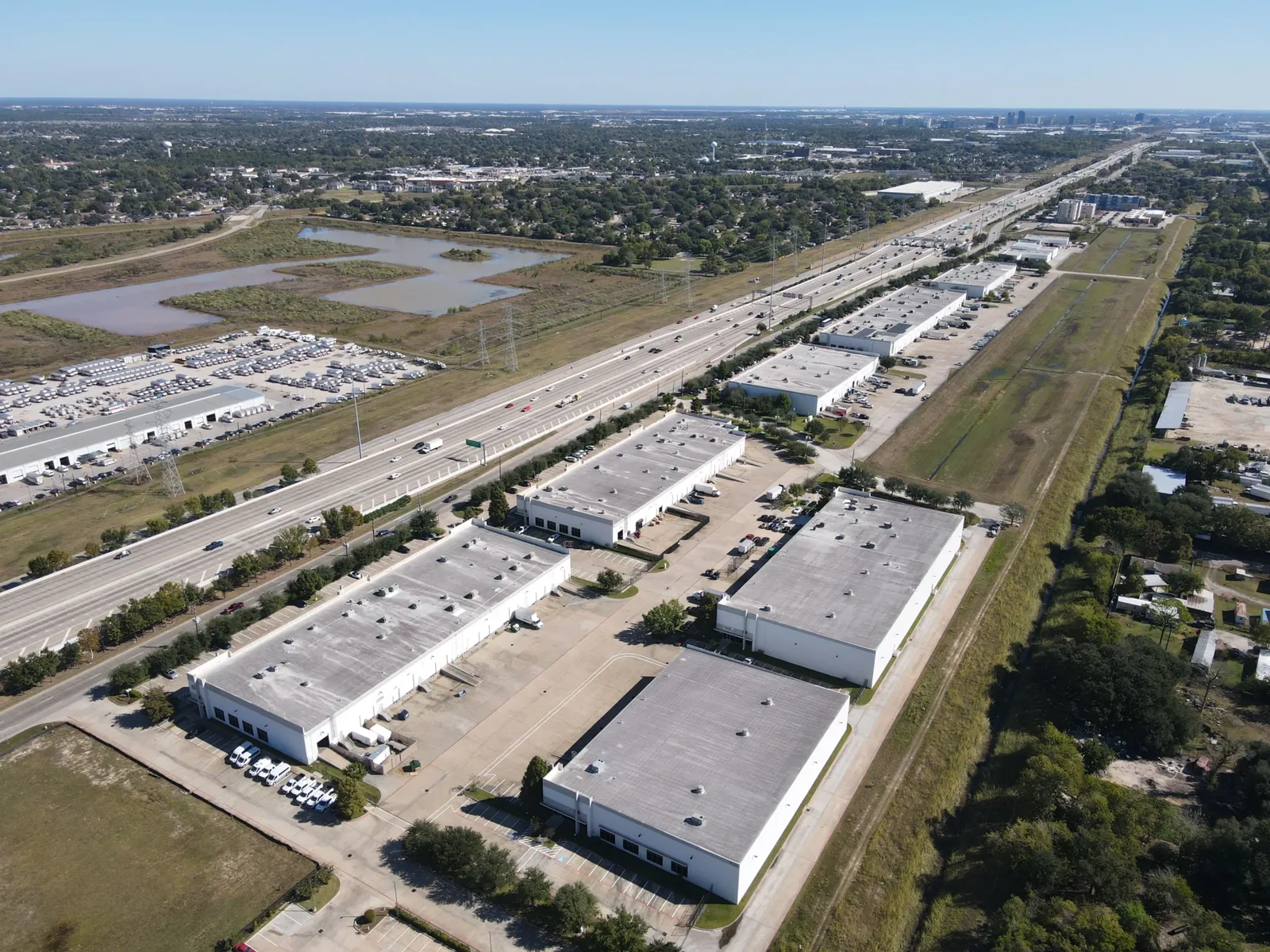
The Salinas Business Park developer describes an airport-adjacent industrial area intended for freight, packaging, advanced production, and agricultural-support businesses. Those uses can involve active loading or rooftop equipment, but the report must reflect the conditions at the actual property. We do not infer the roof type or schedule from the business park description. For a review in that broader area, we confirm the site’s access plan and operating hours before setting the visit. Owners can use the Salinas Business Park service area to coordinate a property review with their facility contacts.
A report also helps keep scope boundaries visible. If a rooftop unit blocks part of a flashing detail, we identify the area that could not be seen rather than marking it clear. If interior staining is reported below a roof zone, we include that information as a symptom and explain whether the exterior review found a likely entry point. This gives the owner a specific question for the next visit instead of a broad statement that the roof needs attention.
At a site with several tenants, we can record which roof areas were accessed and where notice or escort was required. The report remains focused on the roof, but the coordination details help the owner plan follow-up work without interrupting receiving, service, or occupied spaces more than necessary.
When an owner needs the report for approval, we keep recommended work, optional investigation, and access assumptions distinct. A clear boundary matters when one repair is approved while another remains under review. The closeout can return to the same roof-area labels and show whether the accepted work addressed the original condition or exposed a separate concern.
How does a report support the next decision?
A report can guide a small repair, a maintenance visit, or a larger scope study. For localized deterioration, we show the affected detail and the repair recommendation. If the roof has broad moisture concerns or repeated failures, we may recommend further testing before comparing repair, recover, coating, and replacement. The report does not assign a remaining life from appearance alone; it identifies what evidence is available and what remains uncertain.
When replacement is under consideration, the findings can help organize a scope around drainage, insulation, edges, penetrations, and equipment curbs. If coating or recover is being discussed, we record the existing conditions that must be checked first. A separate capital planning review can use the report to set timing and approval priorities, while roof asset management can carry the same area names and repair history across future inspections. That continuity makes an old photograph useful only when it is clearly tied to its location and date.
Questions Owners Ask
Will the report show exactly where a leak begins?
We document visible evidence and investigate likely paths, but water can travel beneath a roof assembly before it appears inside. The report distinguishes the interior symptom from roof conditions we observed and identifies any testing that could narrow down the entry point.
Can you include photos for each recommended repair?
Where access and visibility allow, we photograph the condition in context and at detail level. We label the roof area and connect the image to the finding, so an owner can locate it during authorization or a later closeout.
How should we compare a new report with an older one?
Use dates, roof-zone names, photos, and completed work to compare the same areas. If the earlier report used different labels or did not show the repair closeout, we record that limitation instead of treating the records as a direct measurement of change.
Can a written report be used for budgeting?
It can support a budget request by showing the condition, priority, recommended scope, and open questions. Larger projects may need measurements, testing, or a separate specification before pricing is final. We identify those additional steps in the report.
What should our team provide before the inspection?
Share available roof plans, leak locations, prior reports, access instructions, and operating windows. We can then plan the route and record any area that could not be reached. Around-the-clock emergency service is available if water is entering before the scheduled review.
Related Roofing Work
Get a report your team can use
Arrange a Salinas roof inspection around site access and operating hours. We will document visible conditions, include useful photos, and connect findings to next steps.