Commercial Roof Asset Management in Salinas, CA
Track roof condition, repairs and maintenance across Salinas properties. We organize findings by building and roof area to support practical decisions.

Overview
A portfolio manager with roofs in Salinas Ag Industrial Center and along North Main Street may be responsible for very different buildings, but the records should answer the same practical questions. Which roof areas need attention, what has already been repaired, and what deserves a closer look before the next budget meeting? We build a condition record by property and roof zone, connecting observations to maintenance, repair, or further inspection instead of treating a spreadsheet date as proof of roof health.
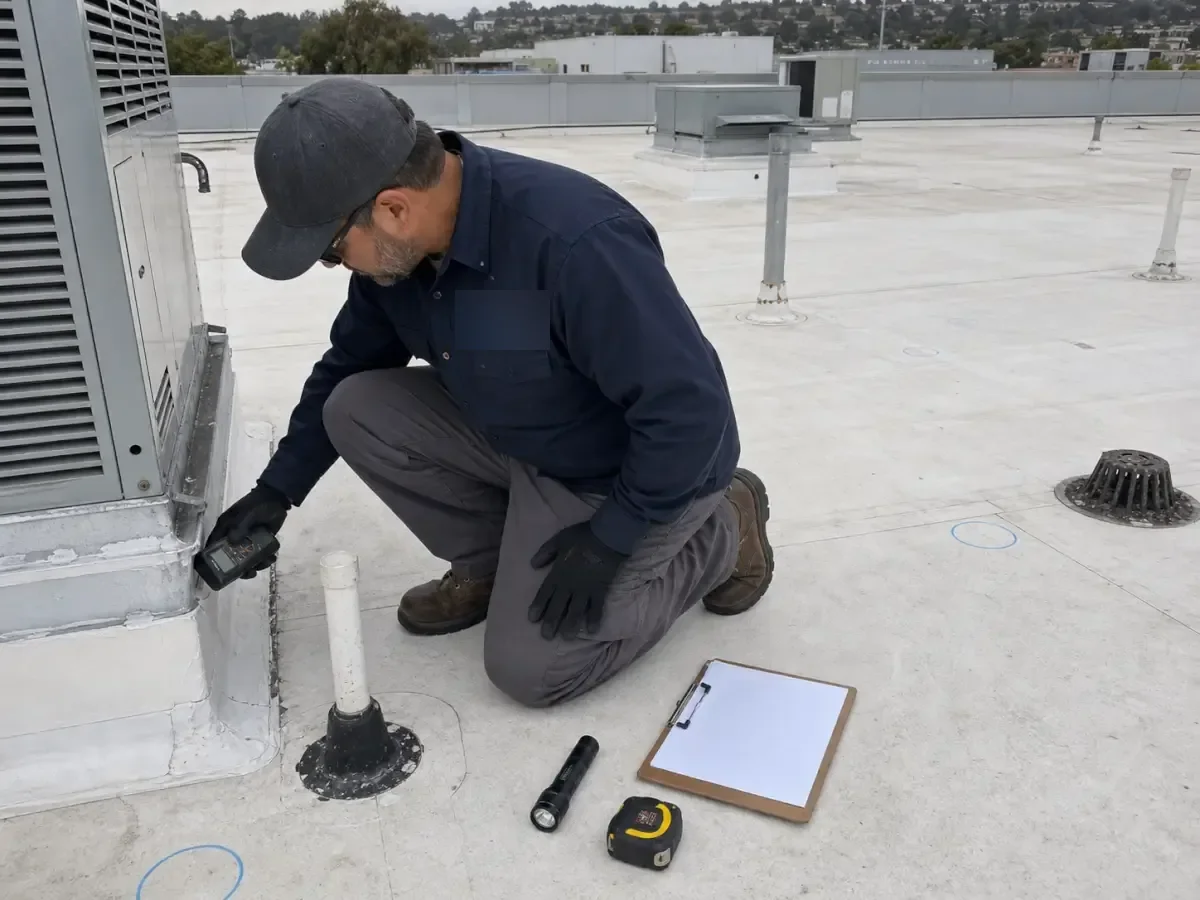
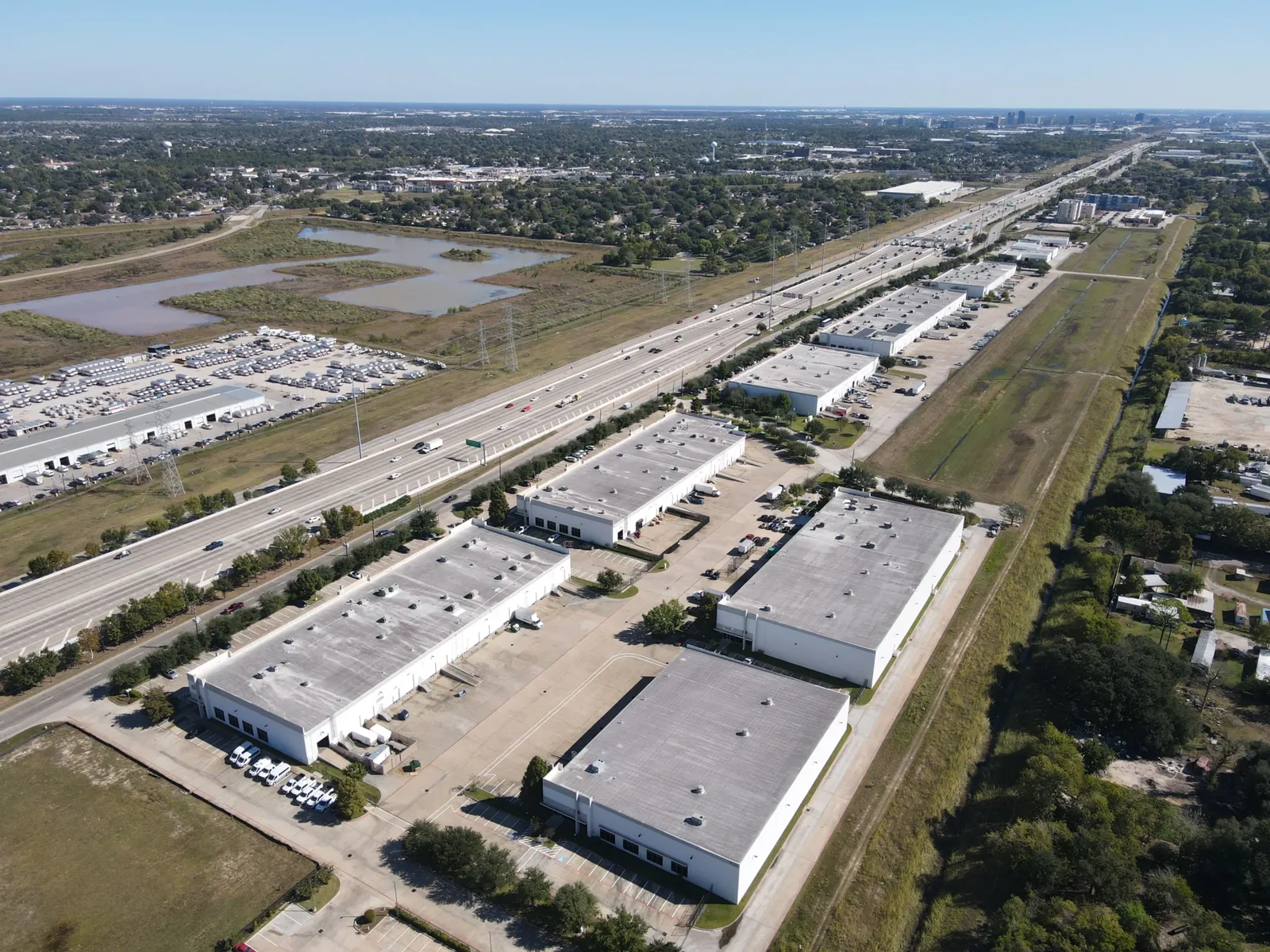
Salinas includes commercial and industrial opportunity areas from Airport Industrial Park to Alisal and East Market. That mix makes a single portfolio label too broad for useful roof decisions. We inspect each assembly, record drainage and perimeter conditions, photograph relevant details, and record access or operating constraints that affect the work. The result gives an owner a readable starting point for commercial roof inspections and preventive maintenance, with the building’s needs kept in view.
What changes from one roof record to the next?
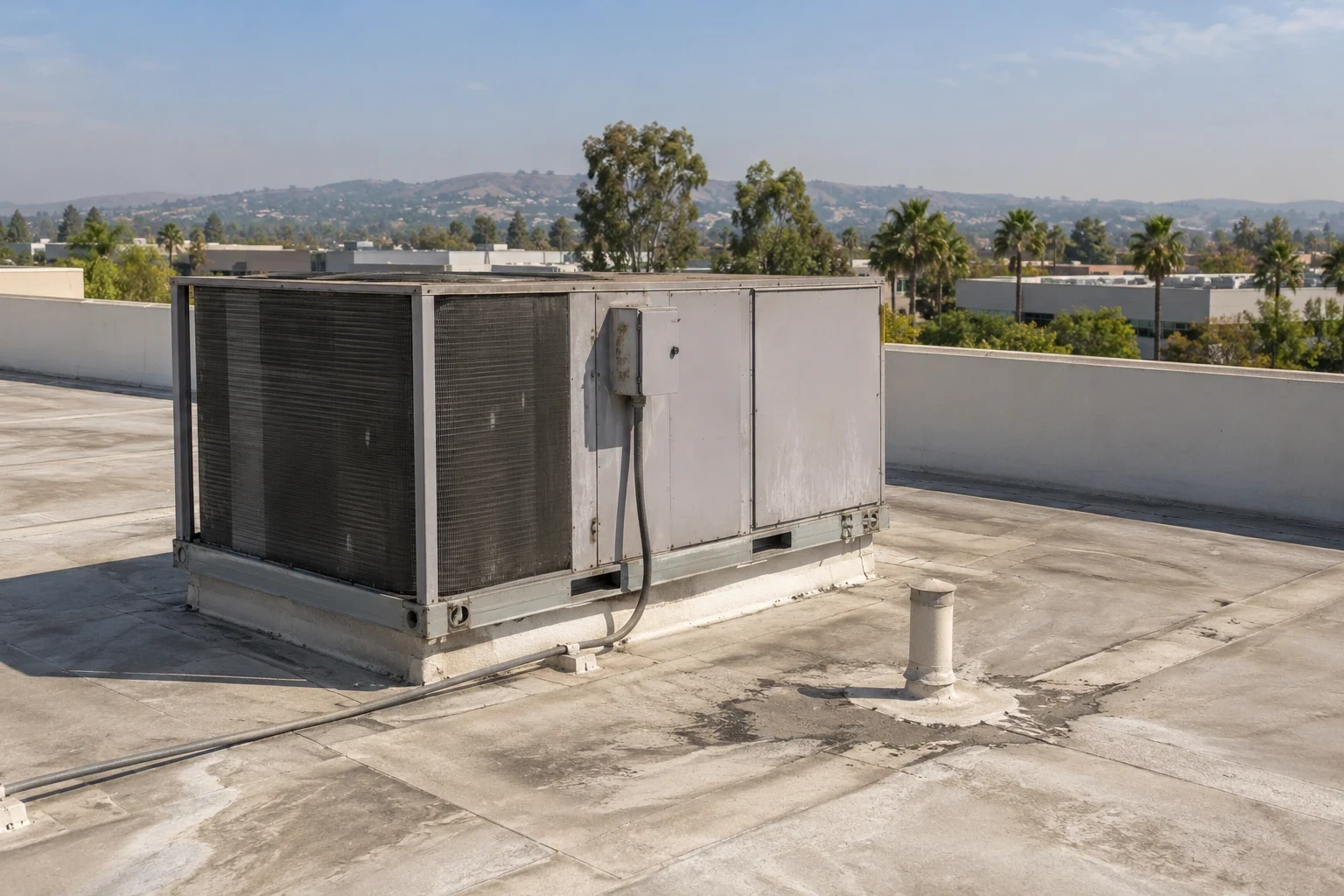
A warehouse, a food-related building, and an office can share a market and still have different risk points. Refrigeration lines, exhaust equipment, skylights, parapets, and roof drains create distinct inspection routes. We identify the assembly when it can be confirmed, map the areas reached, and separate visible conditions from items that need testing. A roof record should not treat a building’s business use as proof of what sits above it.
That distinction matters around Airport Industrial Park, where the city’s mapped opportunity areas include commercial and industrial uses, and at the Salinas Business Park, whose planned uses include warehousing, distribution, logistics, packaging, advanced manufacturing, and ag-industrial activity. Those descriptions help frame operating needs, not roof construction. We still check the actual membrane or metal, transitions, drainage, and interior evidence before adding a finding to the record. When membrane condition drives the decision, we compare repair or replacement choices such as TPO roofing and metal roof retrofit against what is present.
Which details belong in a usable condition record?
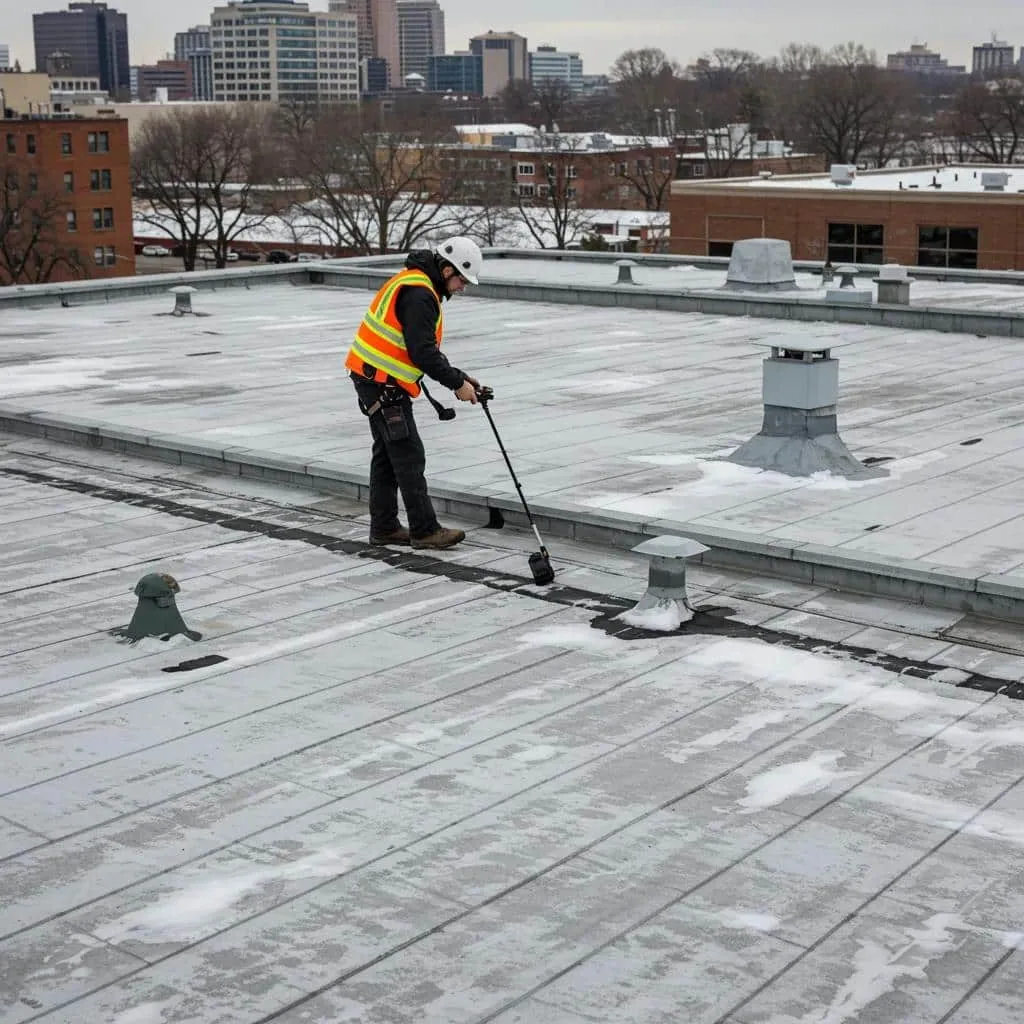
A useful entry names the roof area, describes what was observed, and gives the owner a next action. We record open or deteriorated seams, flashing separation, punctures, ponding, blocked drainage, edge movement, and penetrations that merit attention. Photos show the detail from a useful distance and close enough to identify the condition. If access was limited or a surface could not be evaluated safely, that boundary belongs in the record so the reader understands what the inspection did and did not reach.
We pair each observation with a priority and an appropriate scope: monitor, maintain, repair, or investigate further. That does not make a visual review a substitute for destructive testing or engineering. It gives a facility manager a traceable way to decide what happens next. Where moisture below the membrane could change the scope, an infrared moisture survey may help identify areas for follow-up. The owner can then compare those results with leak history, interior conditions, and prior work orders rather than relying on memory alone.
How does the record fit active buildings?
Maintenance windows are different for a distribution operation, a food-support building, and an occupied office. Before roof access, we account for the site’s check-in process, equipment routes, tenant activity, and any production or receiving schedule the owner provides. Roof work can affect loading, rooftop service, or interior protection even when the repair itself is small. Recording those constraints next to the roof condition helps the next visit start with a workable access plan.
Salinas rainfall is concentrated in the cool season, while the NOAA normal for June through September is very dry. Summer mornings can bring fog and low cloud cover across the Salinas Valley. These are scheduling considerations, not a diagnosis of a specific roof. We document current conditions at the building and plan the inspection or repair sequence around the actual surface, access window, and forecast. If a leak requires immediate attention, our emergency roof repair response is available around the clock, including weekends and holidays.
How can owners use the record to set priorities?
Start with conditions that can admit water or worsen with delay, then separate them from routine housekeeping and longer-range planning. An active leak, open flashing, or damaged drain detail may need prompt action. A surface issue with no sign of movement may be scheduled differently after its extent is checked. The record should show why an item sits in one group and what evidence would change its priority.
For a roof approaching a larger decision, we compare repair, coating, recover, and replacement scopes where the assembly and condition make those options reasonable. Existing moisture, attachment, deck condition, drainage, curb details, and local code requirements can change the answer. We do not infer remaining service life from a photograph or portfolio label. An owner can review a capital plan alongside the condition record, then decide whether to fund a repair now, gather more information, or schedule a replacement study.
What should happen after a repair?
Close the loop while the work is still clear. We update the roof zone, document the repaired detail, record materials used when they are known, and flag any adjacent condition that remains open. The record should distinguish a completed repair from an item that was inspected but not included in the scope. That distinction helps a new facility manager avoid repeating an inspection simply because a work order lacks a useful closeout.
For a larger property set, owners can compare condition records by building without flattening every roof into one rating. A drain issue at one building should not make another roof appear poor, and a strong overall rating should not hide one urgent penetration. We can also pair the record with written roof condition reports. A scheduled review at a site such as the Salinas Business Park can use the same roof-zone names in its inspection records, repair closeout, and next maintenance visit. That continuity lets an owner compare what changed without confusing a completed task with a new recommendation.
Questions Owners Ask
What should a multi-building roof record include?
For each building, we record the roof areas reached, the assembly when it can be identified, visible conditions, photos, priority, and recommended next step. Access limits and operating constraints belong there too. That lets the owner compare properties without assuming their roofs are the same.
Can the records help with annual maintenance planning?
Yes. We separate active repairs from recurring maintenance and items that need further testing. An owner can then schedule drain clearing, detail repairs, or another inspection before the cool-season rainfall, while keeping larger replacement decisions in a separate planning window.
How do you keep one inspection from overstating a roof’s condition?
We tie each rating to visible evidence and identify areas that were not reached or need additional testing. A condition record is not a warranty of future performance. It is a dated account of what we observed and what decision that evidence supports.
Can repair history be carried into the next review?
When the owner provides prior reports or work orders, we can compare them with current observations and record what changed. We keep completed work separate from open recommendations, so the next review does not treat an old repair as a current defect.
How do you start a portfolio review in Salinas?
We begin with the building list, available roof records, known leak areas, and access needs. Then we set an inspection sequence that fits the sites and operating hours, perform hands-on reviews, and organize findings by property and roof zone. Call to arrange the first review.
Related Roofing Work
Put each roof on a clear record
Arrange a Salinas portfolio review around building access, tenant needs, and operating hours. We will document observed conditions and organize the next steps by roof area.