
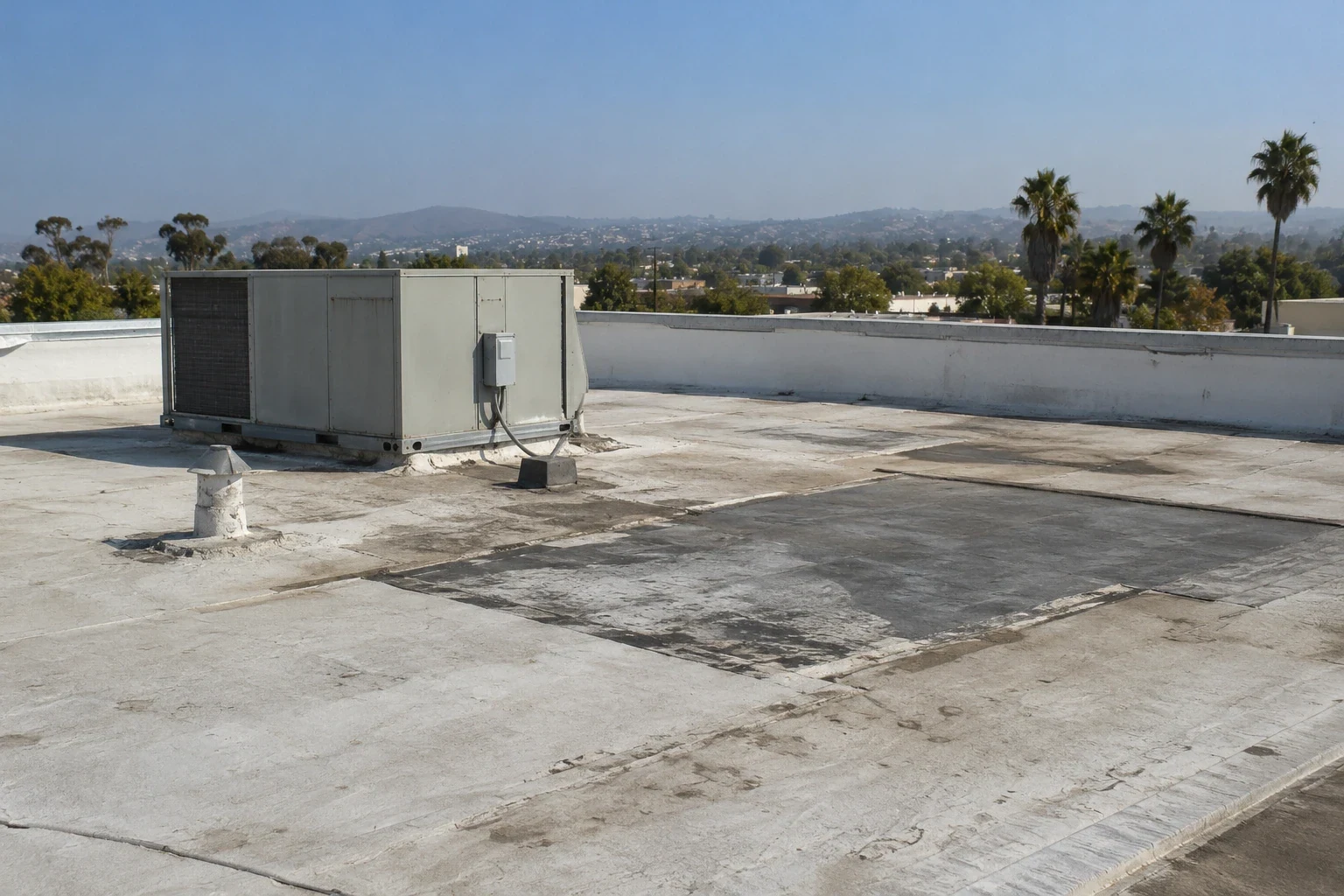
Commercial Roof Repair in Salinas, CA
Repair commercial roofing in Salinas, CA with a scope tied to the failed detail, compatible materials, drainage, and safe building access.
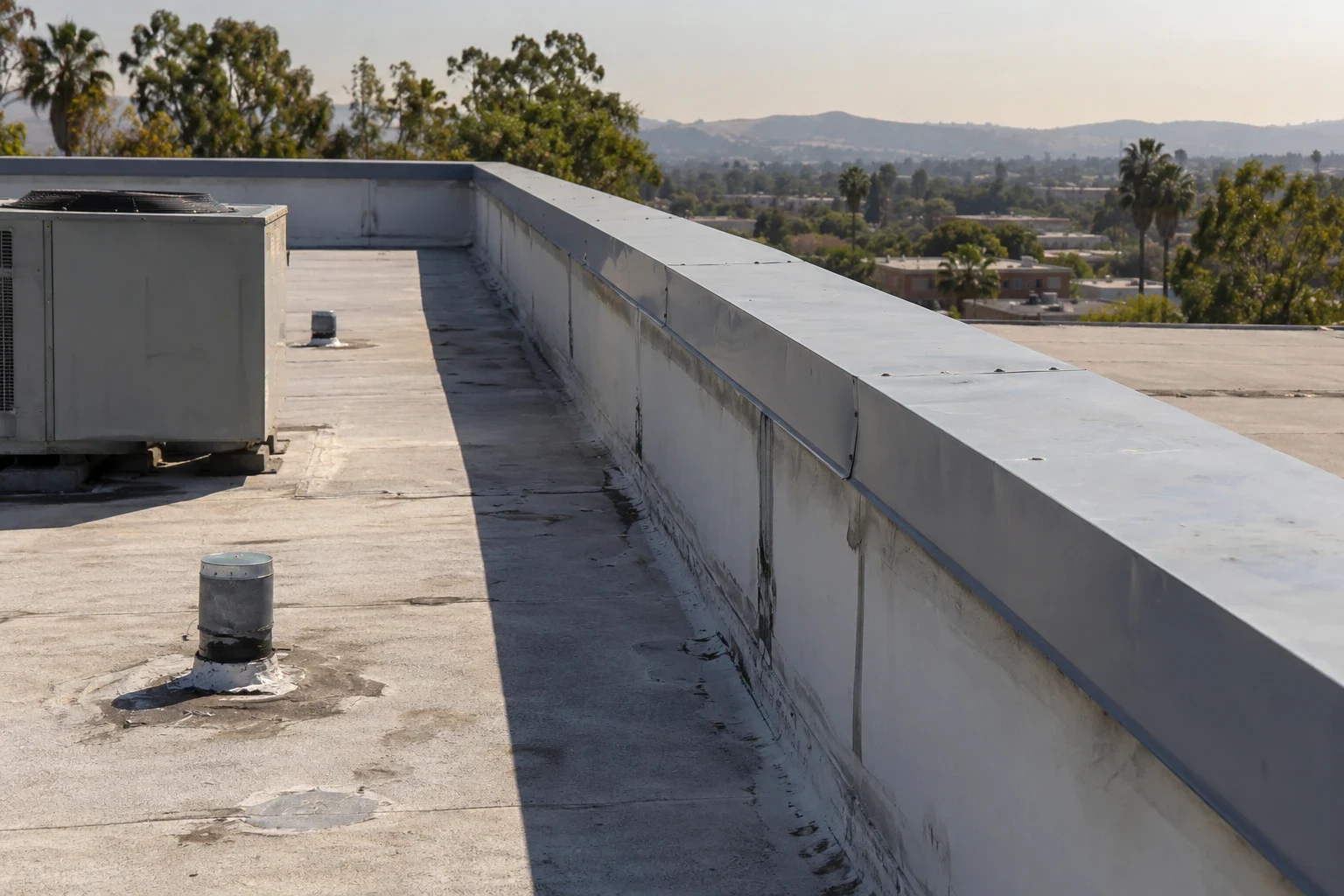
Overview
A seam that fails twice deserves a closer look at how the roof moves, drains, and meets nearby equipment. Commercial roof repair in Salinas starts with the reported problem, then checks the surrounding membrane, flashing, and attachment so the repair addresses the detail that is actually open. We explain what can be repaired locally, what needs monitoring, and what evidence would justify a broader scope.
At an occupied warehouse, office, or agricultural-support building, repair work has to fit access rules and the activities below the roof. We coordinate the work zone and surface preparation with the property contact, protect the interior where needed, and record the completed detail. A defined repair plan can help stabilize a roof while the owner evaluates larger capital work.

What is failing, and how far does it extend?
A roof repair should begin with a clear description of the defect: open lap, puncture, loose perimeter metal, split flashing, failed sealant, damaged curb, or blocked drain. We inspect nearby materials because a visible opening may be one part of a wider failure. The repair boundary should reach sound, compatible material and avoid leaving a loose edge or concealed water path behind the new patch.
We look for movement, foot traffic, equipment service, previous repairs, and drainage conditions that may contribute to the failure. A patch across a seam that continues to move can open again. A pipe flashing may need replacement rather than a fresh bead over aged sealant. A drain repair may require clearing and rebuilding the surrounding membrane detail, not simply removing debris.
Which repair method fits the roof?
Material compatibility is central to a durable repair. TPO and PVC membranes use heat-welded seams and compatible flashing components, while EPDM repairs typically require different cleaners, primers, tapes, or adhesives. Modified bitumen and built-up roofing have their own preparation and patch details. We identify the roof system where possible and select materials and methods that bond or weld correctly to the existing surface.
Surface preparation takes time but determines whether a patch can hold. We remove loose material, clean contamination, dry the repair area when conditions allow, and establish a sound perimeter. At corners, curbs, and wall transitions, the repair must continue through the change in plane. A bead over an open seam may hide the defect without rebuilding its water-shedding detail.
For metal roofs, fasteners, seams, laps, and movement at penetrations require a different inspection than a membrane field. Coatings may help where the existing roof is suitable, but coating over a wet or loose assembly can trap a problem. Our TPO membrane work and EPDM repair methods depend on the confirmed assembly and scope.
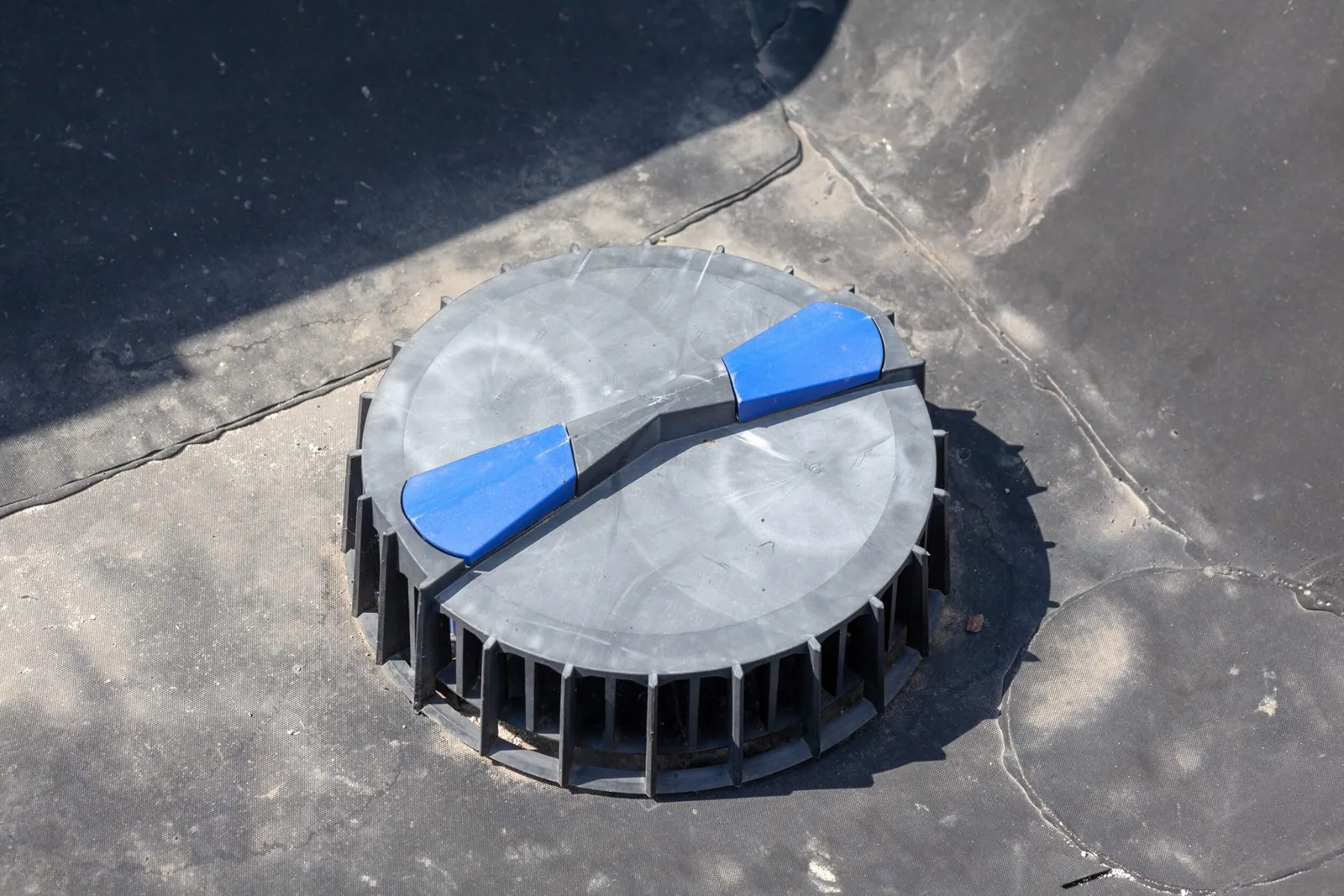
How should the repair fit the property?
The building use influences where a crew can work and what needs protection. A repair above a loading area may need a temporary exclusion zone. An equipment curb near exhaust or refrigeration service lines can require coordination with the maintenance team. We confirm roof access, interior conditions, equipment shutdown needs, and tenant notification before committing to a sequence.
Business districts near Airport Boulevard and U.S. 101, with employment corridors through Alisal and North Main Street, include warehousing, distribution, agricultural processing, and other commercial uses. A building in Alisal and East Salinas may have different access and equipment constraints than one at the Airport Industrial Park, so we use the customer’s site information to shape the work plan.
Where the roof is above occupied space, the team should know which rooms or inventory need protection and when noise will be disruptive. We establish who can approve a change if removal reveals wet insulation or deteriorated deck. That approval path prevents a small repair from becoming an unreviewed extra scope while still allowing the building to be secured if conditions require it.
When can materials be installed?
A repair needs a suitable surface and a workable forecast. Salinas’ normal precipitation is concentrated in the cool season, while its summer months are typically very dry. Summer fog and low cloud cover can still leave a roof damp in the morning. We check the actual surface before welding, applying adhesive, or installing a coating and schedule work when material instructions and site conditions support proper preparation.
If rain is expected, the crew needs to finish or protect the repair boundary before leaving. A temporary cover can reduce exposure, but it is not the same as completing a permanent detail. Wind can affect material handling and roof access, while a wet surface can prevent a reliable bond. We state what can be completed on the visit and what depends on a return under suitable conditions.
Weather history may matter when documenting a reported event, but a repair inspection records visible conditions rather than assigning a cause without evidence. We photograph displaced metal, open seams, punctures, and other findings, then separate observed damage from the owner’s report of when it began. That record can support maintenance decisions and preserve useful facts if a claim review follows.
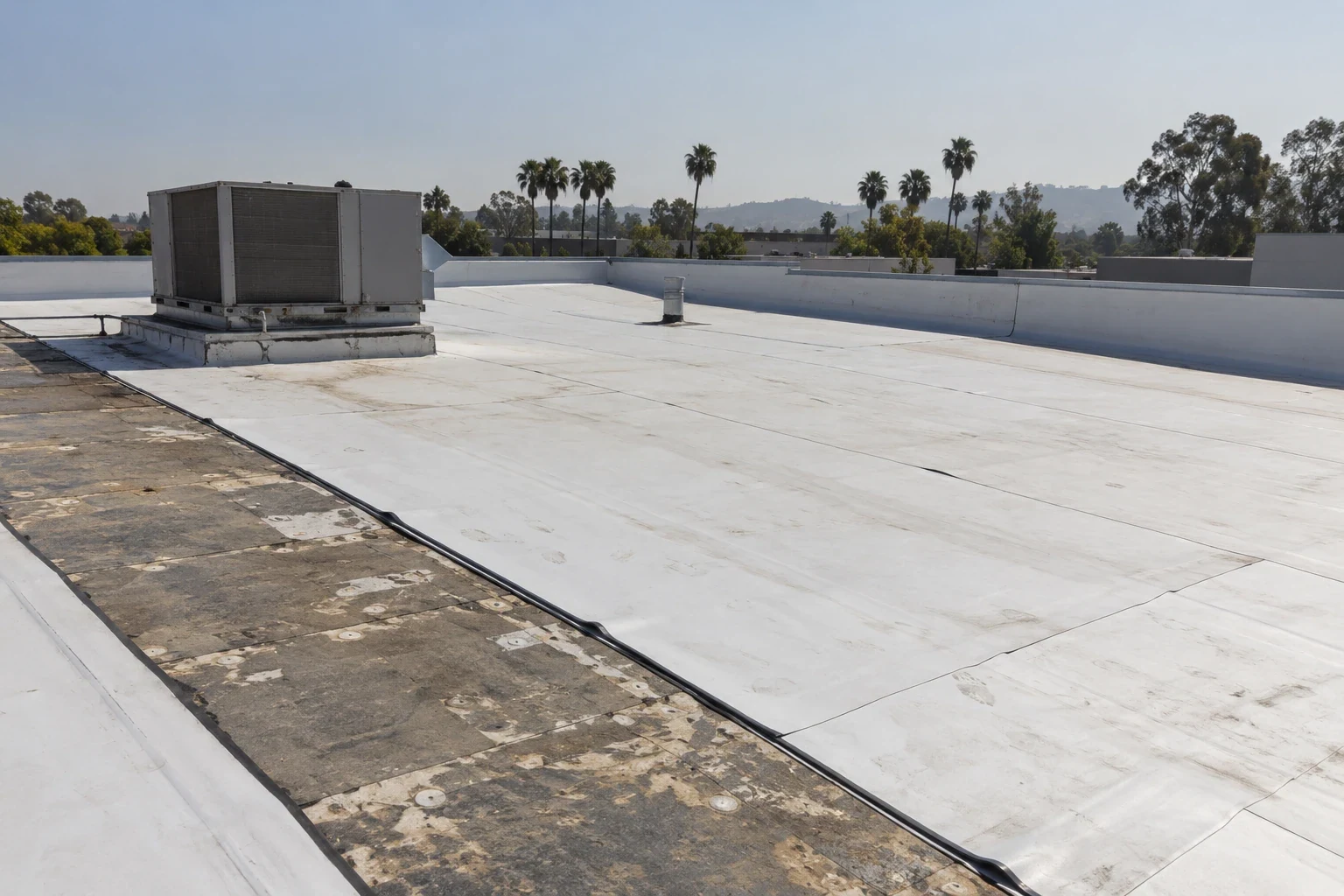
What makes a repair scope useful?
A clear repair scope identifies the roof zone, defect, preparation, material, repair boundary, and any related work. It also says what is outside the scope. If moisture testing, deck replacement, drain correction, or equipment coordination may be needed, we identify those items separately rather than burying them inside a general repair allowance.
Where hidden conditions are likely, the owner should know how the crew will report them and who can approve added work. Photos before and after repair make the record easier to compare at the next inspection. If the defect is one of several recurring concerns, a full roof inspection may be appropriate to prioritize the remaining maintenance rather than calling each visible problem a separate emergency.
Some conditions remain repairable while a building plans a future project. Others indicate that repeated patching is no longer the prudent choice. We explain the difference using observed failure patterns, repair history, and the condition of the surrounding system. A written replacement assessment can compare the cost and disruption drivers against continued localized work.
What happens after the repair?
After the work, we record the completed detail and record adjacent areas that were not repaired. The property contact receives a clear account of the roof zone, material used, surface conditions, and any remaining concern. If a repair was temporary, the record says what follow-up is needed and how to identify the protected area.
Owners can use those records to build a maintenance program that checks the details most likely to affect the building, such as drains, seams, and rooftop equipment flashings. A consistent roof map helps compare photographs and identify whether a prior repair remains stable. That is particularly useful across multiple roof sections where one condition may not represent the entire property.
Questions Owners Ask
Can a roof leak be repaired without replacing the entire roof?
Often, when the failure is limited and the surrounding assembly is sound. We inspect the nearby seams and transitions, review repeat repairs, and explain whether the defect can be isolated. Broad moisture or repeated failures in multiple zones may support a larger plan instead.
Why does a previous patch keep opening?
The patch may not have reached sound material, may be incompatible with the membrane, or may sit across a moving detail. We inspect the repair edge and surrounding assembly, then choose a method that rebuilds the actual seam, flashing, or transition involved.
Can you repair the roof during our operating hours?
The repair can often be sequenced around operations if access, noise, protection, and weather cooperate. We confirm loading activity, sensitive rooms, roof access, and any equipment restrictions with the site contact before setting the work window.
How do we know whether a repair is permanent?
The scope should distinguish a completed compatible repair from temporary dry-in and state any limits that remain. We document the material, location, and surrounding condition, then record whether monitoring or a return inspection is recommended.
Related Roofing Work
Repair the detail, record the roof condition
Share the leak history, building use, and access requirements. We will inspect the affected roof area, identify the repair boundary, and document the work and any next-step concerns.