Distribution Center Roofing in Salinas, CA
Plan distribution center roofing in Salinas around dock activity, drainage, equipment access, inventory protection, and roof condition.
Overview
A distribution center roof protects a building where receiving, storage, sorting, and outbound shipments may run on tight schedules. A leak above a dock or conveyor can interrupt more than one part of the operation. We inspect the roof assembly, trace water paths, and map work zones before recommending repair, maintenance, or replacement. For a Salinas property, the actual roof design and site schedule determine how crews can reach the work without putting receiving or inventory at risk.
Most normal rainfall in Salinas comes during the cooler months, while summer is typically much drier. That seasonal pattern helps frame drain checks and project timing. The roof’s own history and condition still determine the scope: we examine seams, flashings, drains, equipment curbs, and interior reports together.
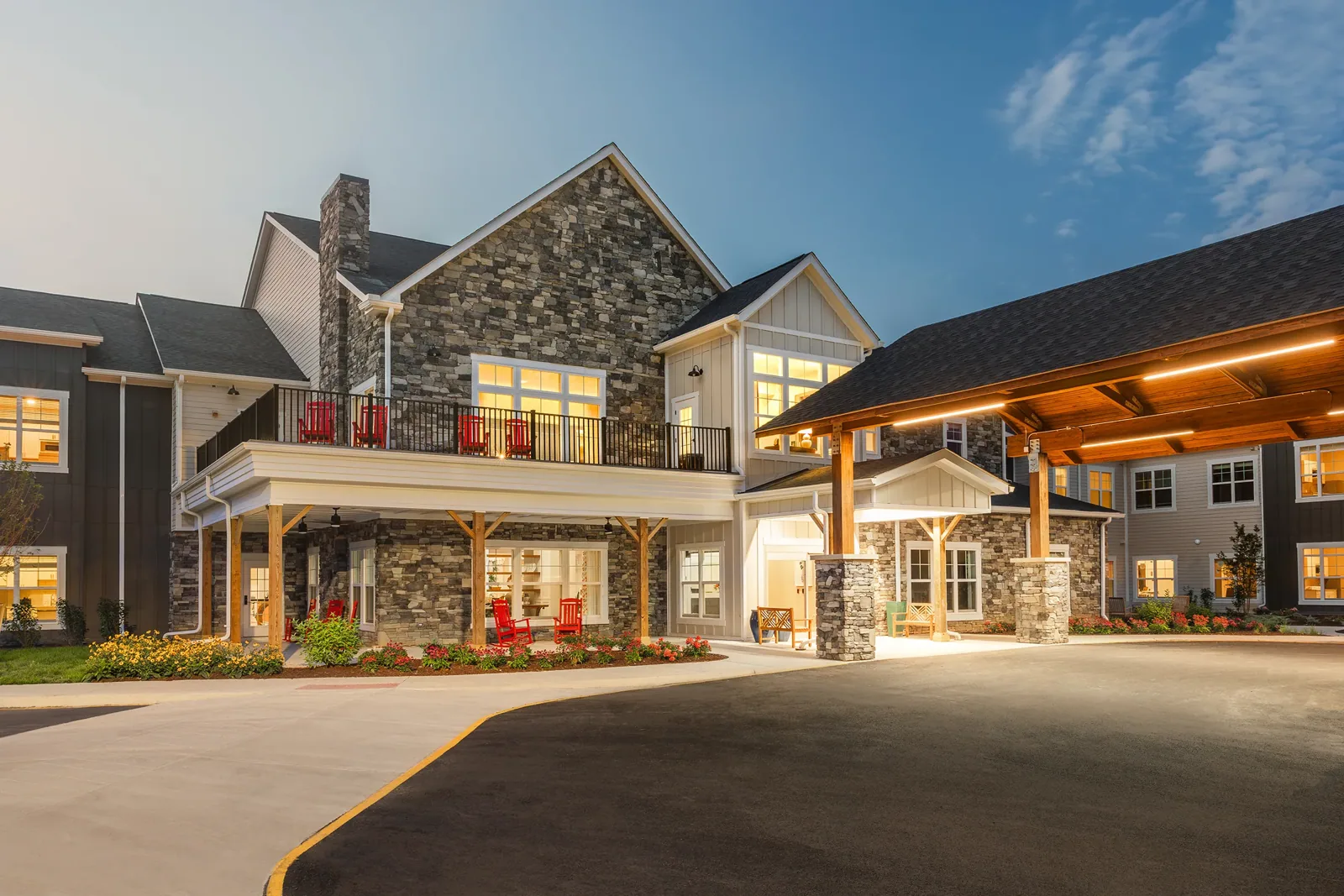
How does distribution work change the roof plan?
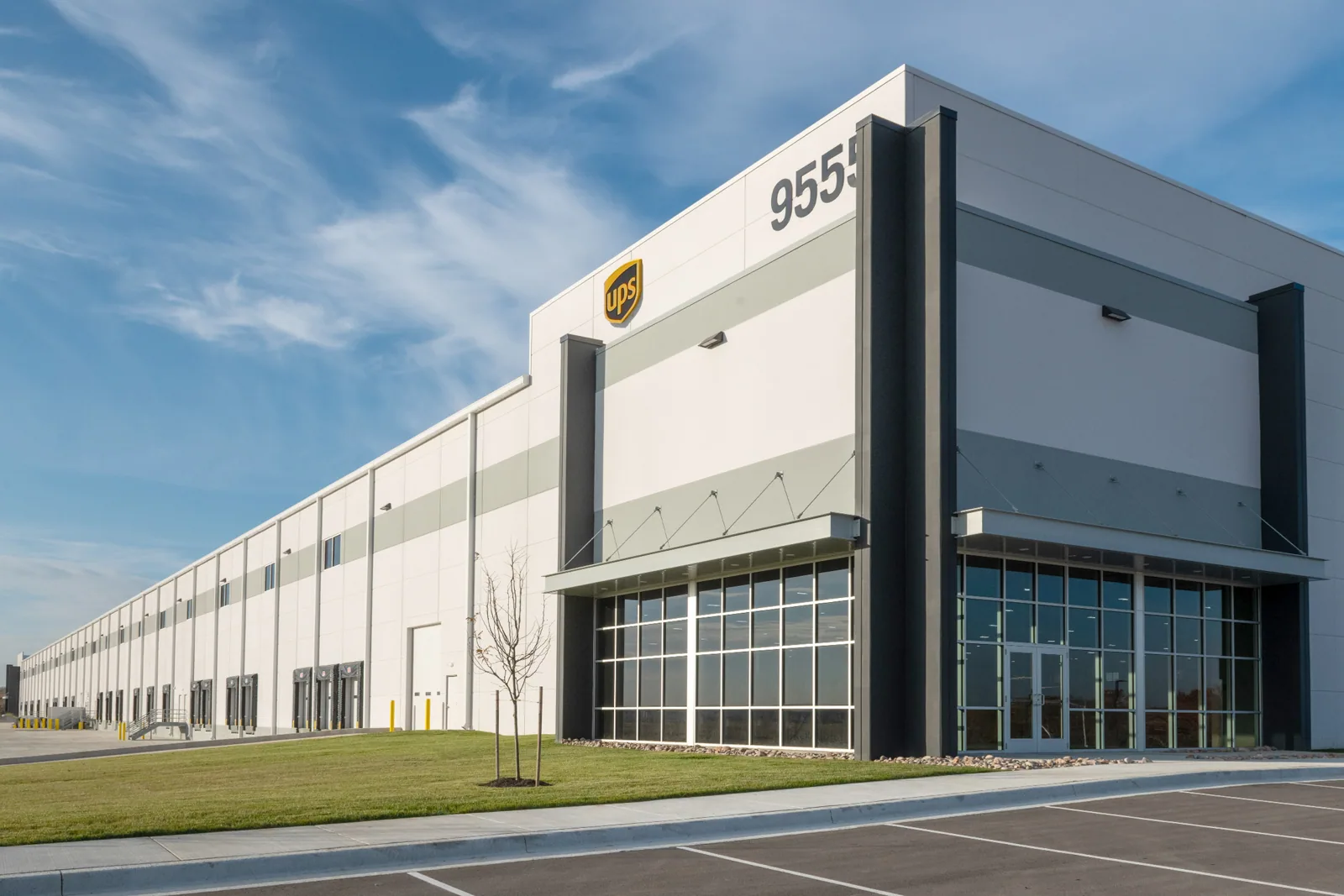
Distribution buildings often have loading canopies, high-bay storage, office areas, conveyor penetrations, and rooftop equipment. Each can have a different exposure to access, heat, moisture, or service traffic. We identify which roof areas sit above sensitive inventory and which routes must remain available to maintenance personnel. A leak map tied to building zones gives the facility team a practical way to connect roof work with the affected operation.
Salinas includes Salinas Business Park and Alisal and East Salinas among commercial or industrial areas. Distribution operations in those districts can still differ by property, so we confirm the actual use, receiving schedule, and roof access with the facility contact instead of inferring them from the location. At a building in Alisal and East Salinas, the site team can flag dock peaks and sensitive inventory areas before a work sequence is set. Roof assemblies vary too: TPO, PVC, EPDM, modified bitumen, built-up, and metal systems each need compatible repair methods. An industrial warehouse roof review or a manufacturing building plan may address related operating concerns, but every facility gets its own roof map and scope.
What should happen when water reaches inventory?
The first step is to protect people, stock, electrical equipment, and moving systems below the affected area. The facility team can record where water appears, when it started, and whether it follows a change in weather or equipment service. We inspect the roof above and around that zone, following drains, curbs, seams, and wall transitions that could feed the leak. Water may travel along the deck before reaching the visible stain, so the leak point and roof opening may be separated.
A temporary measure can limit exposure while the roof is wet or unsafe to reach. Once conditions allow, we make a permanent repair with materials compatible with the installed system and document the boundary. Repeated leaks in separate aisles may indicate broader moisture or drainage concerns. Leak repair can address an identified opening; moisture investigation can help locate suspect insulation where the roof assembly and conditions make testing useful.
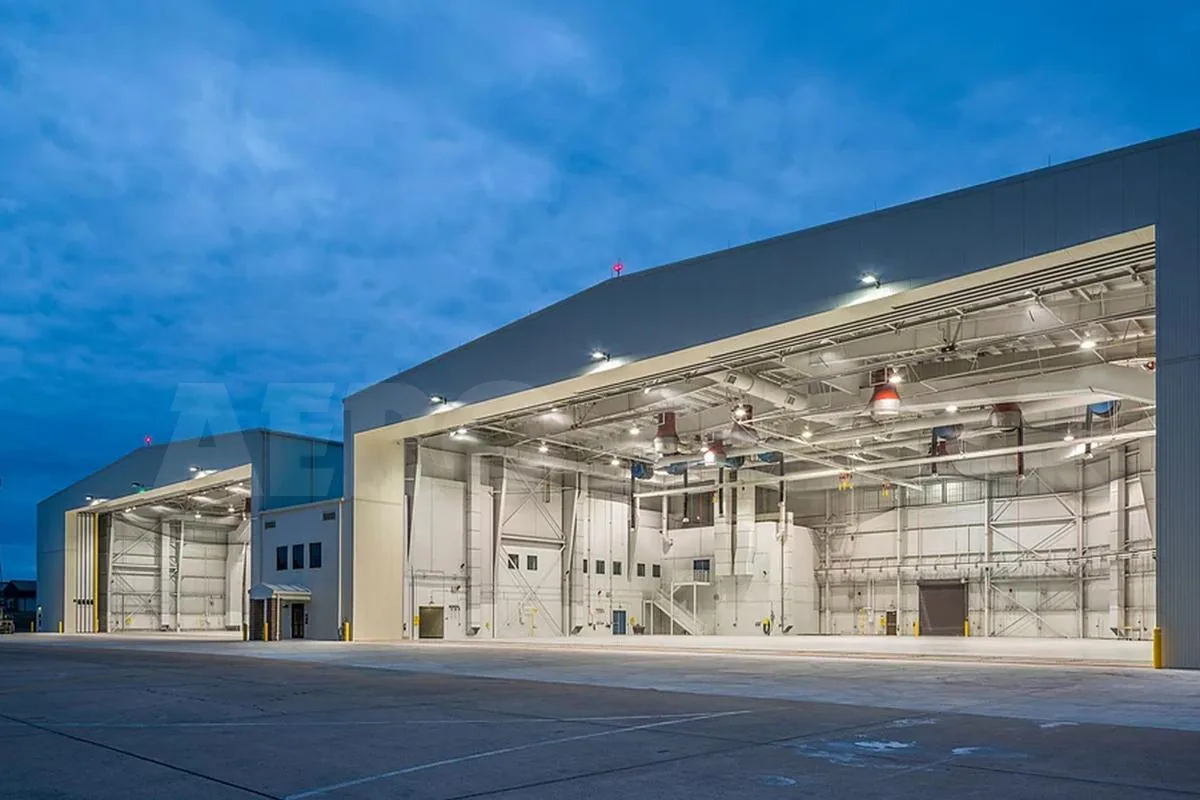
How can crews work around dock schedules?
Material delivery, lifts, ladders, and roof access can conflict with truck movements. Before work begins, we confirm dock peaks, one-way routes, emergency access, and any time windows when a lane must stay open. A ground-level exclusion zone below the work needs to protect employees and visitors without closing more of the facility than necessary. The site contact should know when a restriction starts and when it can be removed.
Roof work can be divided into zones so crews and warehouse staff can see which areas are open, protected, or complete. Each day ends with a check of temporary dry-in, drains, exposed edges, and access barriers. If removal finds damaged deck or wet insulation, the owner needs a defined approval path before the scope grows. Occupied-building reroof coordination aligns those decisions with shift schedules and the facility’s operating priorities.
Why are outlets important on a broad roof?
A large roof can feed a considerable area toward each drain or scupper. Debris, packaging, granules, and work residue can reduce flow, while a failed membrane connection can leak even when the outlet is clear. We map the contributing roof zones and inspect the primary outlet, overflow path, and surrounding flashing. If water remains after ordinary drainage time, we check slope and deck behavior before assuming a simple blockage.
Salinas receives much of its normal rain in the cool season. Before that period, facility teams can review outlets and repairs across the roof, including areas behind equipment and near loading-side edges. Drain and scupper repair should restore an uninterrupted path from the roof surface to the outlet. If slope changes are required, the scope should say how insulation, curb heights, and overflow details will change rather than promising that a coating or patch will remove ponding.
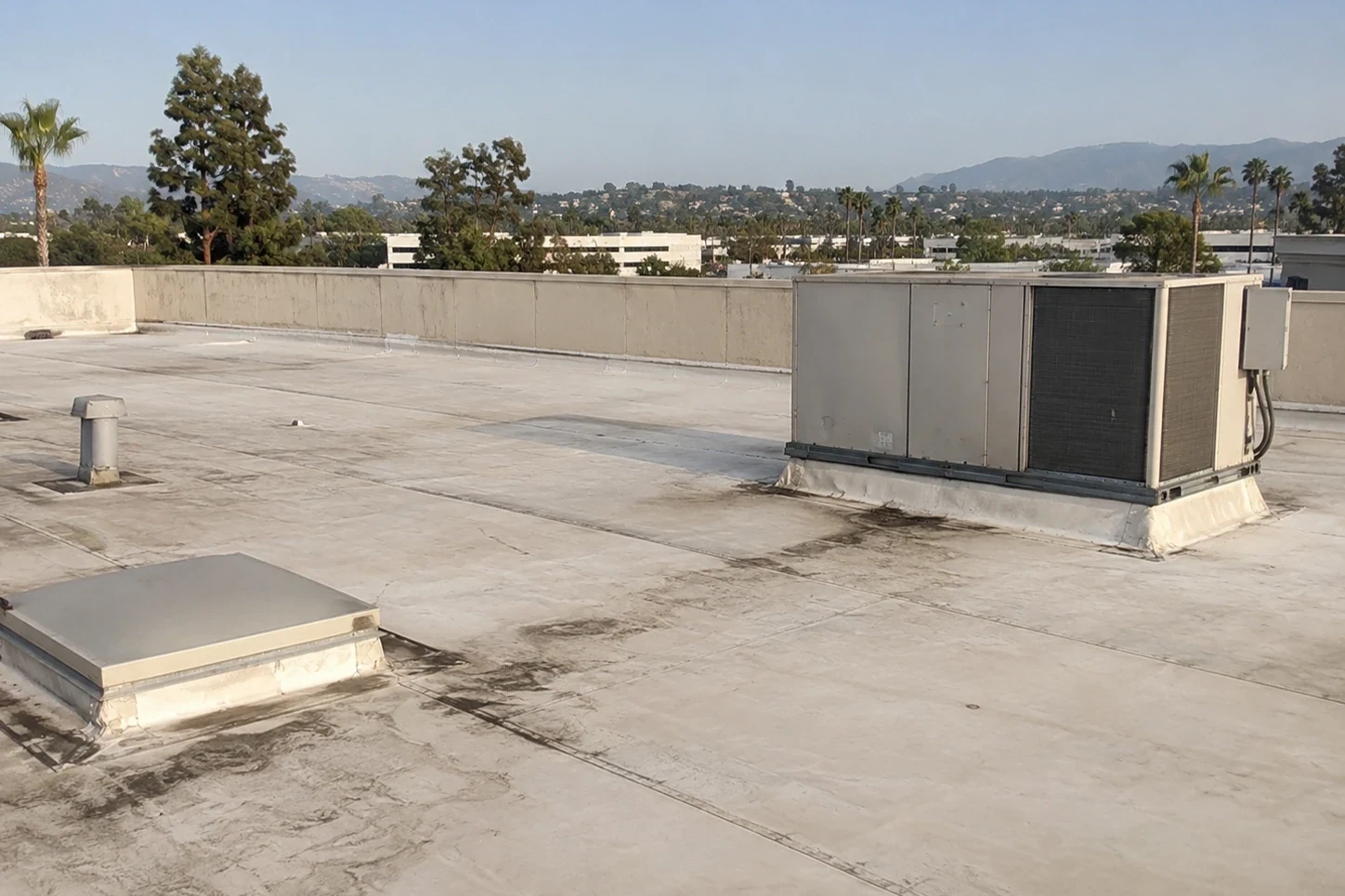
How should equipment service be coordinated?
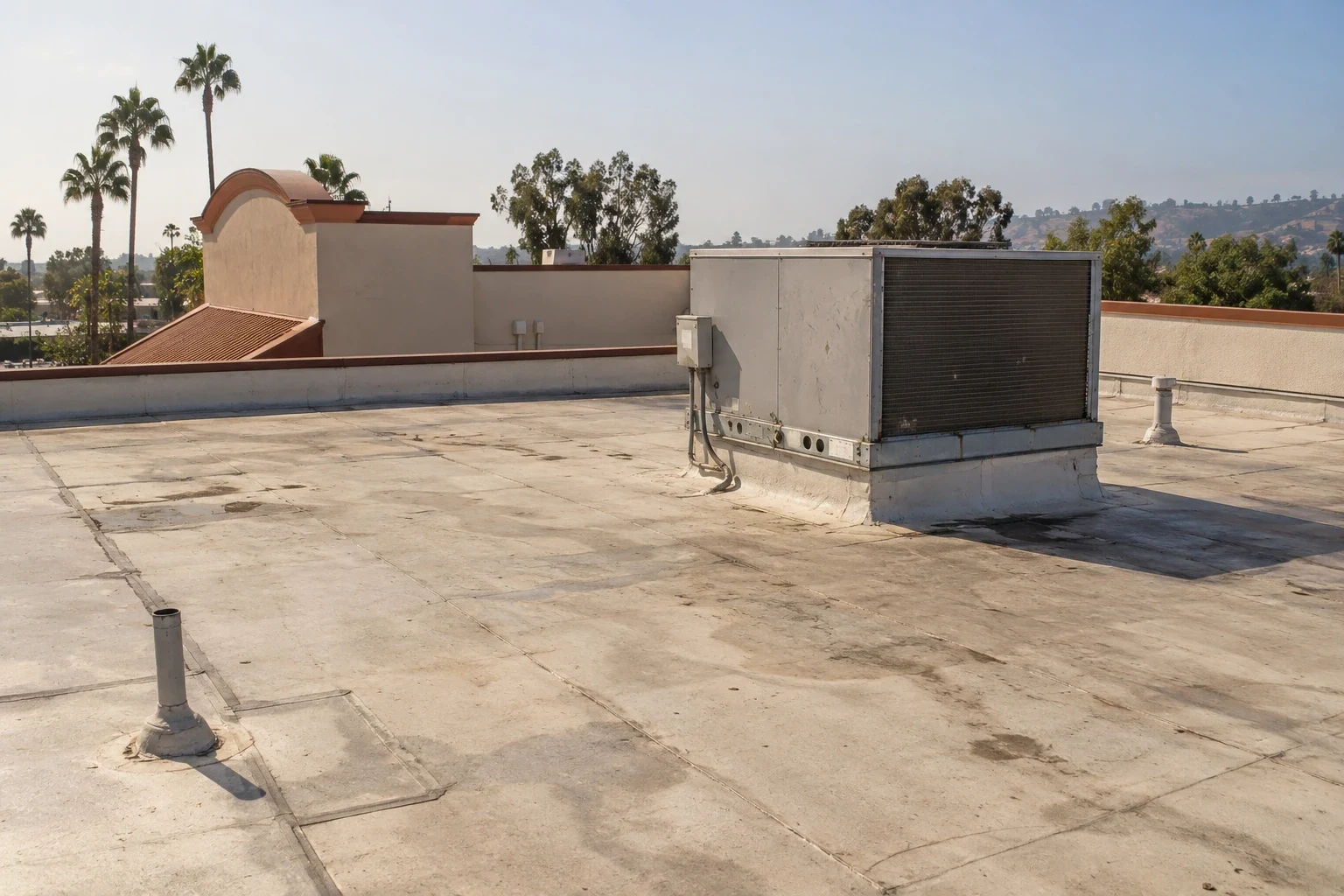
Distribution roofs often have HVAC units, exhaust, antennas, or other equipment that trades revisit. Roof walk paths help protect the membrane, and the curb flashing must remain accessible for inspection. We look for unsupported pipe runs, open corners, damaged sealant, and patches disturbed during service. If a unit is being replaced, the roofer should review the curb height and roof connection before the equipment contractor sets the new unit.
Work should be coordinated so equipment remains protected and roof penetrations are not left open at shift end. We identify who handles disconnects, lifts, temporary covers, and final flashing. Curb and equipment support work can be scoped with the mechanical plan. After another trade finishes, a follow-up roof check can confirm seams and flashings along its route before the operation resumes normal service.
When should the roof move beyond patching?
Repairs can be effective when a defect is localized and the surrounding assembly remains sound. Widespread moisture, recurring leaks at multiple docks, deteriorated perimeter details, or failed seams across several zones may require a broader evaluation. We inspect representative areas, review the repair history, and identify testing that could change the recommendation. A replacement scope should address tear-off, deck condition, insulation, drainage, equipment transitions, and protection for stored goods.
A roof record organized by zone can help the owner see whether issues are isolated or spreading. Preventive maintenance tracks drains and details, while a replacement assessment compares that evidence with a new system. The useful decision includes the operational effect of continued repairs, the work sequence, and the access or shutdown needs of a larger project. The report should identify which bays are affected and which can remain in normal use during each phase of the project and on each shift.
Questions Owners Ask
Can roof work happen while a distribution center is shipping orders?
Often, with a zone plan that protects the roof and ground work areas, preserves emergency routes, and coordinates dock access. We confirm shift and delivery schedules with the facility contact before setting the sequence.
What should we do if a roof leaks over a conveyor?
Protect the conveyor and nearby inventory, record where water appears, and arrange a roof inspection. We trace the likely entry detail, stabilize the affected area if needed, and document a permanent repair plan.
How do you protect inventory during reroofing?
The plan maps sensitive areas below each work zone, covers or relocates stock where needed, and closes roof sections at the end of each shift. We coordinate protection with the site team and identify weather contingencies.
How often should drains be checked on a distribution roof?
The schedule depends on debris, roof access, maintenance work, and weather. We check outlets and overflow paths as part of planned maintenance and recommend a review before Salinas’ cooler rainy season.
Related Roofing Work
Keep the roof plan tied to the shipping day
Share leak locations, dock schedules, equipment records, and sensitive inventory zones. We will inspect the roof and plan repairs or replacement around safe access and facility operations.