Commercial Roof Coating in Salinas, CA
Evaluate commercial roof coating in Salinas, CA after checking membrane condition, moisture, adhesion, drainage, and project requirements.
Overview
A coating can renew a roof surface only when the assembly beneath it is suitable. Before recommending restoration in Salinas, we inspect the existing membrane, repair history, moisture condition, drains, and flashing details. The owner needs to know where coating is appropriate, what repairs come first, and when a recover or replacement makes more sense.
Coatings may reduce surface exposure and add a maintainable layer, but they do not rebuild a wet or unstable roof. We define the work area, confirm preparation needs, and describe the performance limits of the selected product. That gives the facility team a scope tied to the building instead of a broad promise about extending roof life.
Is this roof a good candidate?
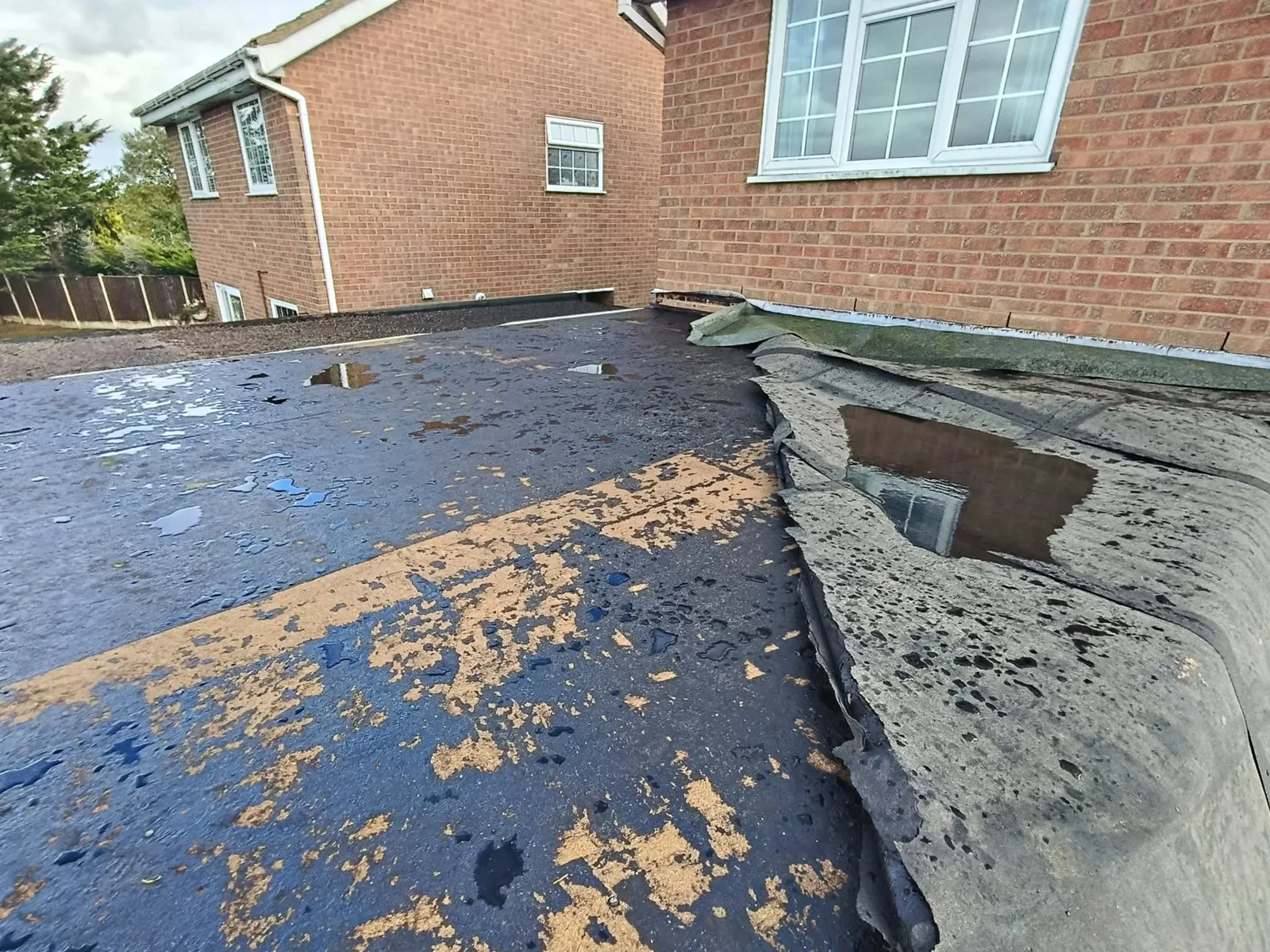
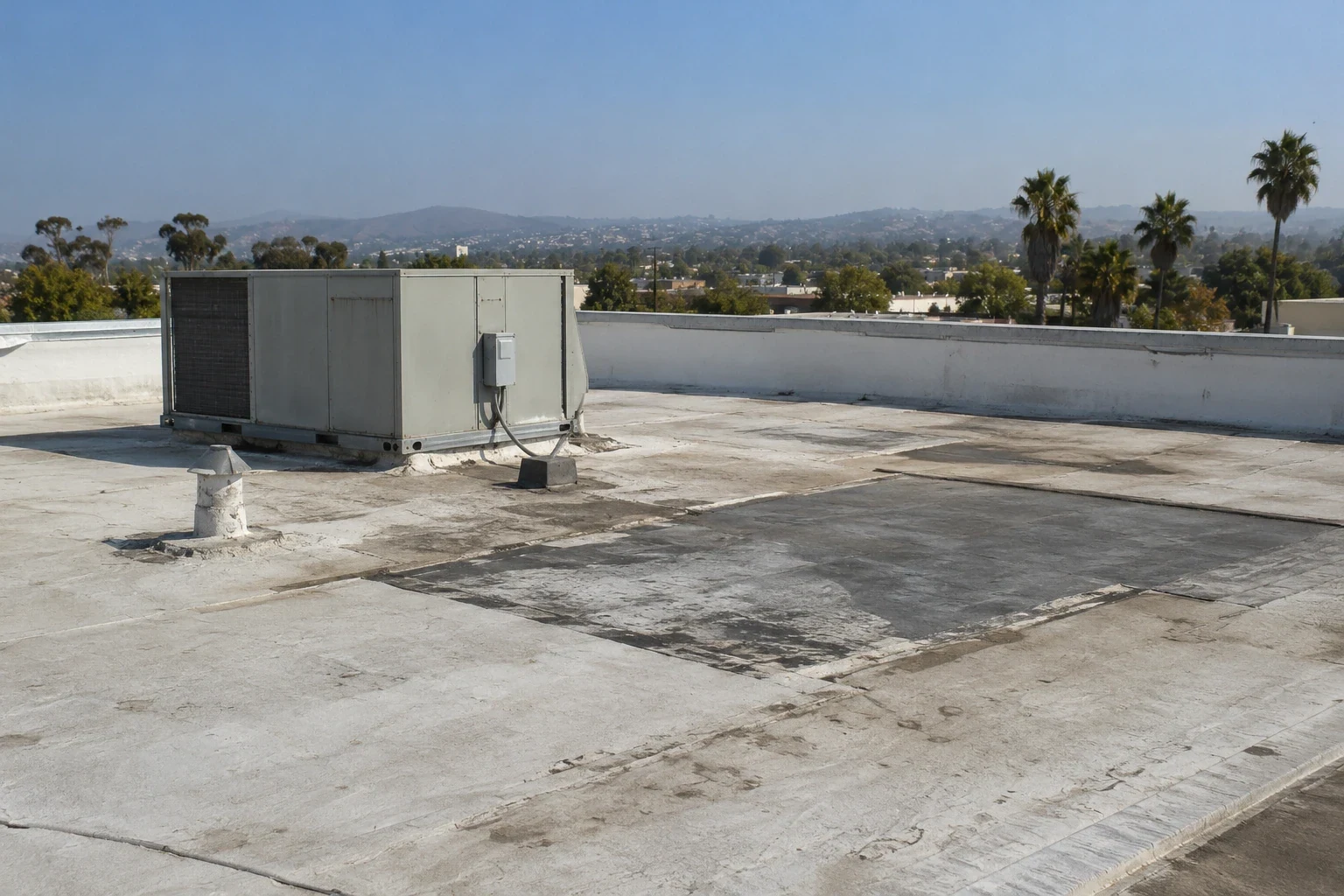
A coating candidate begins with a sound assembly. We look for loose membrane, open seams, wet insulation, deck concerns, blisters, ponding, deteriorated flashings, and repairs that will not bond to another layer. If moisture is suspected, a targeted survey or core sample can help determine whether the coating should proceed or whether damaged materials need removal first.
Surface preparation is specific to the existing roof. Dirt, oils, chalking, biological growth, old incompatible coating, and loose granules can prevent reliable adhesion. We identify areas requiring cleaning, priming, reinforcement, or repair and explain which conditions may add scope. A small adhesion test can help confirm compatibility, but the test area does not replace a review of all roof zones.
The roof plan should also account for the coating’s effect on drains, curbs, skylights, expansion joints, and equipment supports. If added thickness changes a water path or covers an existing termination, the detail needs to be addressed before application. The project should state how those transitions will be rebuilt rather than coating indiscriminately across them.
Which coating system fits the surface?
A silicone coating and an acrylic coating have different strengths and limitations. Choice depends on the existing material, ponding conditions, substrate preparation, expected exposure, and product requirements. A coating is not a generic finish that can be applied over every roof type. We confirm the assembly and recommend a system only when its application requirements fit the building.
Application begins with a clean, dry, prepared surface. Seams, penetrations, drains, edge transitions, and other details may need reinforcement or separate repair before the field coating. Coverage thickness, curing, and weather limits follow the selected manufacturer’s instructions. We describe the scope so the owner can see which roof zones are included and how the details are treated.
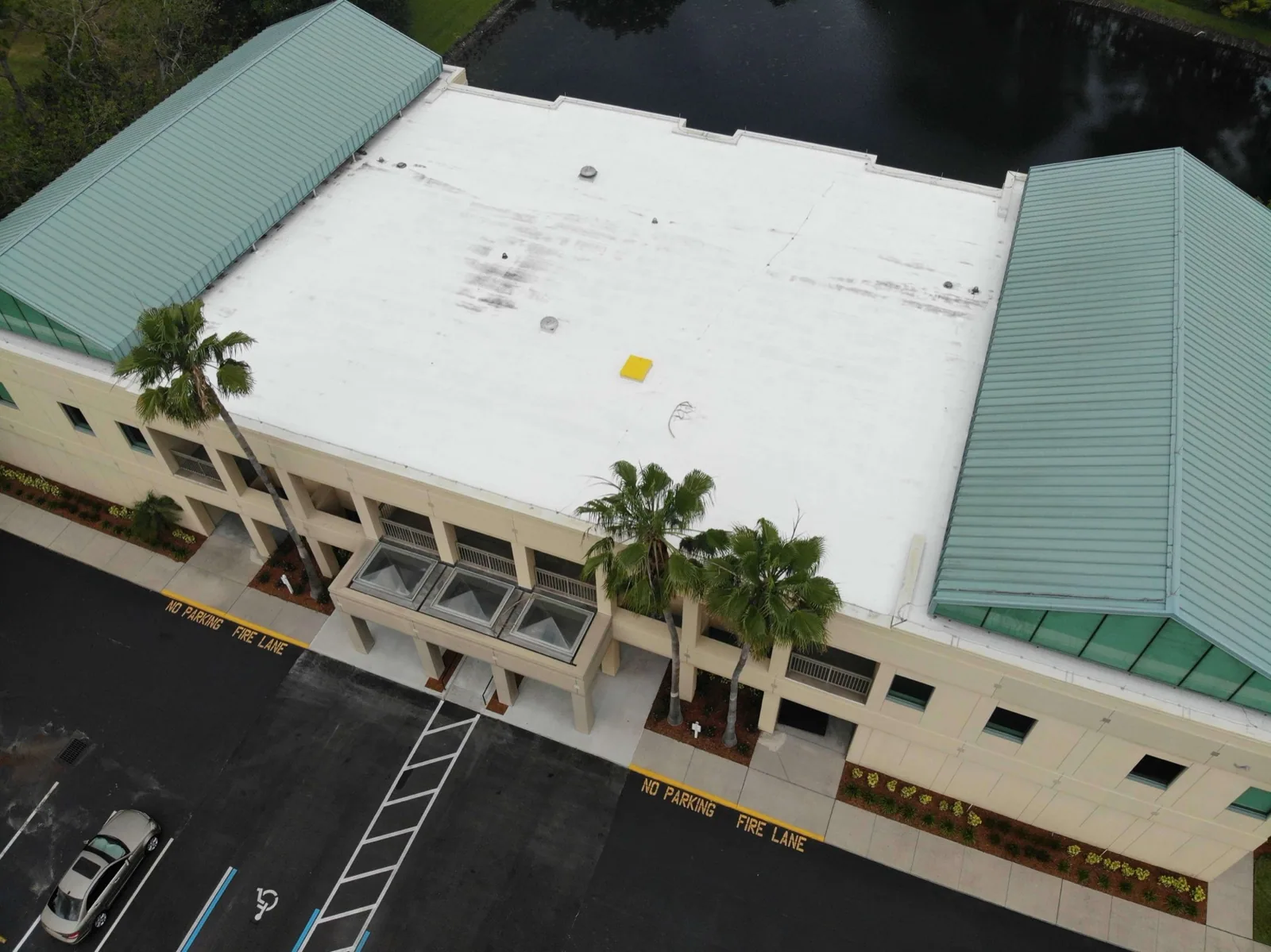
Coating color can affect reflectance, and a reflective surface may be considered where it fits the roof and project goals. It does not compensate for failed insulation, poor drainage, or unsealed penetrations. We separate energy or maintenance objectives from the condition work required to make the coating assembly appropriate.

What repairs come before application?
Preparation may include removing loose material, cleaning, correcting open seams, rebuilding flashing edges, and addressing penetrations. Wet insulation or deteriorated deck requires a different scope than surface preparation. We mark where repairs are planned, what testing is proposed, and how hidden conditions will be handled if the crew finds them after work begins.
A roof with recurring ponding needs careful review. Some products tolerate standing water differently from others, and ponding can also point to a drainage or structural condition outside the coating’s role. We inspect drains and scuppers, assess the flow path, and explain whether local correction or a broader drainage design is needed before restoring the surface.
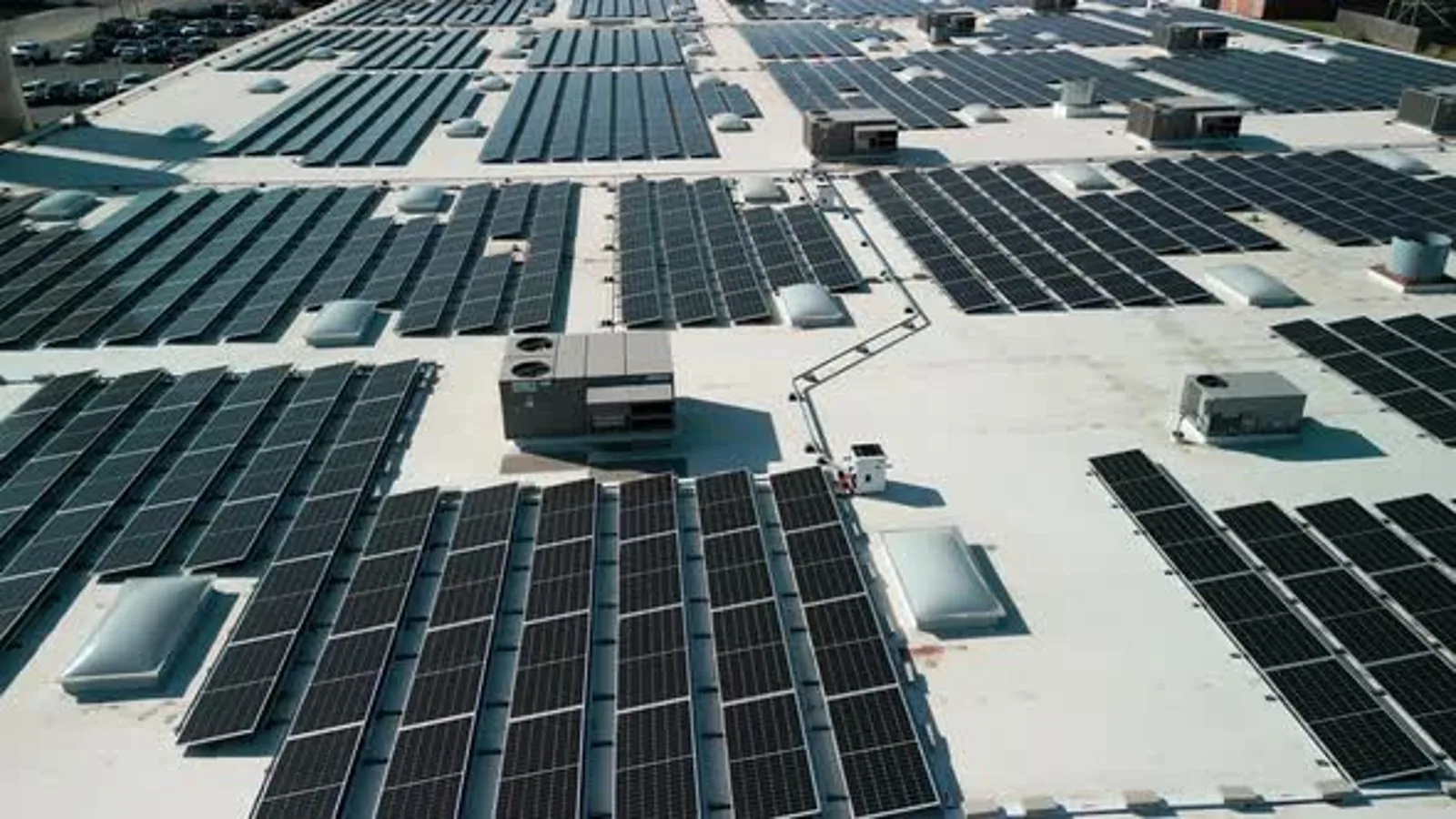
Where equipment or another trade has modified the roof, the repair boundary should include the new penetration and related flashing. The owner can coordinate HVAC, electrical, or solar work before the coating sequence starts. That avoids having a finished area cut open without an agreed repair detail.
When can the roof be coated?
Surface moisture, temperature, wind, and expected rain determine whether coating can be applied and cured under product requirements. Salinas has a long dry summer season in its climate normals, yet summer fog and low cloud can leave an early surface damp. The crew checks the roof itself and follows the selected product’s conditions rather than using the calendar as a substitute for a surface test.
Most normal rain arrives in the cooler months. A coating project scheduled during that period needs a workable forecast and enough time to prepare and finish each section before moisture returns. We phase work so open repairs and coated areas have appropriate protection at the end of the shift. If the conditions change, the sequence may need to pause.
At occupied properties, work timing also depends on access, staging, odor, and areas below the roof. We coordinate material deliveries and roof access with the facility contact. For a work window at the Airport Industrial Park or Salinas Ag-Industrial Center, truck routes and receiving schedules may affect staging; the property team identifies constraints for its site. The agricultural and packing activity in Gonzales and Castroville makes receiving schedules a practical part of roof planning, though each facility sets its own work window.
When is replacement the better plan?
Replacement or selective tear-off should be compared when the roof has widespread moisture, unstable layers, severe drainage problems, repeated seam failures, or an unsuitable substrate. A coating may conceal those conditions without correcting them. We document the findings and show what the coating scope includes, what it leaves in place, and which additional work would be needed for a sound restoration.
If the roof is dry and stable but has localized defects, coating may be one option beside repairs or a recover. The owner should compare preparation, repairs, insulation, drainage changes, and access for future service. A condition inspection or moisture survey can help define that comparison.
For a roof that cannot support restoration, a replacement evaluation can set a clearer boundary and expose concealed layers. We explain the reason for each recommendation and provide the owner with a record that can support budgeting, approvals, and a planned construction sequence.
How should a restored surface be maintained?
Coated roofs still need routine checks. The facility team should track drains, seams, penetrations, roof traffic, repair edges, and areas where equipment work could disturb the surface. The maintenance schedule should follow the product requirements and the building’s access cycle, with extra attention after roof work or water intrusion.
Closeout records should identify product and application area, preparation and repair work, photographs of details, and any limits or maintenance requirements. The owner should retain the product documents with the roof plan. If another contractor later installs equipment, those records help explain how to restore the coating around new penetrations.
A maintenance plan can compare the same roof zones at future visits. If deterioration returns or moisture appears, the next inspection should determine whether the issue is limited to a detail or has reached the underlying assembly. That evidence guides repair, recoating, or replacement planning.
Questions Owners Ask
Can a coating be applied over any commercial roof?
No. The assembly must be sound, sufficiently dry, compatible with the selected product, and prepared to its requirements. We inspect seams, flashings, drains, and suspected wet areas before describing which roof zones qualify.
Will coating fix ponding water?
Not by itself. The roof’s drains, slope, and flow paths need review. If water stands because of a low area or obstructed outlet, drainage correction may be required before coating, and the proposed product must be appropriate for the conditions.
Can a coating extend the roof’s service life?
It may protect a suitable assembly when the substrate and details are sound and the product is applied as specified. The scope should state the existing condition, preparation, repair work, maintenance requirements, and limitations rather than promise a fixed extension.
What happens if wet insulation is found?
The affected material may need removal or another approved treatment before the coating proceeds. We document the location, confirm the finding with appropriate testing, and explain how the added work changes the boundary and schedule.
Related Roofing Work
Confirm coating suitability before pricing restoration
Share the roof type, prior repairs, leak history, drainage concerns, and operating schedule. We will inspect preparation needs and compare coating with other practical options.