
Infrared Roof Moisture Survey in Salinas, CA
Use infrared roof surveys in Salinas, CA to map temperature patterns, select confirmation samples, and plan repair or replacement scopes.

Overview
A warm area on a roof image can be a clue, but it is not a moisture diagnosis by itself. Infrared roof surveys compare surface temperature patterns that may help locate concealed wet insulation under suitable conditions. We plan the survey around the roof assembly and recent weather, then recommend confirmation where the result could change the repair or replacement scope.
For Salinas owners, the key is to turn an image into a decision. We map the areas examined, identify patterns that merit follow-up, and explain where core samples or another inspection method are needed. A survey should reduce uncertainty about selected roof zones, not imply that every square foot has been proven dry or wet.
What does infrared reveal?
Insulation and roof materials can release stored heat at different rates. Under favorable conditions, a thermal camera may show surface patterns associated with moisture below the membrane. Those patterns can help an inspector choose core locations and outline areas for closer review. The camera records temperature differences; a person interprets them with roof construction, weather, and visible observations in mind.
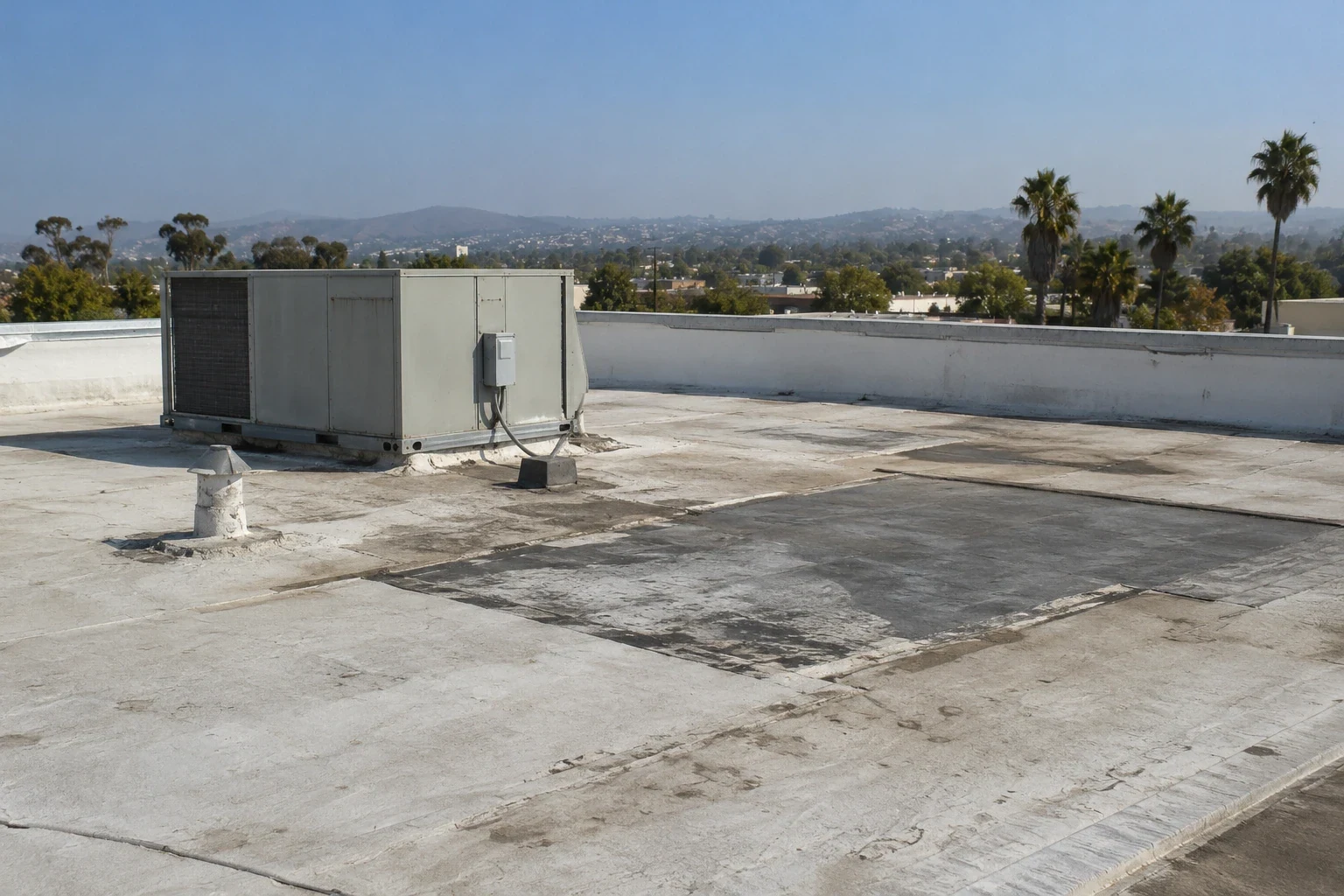
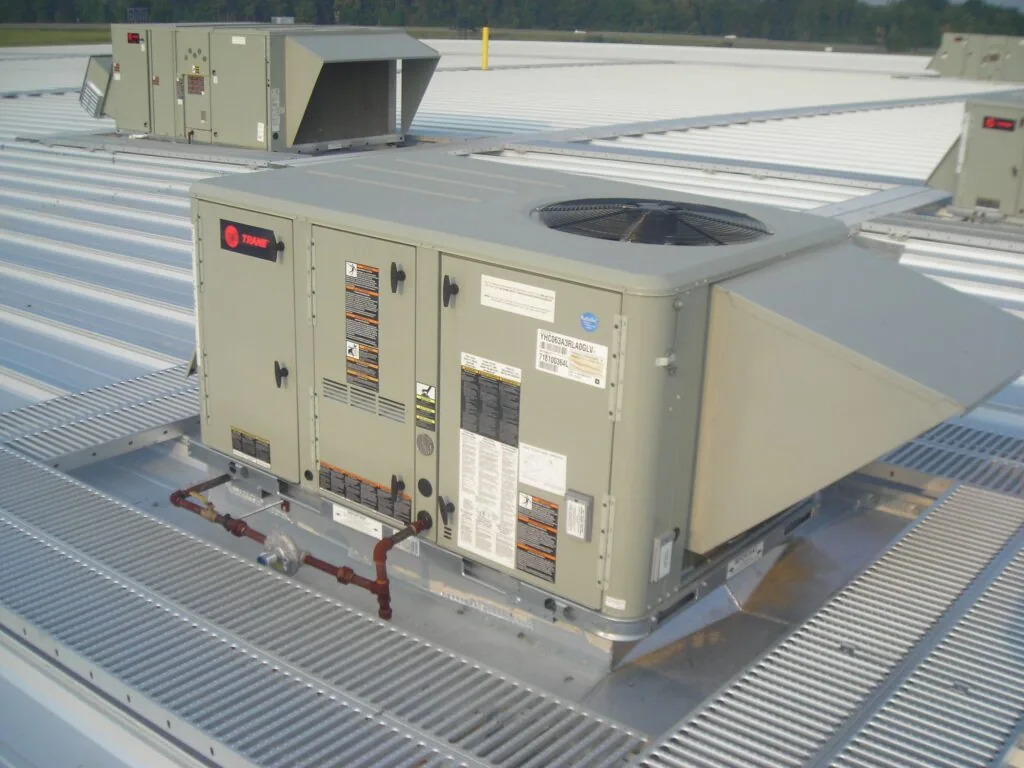
Sun exposure, cloud cover, wind, surface color, insulation type, equipment, and interior heat can all affect a reading. A rooftop unit may create a pattern that has nothing to do with wet insulation. Shade beside a parapet can differ from a sunlit field. We record these influences and avoid labeling each temperature change as moisture until another method supports the conclusion.
A useful survey plan identifies which roof sections will be scanned, when the reading conditions are expected to be suitable, and which areas cannot be interpreted. If a building has several assemblies or additions, we separate those zones because one pattern or interpretation may not apply across the whole roof.
How should the survey be prepared?
Before scheduling, we ask for roof plans, leak history, existing repair records, and available information about the membrane and insulation. The building contact identifies active equipment, interior conditions, and any sections that cannot be reached. We review the planned flight or roof access method and choose a survey window that is compatible with the instrument, site, and roof.
Conditions matter on the day of capture. Salinas has a long-term pattern of very dry summer months and most normal precipitation in the cool season. Summer fog and low cloud can affect how surfaces warm, while recent rain can alter how an assembly releases heat. We consider the recent weather and surface condition before deciding whether the image is suitable for interpretation or whether the survey should be rescheduled.
For a large building near Airport Boulevard or a multi-section property around East Salinas, access and image coverage need to match the roof plan. We mark scan boundaries and roof zones so sample points can be found later. The objective is not a dramatic image; it is a repeatable record that connects a thermal pattern to a specific part of the building.
Which areas should receive a core sample?
Core samples confirm the roof layers and moisture at specific points. We choose locations that represent different thermal patterns, reported leaks, drainage areas, and roof additions. A sample should be placed where it can answer a real question, not simply at the warmest pixel. The result is limited to that location unless other evidence supports a broader conclusion.
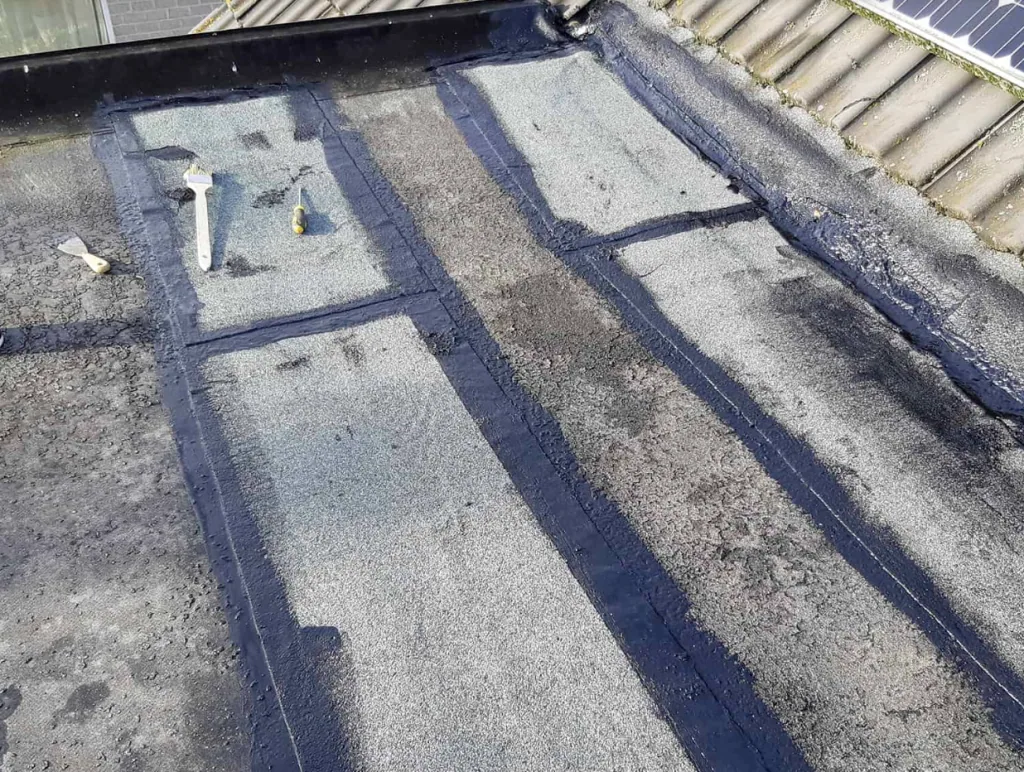
We discuss sample count and locations with the owner before cutting. Each opening must be repaired with a detail compatible with the roof. The report records the sample position, observed layers, moisture condition, and repair. If test results conflict with thermal patterns, we may recommend additional samples or a different method before drawing a boundary around wet insulation.
Where the roof is occupied by equipment or protected process areas, the sampling sequence should account for access and interior safeguards. We coordinate with the facility contact and describe any temporary interruption or dust control. The owner can then see what information each sample provides and whether the added test is likely to change the scope.
How does the result affect a roof decision?
A confirmed moisture map can help define a selective repair, recover, or replacement boundary. If wet insulation is isolated and the surrounding assembly is sound, the owner may compare localized removal with broader work. If moisture appears across several roof zones or the deck is compromised, a recover may retain too much risk. The report should show the evidence and the limits of the tested area.
Thermal patterns alone do not decide whether a roof can be recovered. We also assess layer count, membrane condition, drainage, attachment, edge details, and project requirements. A recover evaluation considers those factors alongside moisture. A replacement assessment can compare the roof sections that need removal with the expected project sequence.
Where an active leak is the concern, a moisture survey may be one part of a broader roof inspection. A visible opening should be repaired even if thermal imaging is inconclusive. The owner should understand what the survey confirms, what it suggests, and which question remains open after sampling.

What changes at Salinas-area properties?
Commercial roofs across the Salinas market serve different operations. Agricultural processing, packaging, warehousing, food distribution, retail, office, and public uses may place equipment or interior conditions beneath the roof that affect heat patterns. We document relevant equipment and known production conditions rather than treating one temperature map as comparable to every other facility.
The Airport Industrial Park and Salinas Ag-Industrial Center are among the city’s mapped employment areas, and the broader valley includes agriculture-related industry. A scan at Salinas Ag-Industrial Center or a business in Castroville should still be interpreted against that building’s roof type, shade, equipment, and recent weather. Regional context helps schedule the survey; it does not establish the condition of a specific roof.
Buildings with refrigeration, process exhaust, or unusual interior temperatures may need more careful interpretation. We ask what equipment ran before image capture and whether a roof section was shaded or recently repaired. Those details can prevent a false boundary from being drawn around a normal thermal feature.
What should the report include?
A survey report should include the scan date and conditions, roof sections covered, thermal images, marked areas for confirmation, sample locations, and a description of confirmed layers or moisture. It should also identify obstructions, areas not captured, and interpretive limits. The owner should be able to match each finding with the roof plan and locate the same point during repair or future inspection.
We can pair the survey with a repair scope for confirmed details or a replacement estimate for broader deterioration. If the roof remains serviceable, a maintenance plan can monitor the tested zones. Photographs and records should keep measured observations separate from suspected causes.
For a property manager responsible for multiple buildings, we can label each roof consistently and preserve a reference to sample points. A later inspection can compare those locations with current symptoms and repair history. Good records keep a survey useful after the immediate budget decision has been made.
Questions Owners Ask
Does an infrared image prove a roof is leaking?
No. It shows surface temperature patterns that may be associated with moisture under appropriate conditions. We interpret the patterns with roof construction and weather, then use core samples or another inspection method to confirm areas that could change the scope.
Can infrared imaging be done after rain?
Recent rain can alter the thermal behavior of roof materials. We review the weather and surface conditions before capture and decide whether results can be interpreted or whether a later window would produce more useful information.
Do you cut the roof during every survey?
No. Core samples are used where confirmation is needed and the owner approves the locations. Each sample is repaired with a compatible roof detail. We explain the purpose and limits of each test before making an opening.
Can survey results show how much roof to replace?
They can inform a boundary when patterns are confirmed and considered with the assembly, deck, drainage, and visible condition. A temperature image alone cannot establish the final replacement scope. The report states which areas were tested and where additional investigation remains useful.
Related Roofing Work
Turn roof patterns into a confirmed scope
Share the roof plan, leak history, and proposed project decision. We will set survey boundaries and recommend confirmation points tied to your repair, recover, or replacement question.