Manufacturing Plant Roofing in Salinas, CA
Plan manufacturing plant roofing in Salinas around process equipment, rooftop penetrations, production schedules, drainage, and interior protection.
Overview
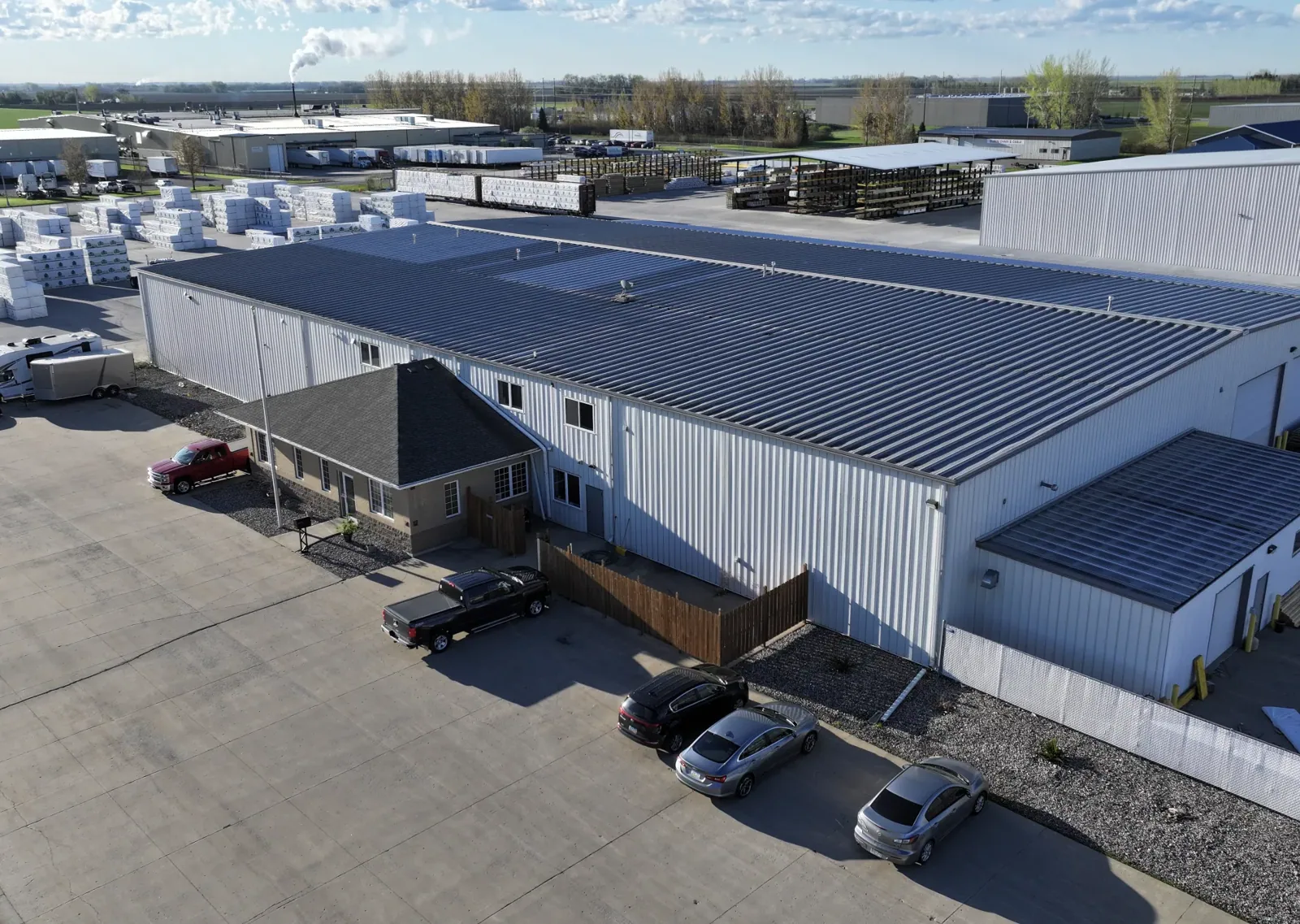
A manufacturing roof has to keep production areas protected while supporting exhaust, mechanical equipment, piping, and regular service access. A leak above a process line can become an operational issue long before it spreads across the building. We inspect the roof assembly and interior reports together, then plan repair or replacement around the facility’s access rules, equipment needs, and production schedule.
Salinas includes agricultural processing and industrial activity, along with offices, warehouses, and other commercial uses. The local building type can inform useful questions, but it cannot tell us what a particular plant produces or how its roof is built. We confirm the actual equipment, environment, and operating constraints with the site team.
What makes manufacturing roofs different?
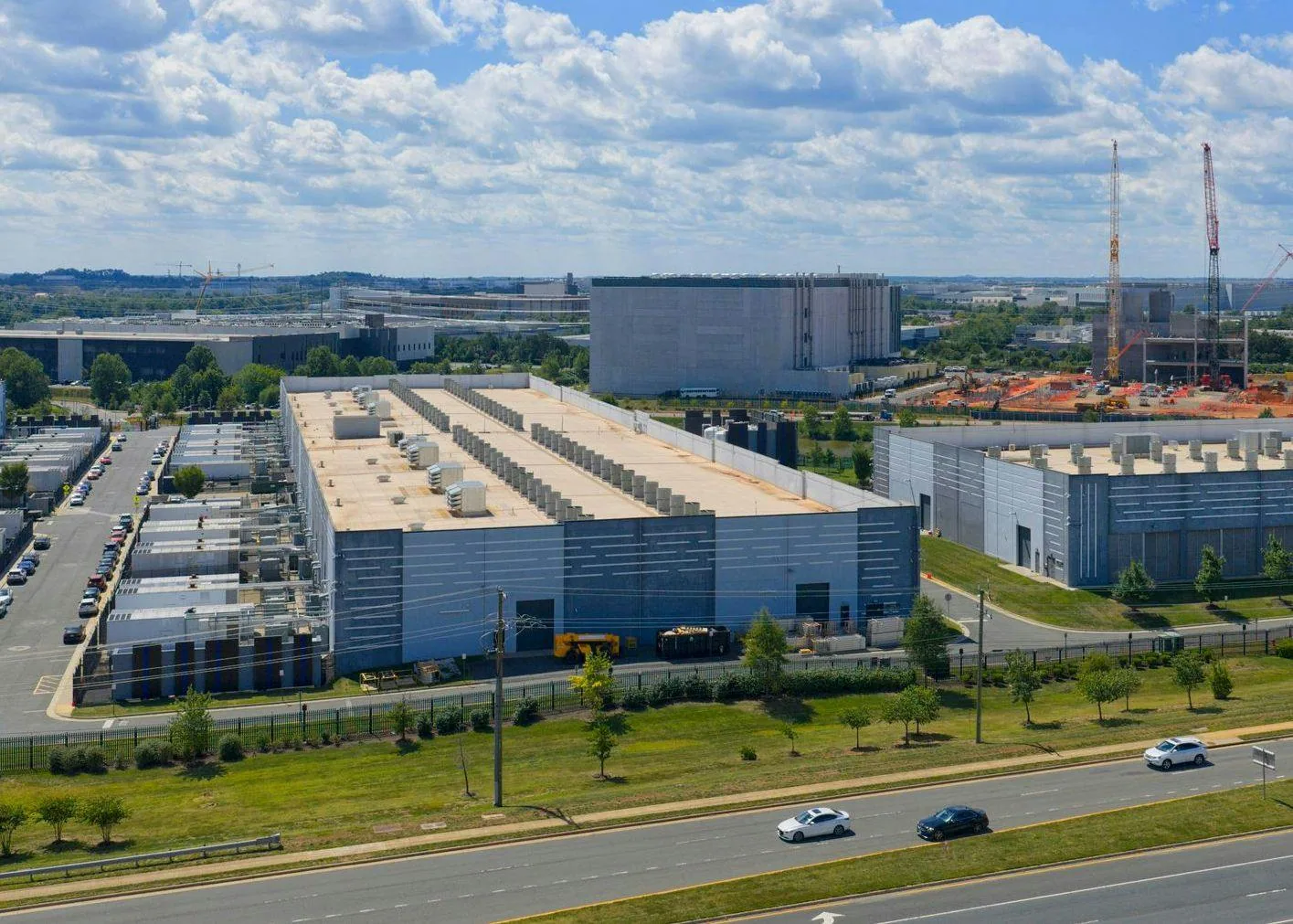
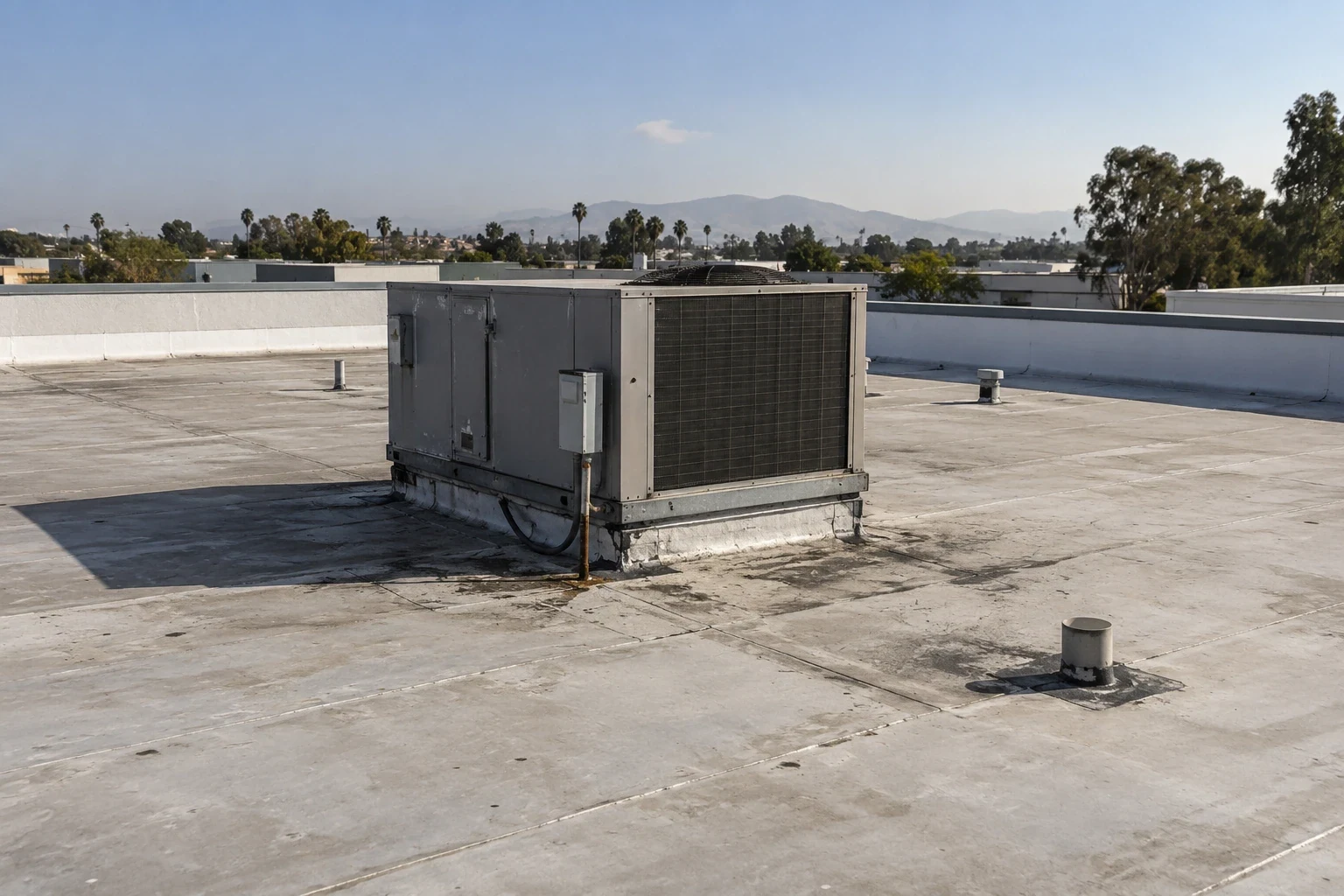
Plants may have process exhausts, HVAC units, vents, pipe supports, skylights, and controls that penetrate or sit above the roof. Some areas below may require protection from dust, odor, noise, or water while work proceeds. We map roof zones and tie each opening to its purpose and responsible trade. A repair plan should make clear whether a unit can remain operating or needs a coordinated shutdown before flashing is disturbed.
The roof can use a single-ply membrane, modified bitumen, built-up roofing, metal, or another assembly. Repair products and installation methods must match the system. A warehouse roofing review or distribution-center plan can address related logistics concerns, but a manufacturing roof must reflect the plant’s actual process zones and equipment map. The facility manager’s records help us set that boundary. Salinas includes the Salinas Ag-Industrial Center among the city’s commercial and industrial areas. The particular plant’s process, exhaust, and access conditions still need to be confirmed at the site.
How should leaks be handled near production?
When water appears inside a plant, the affected line, machinery, or stored inputs may need immediate protection. We ask where the water was first observed, whether equipment was recently serviced, and what conditions changed before the leak. On the roof, we inspect the reported area plus upstream drains, seams, curbs, and wall transitions. Water can travel along a deck or between roof layers, so the entry point may not align with a ceiling stain.
Temporary protection can stabilize an interior area while the roof surface is wet or unsafe to reach. The permanent repair identifies the membrane or flashing defect and includes compatible materials and a clear repair boundary. If leak reports recur at several process areas, the owner may need to evaluate moisture across the assembly. Commercial leak repair and targeted moisture testing can answer different questions; the report explains what each finding establishes.
Why do exhausts and supports deserve close review?
Process exhaust can expose roof details to heat, moisture, grease, or other substances, depending on the actual equipment and operation. We confirm the discharge and surrounding conditions with the plant team before selecting a flashing or coating detail. Supports and pipe stands also need secure attachment without crushing insulation or leaving unsealed fasteners. New equipment should be coordinated with the roof contractor before cutting or attaching to the system.
We inspect curbs, pipe boots, drains, skylights, and expansion joints for movement, loose edges, cracked sealant, and signs of repeat repair. A flashing should remain serviceable when another trade returns. Equipment curb and support details and roof penetration flashings need to match the existing membrane and proposed access. The closeout record should show where each roof connection was repaired or rebuilt.
How can roof work stay aligned with production?
Before work starts, we confirm which process lines can tolerate noise, where materials can be staged, how roof access is controlled, and what interior protection is required. Plant rules may require permits, escorts, clean zones, or a specific sequence around active operations. We identify who can approve temporary shutdowns and changes to the work area. The plant should also name a daily contact who can confirm when a process line is ready for roof access and when the crew must leave that zone. Keeping this decision with the facility team reduces the chance that a weather-sensitive opening is left waiting on an unavailable approval. These decisions affect the day’s schedule and the crew’s ability to close exposed roof sections safely.
Where the facility remains open, roof zones can be sequenced to limit disruption. The site contact should receive a daily record of completed areas, remaining protection, and next steps. The weather plan also needs attention when work occurs during Salinas’ cooler rainy season. At a plant in Salinas Business Park, the site-specific schedule still comes from the facility manager; a district’s planned uses do not define a plant’s operating requirements. Occupied-building reroofing keeps access and protection in the work sequence.
How does roof drainage affect a plant?
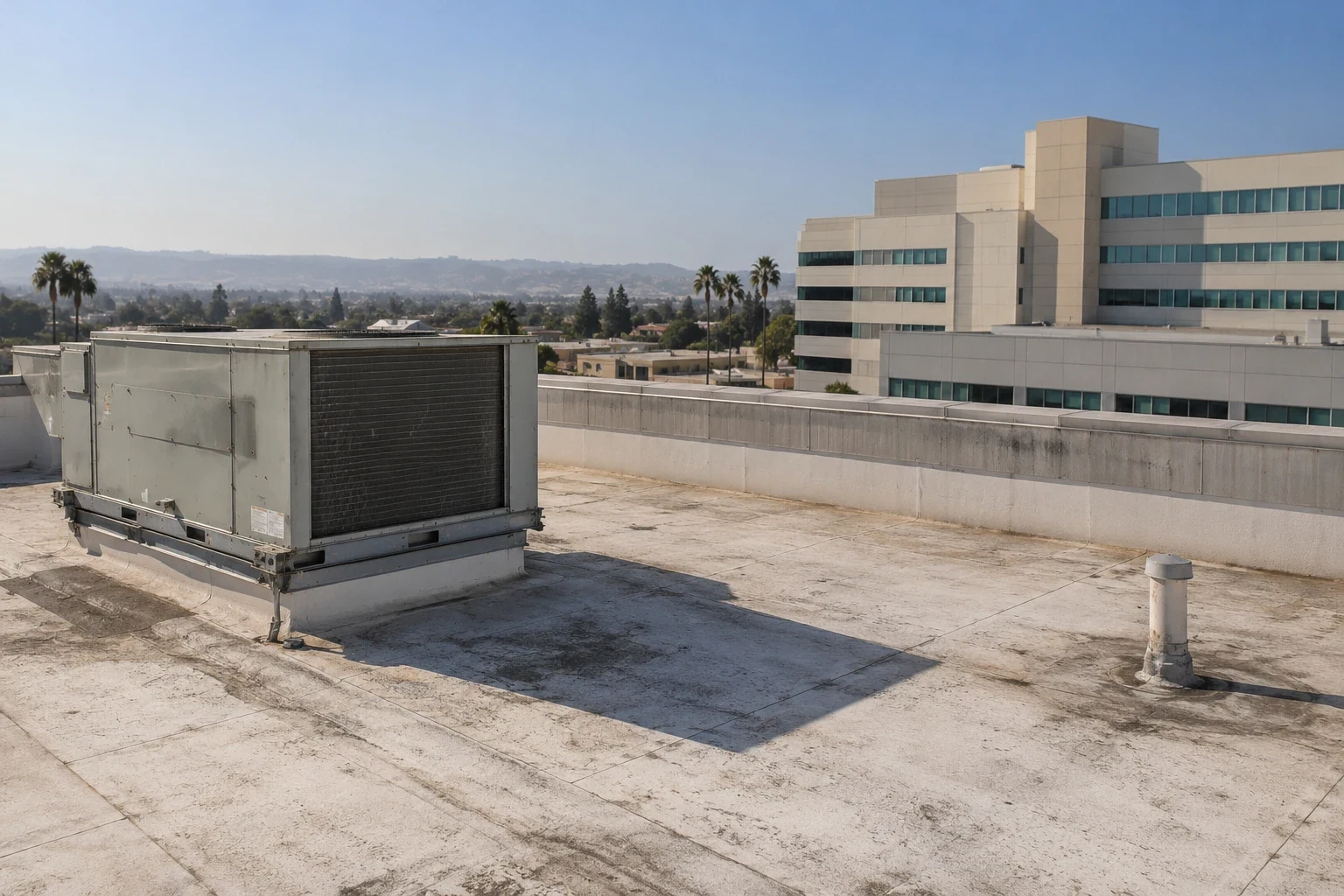
Blocked drains or open flashing can send water across the roof and into production space. We check strainers, scuppers, overflow routes, and low areas and confirm how each roof zone feeds its outlet. If water repeatedly remains after rain, the inspection should consider debris, insulation layout, deck movement, and slope. Clearing the drain may restore flow, but it cannot correct a structural low spot or a failed drain connection.
Before the cooler rainy season, the facility can review outlets that sit near exhausts, equipment, or material staging areas. Roof work debris should not be left where it can migrate to a drain. Drain and scupper work must reconnect to the membrane and keep overflow paths clear. If the outlet height or slope will change during replacement, that change needs to be shown in the design before the project begins.
When should a plant repair or replace its roof?
A limited seam, penetration, or curb failure may be repaired while the rest of the assembly remains sound. Widespread moisture, repeated leaks across process zones, loose attachment, or failing insulation may point to broader work. We document confirmed defects and identify where testing is needed before the plant commits to a large scope. Replacement planning should account for shutdown needs, temporary protection, material removal, equipment transitions, and production impacts.
Maintenance keeps roof findings connected to equipment service and the plant’s change log. We inspect drains, flashings, walk paths, and areas opened by other trades, then record repairs by zone. Preventive maintenance can help identify changes before they interrupt production; a replacement assessment compares repeated repair with a new assembly. The owner should see which work can be phased and what requires a defined outage window.
Track final roof-area photographs by zone.
Questions Owners Ask
Can roofing be done without stopping production?
Some repairs and replacement phases can proceed while parts of the plant remain active. We review process schedules, access rules, interior protection, noise, and temporary shutdown needs with the facility team before setting the sequence.
What information should we provide about roof equipment?
Share equipment locations, service routes, shutdown requirements, and any planned replacements. That helps us inspect curbs and supports, coordinate with mechanical trades, and avoid closing details before their work is complete.
How do you protect process areas from water during a reroof?
We map sensitive areas, divide the roof into workable zones, and plan temporary dry-in and end-of-day closeout. The facility contact identifies areas needing additional covers or a different work window.
How do we know whether a roof leak is affecting the whole plant?
We compare interior reports with roof zones, drains, penetrations, and previous repairs. If the assembly may hold concealed moisture, targeted testing can help define the affected area before repairs or replacement are scoped.
Related Roofing Work
Tie the roof scope to the production plan
Share process schedules, roof records, equipment locations, leak reports, and facility access rules. We will inspect the assembly and plan repair or replacement around the building’s operating needs.