Commercial Roofing for Logistics Companies in Salinas, CA
Plan Salinas logistics roof work with dock coordination, documented findings, and repair sequencing tied to freight and receiving needs.
Overview
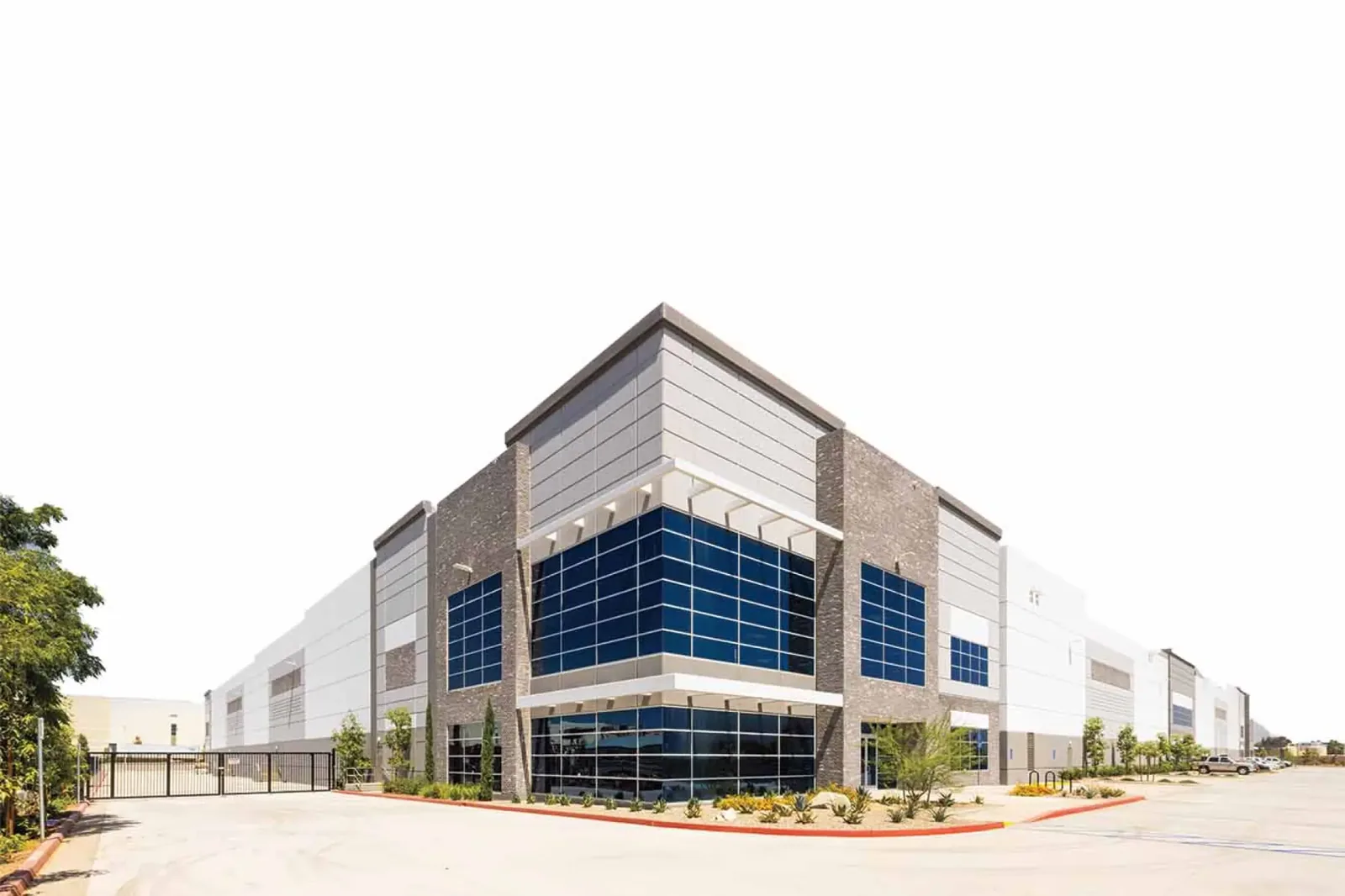
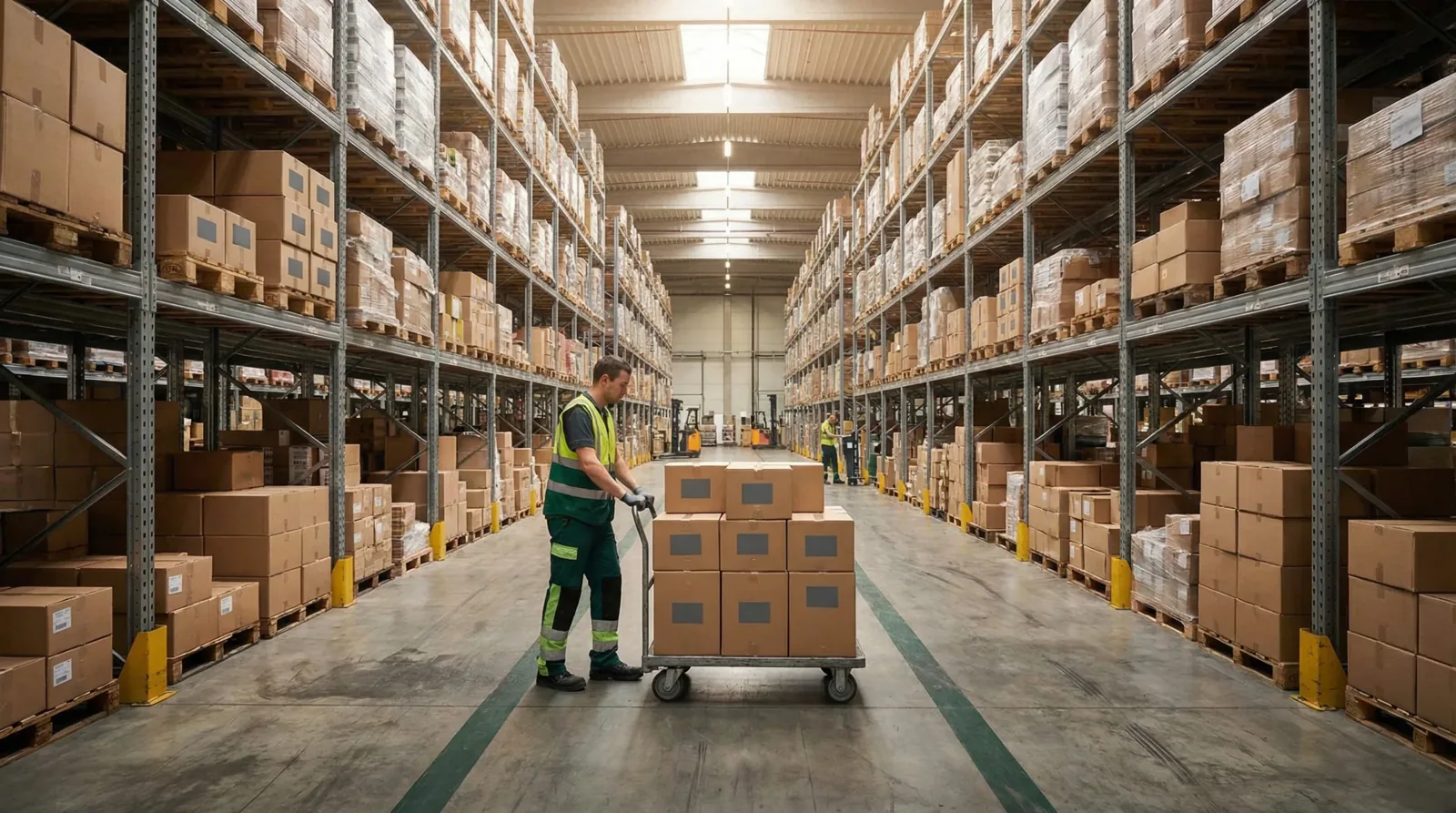
A distribution roof can sit above active docks, stored inventory, offices, and rooftop equipment at the same time. Salinas has industrial areas around Airport Boulevard, U.S. 101, and the Salinas Ag-Industrial Center; the planned Salinas Business Park includes warehousing, distribution, and logistics uses. Those facts describe the market, not the exact roof on a given property. We inspect the building, identify where water can affect inventory or dispatch, and plan around the access route that keeps freight moving.
Roof work should make the condition and the operating impact clear. We map roof zones, trace reported leaks, check drains and flashing, and separate urgent protection from longer-term repair or replacement. A commercial roof inspection gives the facility team a usable starting record for assigning the work and setting a schedule.
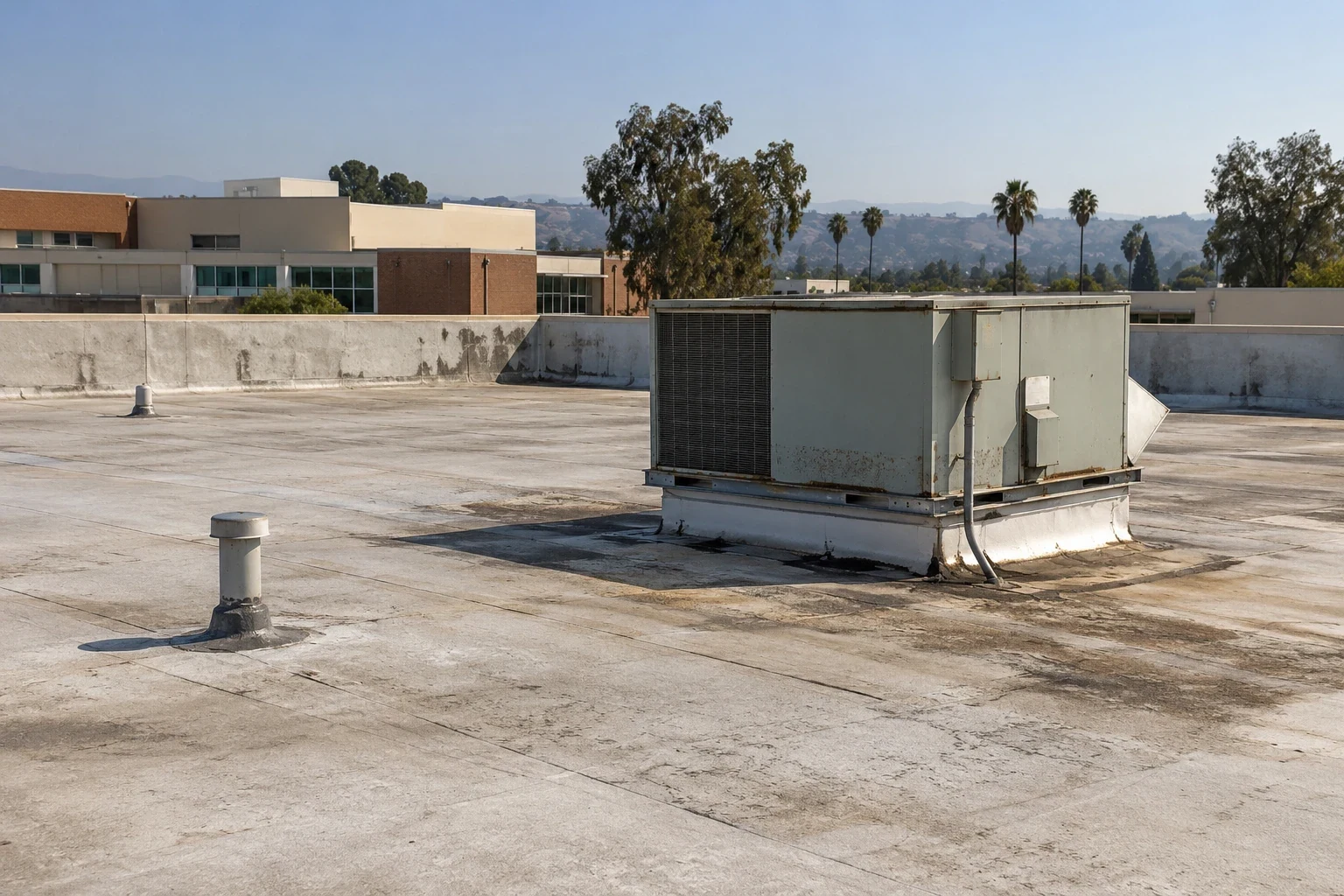
Where can roof conditions affect freight operations?
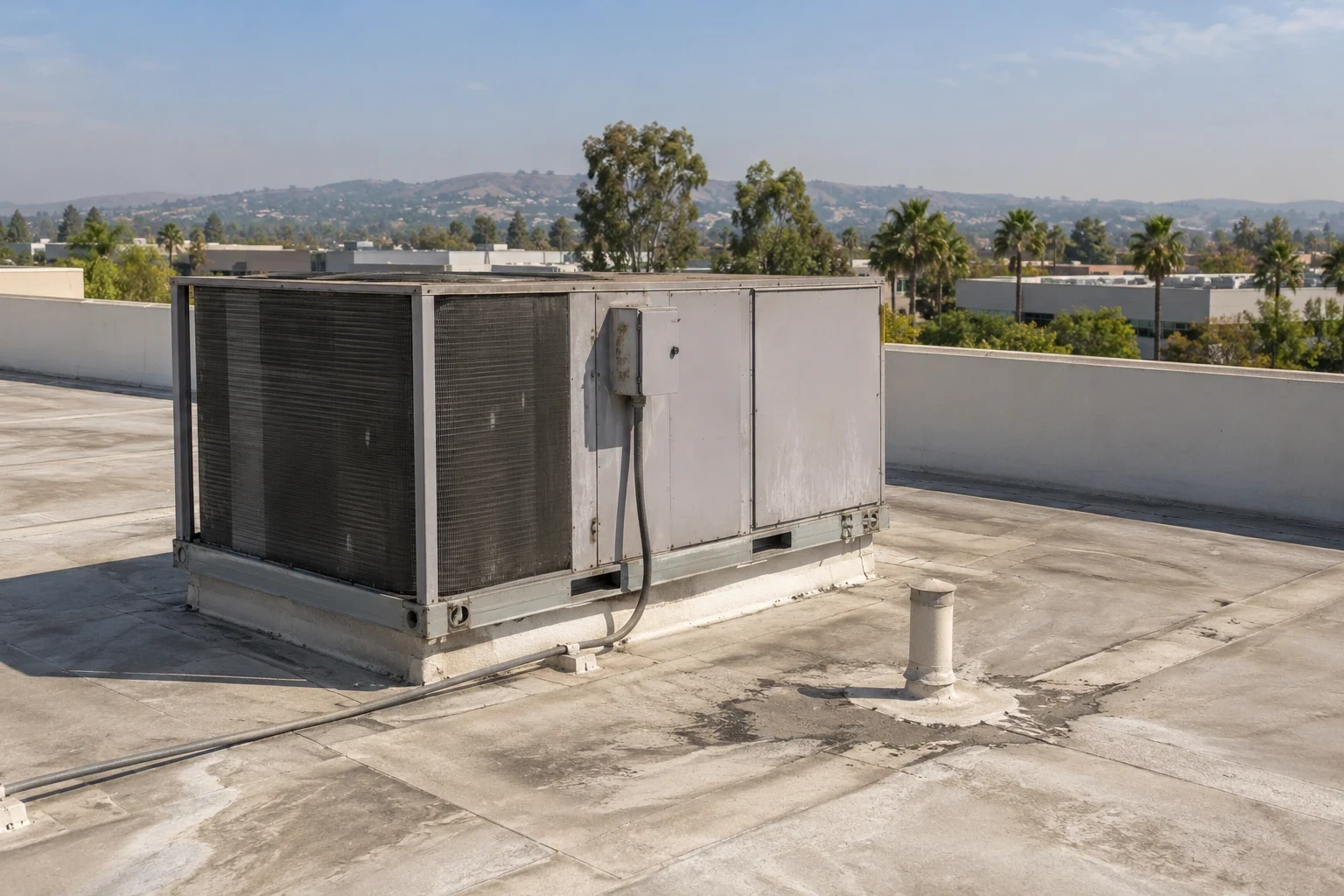
Water above stored goods, electrical service, picking areas, or a dock office creates different exposure than water over an unused space. We record the reported interior location and compare it with roof details above: seams, penetrations, drains, curb flashings, and wall transitions. The entry point can be offset from the ceiling mark, so we inspect the route between them instead of limiting the repair to the first visible stain.
Loading zones add their own access constraints. We confirm where a lift or material drop can be staged, which dock lanes must stay open, and who can approve a temporary closure. Interior aisles and occupied suites may also need protection.
Salinas includes industrial and business-park districts as well as commercial areas. A building near the Airport Industrial Park area still needs an address-specific check of its roof, drains, equipment, and staging space.
City planning also maps East Alisal and East Market separately from the Valley Center Corridor. These designations orient owners to Salinas planning areas, but do not establish the roof type, occupancy, or access conditions at a particular building. We inspect the property and record where dock operations, roof transitions, and interior protection need coordination.
What should a drainage review include?
We follow water from the roof field toward each outlet. That means checking slope, low areas, strainers, scuppers, drain bowls, and the flashing around them. Debris can slow drainage; separated membrane, open seams, or cracked sealant can create a separate path into the building. The report identifies each condition so maintenance can clear an outlet without mistaking that work for a roof repair.
Where water remains after a storm, we document its location and check whether slope, outlet, or obstruction explains it. Concealed moisture may require testing. Our drain and scupper work addresses the outlet while keeping nearby membrane and transitions in view.
Salinas receives about 0.19 inches of precipitation from June through September, and summer fog is common in the valley. We use that pattern to set inspection timing, then inspect the outlet path and reported leak conditions before naming a repair.
When is a local repair enough for the building?
A localized repair may be appropriate when the affected seam, penetration, or flashing can be tied into sound surrounding material. We mark the repair area, identify the condition it addresses, and state what remains outside its boundary. A wind-related roof repair or membrane correction should follow the assembly in place, with nearby edge metal and transitions checked for connected damage.
Repeated leaks, wet insulation across zones, or failed patches can justify comparing restoration and replacement. A recover depends on the deck, existing layers, code, and material compatibility. Tear-off exposes more of the substrate but adds time and debris to manage. We explain what each path requires.
System fit depends on the existing roof and the facility's needs. TPO, PVC, EPDM, modified bitumen, built-up, metal, and coating systems have different seam and flashing details. A single-ply EPDM assembly may be part of a comparison where its construction and repair conditions fit; the inspection record should identify the actual system before a specification is prepared. Cost drivers include roof area, access, tear-off depth, equipment moves, wet insulation, edge conditions, staging, and disposal.
How does the crew stay clear of dispatch?
A workable sequence sets the work zone, material path, interior protection, and daily closeout before production begins. We coordinate which dock faces or roof sections can be isolated, when a lift may enter, and whether the building needs a temporary change to ventilation or equipment operation. If an opening is made, the schedule includes how it will be protected and closed before the crew leaves.
City planning identifies Airport Boulevard at U.S. 101 as a truck-access location for industrial opportunity areas. Deliveries still follow each facility's check-in, staging, receiving, and driver-route rules. We confirm those details with the site contact.
For projects that alter structural or fire assemblies, Salinas's current building-code edition and project-specific review may affect the sequence. We identify the proposed work and affected assemblies so ownership can confirm permit and approval needs through the City Permit Center. When another trade needs roof access, we identify who owns each equipment or conduit move and when flashing can be completed. Project work with a general contractor benefits from a clear handoff for those roof details.

What should a regional operator keep on file?
Keep the roof system, inspected zones, dated photos, leak locations, repair boundaries, and follow-up items together. record any blocked or inaccessible areas. For a portfolio, separate each building and roof section so one drain issue does not become a general condition assigned to every property.
A roof condition report can support a work order, reserve request, or ownership review when each task ties back to an observed condition. We can list active water entry first, then repairs that protect service life and maintenance items that can be scheduled. For operators also managing production or processing buildings, manufacturing roof coordination may involve additional equipment and schedule constraints. In both cases, the record should help staff decide who acts next and what information still needs confirmation.
For an active leak, emergency response is available around the clock. We document temporary protection separately from permanent work so the shift manager can protect inventory while ownership weighs the repair scope.
Label closeout images by building.
For a large distribution roof, divide the inspection into repeatable zones and label each by building face, dock bank, and roof access point. If the facility operates around the clock, identify which areas can be reached without crossing active loading or staging lanes. The closeout should show any temporary protection separately from permanent repairs, so the next shift knows what remains open and who is responsible for follow-up.
Questions Owners Ask
Can crews work while trailers are being loaded?
The roof area, lift route, and staging needs determine whether work can run alongside loading. We review dock traffic and receiving hours, then isolate a work zone or adjust the sequence. Any lane closure is agreed before materials arrive.
How should we protect inventory after finding a ceiling leak?
Move exposed goods where operations allow, protect equipment and electrical areas, and report the location and timing. We inspect the roof above and recommend temporary protection if needed. The record separates that immediate step from the permanent repair.
What if water appears far from the roof defect?
Water can travel along a deck, insulation, or framing before appearing inside. We compare the mark with seams, penetrations, drains, and transitions overhead, then record where testing or access would help confirm the path.
Should we clear drains before scheduling roof repairs?
Clearing accessible debris is maintenance, not a substitute for inspecting drain flashing and nearby membrane. We record what is obstructed, what is damaged, and whether nearby roof areas are affected.
What changes the schedule for a distribution facility?
Dock access, staging, equipment shutdowns, weather, tear-off depth, and roof zones affect timing. We confirm constraints during the site review and name the approved access window and daily closeout check.
Related Roofing Work
Plan a roof review around freight movement
Arrange a Salinas facility inspection around loading and receiving hours. We will document roof conditions, coordinate access, and separate urgent protection from the work ownership can schedule next.