Commercial Roofing for General Contractors in Salinas, CA
Coordinate commercial roofing with Salinas general contractors through clear scopes, trade handoffs, schedule windows, and roof detail closeout.

Overview
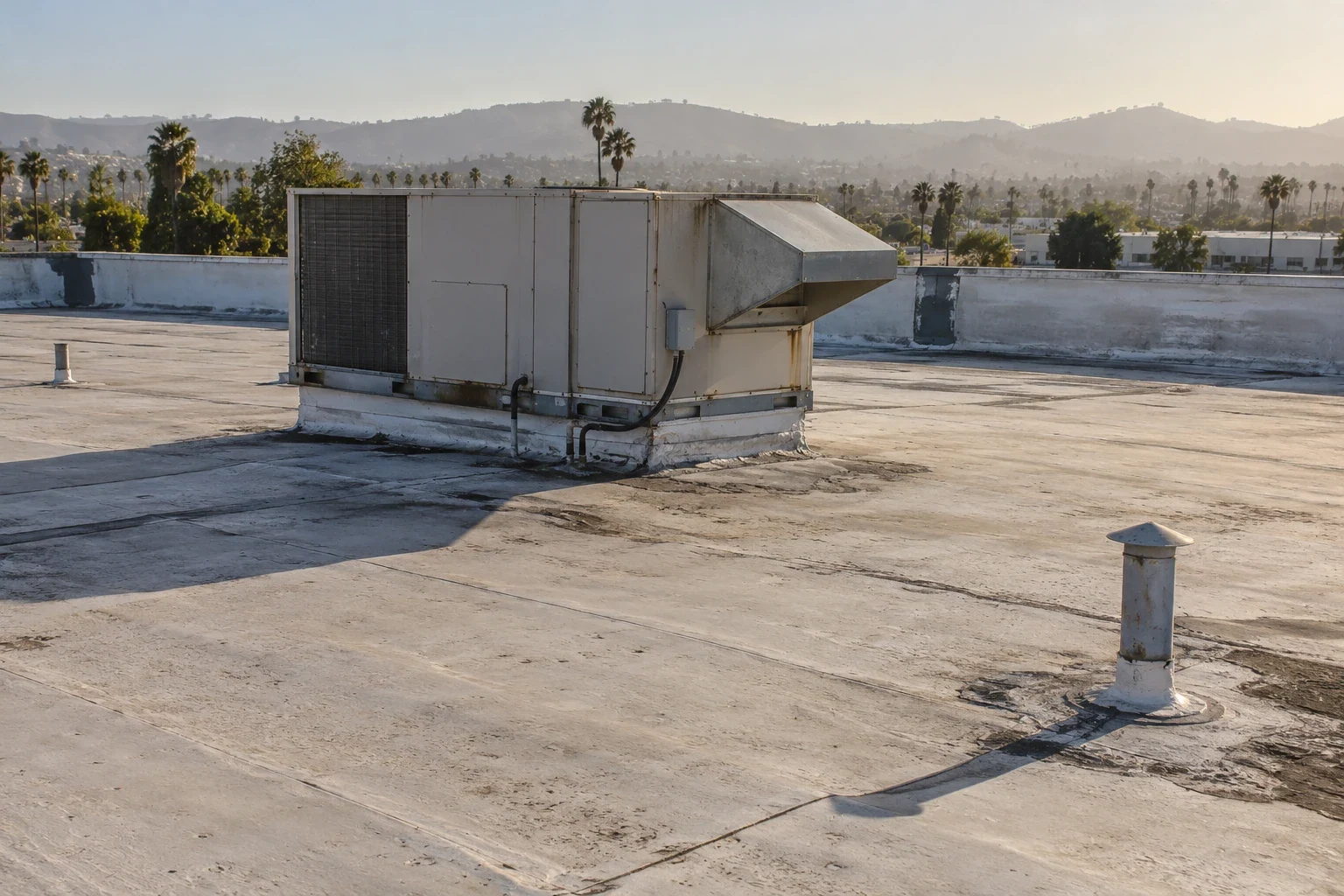
A new curb, conduit run, exhaust opening, or rooftop unit can change a commercial roof detail after other work is already scheduled. General contractors need the roofing scope to show where the membrane is cut, who protects the opening, and which trade restores the finished flashing. Salinas includes commercial and industrial opportunity areas near Airport Boulevard, Abbott Street, and the Ag-Industrial Center. We start with the building assembly and the project sequence at that site.
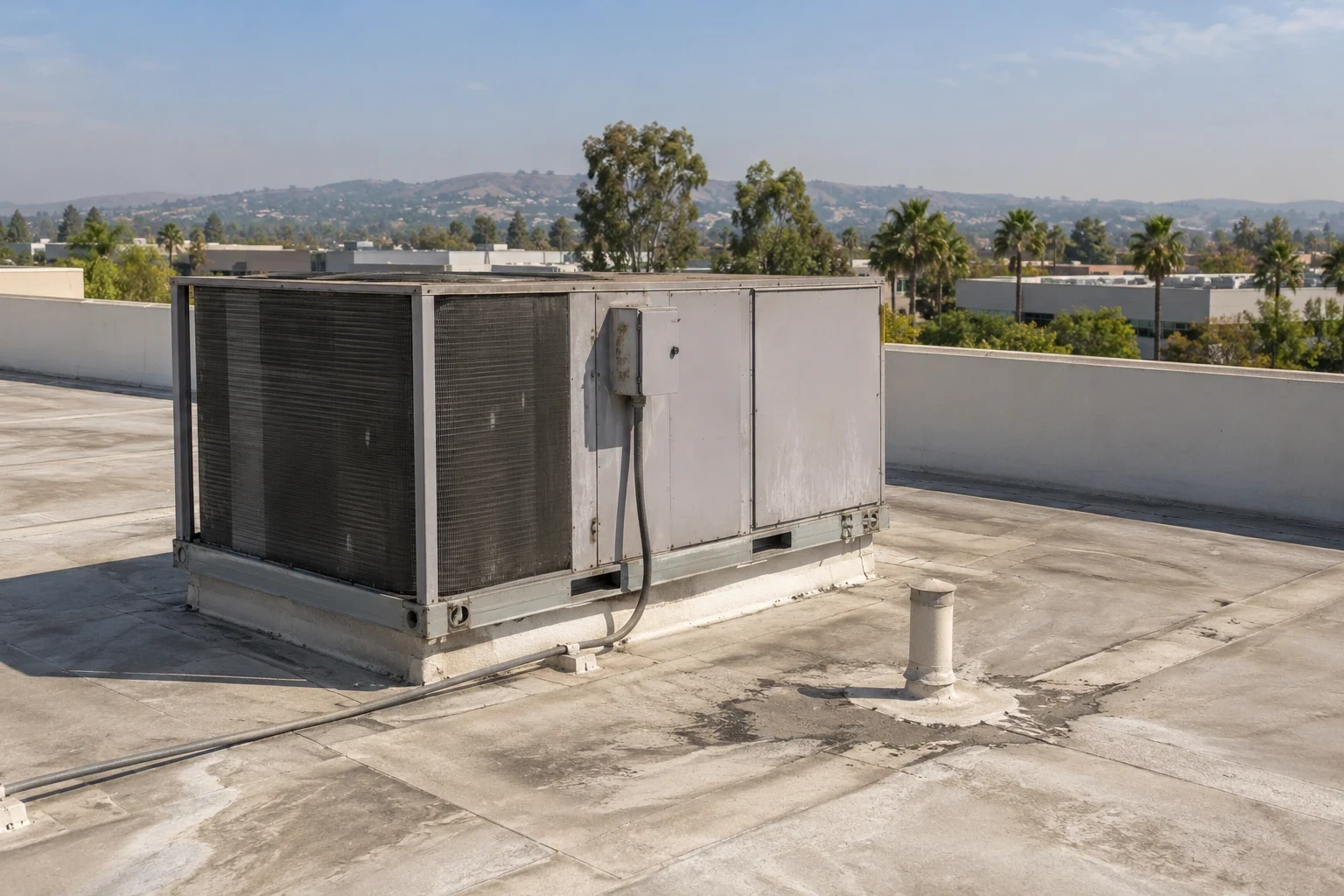
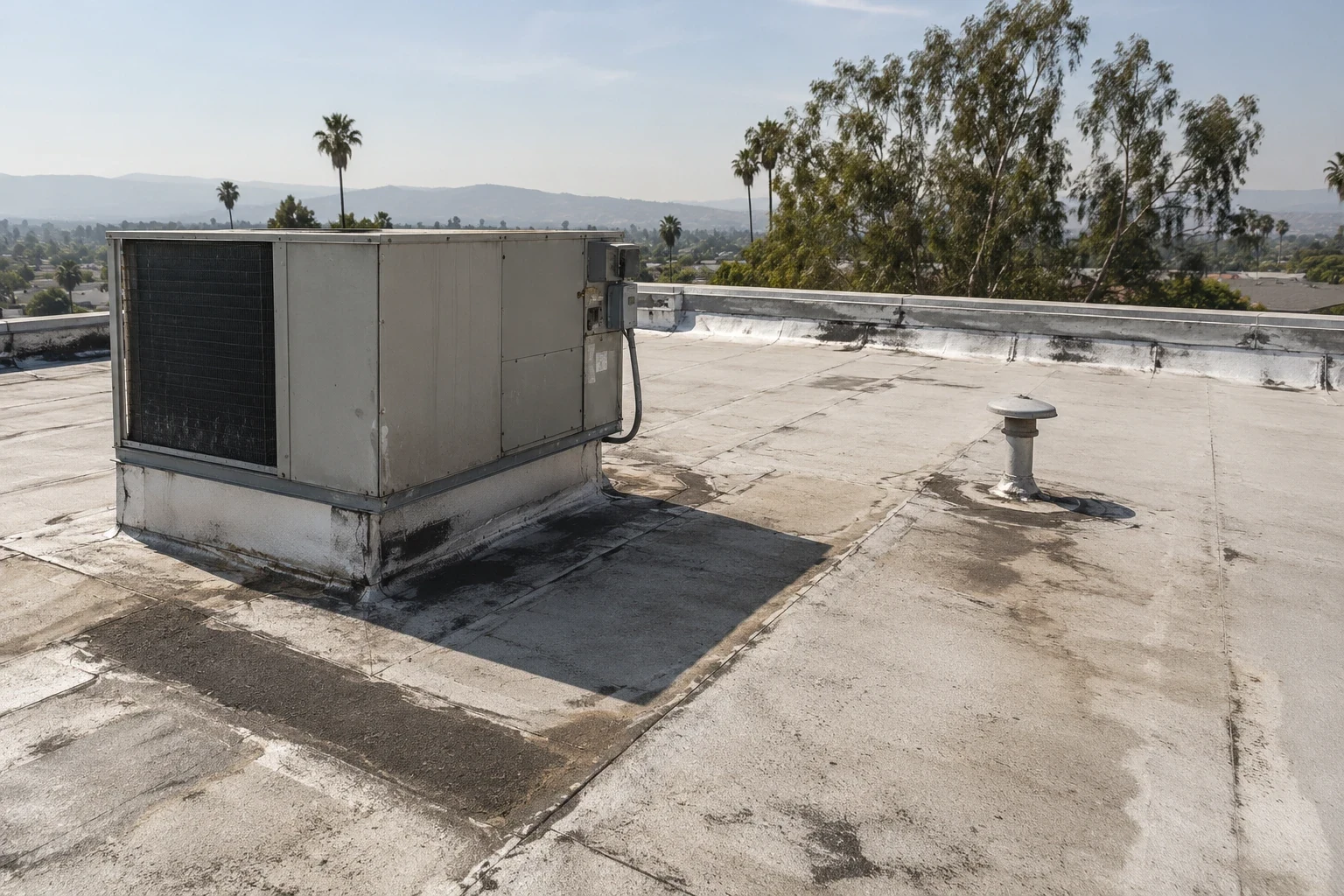
We inspect existing conditions, identify work that belongs to roofing, and record any access or approval question that can change the schedule. A roof curb and equipment-support scope can establish the detail around trade-installed equipment before the roof work is priced or closed out.
Which roof details need a trade handoff?
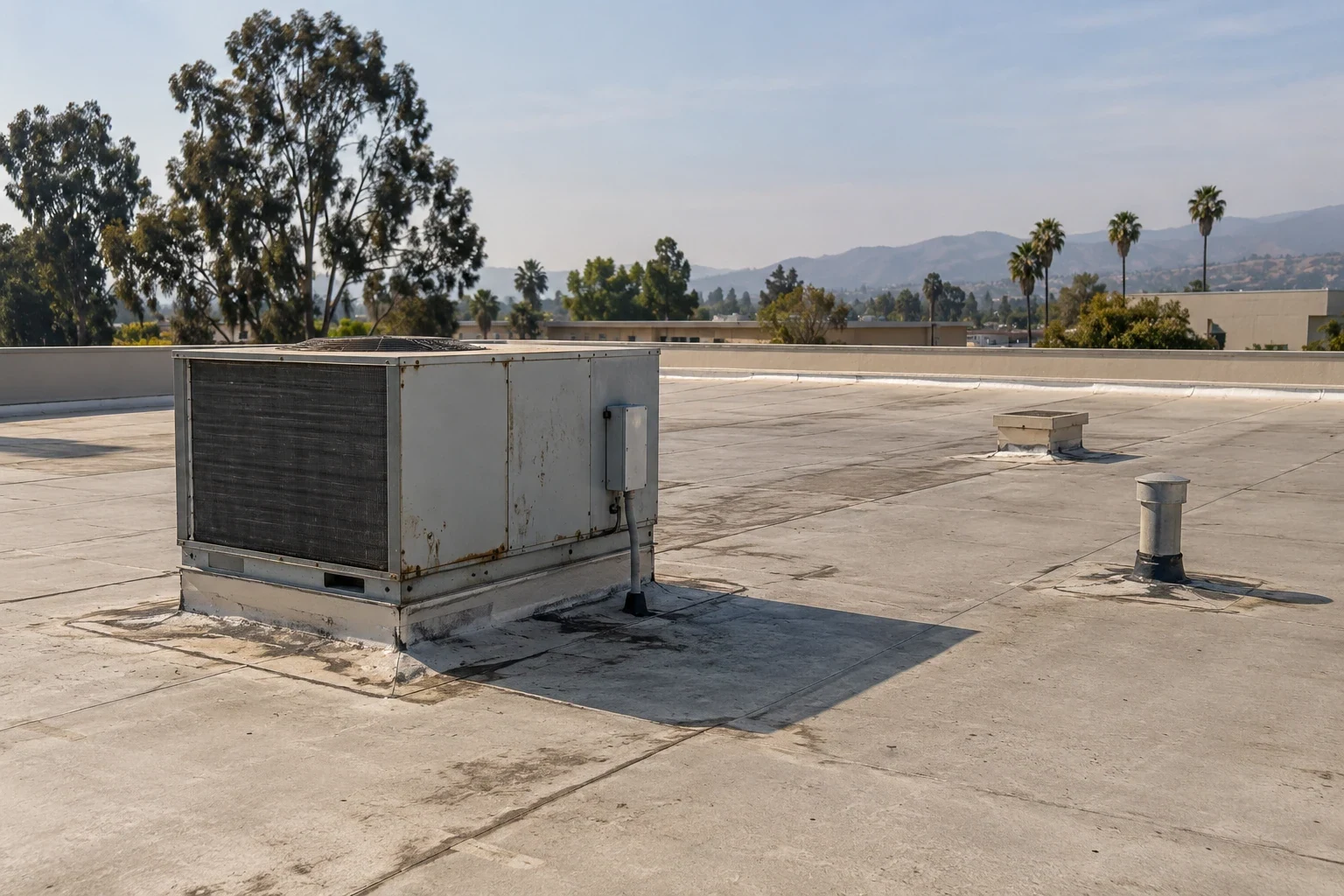
Penetrations, curbs, supports, conduit, drains, skylights, and perimeter transitions often sit between trades. Before mobilization, we identify the installed roofing system and inspect the detail where new work will connect. The scope should state who moves equipment, who provides temporary dry-in, who patches the membrane, and who confirms the final flashing after the mechanical or electrical trade is finished.
Existing conditions matter at tie-ins. A new addition may meet an older roof with a different elevation, substrate, drainage path, or membrane. We document what is visible and record where removal or testing is needed to confirm compatibility. For a manufacturing facility near Salinas's industrial areas, production access and equipment routes can affect the order in which the roof can be opened.
Drawings should identify roof zones and transitions, while field records confirm what the building actually contains. When details disagree, we describe the condition and its effect on the proposed tie-in before the crew covers it. This gives the project team a chance to resolve the responsible scope while the work remains accessible.
How should roof activity fit the construction schedule?
The roofing sequence depends on dry-in timing, material delivery, lift access, equipment setting, and the daily weather window. We identify when an opening can be made, what temporary protection is required, and when the roof must be watertight before another trade resumes. If work cannot be completed during one shift, the plan states how the area will be closed and inspected before crews leave.
Airport Boulevard at U.S. 101 is identified in Salinas planning as a truck-access location serving industrial opportunity areas. Delivery access still depends on the project's staging plan, site check-in, and available laydown space. A logistics roof coordination plan can clarify receiving and staging needs beside the roofing sequence. For work in Airport Industrial Park, we confirm the route and unloading window with the superintendent before scheduling materials.
Salinas has a cool-season rainfall pattern, and the Salinas Valley commonly experiences summer fog and low cloud cover. Those conditions can influence surface preparation and daily access. We check the roof on the planned work day and align tie-in work with the actual conditions, while keeping the project schedule informed about any closure or drying requirement.
What should the preconstruction roof record include?
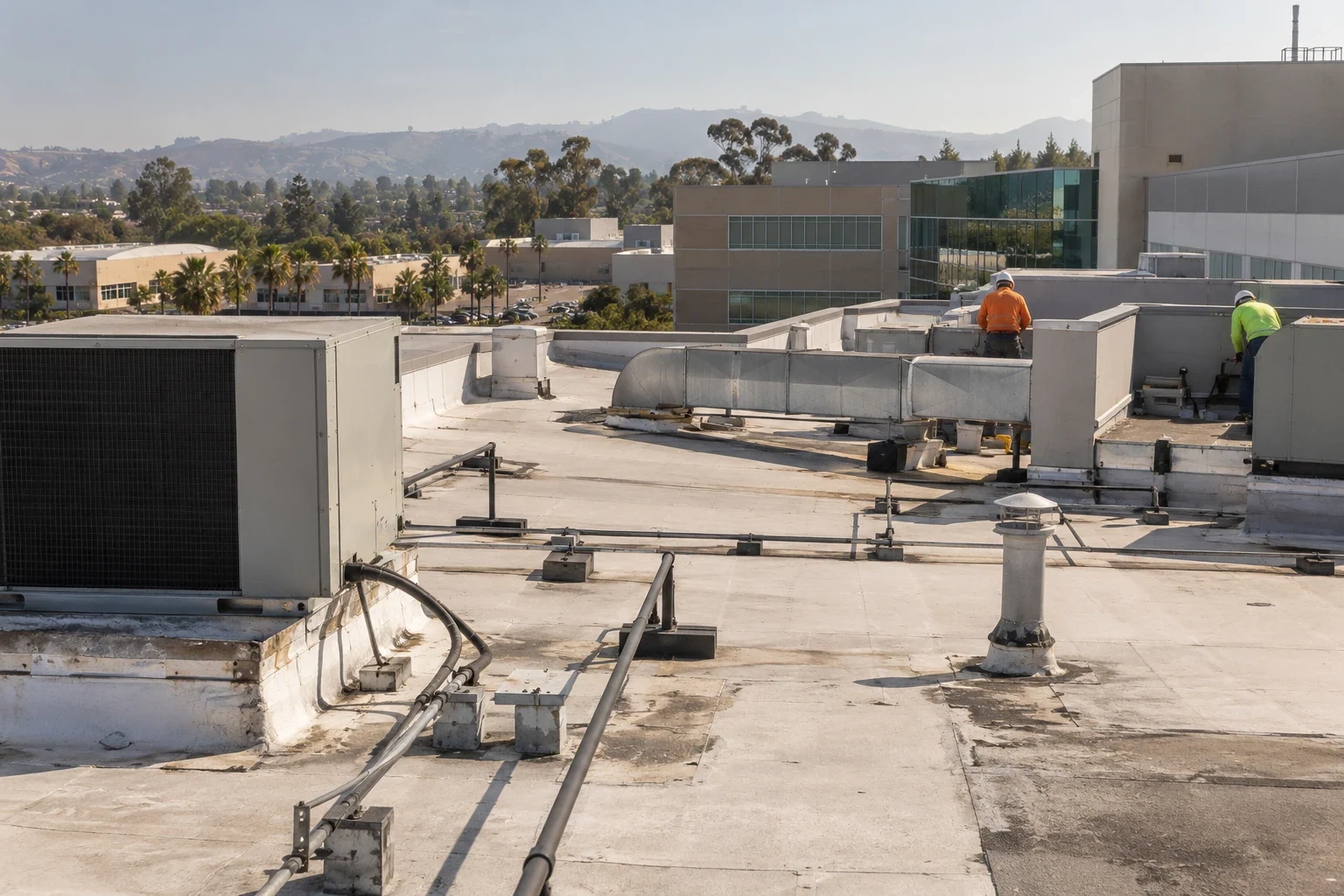
Photographs, roof-system identification, leak reports, drain and flashing conditions, and recorded repairs give the team a reference before demolition or new penetrations begin. We map locations so change discussions refer to a specific roof zone. If the existing assembly is concealed, we state what opening or test would confirm it and whether that answer could change the selected detail.
The current permit framework took effect in Salinas at the start of 2026 under Ordinance 2690 and its adoption of the 2025 state standards. A project that changes structural or fire assemblies may need review through the City Permit Center. We identify the proposed roof work and affected assembly so the contractor and owner can confirm project-specific permit responsibilities before mobilization.
A roof condition report can preserve the existing conditions and record areas that need coordination. The construction team can pair that record with submittals and approved details, then compare the completed work with the condition observed before construction. The closeout file should retain each change, inspection photo, and responsible trade so operations staff can understand later roof access.
How can the team prevent later roof damage?
Roof access often continues after the roofing crew finishes. Mechanical, electrical, solar, and service trades may return to the roof, so the handoff should identify approved paths, protection requirements, and the person who owns a new opening or damaged detail. We can document the completed flashing and the areas that should be checked after equipment work.
Where solar supports or conduit are in scope, solar-ready roof coordination can address attachment planning, flashing, and future access before panels are installed. A commercial roof inspection after construction can record the completed condition and flag any detail that needs correction before closeout.
If water enters during construction, emergency roof response can be arranged at any time of day or night, holidays included. We identify temporary protection promptly and follow with a permanent repair scope once the roof and related trades are accessible. The closeout record should distinguish both steps and name any open item for the project team.
What happens when concealed conditions change the scope?
Removing a curb or roof layer can expose wet insulation, a damaged deck, or a transition that differs from the drawing. We photograph the finding, identify its location, and state whether it affects safety, dry-in, or the proposed roofing detail. The contractor can review the change with ownership before additional work is covered or priced.
A local repair may work where adjacent material is sound and the tie-in is compatible. If the substrate or several roof zones are affected, recovery or replacement may require a revised sequence and protection plan. We identify added equipment moves, tear-off, drying time, and edge or drain work that follow from the finding. A manufacturer building roof review may involve production constraints, but the assembly and condition determine the actual construction approach.
For phased projects, we keep completed areas distinct from active work zones and record the status of each tie-in. A flashing repair should be assigned to the trade responsible for the finished roof connection, with inspection before the area is signed off.
Questions Owners Ask
Who should own flashing after a new rooftop unit is installed?
The project documents should assign that responsibility before the unit is set. We identify the curb, membrane, and flashing scope and coordinate the sequence with the mechanical trade. The handoff includes a check after final placement and service connections.
Can the roofing work start before equipment submittals are approved?
The tie-in detail and equipment dimensions can affect curb height, clearance, and flashing. We identify the information needed for a complete roof detail so the project team can decide whether preparatory work can proceed safely without creating a rework risk.
How should a superintendent handle a roof opening at shift end?
The work plan should define temporary protection, the person responsible for checking it, and the condition required before crews leave. We record the closure and any area that needs reinspection before the next trade accesses the roof.
What belongs in a roofing change order?
Tie the change to a photographed condition or revised detail, identify the affected roof zone, and explain added material, access, protection, and schedule needs. We separate the original scope from work that became necessary after concealed conditions were exposed.
Does a post-construction inspection cover other trades work?
We can inspect roof surfaces and details visible at the time of the visit, document penetrations and flashing, and identify apparent damage or incomplete closures. The project team should assign correction and sign-off responsibilities in its closeout process.
Related Roofing Work
Coordinate the roof scope before trades mobilize
Arrange a Salinas roof review with the project lead and trades who affect the roof. We will define visible conditions, access requirements, and the roofing handoffs that need to be resolved before work proceeds.