
Commercial Roof Flashing Repair in Salinas, CA
Repair failed commercial roof flashing in Salinas by tracing the leak, checking the adjoining assembly and planning work around access and operations.
Overview
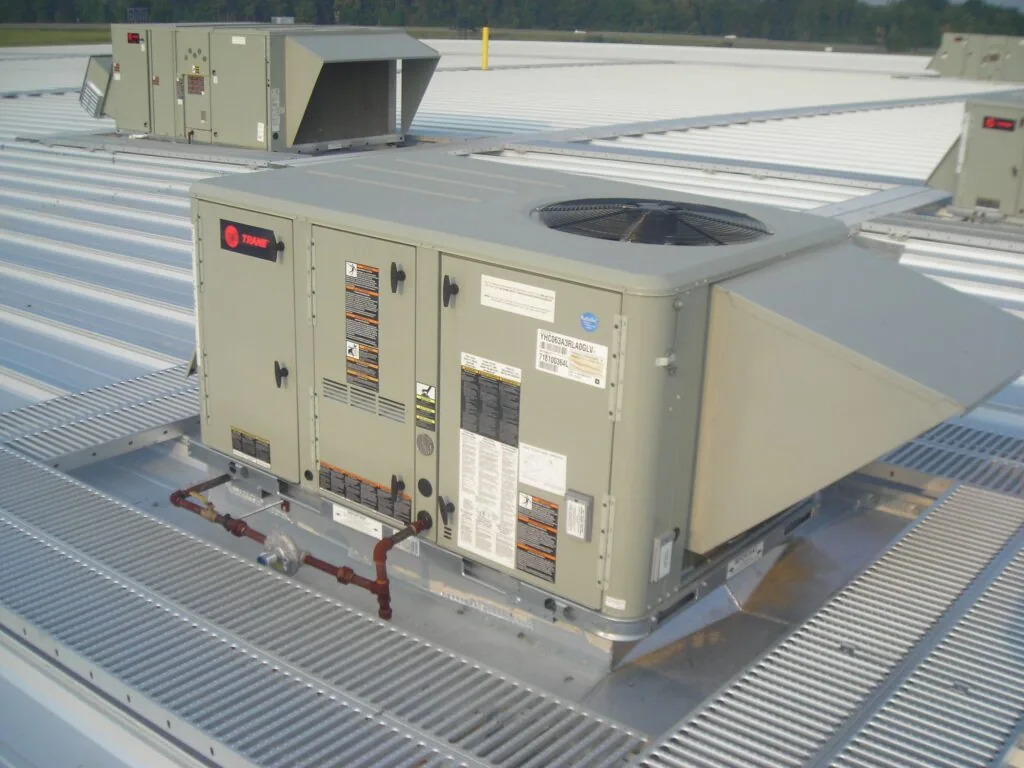
A service technician replacing equipment on a warehouse roof can leave a curb or pipe penetration exposed if the flashing is not restored with the roof assembly. At a parapet, drain or skylight, water may enter where two different materials meet even when the surrounding field looks intact. We inspect the transition and nearby construction, then describe what must be opened, prepared and closed to restore the weather barrier.
Salinas combines food and agricultural support operations with office, commercial and industrial properties. Salinas includes employment areas such as East Alisal and the East Market corridor, while airport-adjacent planning includes the Salinas Business Park. These names help situate the local building mix, but they do not reveal a particular roof’s details. We confirm the building use, roof system, penetrations and service history before proposing a flashing repair.
Which roof transition is allowing water through?
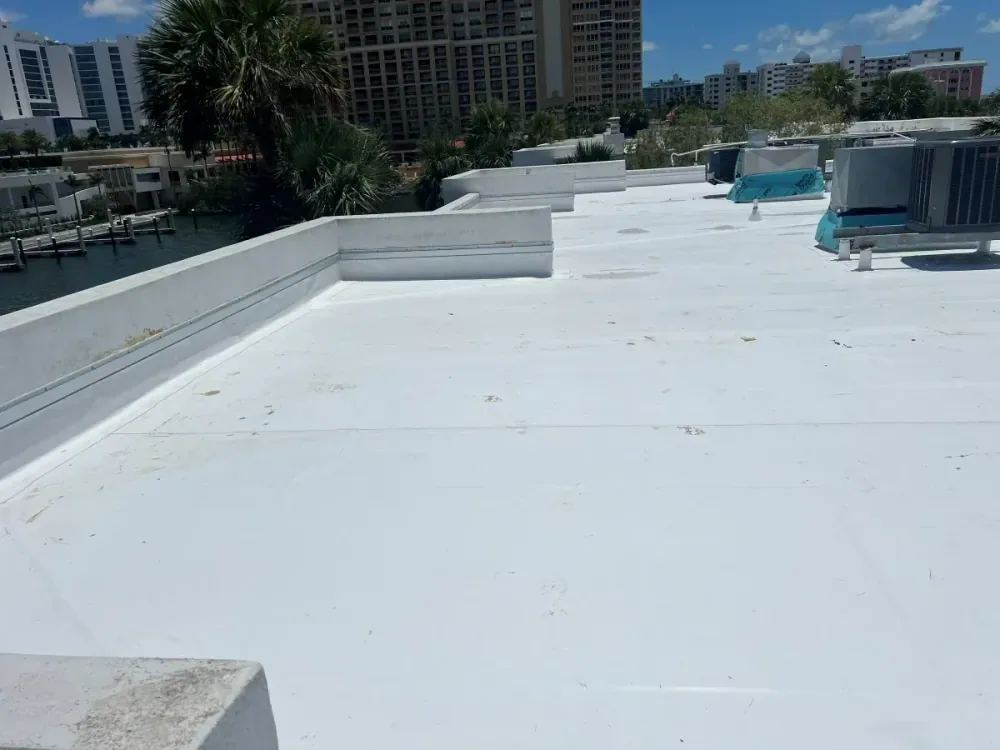
Begin with the report from inside and the roof detail above it. Water can travel across a deck or insulation before it reaches a ceiling, so a stain near a wall does not prove that the wall flashing failed. We examine the roof-to-wall transition, curb, pipe boot, drain, edge or skylight named in the report and follow related seams and previous patches. Photographs identify the exact roof zone and the condition visible at the time of inspection.
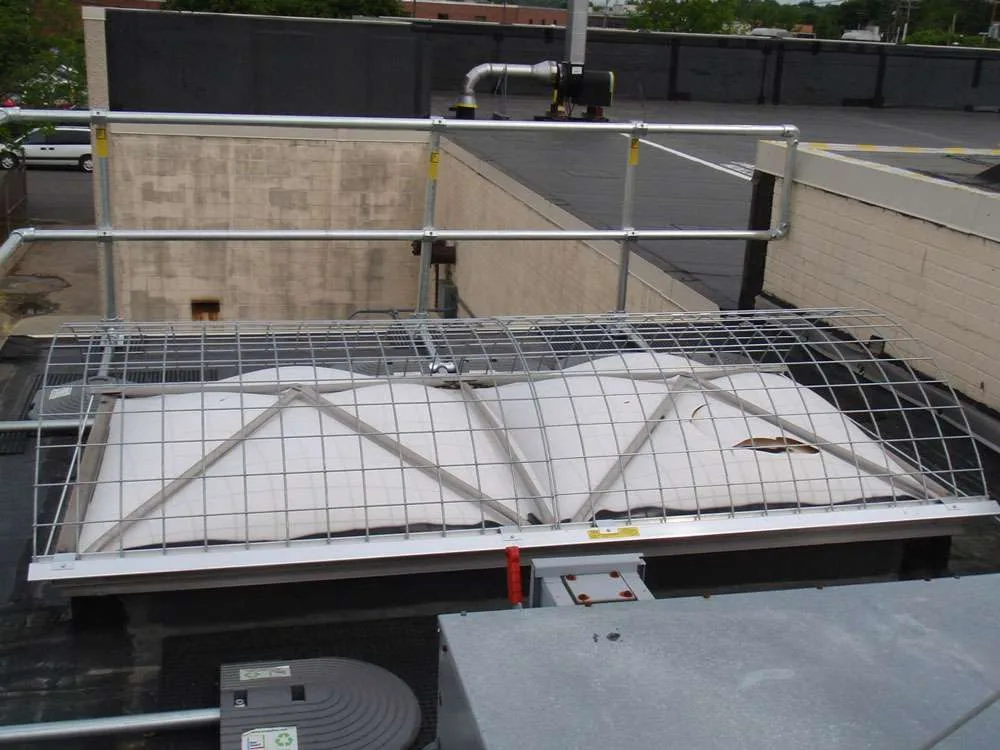
At each transition, record the material, its termination and whether the adjacent surface is sound enough to accept a repair. A patch that bridges loose or wet material can hide the opening without correcting the connection. If the evidence centers on a skylight or another roof opening, penetration flashing work should account for the curb, counterflashing and the membrane or metal that joins it. A roof inspection can also map other transitions so the owner can distinguish one failed detail from a wider maintenance pattern.
Why must flashing match the roof assembly?
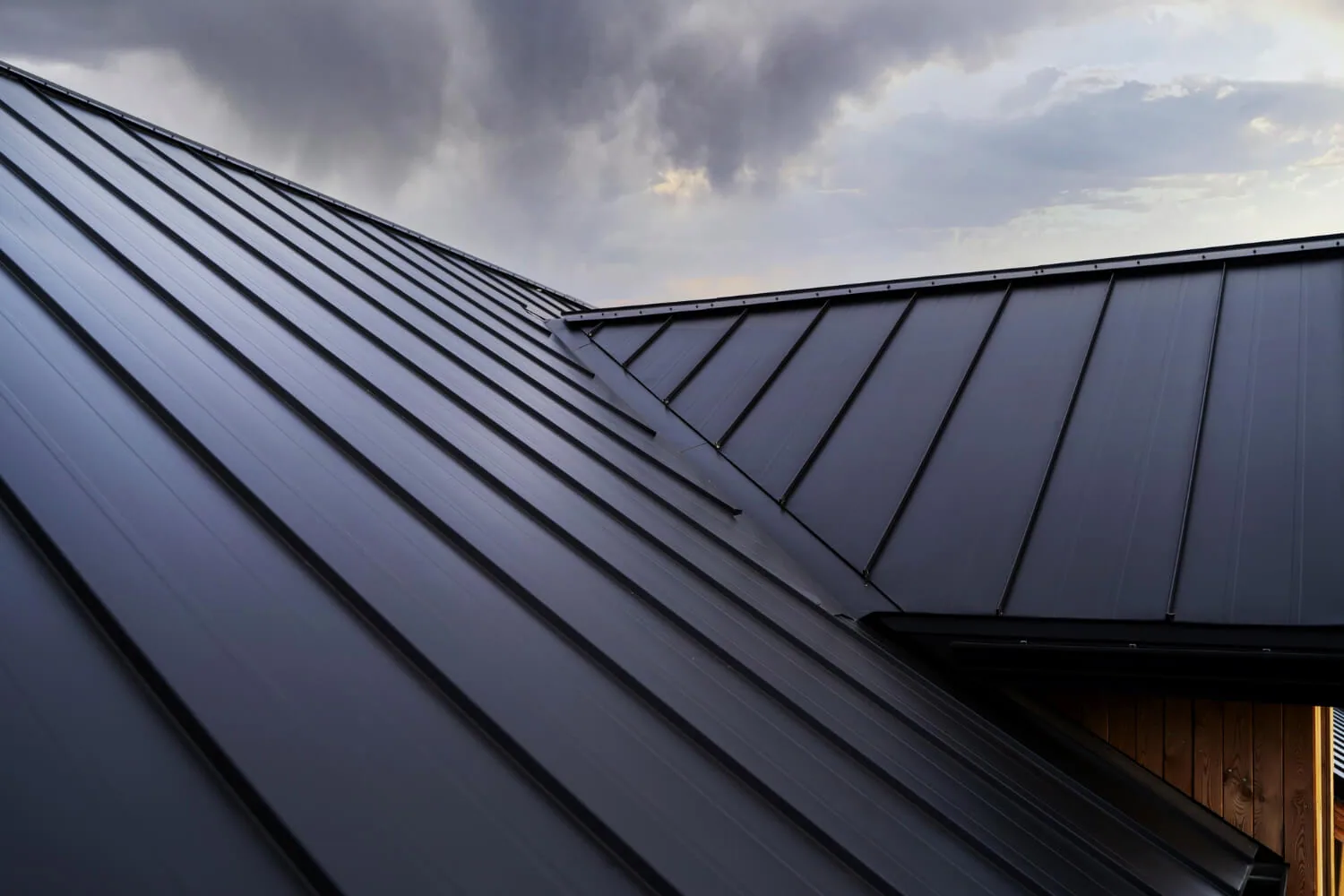
Membranes, metal panels and built-up roofs use different materials and joining methods. We identify the existing assembly and confirm which repair materials are compatible before cutting or adhering a new piece. The scope should state the preparation, overlap or termination detail, and how the repair joins the surrounding roof. Where a metal counterflashing covers a membrane base flashing, both parts may need examination because the upper piece can appear secure while the lower connection has opened.
Movement, corrosion, fastener loss or repeated caulk at a transition can change what the repair needs to include. A surface seal is not a substitute for restoring a failed lap or attachment. If a seam intersects the flashing, we consider whether a split seam repair belongs in the same scope or needs its own work limit. A puncture from later service traffic is different; the owner can review it as a membrane puncture repair when that route is in the plan.
What should be protected below an open flashing detail?
Opening a transition can expose the roof to weather and affect the space beneath it. We plan temporary closure, interior protection and debris control before removing material. When the area is above food handling, cold storage or an occupied office, the property contact can identify sensitive equipment, access needs and times when noise or movement would interrupt work. The repair sequence should state how the exposed area will be secured at the end of each shift.
Mechanical, electrical and plumbing work often shares the same curbs, supports and penetrations. Confirm which trade owns the equipment, who authorizes shutdown or service access, and who completes the final roof tie-in after equipment work. We coordinate the roofing portion with that schedule and document the completed flashing before the area returns to service. For a leak affecting an occupied space, a commercial leak repair can link the interior report with the corrected roof detail; edge-metal work covers perimeter transitions that need a different assembly detail.
When can the repair material be installed?
Rainfall in Salinas is concentrated in the cooler months, and the Salinas Valley often has summertime fog and low cloud cover. Both patterns can affect scheduling, but a current surface check matters more than a seasonal average. We inspect for moisture, dust, loose coating and substrate condition, then follow the selected material’s requirements. If a transition is wet or the forecast shortens the safe work window, we sequence preparation separately or postpone the application.
Materials and equipment should arrive only after the property’s access and handling route are settled. Near Salinas Business Park or East Alisal and East Market, the building contact still identifies the actual receiving area and operating limits. A corridor name does not establish a standard delivery route, roof hatch or permission. We confirm those inputs before staging, and keep the final tie-in within the work period supported by the observed conditions.
Repair timing also depends on whether the detail can be opened and closed within the authorized shift. We set the work boundary before removing counterflashing, and identify what will protect the opening if additional deterioration appears. If that discovery changes the repair material, the owner receives the finding and options before the team extends the scope. This keeps the permanent tie-in tied to observed construction while preserving a safe closeout for the roof and the space beneath it.
How should the owner compare flashing repair options?
A defined repair should say which transition is included, how much adjacent material will be removed, what preparation is required and what completion photos will show. If the extent beneath a counterflashing is not visible, identify the condition that would change the scope and how it will be handled if discovered. That keeps a concealed allowance from being mistaken for a confirmed defect. The owner can also see whether a limited correction leaves nearby maintenance items for a later visit.
Several failed transitions, widespread wet insulation or repeated leaks at different roof zones may justify broader testing or a roof evaluation. We map the evidence and explain which unanswered question affects the next decision. Drain and scupper repair is a separate scope when an outlet is involved; a larger condition review can distinguish isolated flashing failure from assembly-wide deterioration. We invite the owner to set an access window around tenants, receiving and equipment service, then organize the findings by urgency and the work each condition supports.
Questions Owners Ask
Can a roof leak at a wall even if the field membrane looks sound?
Yes. Water can enter where the membrane turns up a wall or meets counterflashing. We inspect the termination, adjoining wall and nearby roof surface to locate the opening and document the repair boundary.
Will replacing caulk permanently repair failed flashing?
Caulk alone may not restore a loose lap, attachment or incompatible transition. We identify what has separated and specify preparation and materials that reconnect the roof assembly at the affected detail.
What if the flashing is hidden beneath rooftop equipment?
The equipment owner and service contractor may need to coordinate access or temporary removal. We record the obstructed detail, identify the participant needed and plan the roof tie-in before the equipment is returned to service.
Can you repair flashing during cool, foggy mornings?
The roof surface and product requirements decide when an application is ready. We check actual moisture and conditions, then schedule preparation or installation for a suitable access window.
How do you know if the leak came through flashing or a seam?
We inspect both connections and compare them with the interior report and water path. The condition record shows the evidence at each detail and what additional testing would be needed if the opening remains concealed.
Related Roofing Work
Review the failed roof transition
Share the interior report, affected roof zone and available access window. We will inspect the transition, document the adjoining assembly and outline a repair sequence around building operations.