Commercial Roofing for Manufacturers in Salinas, CA
Plan commercial roof repairs, replacement, and maintenance for Salinas manufacturing buildings with documented findings and a schedule tied to operations.
Overview
A line change can bring new equipment, shift deliveries, or make a roof leak harder to isolate. Production still depends on dry interior space and clear access. Salinas includes industrial areas including Airport Industrial Park and the Salinas Ag Industrial Center, with other mapped opportunities near Abbott and Alisal. The designations cover different commercial uses, so we start with the building in front of us: roof assembly, drainage, penetrations, interior exposure, and the hours when a crew can work overhead.
Salinas supports agriculture and related processing, packaging, equipment service, and distribution. The roof plan needs to fit the operation at that address. A leak over an office, a production bay, or stored materials creates different priorities. We inspect by roof zone, trace reported water entry, and give ownership a condition record before recommending a repair or a larger scope. A commercial roof inspection establishes that baseline.
Which roof details matter in a production building?
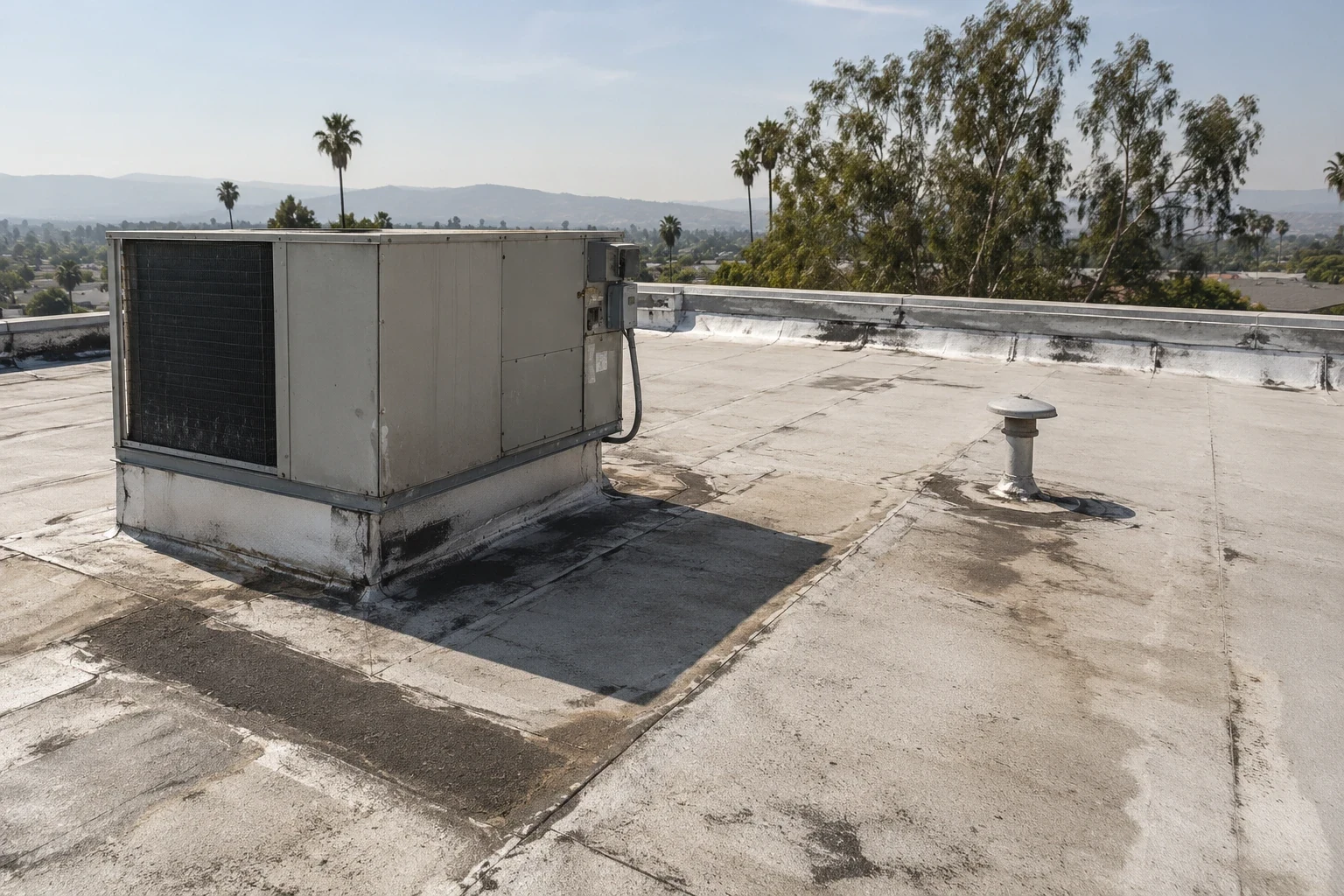
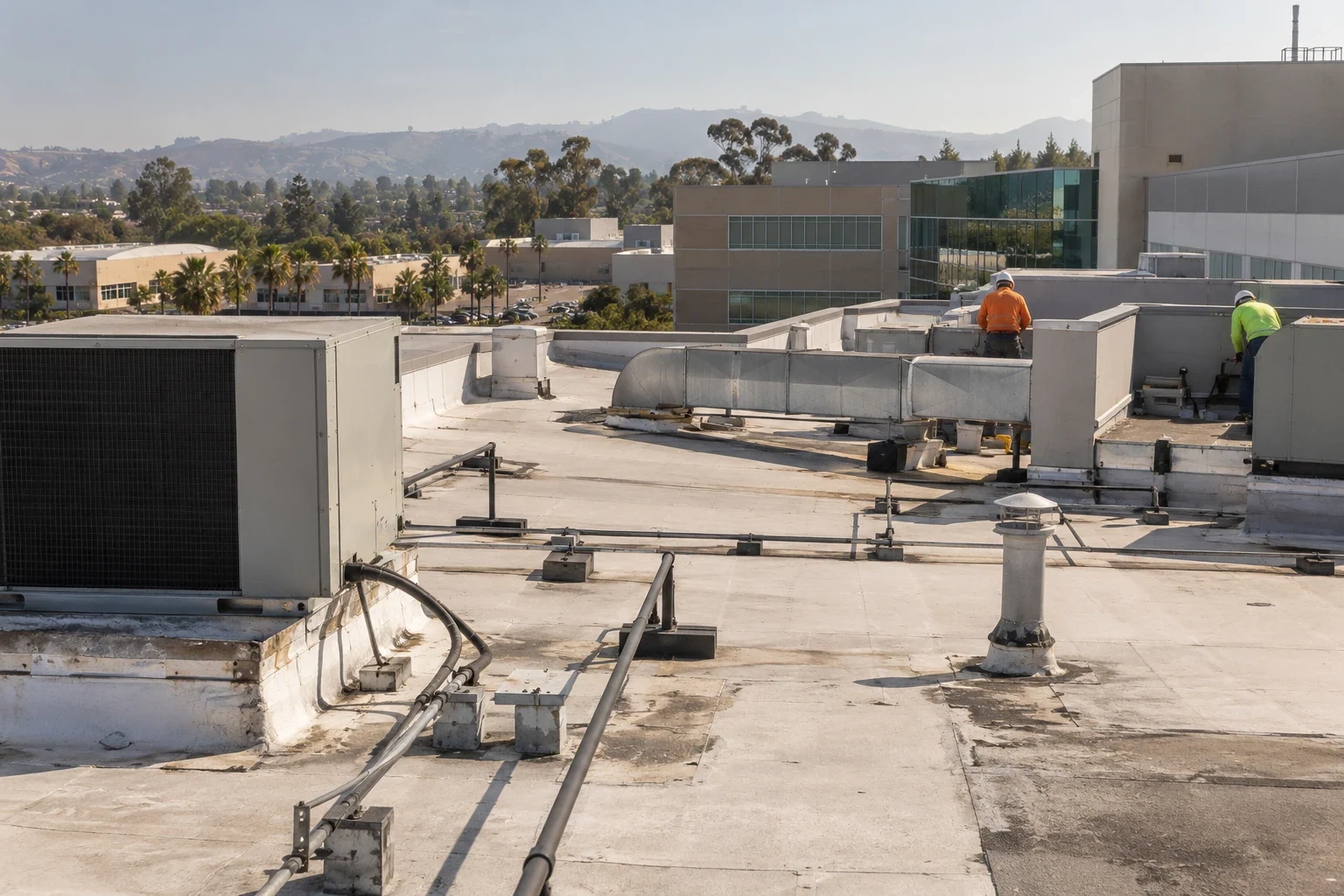
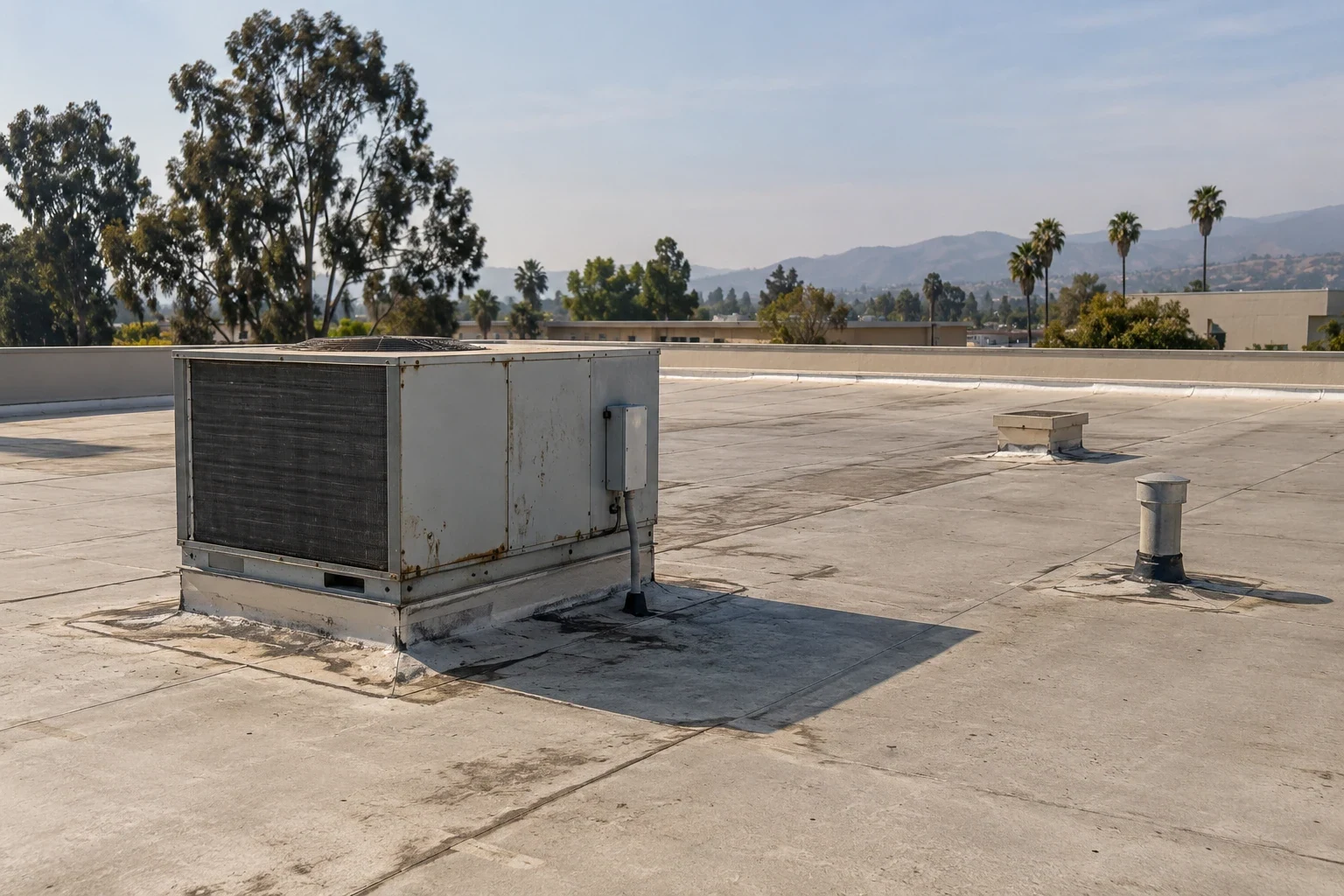
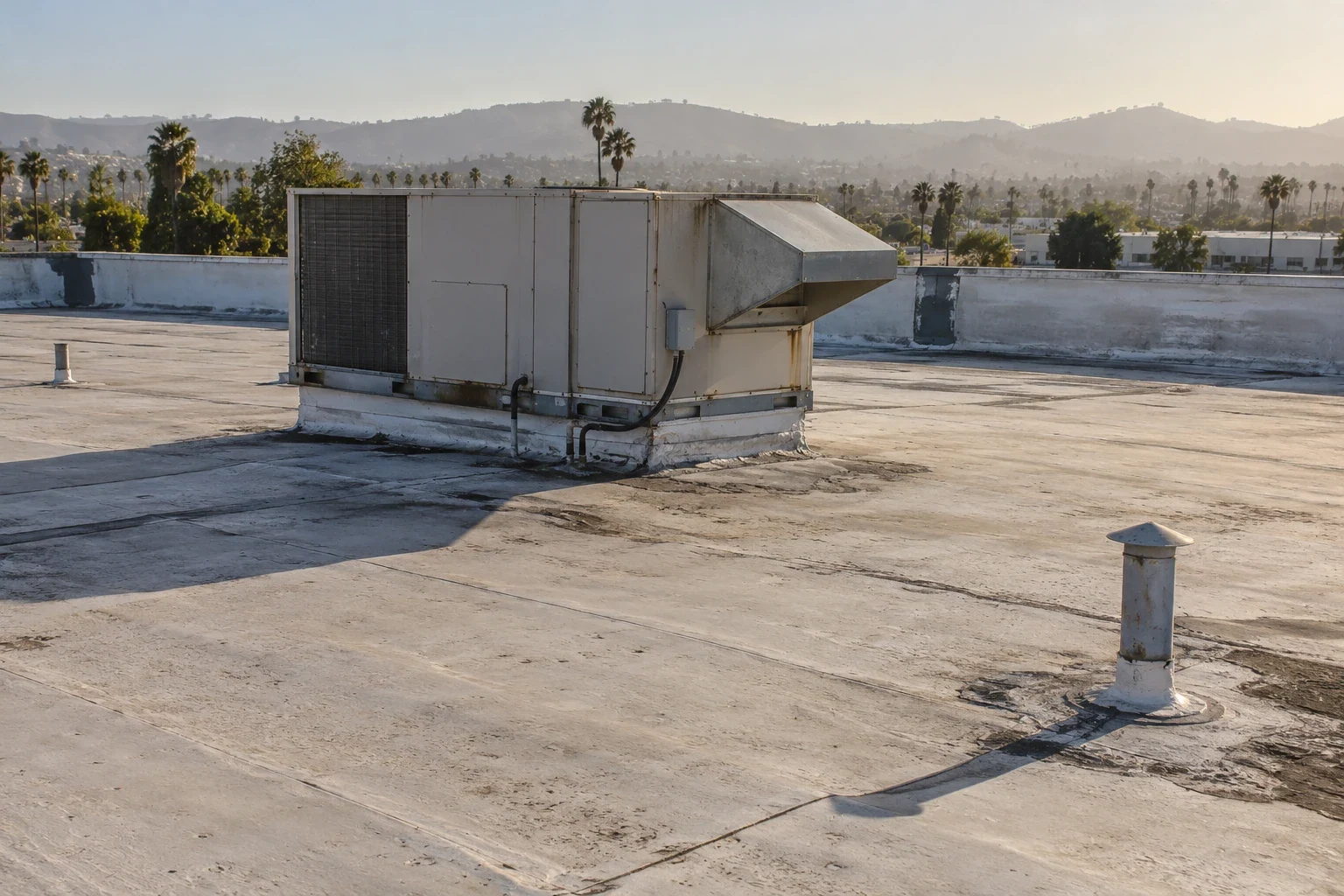
Equipment curbs, exhausts, conduits, rooftop units, and service paths interrupt the roof surface. Each opening needs sound flashing, and technician routes need protection from wear. We check seams and flashing beside active equipment, then record conditions that could put water over machinery, electrical rooms, packaging, or finished goods.
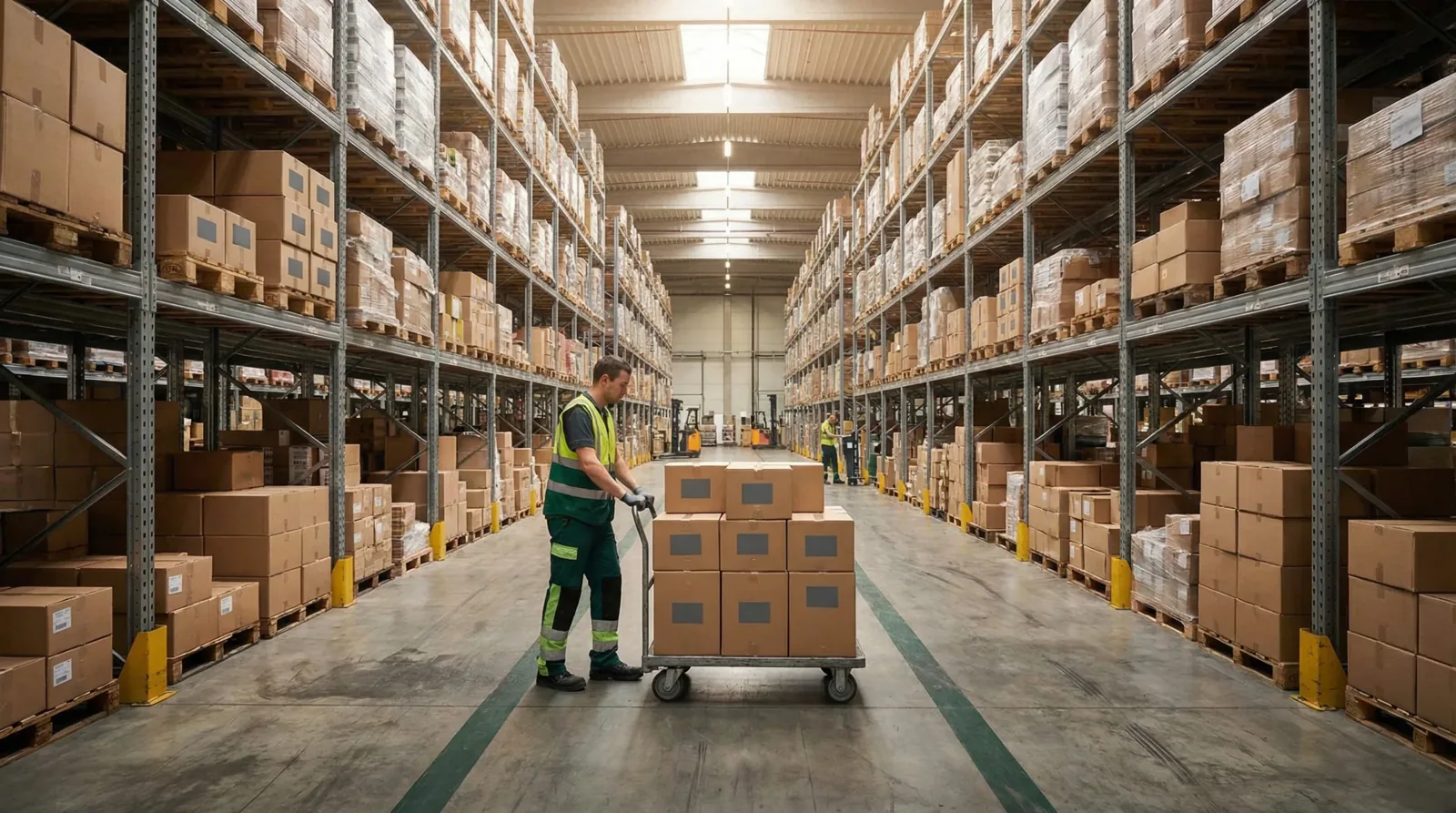
We map the roof field, perimeter, drains, penetrations, and transitions between additions. If the property has more than one assembly, we identify each section instead of applying one repair method everywhere. The Salinas Business Park is planned for advanced manufacturing, packaging, warehousing, and ag-industrial uses. That mix makes coordination relevant, but the roof still sets the scope. Where freight or storage operations share a building, logistics roof planning may involve a different access window than production work; a contractor-led project can add separate sequencing needs.
What does the first roof walk need to settle?
The first visit should identify the installed system, seams, drains, scuppers, edge metal, penetrations, and transitions. We look for open laps, loose flashing, exposed reinforcement, surface wear, and low areas that hold water after rain. The record separates conditions that are visible from questions that need testing or interior access.
We trace the drain path and inspect accessible outlets, strainers, and flashing. A drain and scupper review can distinguish routine maintenance from a defect in the assembly. Clearing a blocked outlet will not close a split seam; a seam repair will not restore blocked drainage. The report states what we found and which action addresses it.
Most annual precipitation in Salinas falls in the cool season, while June through September are very dry. The Salinas Valley also sees frequent summer fog and low cloud cover. These conditions help frame access and timing, but they do not diagnose a particular roof. We use the assembly and observed condition to set the next step.
How should an owner compare repair and replacement?
A repair can make sense when a defect is localized, adjacent material accepts a sound tie-in, and the rest of the assembly remains serviceable. We name the seam, penetration, flashing, or drainage detail and define the repair boundary. For a compatible condition, we can address a failed membrane seam. Repeated failures in separate zones, wet insulation, or a compromised substrate can point to a larger scope.
Replacement, recovery, and restoration each depend on what lies below the visible surface. We confirm the deck and insulation where accessible, identify areas that need additional testing, and consider drainage, tie-ins, fire or structural scope, and maintenance access. TPO, PVC, EPDM, modified bitumen, built-up roofing, metal, and liquid-applied coatings have different details. A TPO assembly may suit some low-slope conditions; the existing roof and operating requirements decide whether it belongs in the comparison.
Price and schedule follow the work required: roof area, access, equipment moves, tear-off depth, wet material, edge conditions, staging, and disposal. We list these assumptions so ownership can compare options on the same basis rather than judging two bids with different scopes.
How can roof work fit the production schedule?
Work above an active line needs an agreed access window, interior protection, and a sequence that limits disruption. We coordinate which zones can be isolated, where material can be staged, and when a roof opening must be closed. If the plan requires interior entry, a lift, or equipment shutdown, those steps belong in the schedule before the crew arrives.
U.S. 101 and State Routes 68 and 183 connect Salinas business areas, and Airport Boulevard at U.S. 101 is identified as truck access for industrial opportunity areas. That context helps plan deliveries, while the work window still needs confirmation with the facility. We confirm site access, receiving hours, lift zones, and production blackout periods with the facility contact. Properties in the Airport Industrial Park area still need an address-specific staging and access plan.
The 2025 California Building Standards Code took effect in Salinas on January 1, 2026. Work that changes structural or fire assemblies can call for project-specific review through the City Permit Center. We identify the proposed assembly and affected details so ownership can confirm permit needs and coordinate approvals.
What should ownership receive after the inspection?
A useful condition record includes roof zones, photos, reported interior impacts, recommended repairs, and items that need testing. It also identifies what was inaccessible or concealed. That boundary keeps the recommendation tied to what the inspection actually established and helps the next facility manager follow the decision.
For a multi-building operator, findings should stay separated by building and roof section. A roof condition report can connect each proposed task to an observed condition and support a repair authorization or capital request. If water is entering now, our emergency service responds around the clock; follow-up inspection records what changed and what remains.
Whether a facility is near Airport Boulevard, the Ag Industrial Center, or the Valley Center Corridor, the record should identify the roof, mark the location, state the observed condition, and define the next action. For work on a manufacturing building, that record also gives operations a practical basis for planning access and production coordination.
Questions Owners Ask
Can a leak be repaired without shutting down a production line?
The location and access route set the sequence. We identify the affected roof zone, agree on interior protection, and plan a work window with the facility contact. If work crosses an operating area or requires a shutdown, we state that before scheduling and phase the scope around the approved window.
What if a roof leak appears only during winter rain?
A dry-weather visit can still document seams, flashing, drainage, and prior repairs. We compare the reported interior location with roof details above it, then record what needs a follow-up under active conditions. Dated photos and production-impact records help connect the later inspection to the original report.
How do you handle old patches around process equipment?
We inspect the patch edge, nearby membrane, and flashing at the equipment curb. The patch may remain serviceable, or it may hide a detail that needs a more complete repair. We record what is visible and whether testing or additional access is needed before expanding the scope.
Does every addition need the same roof system?
No. Additions can have different decks, drainage elevations, assemblies, or equipment loads. We inventory each section and its transitions before recommending recovery or replacement. Compatibility, tie-in conditions, code review, and maintenance access guide the choice.
What information helps price a roof project accurately?
Roof plans, prior repair records, leak locations, access limits, and operating hours help define the work. We confirm areas and transitions, then list assumptions about concealed insulation, tear-off, staging, lifts, and permits. Any testing needed to settle scope is identified before the final comparison.
Related Roofing Work
Set a roof review around the plant schedule
Arrange a Salinas roof review around production and receiving. We will document the roof zones, separate urgent repairs from planned work, and give ownership findings it can use to set the next step.