

Commercial Roof Seam Repair in Salinas, CA
Repair split or open commercial roof seams in Salinas by identifying the assembly, tracing water entry and documenting the full repair boundary.
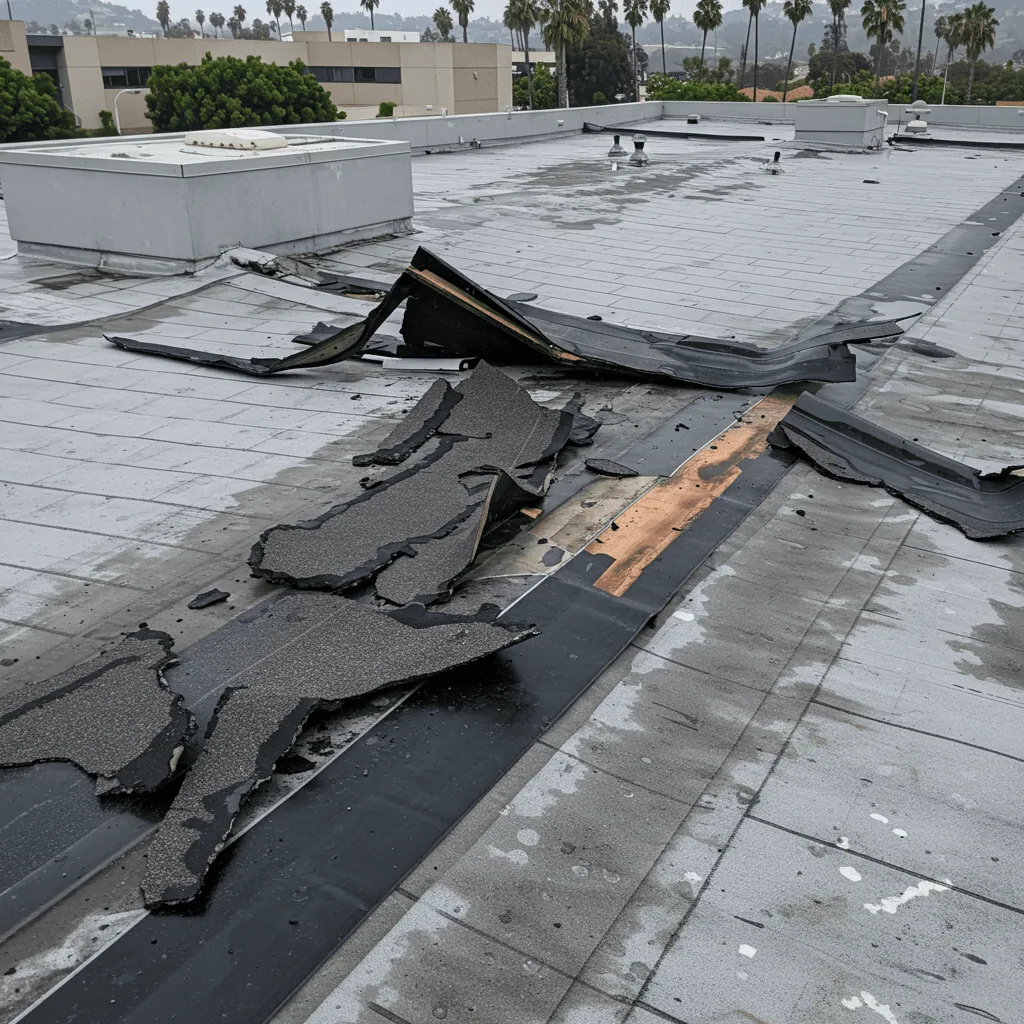
Overview
A seam that opens over a processing floor can admit water even when the surrounding roof membrane appears serviceable. The visible split is the starting point: the repair also depends on the material, attachment and seam condition on either side. We identify the roof system, follow the opening to its limits and check nearby details before recommending a weld, compatible patch or further assembly review.
Salinas has a pronounced wet and dry rhythm. NOAA normals place most precipitation in the cooler months, and state climate analysis reports frequent summer fog and low cloud in the Salinas Valley. Those patterns help plan inspection and application windows, but they do not explain why an individual seam opened. We inspect the actual roof and use the owner’s leak history, prior repairs and current surface conditions to set the work sequence.
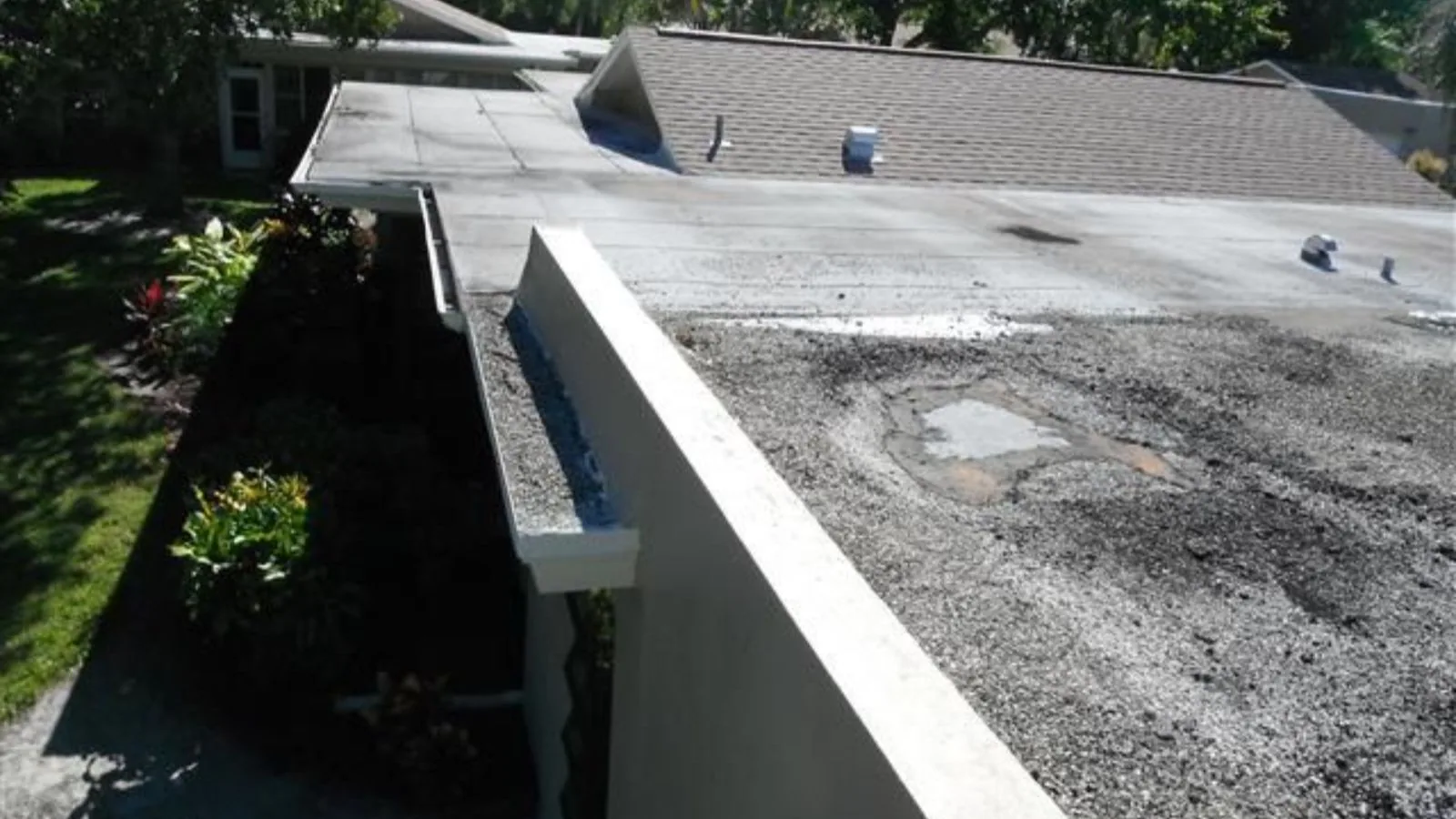
Which roof system has the open seam?
Before repair, distinguish a thermoplastic membrane lap from an EPDM splice, modified-bitumen overlap or metal panel joint. Each has a different preparation and joining method. We check the surface, seam edge, attachment and prior patch material, then confirm whether the opening continues beneath a cover strip or into an adjacent flashing. A repair should use a method compatible with the assembly and account for the condition of the substrate, not only the visible top layer.
Separation can follow movement, poor adhesion, contamination, moisture or earlier work, but inspection must show what applies at this roof. We do not infer a cause from the appearance of the split alone. The report records the seam’s location, length and condition, plus adjoining areas inspected. If a metal panel joint or a roof-to-wall transition is involved, the owner may need a separate flashing repair review. System-specific work such as TPO seam repair follows the identified membrane and its condition.
How do you tell whether the seam caused the interior leak?
Record where water appeared, when it was noticed and what operation or weather preceded it. We inspect the roof above that area and nearby seams, curbs, drains and penetrations because water can move before it reaches an interior surface. A stain may line up with a roof opening, but it does not prove that opening is the origin. Photographs with roof-zone labels let the owner compare findings against future reports and prior repair records.
Where water entry is active, we can make a temporary protective measure when conditions permit, then define the permanent seam correction separately. The repair record should show the seam opened, the preparation completed, the material installed and any adjoining detail left for follow-up. A leak investigation can connect the interior report with roof evidence; a broader inspection can evaluate other seams without treating them as failed before they are checked.
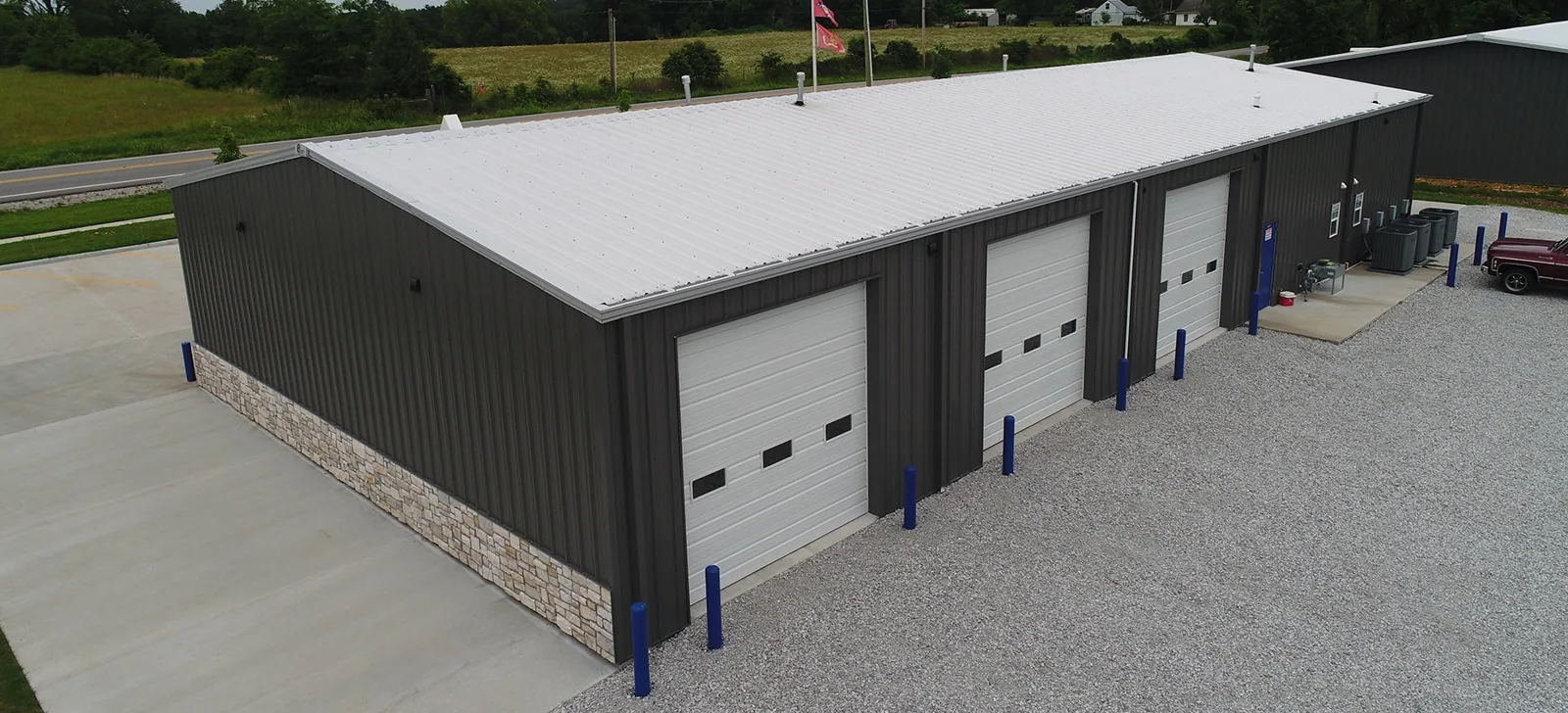
What preparation makes a seam repair durable?
Preparation starts with removing loose, incompatible or contaminated material from the repair area without damaging sound membrane. The exposed surfaces need to be dry and ready for the selected repair method. We establish how far the repair extends beyond the opening, whether a cover strip or reinforcement is appropriate, and how the new work terminates at each end. If the seam is wet below the surface or the membrane has lost attachment, those conditions can change the work boundary.
Nearby foot traffic, equipment servicing and debris can compromise a completed lap. We identify the service route and any protection needed while the repair cures or returns to service under the product requirements. When punctures or cuts appear along the same path, they should be mapped as separate defects; a puncture repair uses a compatible patch detail but does not replace seam work. At completion, we inspect the tie-ins and photograph the repaired length for the owner’s condition record.
When can Salinas roof seams be repaired?
Cool-season rain makes an open seam more urgent when water is reaching occupied or production space. Summer low cloud can leave a roof damp into the morning, so a suitable application period must be checked at the building rather than assumed from the calendar. We assess surface moisture, wind, material requirements and the time available to complete and close the repair. If the roof is not ready, we can document the condition and return when the specified preparation and application conditions can be met.
Near the North Main Street business area or Salinas Ag-Industrial Center, a property may have receiving hours, refrigeration operations or tenant access requirements that affect staging. Those planning areas contain different buildings, so we confirm the actual receiving point, roof hatch and contact with each owner. A repair proposal should identify what can be done in one visit, what must wait for a dry window and how the interior will be protected while the work is underway.
When does a series of seam repairs call for a broader review?
One isolated opening may be repairable when the surrounding membrane remains secure and dry. Repeated seam failures across several roof zones, widespread loss of adhesion or moisture below multiple laps may call for testing or a larger assessment. We map the findings by zone, compare them with prior repairs and explain which unknown could change the recommendation. That gives the owner a way to compare a defined repair with a broader project instead of extending a patch without addressing the condition that keeps recurring.
Replacement is not automatic when a seam opens; the condition of the full assembly and the owner’s operating needs matter. A replacement evaluation can compare the existing roof, proposed system, drainage details and work phases. If a local correction remains appropriate, the scope should still include preparation, tie-ins, protection and closeout. We can also identify maintenance items for a later visit so the owner knows what is complete, what is being monitored and what remains undecided.
What should the roof record show after seam work?
Keep an image of the failed seam before repair, the repaired length after closeout and a record of the roof system and materials used. The report should identify adjacent transitions reviewed, areas not reached and the next inspection point if moisture or attachment remains uncertain. A later service visit can then distinguish a new opening from the earlier correction. Clear records also help the owner evaluate whether recurring leaks share one roof zone or follow separate paths.
The Salinas Valley’s dry months offer a useful period to review seams, flashings and equipment penetrations before the normal winter rain pattern returns. That schedule applies to maintenance planning, not a prediction that all roofs will fail at the same time. Owners can arrange an access window around production or tenant needs and prioritize any seam with active water entry. Share the leak location and available roof records, and we will organize the repair findings and next steps by priority.
Questions Owners Ask
Can a short opening in a seam be patched without replacing the roof?
Often, if the surrounding membrane and attachment are suitable for repair. We inspect the seam limits, nearby material and any moisture evidence, then state whether the correction is local or needs a broader evaluation.
Does a seam split explain every leak beneath that roof zone?
Not by itself. We compare the interior report with seams, penetrations, drains and transitions that could carry water toward the affected area. The condition record identifies the origin supported by the inspection and any remaining question.
Can a repair be made during a foggy morning?
The receiving surface and the repair material’s application requirements determine readiness. We check moisture and weather at the property and schedule installation when the specified conditions can be met.
What if the seam keeps opening after earlier repairs?
Repeated separation can point to a condition beyond the visible lap, including movement, attachment or moisture in the assembly. We map prior repair locations and identify whether testing or broader replacement comparison is warranted.
How do you protect operations during seam repair?
We coordinate the roof zone, material route, interior protection and daily closure with the property contact. The work plan records when the area is open and what access or activity needs to remain clear.
Related Roofing Work
Have the seam and adjoining roof checked
Provide the leak location, prior repair history and operating hours. We will inspect the seam, document what surrounds it and outline a repair or further evaluation for your building.