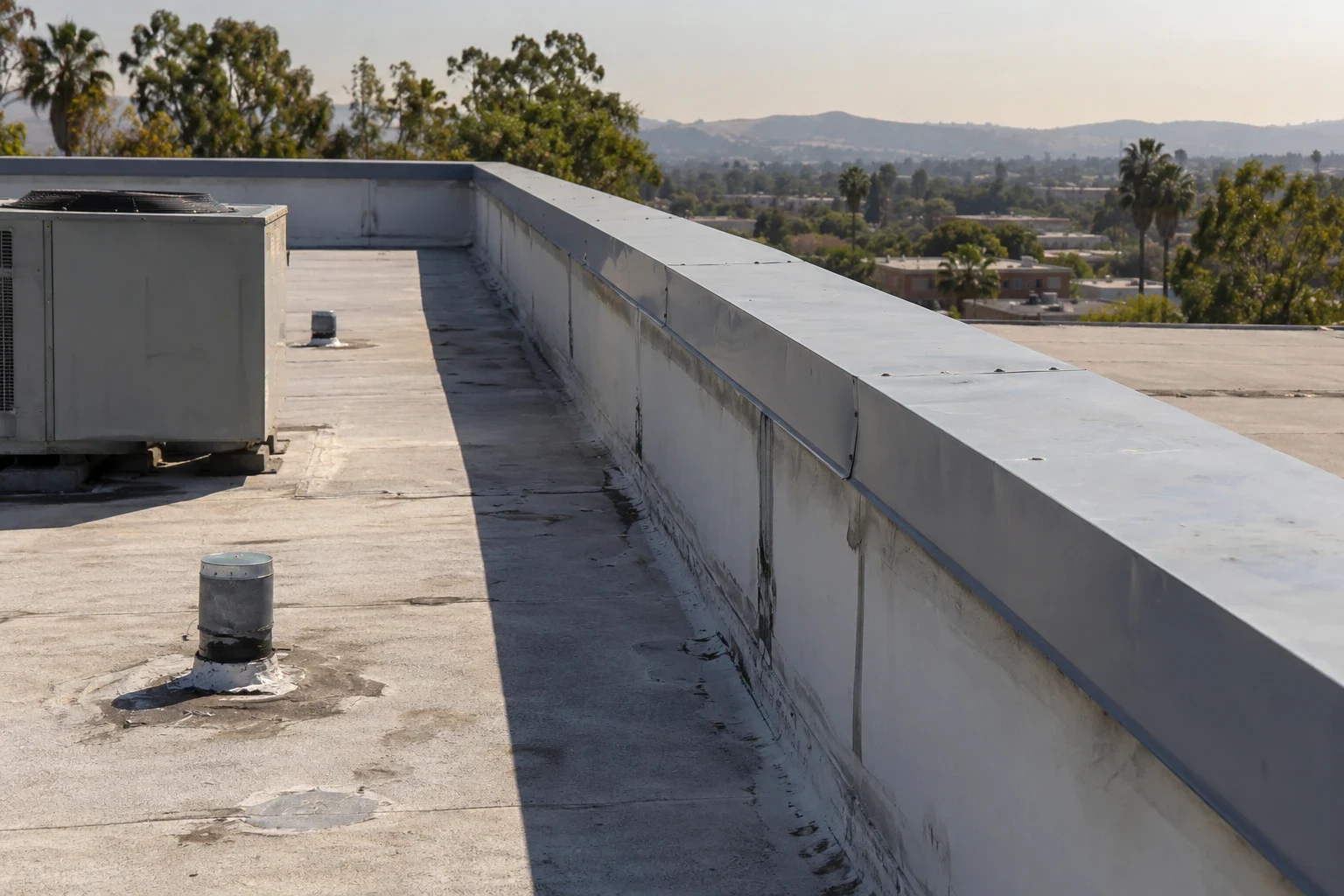

Occupied Building Commercial Reroofing in Salinas, CA
Plan occupied commercial reroofing in Salinas, CA around tenants, deliveries, roof access, interior protection, and daily weather limits.
Overview
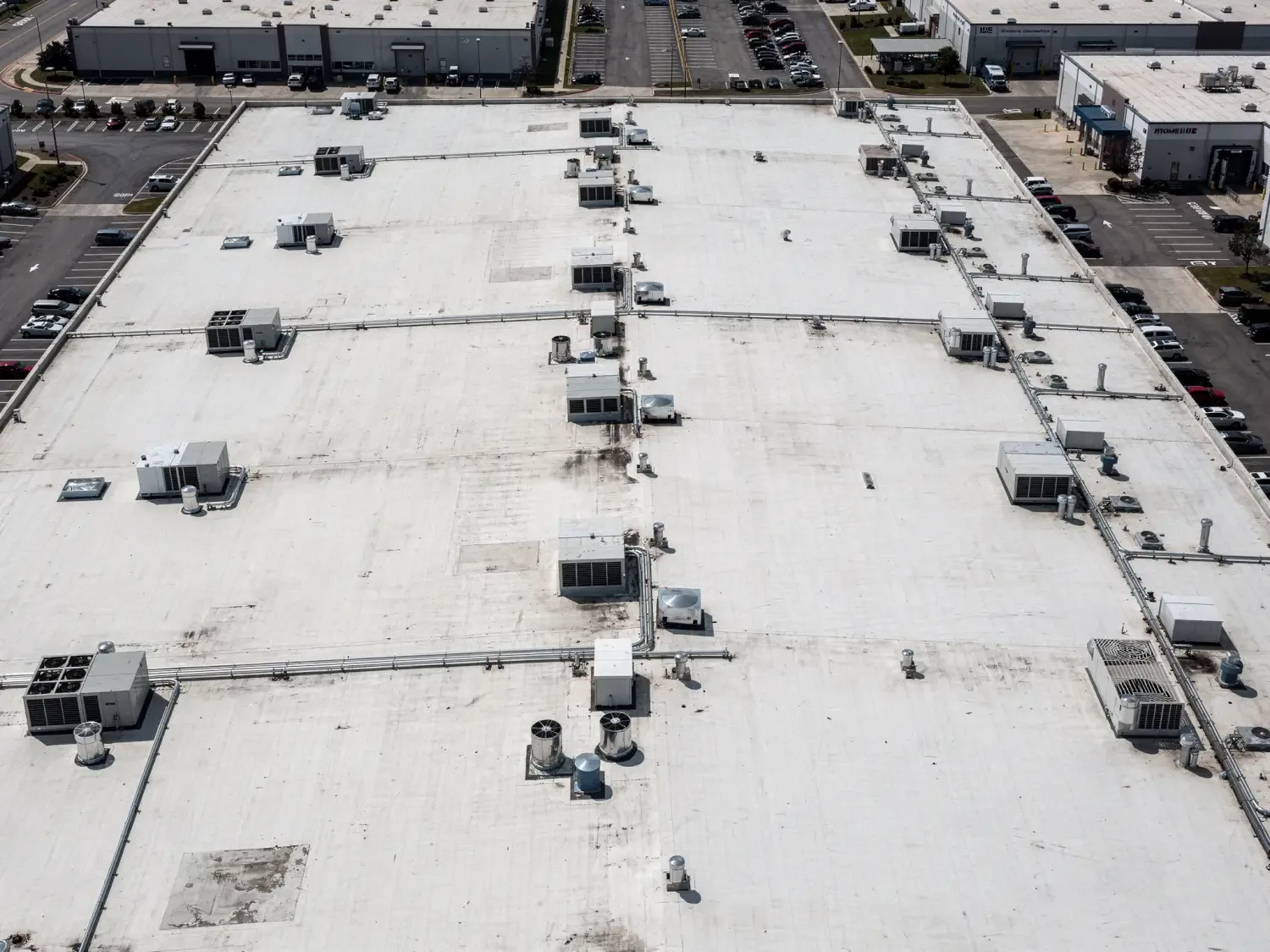
A reroof can proceed while a building stays open when the work area, access route, and daily exposure are planned around the operation. In Salinas, a warehouse, office, or food-processing facility may have deliveries and equipment that cannot simply pause. We divide the roof into workable sections, coordinate protection below, and keep the owner informed about each day’s open and completed areas.
The plan starts with the existing assembly and the building’s schedule. We confirm roof access, interior sensitivities, tenant notice, material staging, and any shutdowns before setting the sequence.
How should the roof be divided into work areas?
A phased plan identifies the roof section opened, the area closed, and the next section that can be reached without disrupting the current work. Boundaries may follow structural bays, roof elevations, drainage zones, or building operations. Each phase needs a secure transition at the end of the shift, with insulation and membrane protected from weather.
We review roof plans, leak history, equipment locations, drains, skylights, and access paths to choose sections. A phase boundary should avoid leaving a vulnerable seam at a low point or across an active route. If a crane or lift is required, the plan also identifies where materials can be staged and how vehicles or pedestrians move below.
At a distribution facility near Airport Boulevard, receiving may require a clear loading area. At a multi-tenant property around Downtown Salinas or Alisal and East Salinas, tenant entrances and parking can set the work boundary. We confirm each property’s constraints with its contact rather than assuming the district determines the schedule.
What needs protection inside the building?
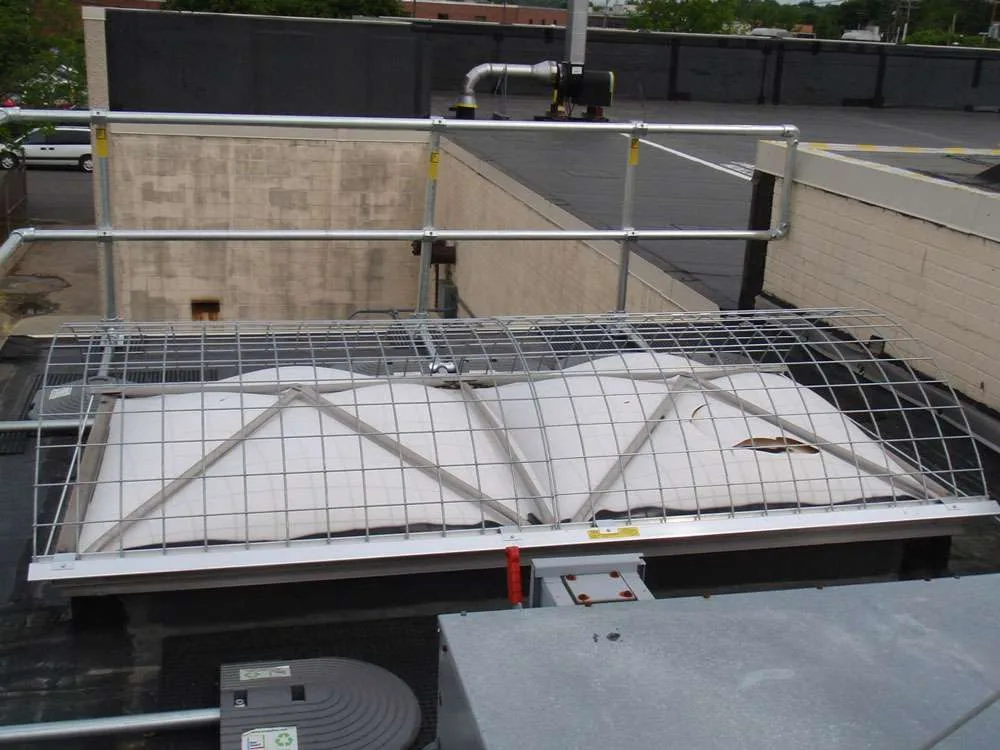
Before tear-off, the facility team can identify sensitive equipment, inventory, finished spaces, food-handling areas, ceiling systems, and rooms where dust or noise is a concern. We establish interior protection and a method for reporting a change in conditions. If an area cannot tolerate an opening above it, the sequence may need a smaller daily section or a different work window.
Roof demolition and fastening create sound and vibration. Material odors or hot work may affect nearby spaces depending on the system selected. We explain the expected tasks and coordinate ventilation or access controls with the building contact. If a life-safety system, process line, or refrigeration unit needs attention, the owner identifies the responsible operator before the work begins.
For occupied buildings with several tenants, notices should identify the affected area and the hours when access changes. The property manager can provide a point person for questions and approvals. We keep the work zone marked, maintain agreed routes, and update the contact when a phase moves or a concealed condition changes the scope.
How do materials and crews move through the site?
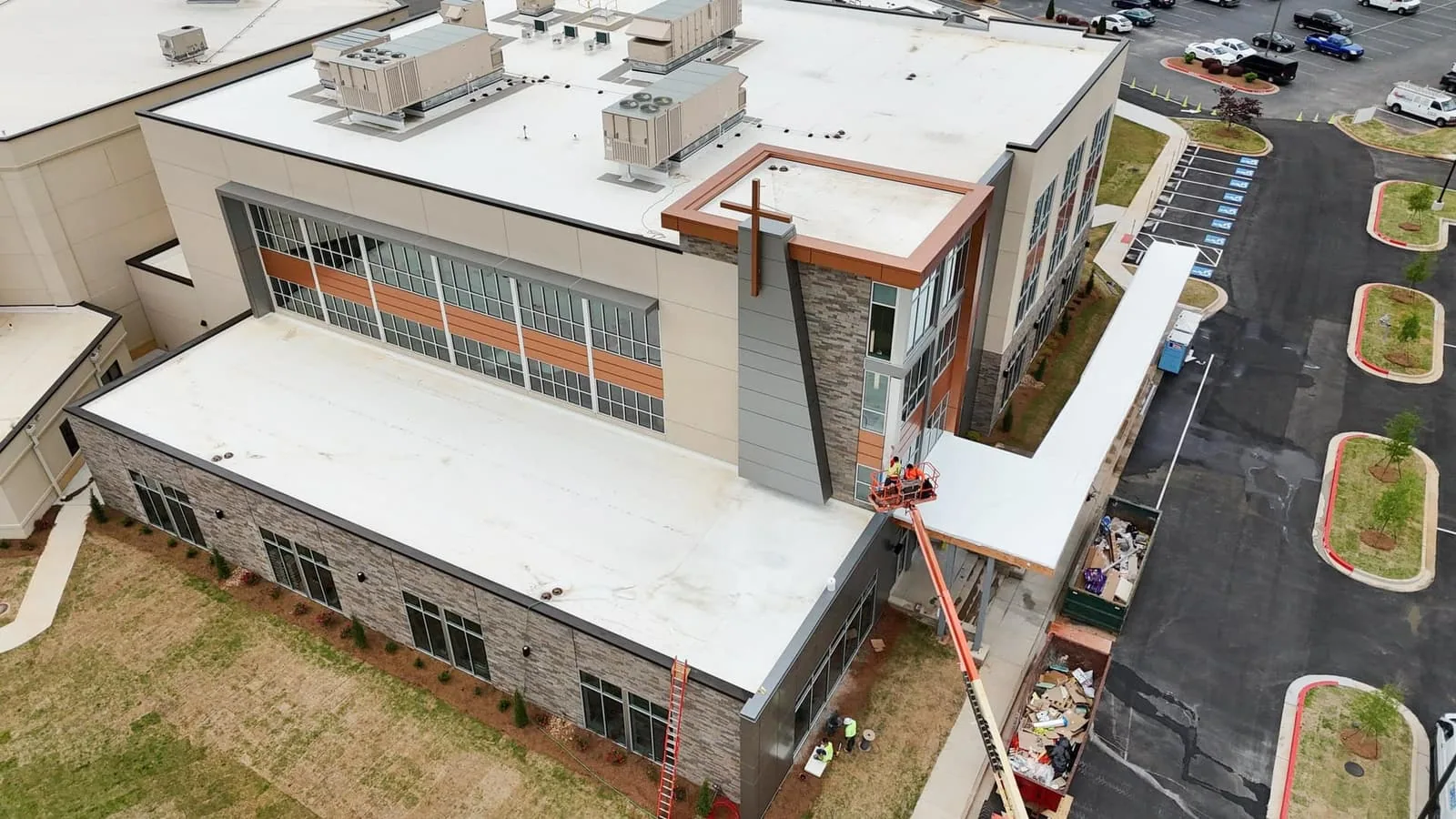
Material delivery, hoisting, roof access, debris removal, and crew parking all affect an active property. We agree on a route that avoids loading conflicts and protects stored products or customer areas. If materials arrive by truck, the owner identifies delivery windows and turning limits.
Industrial and agricultural-support properties around the Salinas Ag-Industrial Center include packaging, warehousing, distribution, and related operations. That market context may make receiving or equipment access important, but the project plan follows the site’s actual layout. We confirm where debris containers can sit, which gates remain open, and how staff reach the building during each phase.
Roof access needs the same coordination. A hatch, ladder, or lift may be shared with maintenance staff. We confirm who can enter, whether escort is required, and which rooftop units must remain accessible.
How does weather affect daily exposure?
Salinas receives most normal precipitation in the cool season, while summer months are generally much drier. Summer fog and low cloud can still leave roof surfaces damp in the morning. We plan each phase around the forecast and check actual surface conditions before installing materials that need dry preparation.
The open area must be sized so the crew can remove the old assembly, inspect the substrate, complete authorized repairs, and install a secure temporary or permanent layer in the available window. If rain or wind approaches, the crew should be able to close the exposed area safely. The owner receives an update if conditions change the sequence.
Cool-season work may need shorter exposure windows or additional temporary protection. Dry-season work still needs a forecast review and protection against overnight moisture. We identify which materials are stored on the roof and how they will be secured, so changing conditions do not create a separate safety or water-entry issue.
What if tear-off reveals a problem?
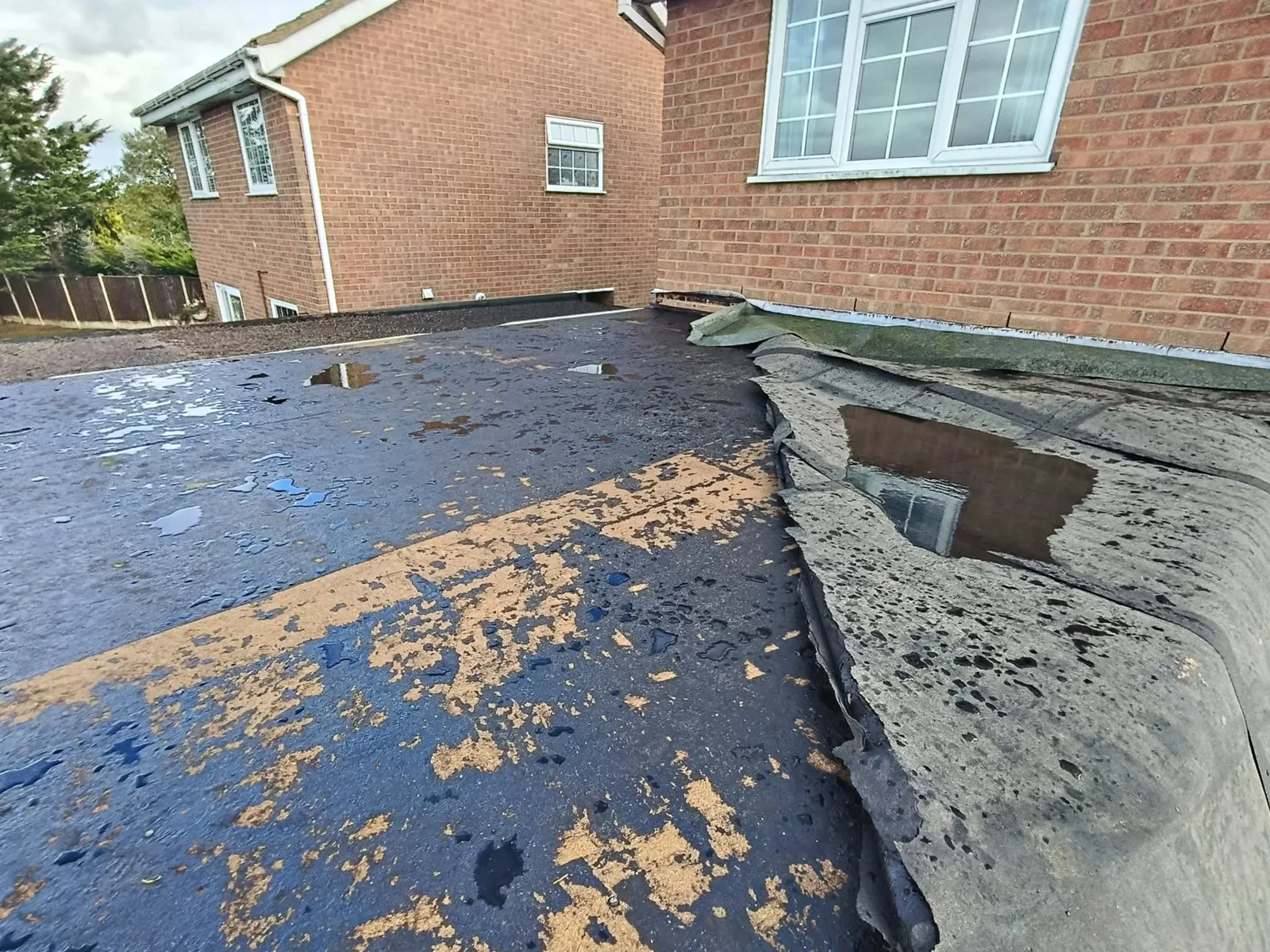
Once material is removed, the crew may find wet insulation, deteriorated deck, old repairs, or a different assembly than the records show. the project specifications should identify how those conditions are photographed, measured, and brought to the owner for approval. We protect the exposed area and explain the repair needed before expanding beyond the authorized scope.
Clear allowances and decision contacts reduce delays. The owner should know who can approve added deck work, who tracks cost changes, and how the schedule changes if a roof zone cannot close as planned. We keep the affected section limited while the next decision is made.
If the discovered condition affects occupied space, we notify the facility contact and agree on temporary protection below. A phase map can show which section is open and which is secure. The project record should later explain how the concealed condition was corrected and what material was installed in its place.
Who needs updates during the project?
A single facility contact should receive the daily sequence, access changes, weather adjustments, and concealed-condition requests. Property managers may need a separate tenant notice. The project team can use a roof-zone map to show the areas complete, the area being worked, and the section scheduled next.
We can agree on a check-in before each phase starts and a closeout after the area is secured. The update should include work completed, any open issue, access limits for the next shift, and whether the interior can return to normal use. If there is a leak or temporary protection, the contact needs a direct way to report it.
For a facility in Castroville or the Airport Industrial Park, the contact can identify local receiving or operating priorities. We keep those priorities in the schedule and document any change before work moves to another roof area.

What should the facility receive at completion?
Closeout records should identify each roof phase, installed materials, repaired deck areas, drain and flashing details, photographs, and remaining work. The owner should know which sections are complete and whether any temporary conditions remain. Any area that could not be included should appear separately with its known condition and next step.
The facility team can keep the roof map with maintenance records and equipment plans. It helps staff understand where future repairs or rooftop service should be coordinated. If a phase boundary or change order affects drainage, curbs, or access, the record should show the new condition rather than rely on a verbal update.
A post-project inspection can document the finished roof and flag any follow-up. A maintenance program can then track drains, seams, flashings, and equipment transitions. The building remains easier to manage when each phase has a clear handoff.
Questions Owners Ask
Can a business remain open during reroofing?
Often, with a phase plan, clear access routes, interior protection, and coordination around deliveries and tenants. The roof area opened each shift and the work below determine the disruption. We confirm those conditions with the facility contact before mobilizing.
How much of the roof is opened each day?
The daily area depends on crew capacity, system installation requirements, weather, and how quickly the substrate can be inspected and closed. The plan should leave the roof secure each shift and state how the sequence changes if concealed repairs are needed.
What should tenants be told before work starts?
Notices should explain affected entrances, parking, noise periods, access restrictions, and whom to contact. The property manager can set notice timing and tenant-specific details. We provide the work sequence and update the contact when phase boundaries change.
What happens if the crew finds wet insulation?
The crew documents the location and extent, protects the open area, and requests direction under the project’s concealed-condition process. The owner decides whether to authorize removal or additional testing, and the schedule is adjusted to close the roof safely.
Related Roofing Work
Build the reroof sequence around the operation
Share tenant schedules, delivery hours, access rules, interior protection needs, and roof plans. We will map the work phases and daily closure plan with your facility contact.