Acrylic Roof Coatings in Salinas, CA
Evaluate acrylic roof coatings in Salinas by surface condition, adhesion, drainage, application weather, and future maintenance needs.
Overview
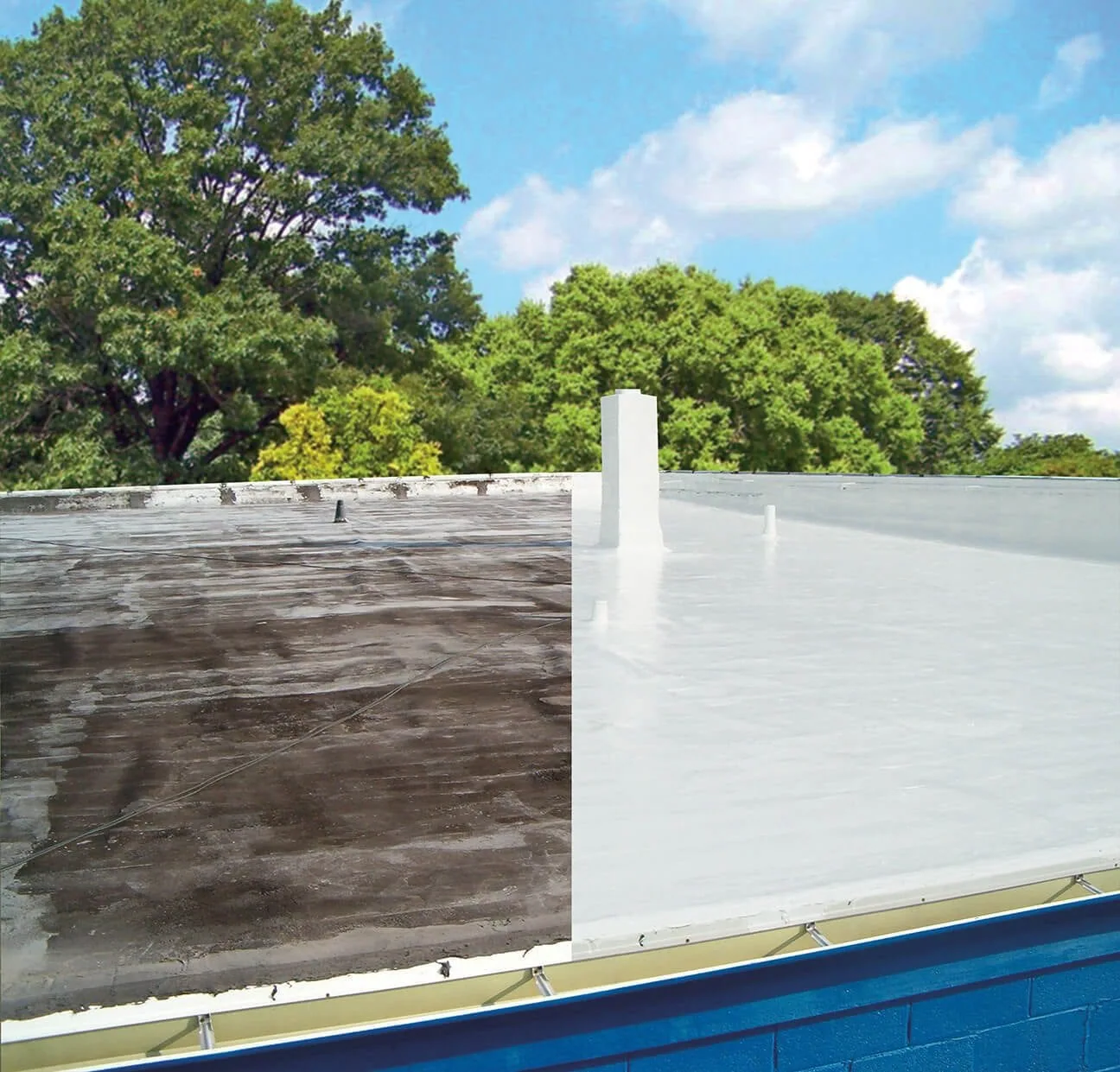
An acrylic roof coating can renew a suitable commercial roof surface, but it does not repair wet insulation, unstable membrane, or a failed flashing by itself. We inspect the existing assembly, confirm the coating can bond to it, and define preparation and repairs before recommending an application. For a Salinas warehouse, office, or agricultural-support property, the roof’s actual condition and operating schedule shape the work plan.
Salinas typically receives most normal rainfall in the cooler months, while summer is much drier. Dry weather can provide a useful application window, but cool fog or overnight moisture still affects the surface. The crew follows the coating’s product requirements and confirms site conditions before work proceeds.
When might an acrylic coating be suitable?
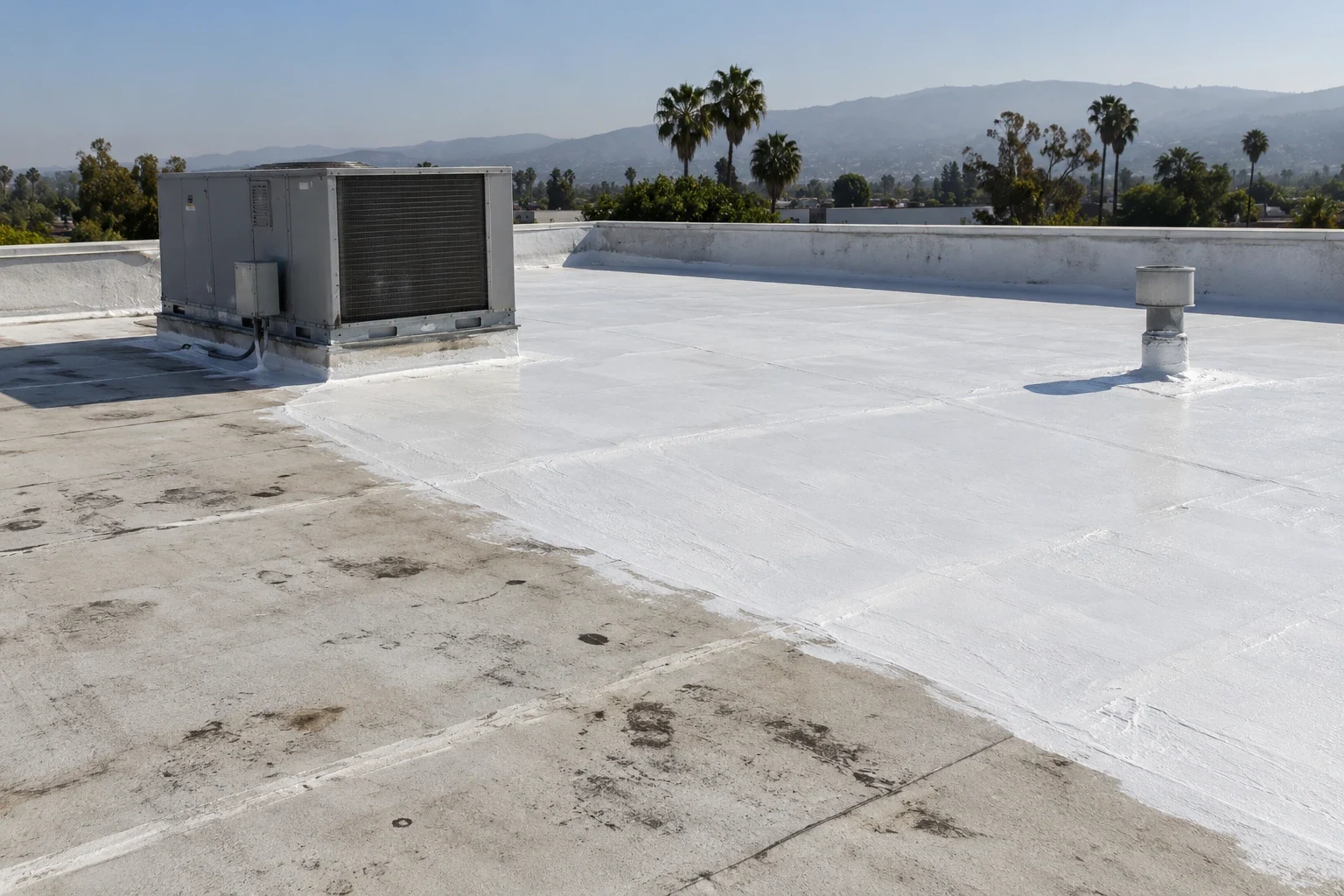
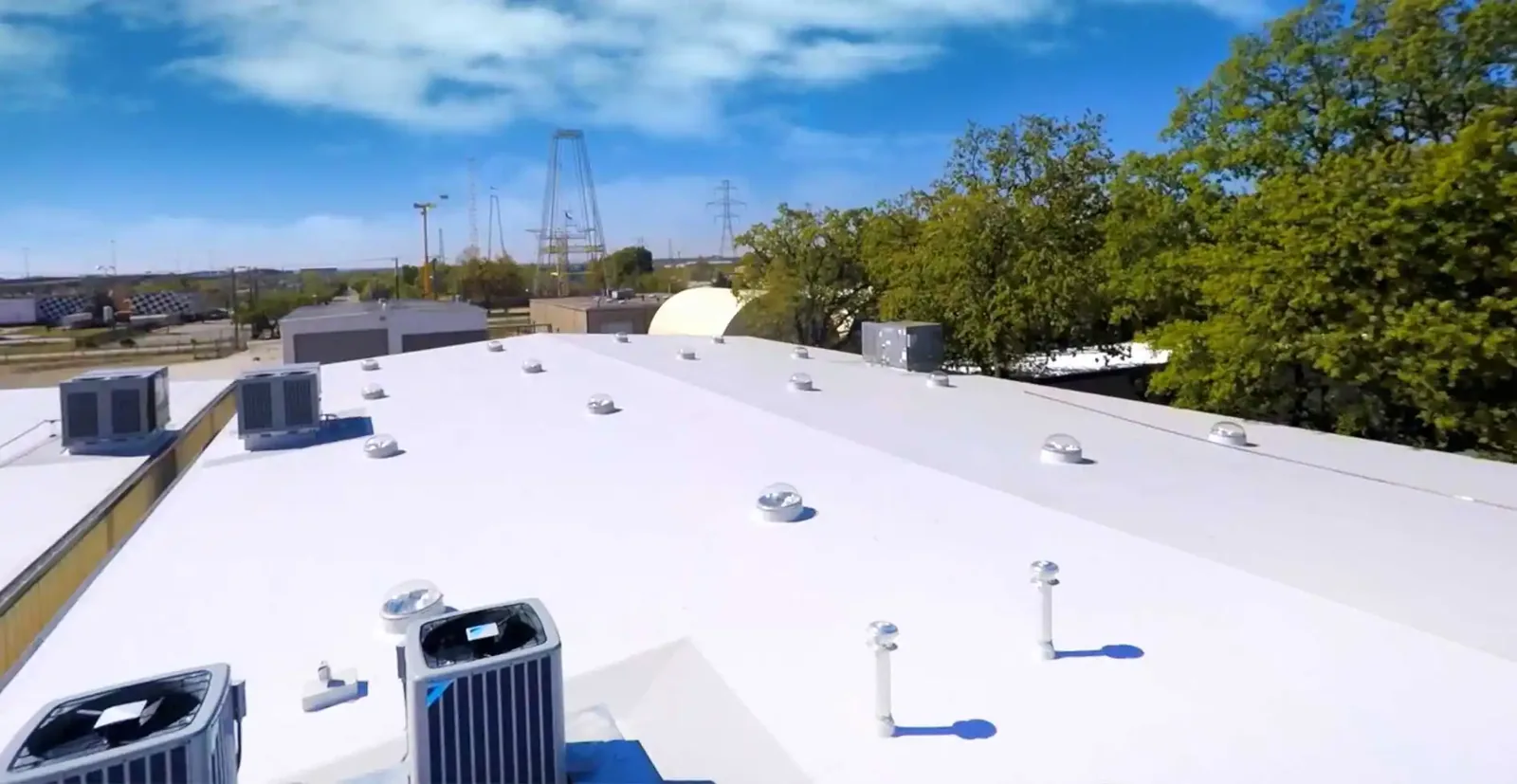
Acrylic coatings are liquid-applied finishes that can protect a compatible surface and provide a reflective roof finish. Their suitability depends on the substrate, drainage, exposure, prior materials, and required preparation. We check the roof for loose coating, open seams, blisters, wet areas, rust, and deteriorated flashings. If the surface cannot support adhesion or the assembly is moving, a new coating may fail with it.
Acrylic and silicone systems have different performance characteristics, particularly around ponding water and moisture exposure. We compare the roof with silicone coating options and spray-foam assemblies where the project calls for a broader evaluation. A coating should be selected for the roof condition and use, not because it appears to offer a single fix for every defect.
What has to be corrected first?
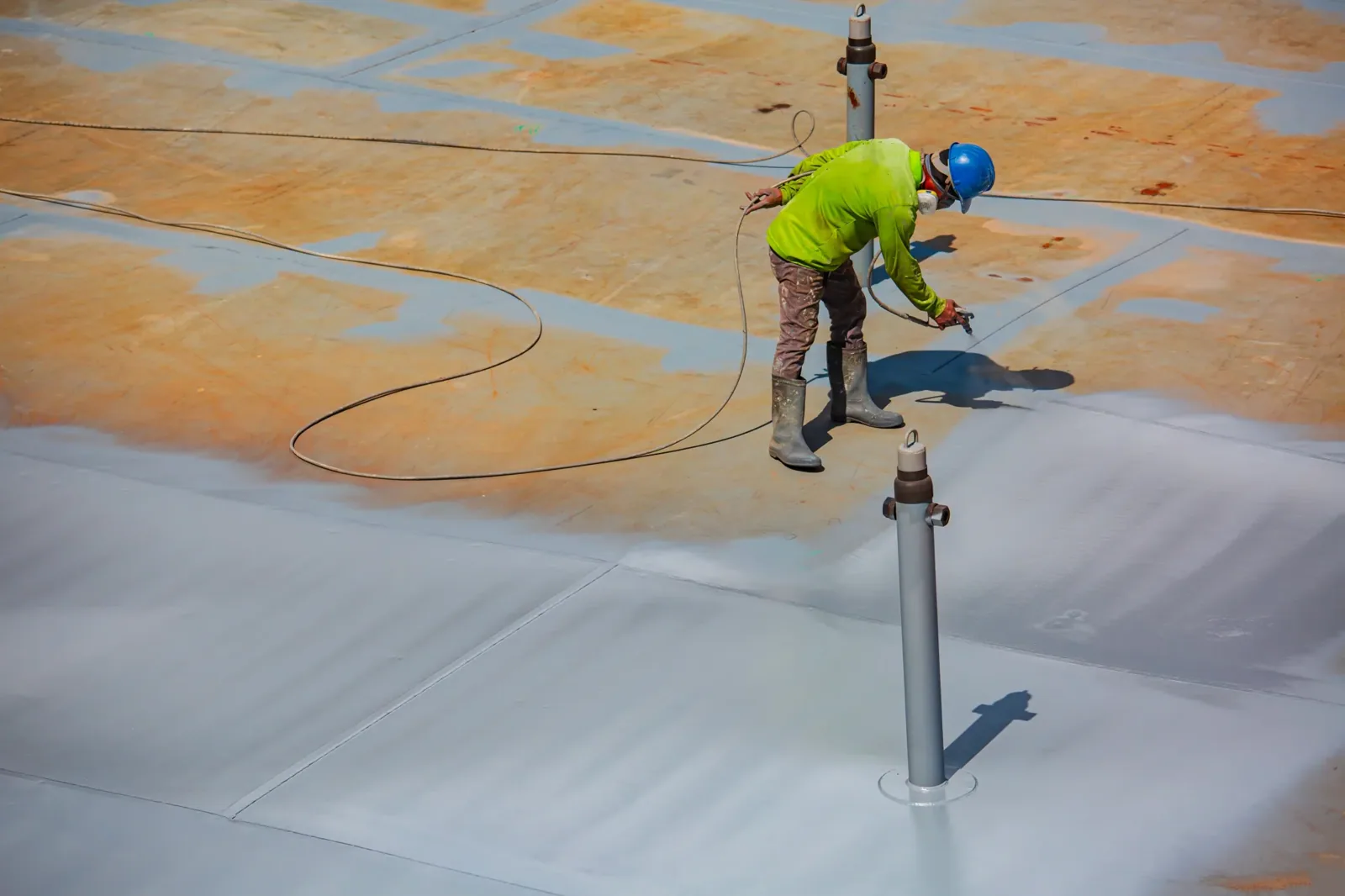
We inspect seams, fasteners, flashings, curbs, drains, scuppers, perimeter metal, and the existing coating. Loose or chalking material may require removal; oily residue, dirt, or biological growth can prevent a bond. Metal roofs may need corrosion treatment, while membrane systems can require special primers. We identify repairs that should be completed before coating and test representative areas when compatibility is uncertain.
Moisture below the surface changes the decision. We review leak history, interior reports, and visible roof conditions, then recommend targeted openings or testing if concealed wet material may remain. A roof inspection records the affected zones; leak repair work can address openings before the coating is applied. The owner should know what is being covered and why that material can remain.
Why does application weather matter?
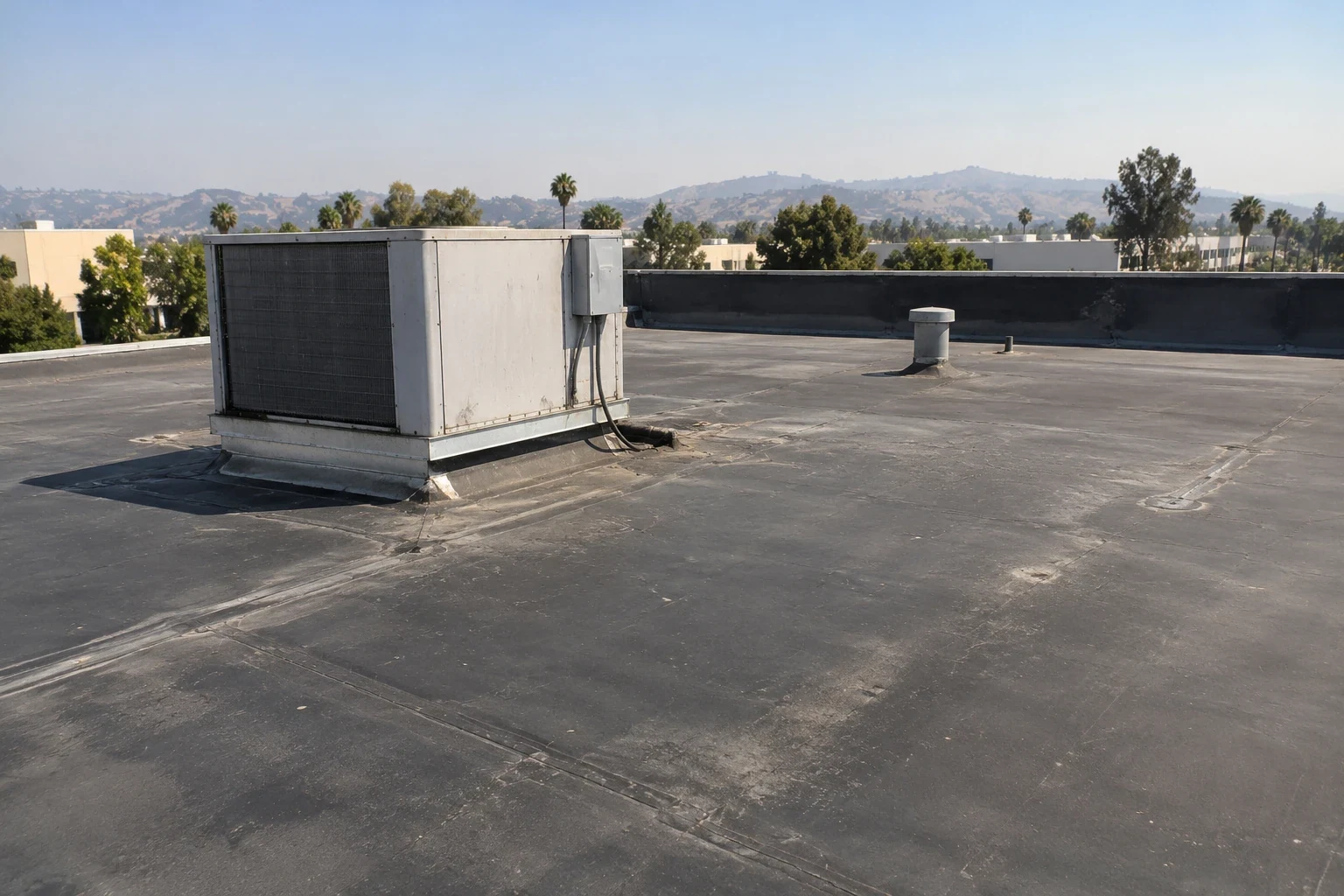
Acrylic products are commonly water-based and need suitable air and surface temperatures, drying conditions, and time without rain while they cure. Cool mornings, fog, dew, or a sudden change in weather can delay application or require a different sequence. We check the roof and the forecast, then proceed only when the product’s requirements can be met. A coating that is applied to a damp surface may not bond as intended.
The schedule should account for cleaning, repairs, primer, coating passes, and cure time. Crews protect air intakes and nearby surfaces during work, and they leave unfinished edges protected if weather interrupts. At a building in Salinas Business Park, the property contact should also identify delivery peaks, vehicle locations, and access routes that could be affected by cleaning or staging. These details help keep the application area controlled.
Does a coating correct ponding?
Acrylic coatings should not be treated as a solution for prolonged ponding. We look at drains, scuppers, overflow routes, and roof slope to find why water remains. If the outlet is blocked, it may need cleaning or repair. If the roof geometry holds water, correcting slope may require insulation or structural work beyond the coating. The proposal should say whether drainage changes are included or whether the coating follows the existing surface.
Even a reflective coating needs a clean path to the drain. We remove debris, repair the membrane around outlets, and confirm the selected product is suitable for the drain and flashing materials. Drain and scupper repairs are coordinated with coating edges so water cannot reach an unsealed transition. If the roof has recurring ponding, the owner should understand how that condition affects cleaning, inspection, and future recoat decisions.
How should the coating be applied and maintained?
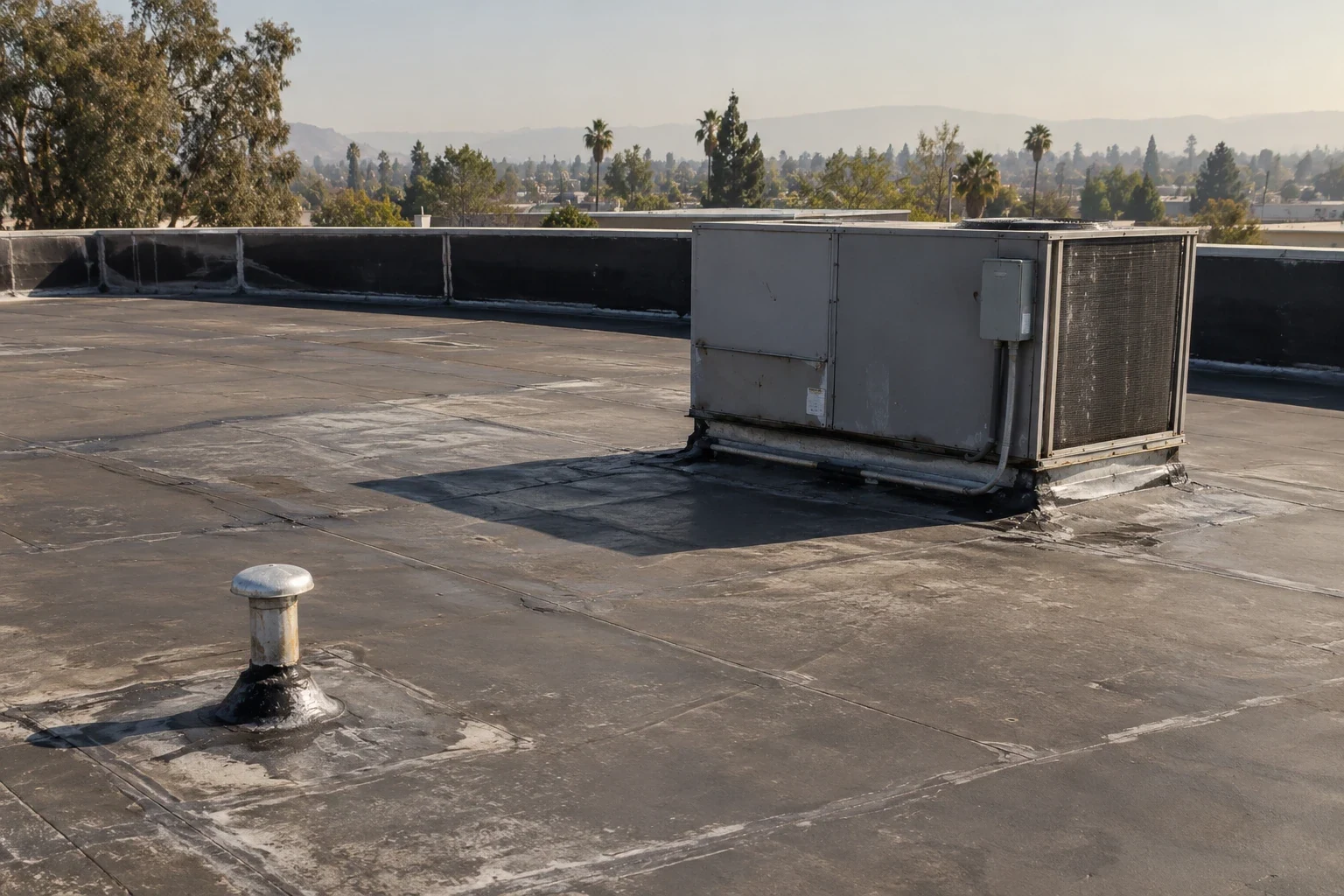
Application rate, reinforcement, primer, and number of passes depend on the selected system and the roof’s details. We establish coverage requirements and record the areas completed. Corners, laps, penetrations, and repair patches may need additional fabric or coating steps. The finished surface should be checked for missed areas, pinholes, thin coverage, and incomplete transitions before the crew leaves the roof.
Future coating depends on adhesion and the condition below. A new layer can be added only when the existing coating remains suitable and compatible. We clean and test representative areas first, then repair any substrate defects. Restoration planning should include the coating history, areas excluded from coverage, and the maintenance needed to keep drains and flashings serviceable. If the membrane or insulation is wet, recoating does not resolve that underlying condition.
How can coating work fit the facility?
Cleaning and application can affect vehicles, intakes, pedestrians, tenants, and the work happening indoors. Before starting, we map where materials will be staged, how runoff or overspray will be controlled, and which roof sections are active. Food production, office occupancy, and receiving schedules may require distinct controls. The building contact should know when an area is closed and when it can return to normal access.
Commercial work in Alisal and East Salinas includes varied building types, so we confirm each site’s operating constraints rather than assuming they match a neighboring property. A crew may need to shift work away from an intake or loading area and protect the roof at each shift boundary. Occupied-building coordination lays out the notice and access sequence. The closeout record should identify the coating, repairs, completed zones, and any surface that needs follow-up testing.
When is repair or replacement a better choice?
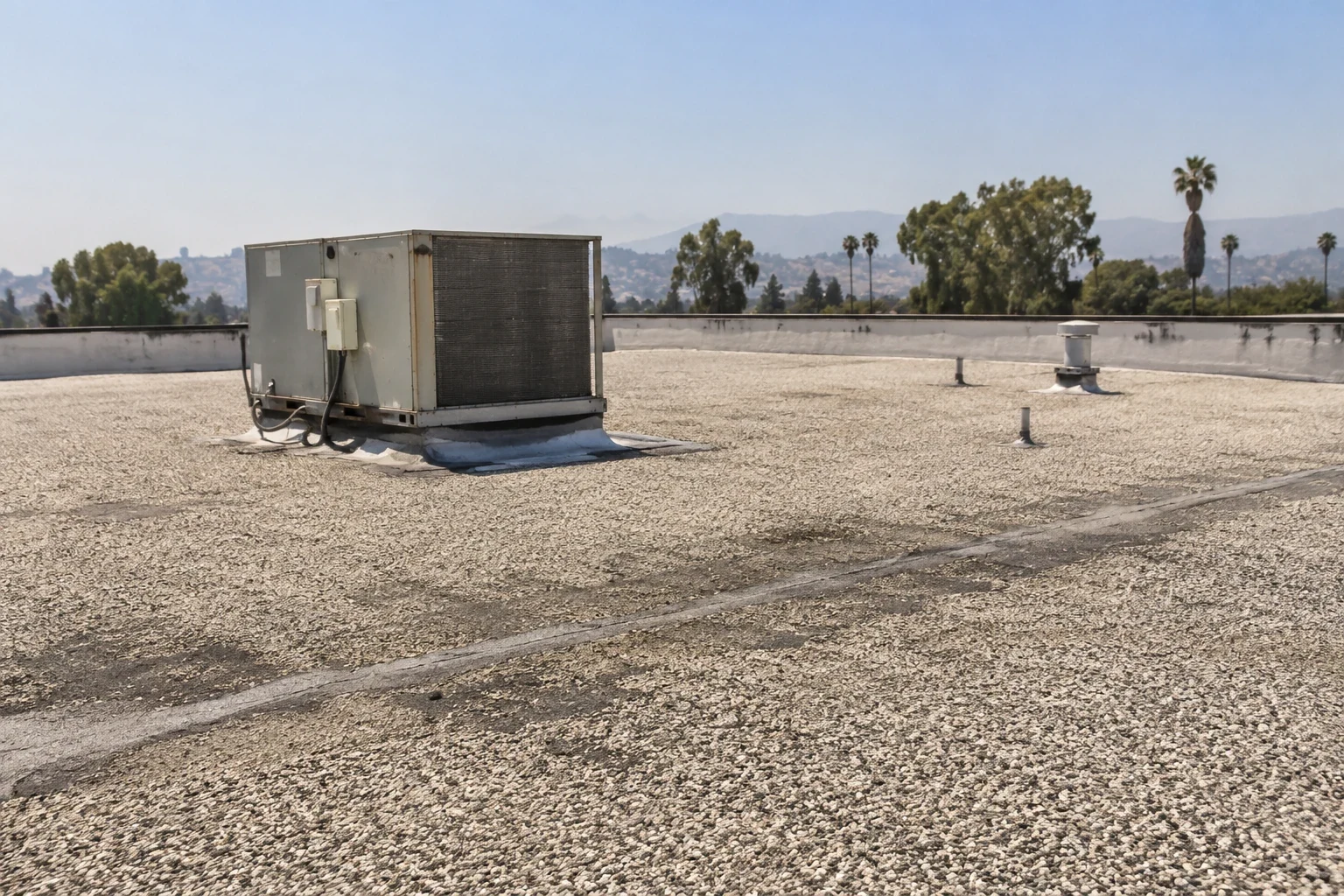
Coating is most useful when the existing assembly remains serviceable and the work can restore its exposed surface. Local seam or flashing defects should be repaired first, and any wet or loose layers need a separate correction. If the roof has widespread moisture, failing attachment, or deteriorated membrane, a coating may only delay a necessary replacement while leaving the cause in place. We explain those limits from the inspection findings.
Regular roof checks help show whether a coating remains bonded and whether other trades have damaged it. A maintenance visit can track drains, flashings, service routes, and coating wear. When multiple roof zones have failed, a replacement review can compare the remaining life and repair needs of the existing system with a new assembly. The owner’s decision should account for preparation, access, and future maintenance as well as initial scope.
Questions Owners Ask
Can acrylic coating go over a commercial membrane?
Sometimes, when the membrane is stable, dry, clean, and compatible with the coating. We inspect the surface and details, test adhesion where needed, and repair defects before application.
Is acrylic coating suitable where water ponds?
Acrylic systems are not intended to solve prolonged ponding. We inspect outlets and roof slope and identify any drainage correction needed before coating. The proposal should state whether the existing geometry remains.
Can acrylic coating be applied on a foggy morning?
The surface needs to meet the product’s moisture, temperature, and cure requirements. We check for dew and changing conditions at the site and schedule application for a suitable weather window.
How often should an acrylic roof be recoated?
The timing depends on coating type, coverage, exposure, roof condition, and maintenance. We inspect the existing layer and test adhesion before recommending another coat; product guidance and actual wear inform the plan.
Related Roofing Work
Check the coating surface before renewing it
Share the existing roof system, prior coating history, leak reports, and access requirements. We will inspect the assembly, identify preparation needs, and explain whether acrylic coating fits the roof.