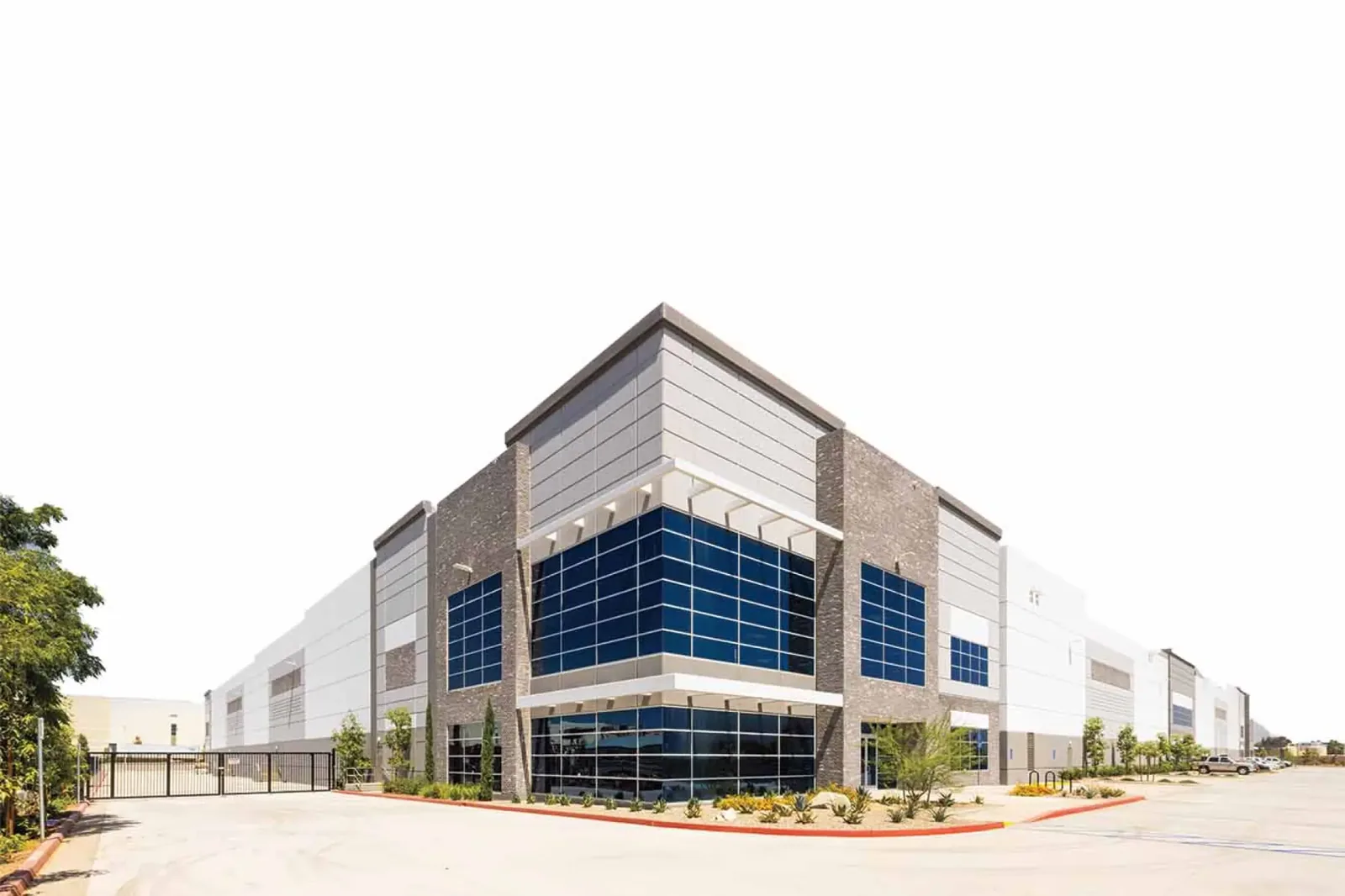
Commercial Roofing for Insurance Restoration in Salinas, CA
Document commercial roof damage and restoration in Salinas with dated photos, repair boundaries, moisture findings, and clear scope assumptions.
Overview
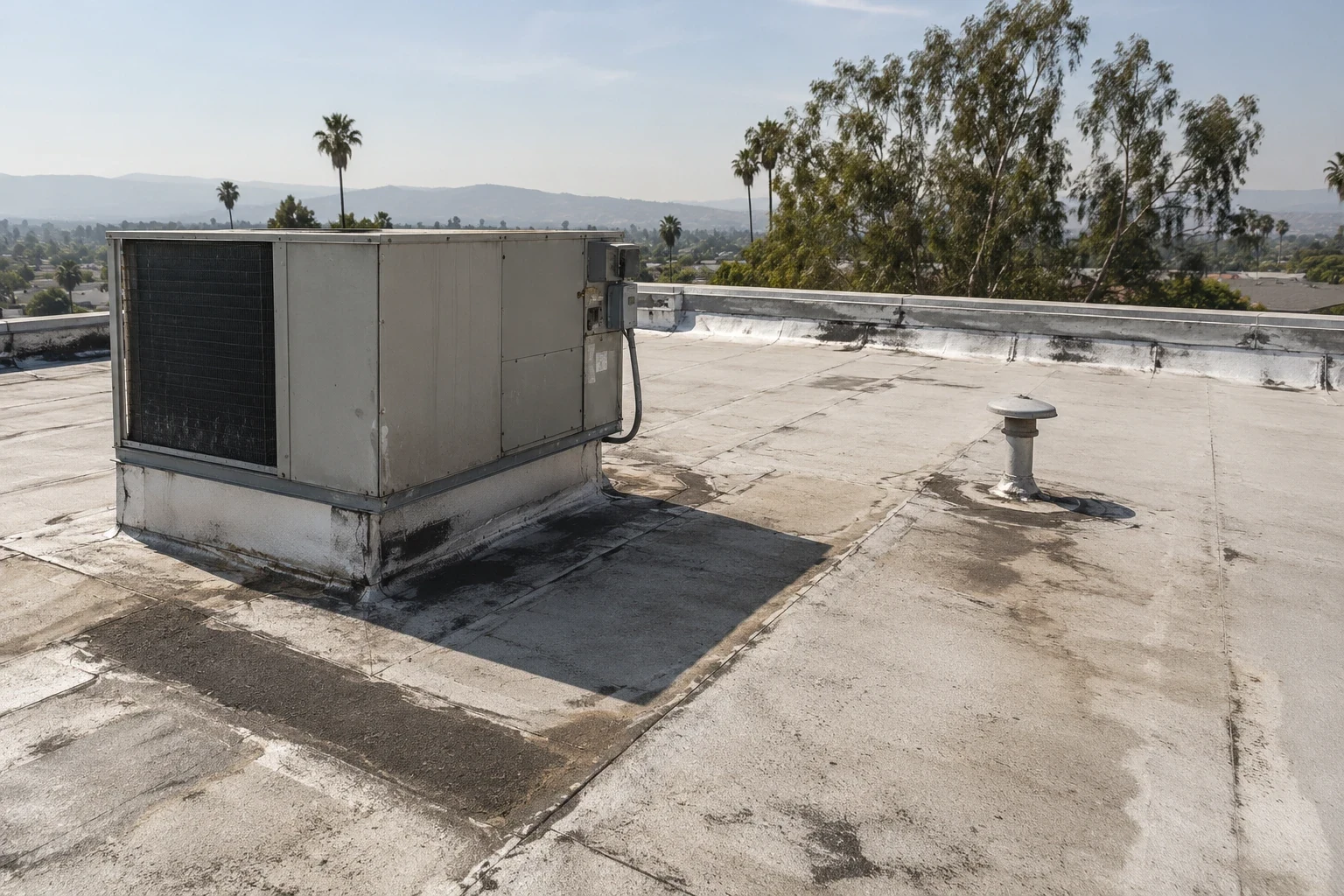
After a roof loss, the property owner needs a record that connects the reported event, interior effects, and visible roof conditions. A stain, lifted edge, puncture, or damaged flashing may be related, but each item needs an inspected location and a defined repair boundary. Salinas weather normals show most precipitation falls in the cool season, while summer brings frequent valley fog and low cloud cover. We inspect the roof assembly and document what the building shows on the visit date.
Our review can include hands-on inspection, drone imagery, infrared moisture survey, written findings, and photographs. We separate immediate protection from permanent restoration and identify areas that require more access or testing. A commercial roof claim documentation review can give the owner a usable record of the observed roof conditions and work options.
What should the property record after damage?
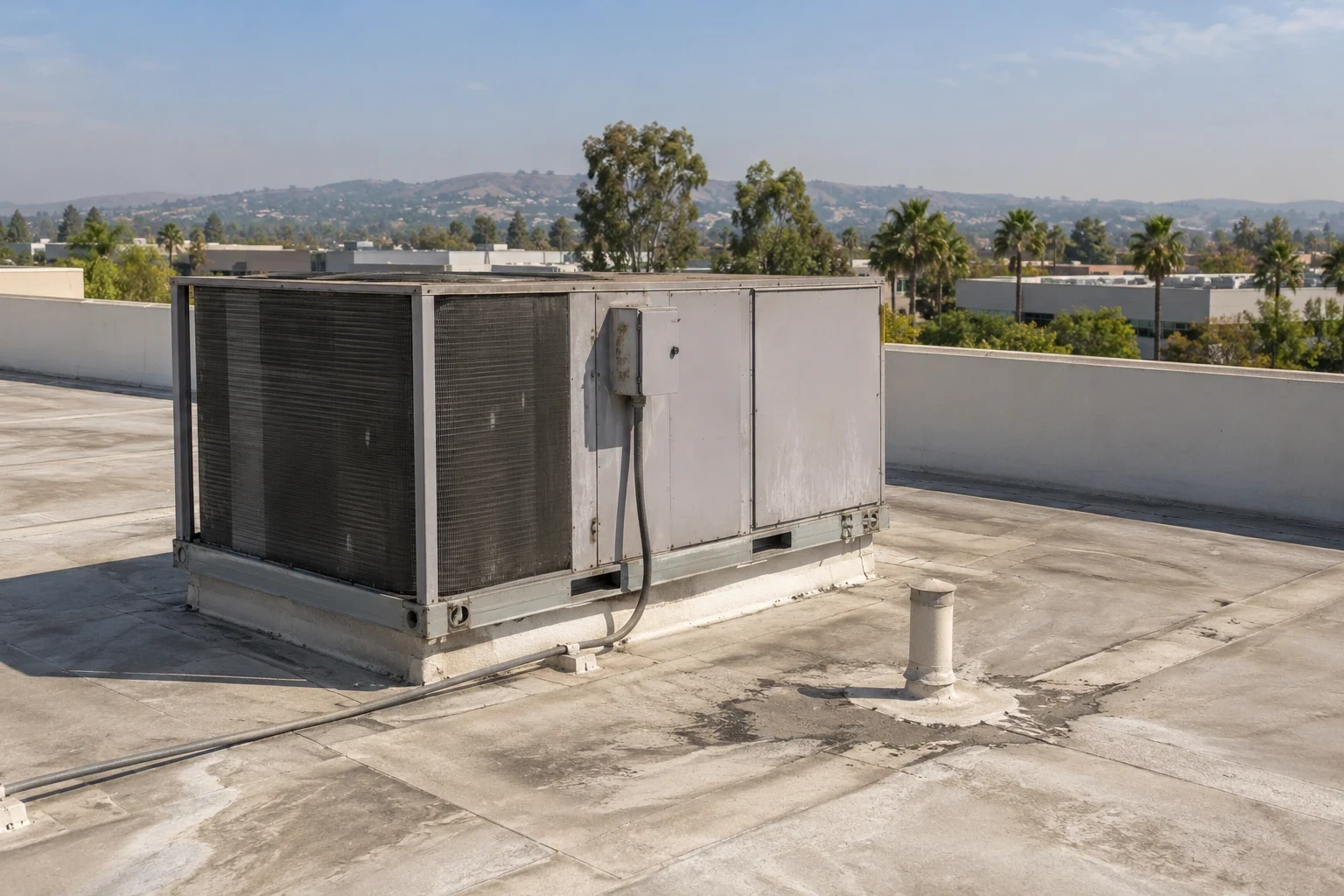
Record when water was first observed, which rooms or equipment were affected, and whether the condition changed after rain or wind. Preserve photos of the interior and roof from the time they were taken, along with prior repair records if available. We inspect the reported areas, map roof zones, and photograph visible seams, flashing, penetrations, edges, and drainage details relevant to the condition.
A roof defect can be hard to see from the ground, and the ceiling mark may be offset from where water entered. We trace likely paths and state what is visible, what is concealed, and which opening or test could resolve an open question. For continuing water entry, call for emergency help whenever it occurs, then preserve photos before the permanent scope is set. Temporary protection is recorded separately from work intended to restore the roof assembly.
For buildings in Downtown Salinas or the Airport Industrial Park, property use and access differ, while the roof record still needs the same basic link between location, observation, and recommended action. We can arrange a review near the Salinas Ag-Industrial Center with access confirmed by the facility contact.
How are damage and existing conditions separated?
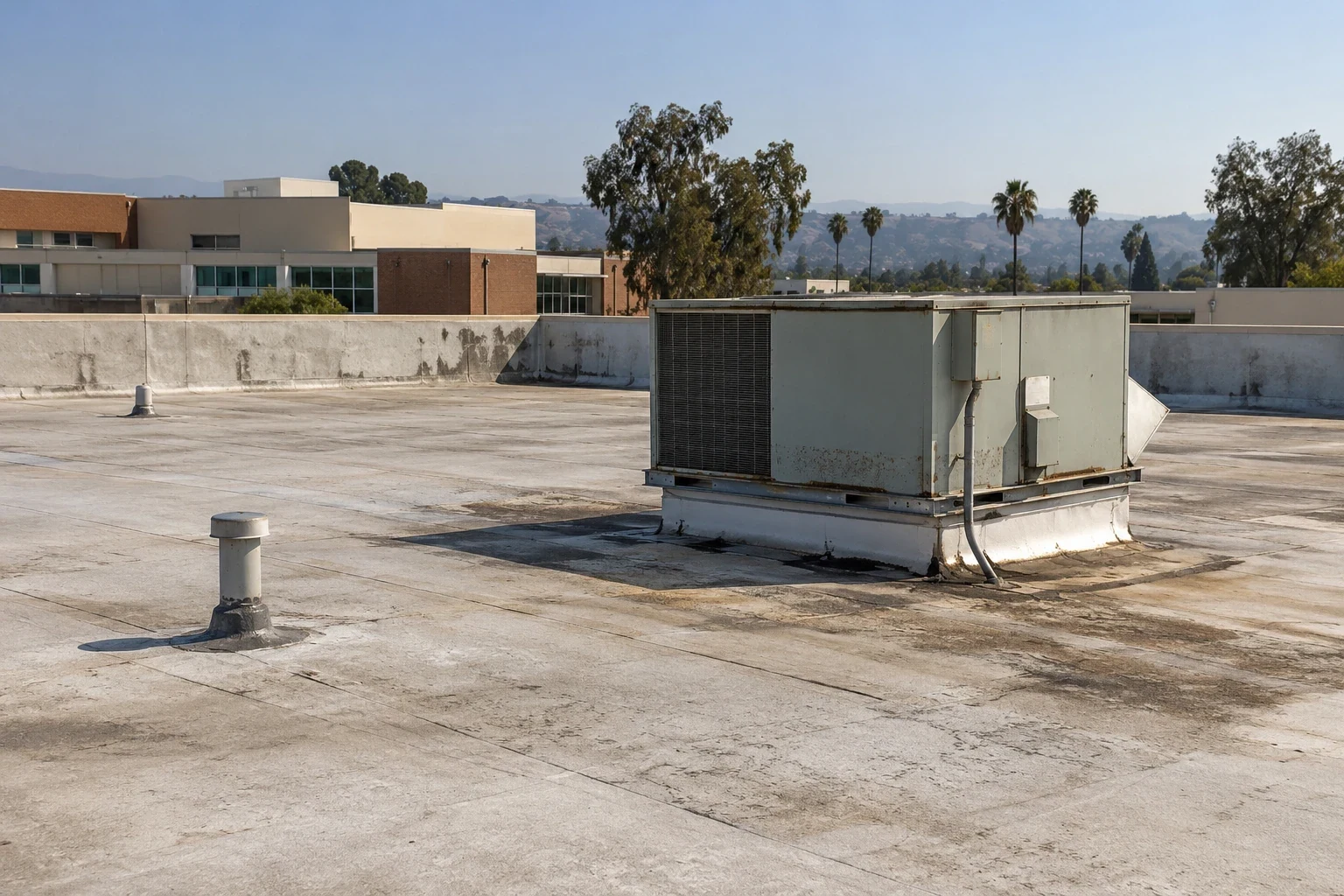
We describe the observed condition and its location without assigning a cause beyond what the roof evidence supports. A puncture, open seam, displaced edge, or damaged curb flashing can be documented as a physical condition. Nearby materials and prior patches also matter because they can affect the repair tie-in. Where the roof surface shows wear or older repairs, we record them separately from a condition associated with the reported incident.
Drone views can show broad roof areas and help direct a closer inspection, while hands-on examination confirms accessible details and surface conditions. Thermal readings can indicate a location for further investigation but do not establish moisture by themselves. An infrared moisture survey can guide sampling or opening when concealed wet insulation would change the scope. Findings should identify the method and limit of the observation.
Salinas and Moss Landing represent inland and coastal communities in Monterey County. Their exposure can differ, so inland weather normals should not be applied as a diagnosis to a coastal property. We record the actual roof and site conditions at the inspected address and connect local context to the work only where it helps explain access or timing.
What drives a restoration scope?
The scope depends on the affected roof area, assembly, attachment, substrate, edge and drain details, interior protection, and access for materials. We show where repair is localized and where testing may determine whether additional insulation or deck needs attention. If recovery or replacement is considered, the comparison explains preparation, tear-off, disposal, equipment movement, and tie-ins. Those details make a scope easier to review than a broad line item that leaves the work boundary unclear.
Salinas Ordinance 2690 put the 2025 building standards cycle into effect on January 1, 2026. If proposed work changes structural or fire assemblies, project-specific review may be needed through the City Permit Center. We identify the affected assembly and proposed work so the owner can confirm applicable requirements before the restoration begins.
For an industrial facility, a manufacturer roof review can keep production access tied to the restoration sequence. If damage affects flashing, the repair plan should identify the transition and compatible material. A flashing repair handles that detail as part of the documented scope.
When does restoration become a larger project?
A repair can be appropriate when damage is localized and the surrounding roof can accept a compatible connection. We identify the repair boundary, nearby conditions, and any limit on what the inspection could see. If there is extensive wet insulation, separated layers, damaged deck, or recurring water entry across multiple zones, the owner may need a broader evaluation before choosing between restoration and replacement.
For an occupied building, temporary protection and phasing may be as important as the material selection. We set an access window, identify rooms below, and plan how each exposed area will be made weather-tight at the end of the shift. A phased occupied-building reroof can account for staff, tenants, or production activity during the work.
Claim documentation should preserve the difference between observed damage, pre-existing conditions, temporary measures, and proposed permanent repairs. A roof condition report can organize those findings by roof zone and pair photographs with the recommended action. We state open questions without presenting uncertain areas as confirmed damage.

What should the owner keep after the work?
Keep the inspection date, weather and access conditions, photos, roof assembly where known, repair area, materials used, and any condition left for follow-up. If an area was not accessible or remains concealed, record that limit. After work, completion photos should show the repaired detail and adjacent transitions so a later inspection can compare the same location.
A chain or multi-property owner should preserve records separately by building. A property portfolio roof record can hold incident reports, maintenance history, and completed repairs at the asset level. For a facility in Downtown Salinas, local occupancy and access records can sit beside the roof finding without substituting for the physical inspection.
Schedule a follow-up inspection after permanent work when the repair boundary or concealed condition calls for confirmation. The record can identify whether the reported interior symptom stopped, whether a new condition appeared, and which maintenance item remains open.
Questions Owners Ask
Can you document roof damage before the insurer visits?
We can inspect and photograph visible roof conditions, record reported interior effects, and identify areas that need additional testing. The record states the inspection date and method so it can be reviewed alongside incident records and other evaluations.
Does an infrared image prove that insulation is wet?
No. Thermal patterns can identify areas for closer examination, but another condition may produce a similar reading. We explain what the survey indicates and recommend sampling or opening only where the result could change the repair scope.
How are emergency measures shown in the final scope?
We list temporary protection separately from permanent restoration and photograph the condition before and after accessible work. That keeps immediate water control distinct from repairs to seams, membrane, flashing, or other roof details.
What if the roof already had older repairs?
We photograph and describe visible prior work, then inspect how it meets the surrounding membrane. Existing repairs are recorded separately from the reported damage unless the roof evidence shows a direct relationship.
When should the owner consider replacement instead of repair?
The decision follows the extent of damaged or deteriorated material, the condition below the surface, and whether the roof can accept compatible repairs. We identify what is confirmed and what needs testing before comparing restoration and replacement.
Related Roofing Work
Arrange a documented roof damage review
Schedule a Salinas roof review with the property contact and available incident records. We will document visible conditions, separate temporary protection from permanent repairs, and organize the findings for the next claim or repair decision.