
Commercial Roof Insurance Claim Assistance in Salinas, CA
Document commercial roof conditions for an insurance claim in Salinas, CA with dated photos, inspection findings, and a clear repair record.
Overview
A roof claim file is stronger when it separates what the roof shows from what anyone believes caused it. For Salinas property owners, we can inspect visible conditions, document the affected areas, and prepare a repair scope with photos and material details. The owner can use that record when communicating with an insurer, while the insurer and policyholder make coverage decisions.
We keep the building’s operating needs in view during the inspection. A leak over inventory, a lifted edge above a tenant area, or damage around equipment may need temporary protection before a full claim review is complete. Our role is to describe the roof and work performed clearly, then identify any unanswered technical questions that need another inspection or test.
What information should the roof file preserve?
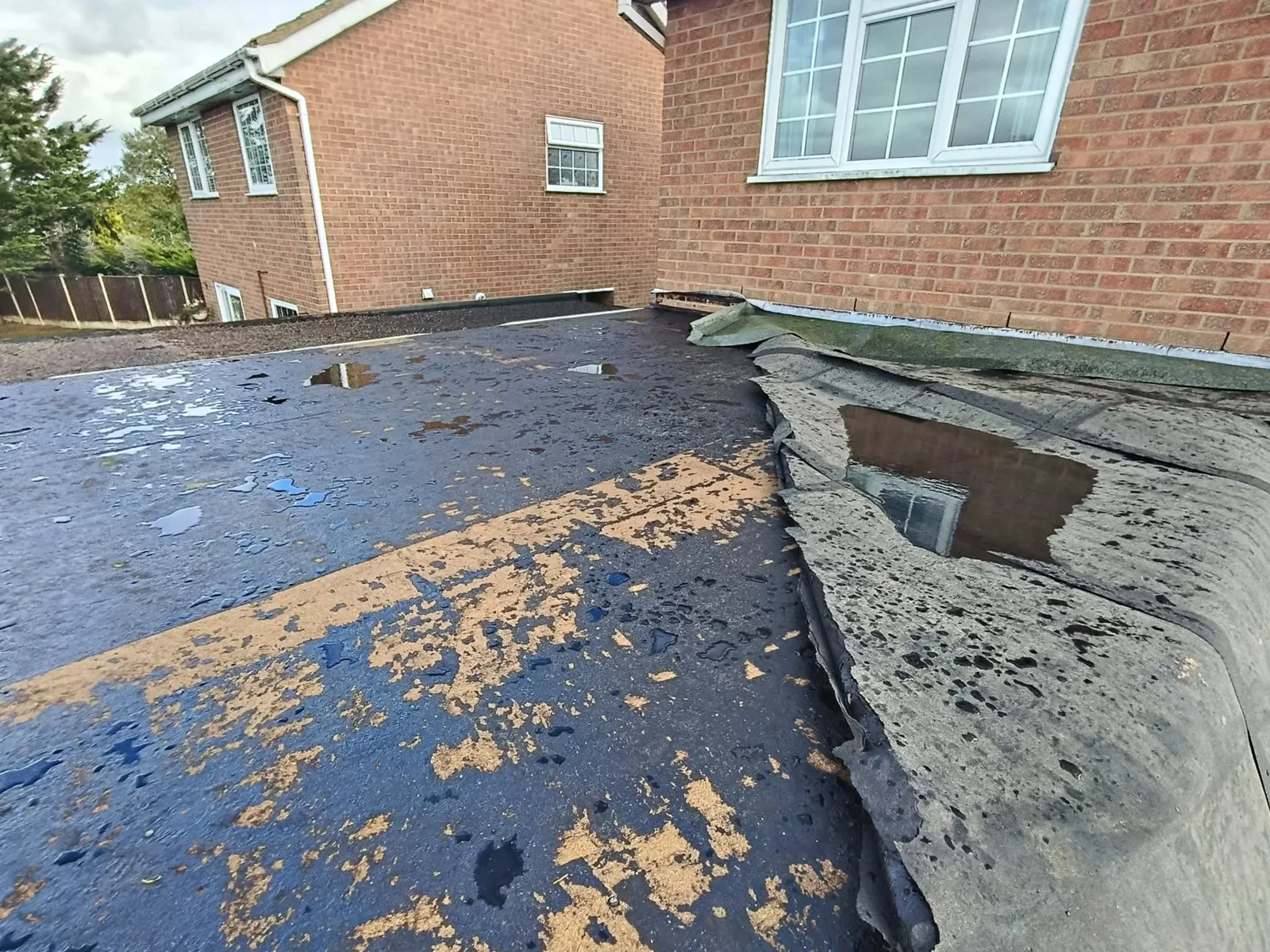
A useful record starts with the date and reported location of the problem. We identify the building and roof zone, document the visible condition, and photograph both the detail and its surrounding area. Close images can show an open seam or displaced flashing; wider views help another person locate the same point during a later inspection.
The report may include the roof assembly where it can be identified, observed damage, interior symptoms provided by the owner, temporary protection, completed repairs, and any areas not accessible. We distinguish direct observations from reported timing or suspected cause. If moisture below the membrane is uncertain, the file can identify a targeted moisture survey or sample locations as a possible follow-up.
Owners should retain their own incident records, weather information, maintenance records, prior repair scopes, approvals, and insurer correspondence. Those materials can help establish a timeline alongside the roof inspection. We can provide photographs and work documentation for the services performed, but we do not decide whether a loss is covered.
How do we inspect the reported damage?
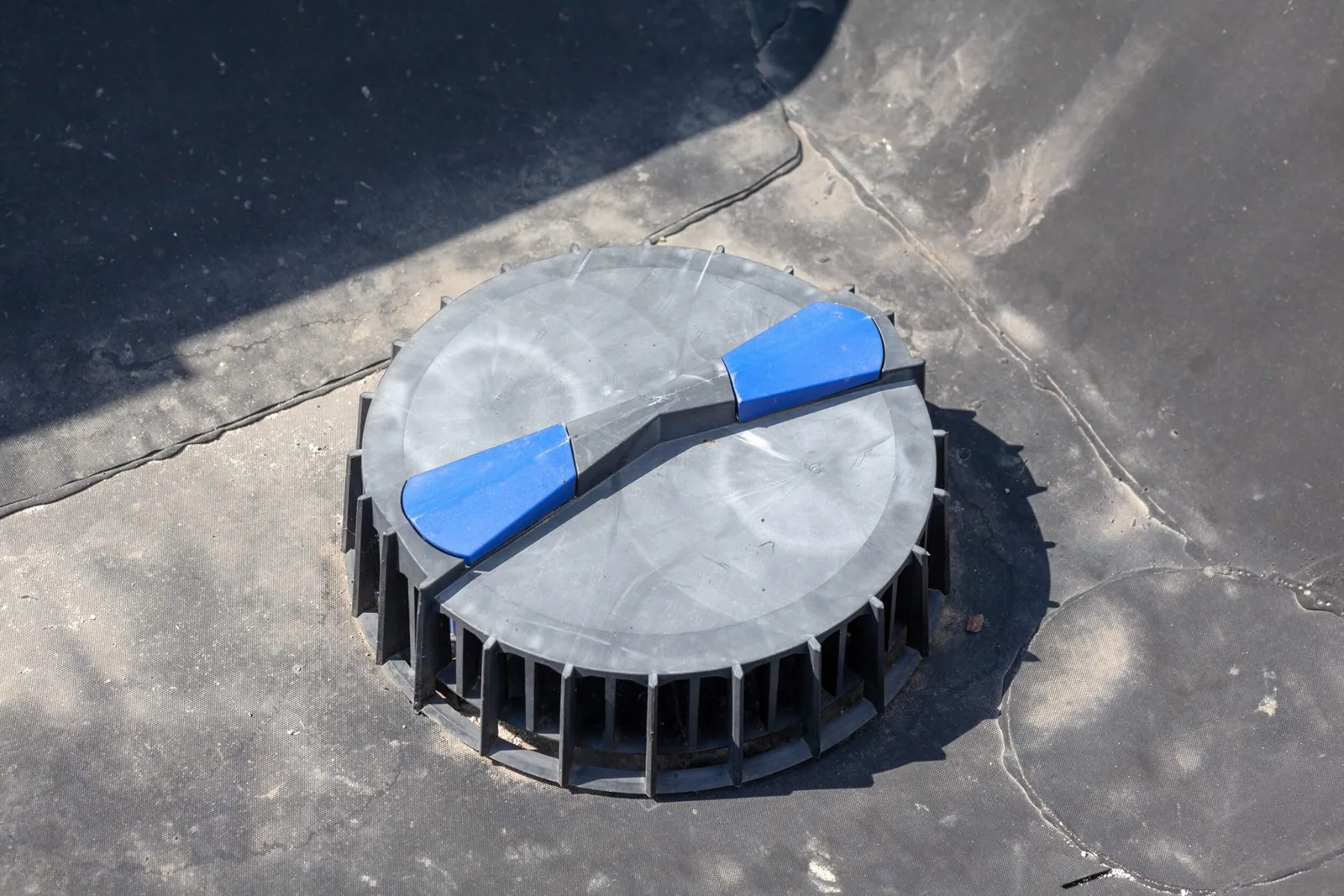
We start with the reported symptom and inspect the corresponding roof zone when access is safe. The review may include membrane seams, penetrations, wall flashings, drains, edge metal, rooftop equipment, and nearby repair history. We also check the interior area described by the facility contact, without assuming the stain sits directly under the entry point.
Conditions such as foot traffic, prior maintenance, equipment work, material aging, and water movement can overlap. We record what is visible and state when an opening, core, or moisture survey would be needed to distinguish among possibilities. The inspection should not turn a suspected event into a confirmed cause unless physical evidence supports that conclusion.
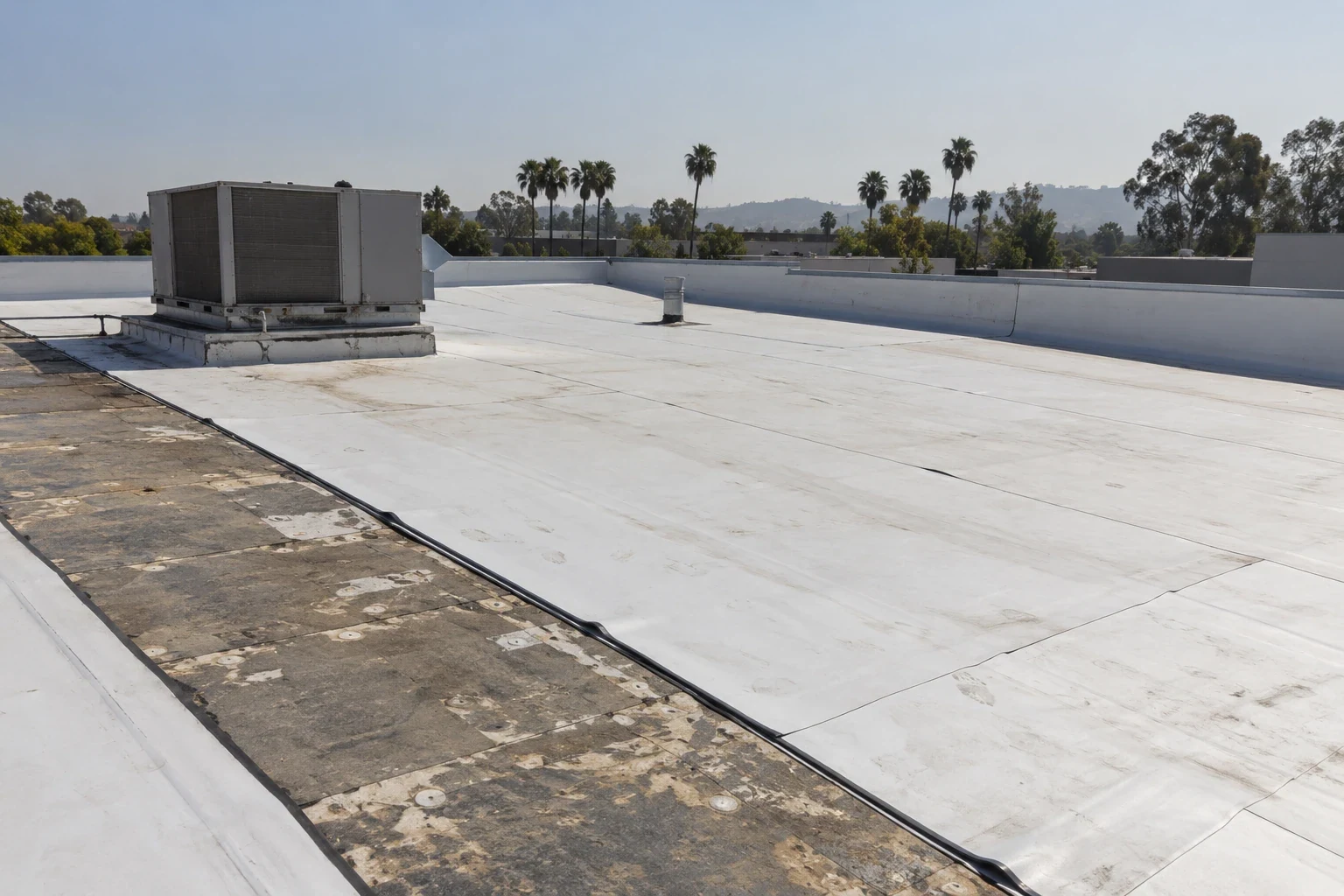
For several affected roof zones, we label each one separately. A roof plan or consistent site labels can show which areas were accessible and which were not. If wind or rain still affects the building, we may first recommend temporary protection and return for a detailed inspection under safer conditions. That sequence protects the property while keeping the eventual record accurate.

What should the repair estimate explain?
A repair estimate should connect the proposed work to the observed defect. It identifies the roof area, preparation, repair material, flashing or membrane detail, access needs, and any temporary protection. If removing material may reveal wet insulation or damaged deck, the scope explains how those conditions will be documented and approved before additional work proceeds.
Where replacement is being considered, the owner should see the evidence behind the boundary and the assumptions about hidden layers. A roof condition inspection can identify adjacent concerns, while a replacement assessment can describe the broader project scope. Each should distinguish confirmed conditions from optional investigation or repair.
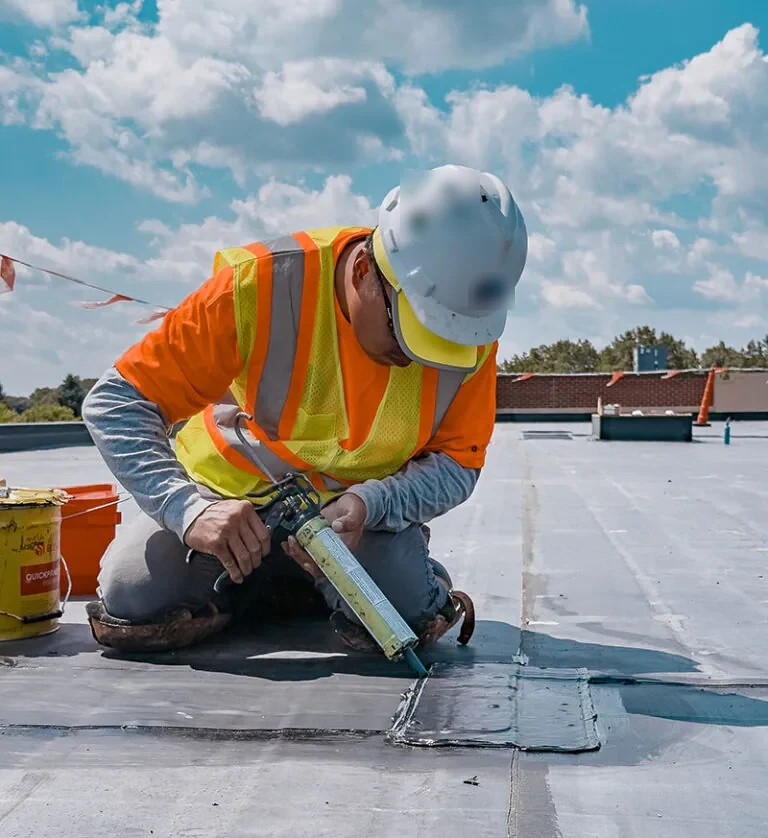
We can document completed repairs with date-stamped photographs and a description of materials and locations. If the repair was temporary, the record identifies the limits and the follow-up needed. This lets the owner compare the initial emergency measure with the permanent work without treating one as evidence that the entire roof was restored.
How does a Salinas site affect documentation?
Operating details shape what can be inspected and when. Salinas has commercial districts along North Main Street, Alisal Street, Abbott Street, and Airport Boulevard, with businesses that include warehousing, distribution, agricultural processing, and public services. A building in the Airport Industrial Park or Chinatown may have different access rules and activities below the roof. The report identifies the actual facility and roof zone rather than relying on the district alone.
Cool-season rainfall can make an urgent leak more visible, while a dry visit may not reproduce the condition. We record when an inspection occurs and what weather or surface conditions were reported. If the leak path remains unclear, the next visit can be timed around the condition that needs to be observed, subject to safe access.
For a business with temperature-controlled areas or sensitive inventory, we coordinate access and interior protection with a designated facility contact. The record can identify any areas excluded from the inspection and explain whether another method is needed. This helps the owner and insurer understand the scope of what was actually evaluated.
How can owners keep the claim process organized?
Keep a single roof file with the report, photos, repair estimate, invoices, approvals, and follow-up records. Label each item by date and building area. If an adjuster or another inspector visits, record the roof zones reviewed and any temporary measures that have changed since the first call. Consistent records reduce confusion when several people are evaluating the same condition.
We can answer technical questions about the observations and scope we prepared, and we can re-inspect an area if new evidence appears. We do not interpret policy language, negotiate settlement, or predict the insurer’s coverage decision. The policyholder should communicate coverage questions directly with the insurer or its representative.
Once immediate repairs are complete, a maintenance plan can track the repaired area and adjacent details. If other roof issues were found, the owner can prioritize them by condition and operating impact rather than treating every item as part of the same claim.
When should the owner request another inspection?
Follow-up may be useful when temporary protection remains, moisture testing is pending, weather reveals a new symptom, or a repair opening exposes concealed layers. The new report should reference the first visit and identify what changed. That record shows whether the earlier repair held and whether an additional roof zone needs attention.
At properties in Gonzales or Castroville, agriculture and distribution activity can affect when a crew can access a roof or stage material. We coordinate those details with the owner but keep claim documentation focused on the actual roof condition, inspection limits, and work completed.
The owner can then share the current record with the insurer and decide whether to authorize additional work. If the roof shows a recurring maintenance issue beyond the reported damage, we list it separately so it does not get confused with the specific repair scope.
Questions Owners Ask
Can a roof inspection determine whether this loss is covered?
No. We can document observed roof conditions, testing, and work performed. Coverage depends on the policy and the insurer’s review. We keep our inspection findings separate from that decision.
What should we have ready for a claim-related inspection?
Share the reported leak locations, prior repair records, roof plans if available, and any areas that need access coordination. The facility contact can also describe interior impacts and operating restrictions. We will record what was provided and what could be inspected.
Can emergency repairs be documented before the adjuster arrives?
Yes. We can record visible conditions and temporary protection, then describe any permanent repair separately. The owner should follow the insurer’s instructions for documentation and mitigation, while taking reasonable steps to protect people and the property.
Will photographs show the cause of the leak?
Photos can document visible details but may not reveal concealed water paths or distinguish between similar causes. We label what each image shows and recommend added inspection or testing if the cause remains uncertain.
Related Roofing Work
Create a clear roof condition record
Share the reported area, repair history, access needs, and any temporary work already completed. We will document the roof conditions and provide a scope tied to the observed findings.
