Ponding Water Roof Repair in Salinas, CA
Trace recurring roof ponding in Salinas to drains, slope, seams or wet insulation, then compare a focused correction with a wider roof evaluation.

Overview
A low-slope roof over a packing room or warehouse can retain water after rainfall even when the nearest drain looks clear. The puddle marks a place to investigate, not a complete diagnosis. We map its limits, inspect the path toward the outlet, and check seams, flashings and nearby roof layers before recommending whether to clear, repair or evaluate a larger section. The owner receives a description tied to the roof zone, with any concealed condition kept separate from confirmed work.
NOAA normals for Salinas record about 15.38 inches of annual precipitation, concentrated in the cooler part of the year, while June through September are normally very dry. That pattern makes the first substantial rain useful for observing drainage, but it does not prove a specific roof defect. In the Salinas Valley, frequent summer fog and low cloud can affect morning drying conditions. We review current surface moisture before repair materials are selected or applied.
How do you follow water from a low spot to an outlet?
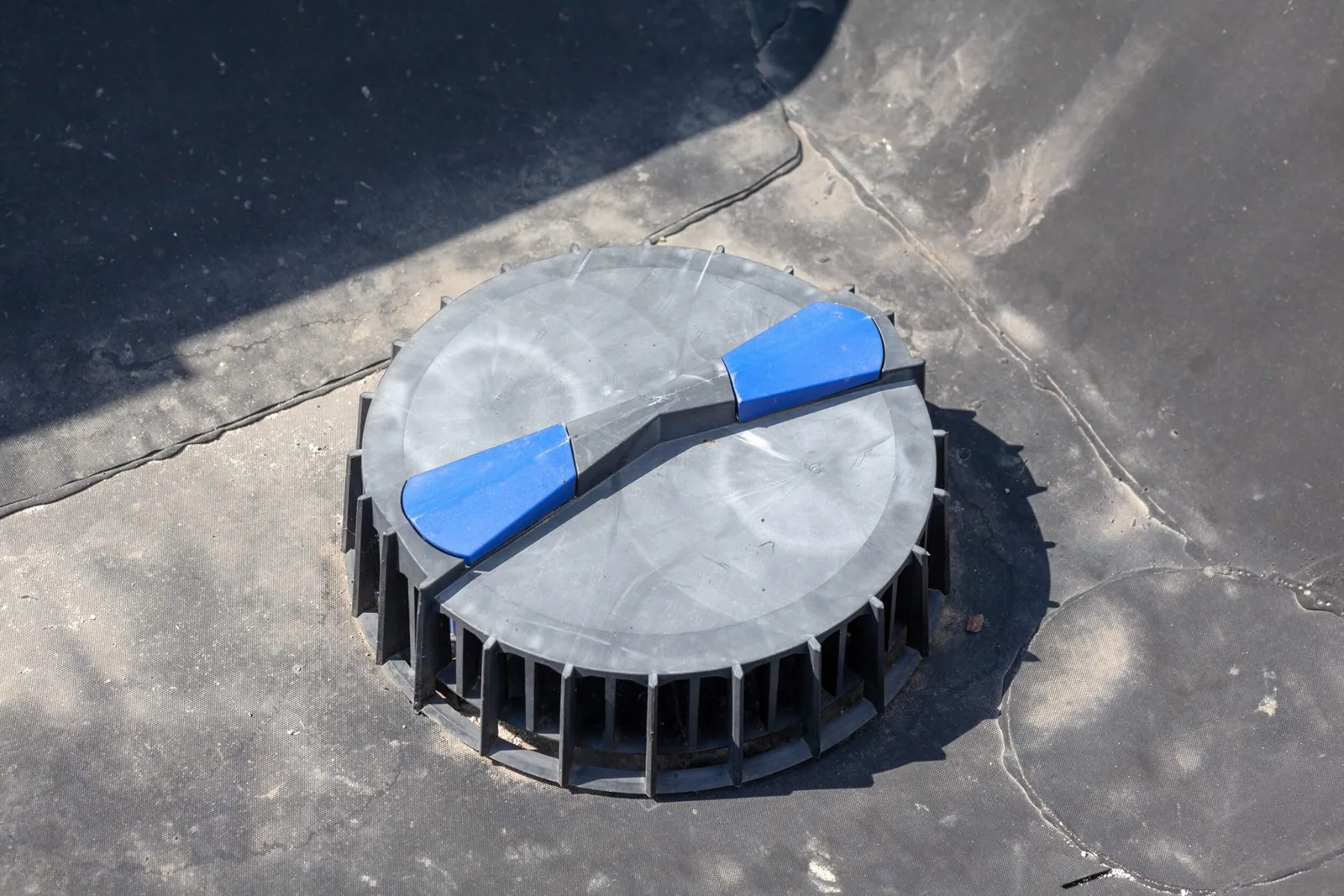
We record where water stands, the depth and footprint visible during the visit, and whether debris or a blocked strainer is restricting the drain. The outlet, overflow path, membrane tie-in and nearby seams all matter. A clear bowl does not establish that the drain connection below it is sound, and removing debris does not correct a low area that continues to collect water. Photographs and roof-zone labels help the owner compare the same location after the next rain.
Where the outlet is accessible, we inspect its flashing and the material leading into it. We also look for staining, open laps or repeated patches along the drainage route. A drain or scupper repair should preserve the intended outlet and overflow function while correcting the supported defect. If water crosses the membrane at a roof-to-wall connection, a flashing failure repair may need to reach that detail. We explain how each included item relates to the observed ponding instead of treating every low area as a drain problem.
What if water remains after the drain is clear?
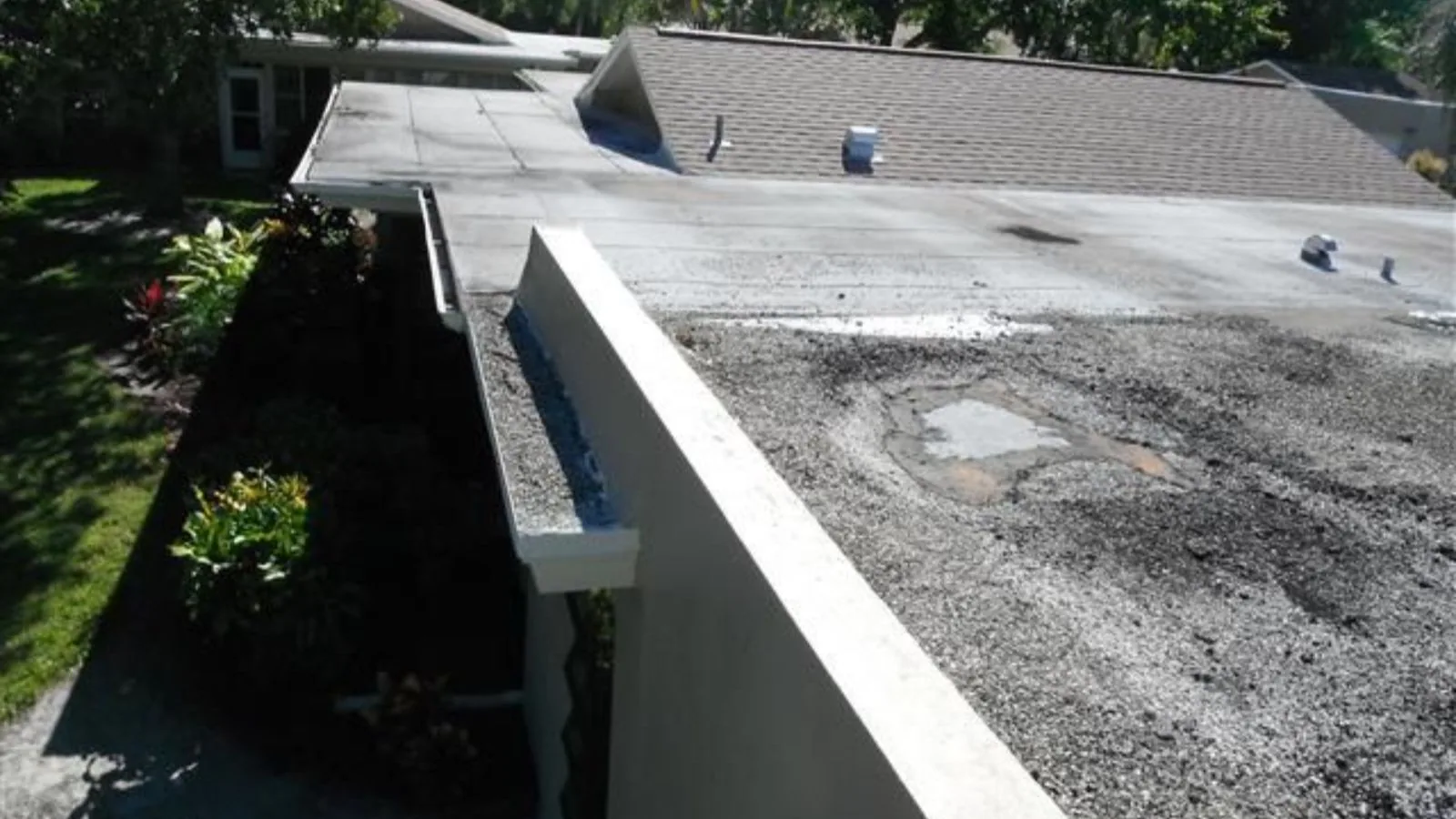
A persistent puddle can reflect a low point in the roof surface, deflection, settlement, insulation changes or an obstruction along the route. A visual review can identify the surface pattern, but it may not establish what is happening beneath the membrane or in the deck. We document the affected footprint, check adjacent roof areas and record whether the evidence supports selective testing. Structural questions belong with the appropriate building professional when the observed condition calls for that review.
Do not add material or raise a drain before understanding the surrounding elevations and overflow path. A local fill can move water toward a curb or parapet, leaving a different detail exposed. Where evidence supports a defined roof correction, we outline preparation, material compatibility and the way the finished surface will move water toward the existing drainage point. When concealed layers could change the design, we state the investigation needed and keep that allowance distinct from confirmed repair work.
Can standing water affect seams and roof layers?
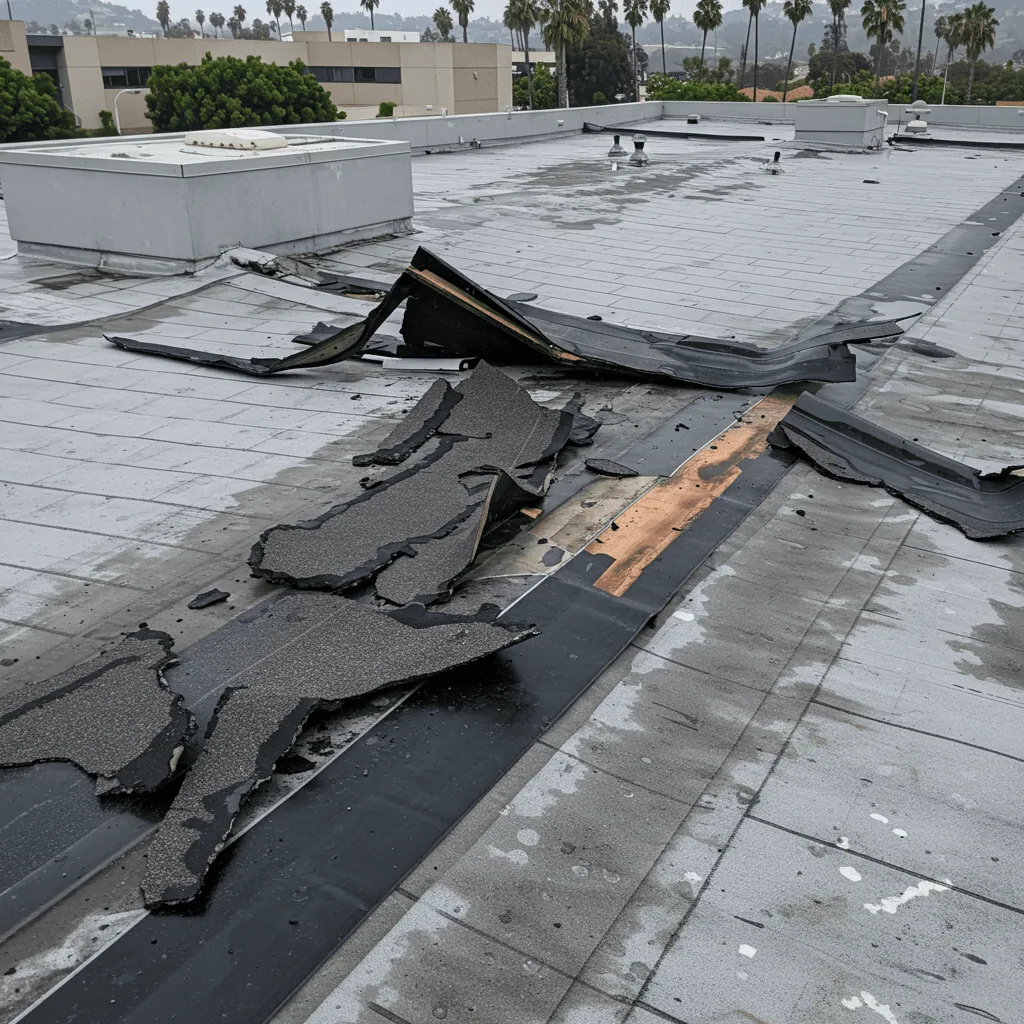
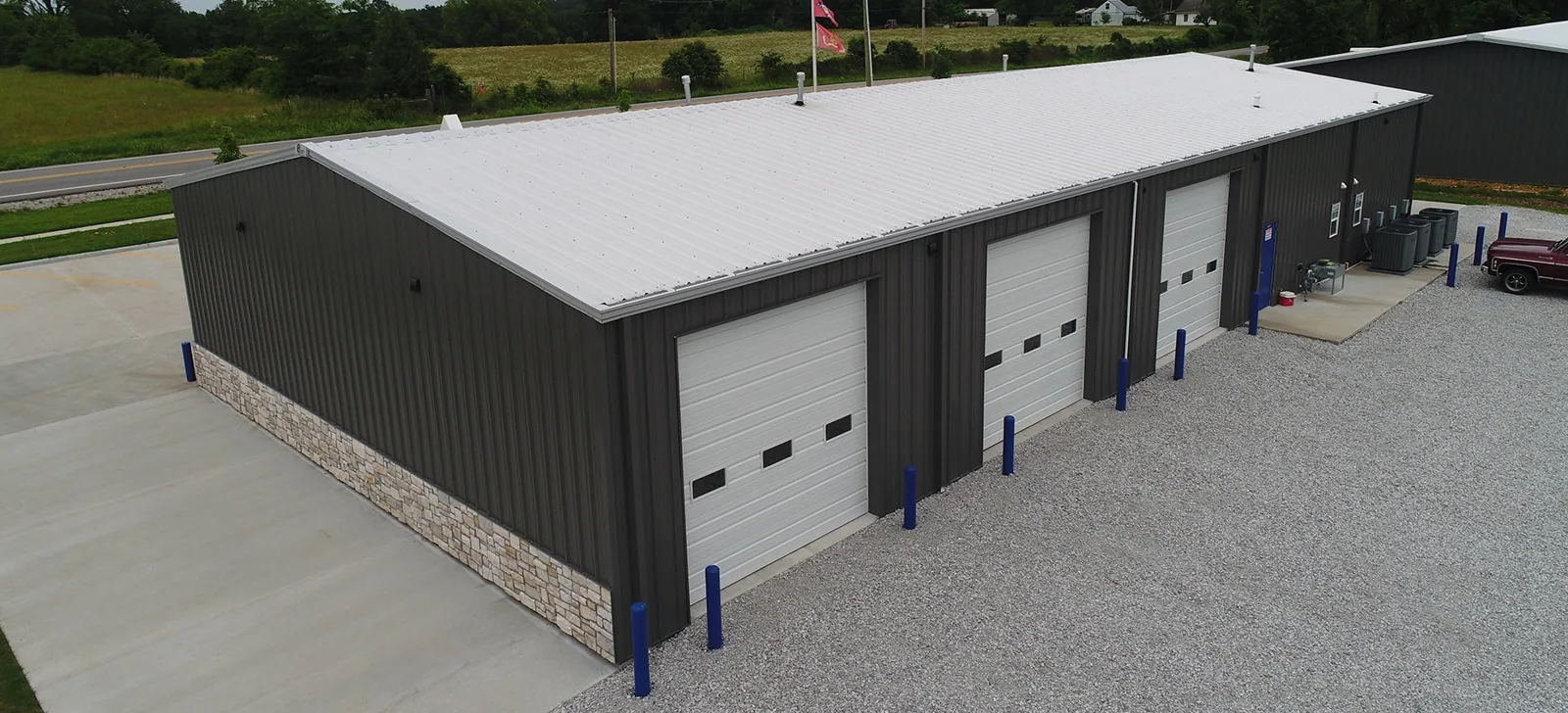
Repeated wetting can keep a seam, patch edge or flashing transition under prolonged exposure. We look for separation, fishmouths, loss of adhesion, soft or displaced material and evidence that water has entered the assembly. On metal roofs, review laps, fasteners and penetrations along the same drainage path. The goal is to determine whether the ponding area and a visible opening are connected, or whether they are separate conditions requiring different scopes.
If moisture is suspected beneath a membrane, thermal observation or selective openings may help answer a defined question; neither replaces confirmation of the assembly and site conditions. A moisture survey can guide follow-up where appropriate, and a roof inspection records accessible seams, outlets and transitions. A confirmed split can be reviewed as a seam failure repair. We describe what each method can establish so the owner does not confuse a surface pool with proof of widespread wet insulation.
How does the Salinas weather pattern shape repair timing?
Most normal rainfall at the Salinas station comes during the cool season, while the valley often has summer fog and low cloud cover. Rainfall can reveal how water travels across the roof; cool, damp mornings can affect the surface condition needed for some materials. We check the current substrate and follow the selected product’s application requirements. If the roof is not ready, we can sequence inspection or preparation first and set the application for a suitable window.
Industrial districts such as Salinas Ag-Industrial Center and mapped areas around the Valley Center Corridor contain different properties and operating needs. The district name does not tell us which building has a low spot, what system it uses or when production can pause. We confirm the roof, access route and affected operation with the property contact, then schedule delivery and protection around that property’s calendar.
When is a local ponding correction enough?
A focused correction can make sense when examination identifies a defined drain, flashing or membrane detail and the surrounding assembly is suitable for repair. The scope should state the area to be prepared, the compatible repair material and how the water path will be checked afterward. If ponding persists because of a broader slope or structural issue, a membrane patch alone may not change the collection point. We identify that limit before the owner approves work that cannot address the underlying condition.
Recurring water, multiple low areas, widespread moisture or repeated repairs may support a broader roof evaluation. The next step can include drainage mapping, moisture assessment or an assembly review, depending on what is unknown. A repair proposal should distinguish confirmed correction from testing or conditional quantities; a capital planning review can compare the sequence of repairs with a larger project. We also consider interior protection and work timing where the roof covers active cold storage, processing or distribution space.
What should be checked after the work?
After the repair, record the corrected detail, the roof zone and any remaining low area that needs observation. A later check after rainfall can show whether water clears through the intended route or remains in a separate area. The owner should also know whether the report describes a repaired defect, a condition being monitored or a question that requires testing. That distinction makes future maintenance more useful than a record that simply says water was present.
During the dry stretch, scheduled inspection can identify debris, damaged strainers, open flashing or new service penetrations before cool-season rain returns. Work around Downtown Salinas and the wider North Main Street area should still be based on each building’s roof map and maintenance history. Share the ponding location, rainfall timing and access window, and we will organize a roof review and repair options by priority.
Questions Owners Ask
How long does water need to remain before it becomes a concern?
A photo taken soon after rain and another after drainage time can help show whether a low area is persistent. We compare those observations with the roof surface, outlet and assembly condition; the puddle alone does not determine the repair.
Will clearing the drain stop a recurring pond?
It can help when debris is restricting flow, but a continuing low point or failed drain connection needs a separate correction. We inspect the bowl, tie-in, overflow and contributing roof area before describing the work.
Does ponding mean the roof insulation is wet?
Standing water is a surface condition. Moisture below the membrane requires appropriate investigation, which may include a survey or selective opening. We identify what the chosen method can confirm before it informs a larger scope.
Can a roof coating correct a low drainage area?
A coating follows the surface and does not by itself change roof slope. We first assess drainage, substrate and assembly condition, then determine whether a compatible coating belongs in a supported restoration scope.
What should a facility manager record after a heavy rain?
record the approximate roof zone, time, water footprint, visible drain condition and any interior report. Those observations help us target inspection and distinguish a slow-draining surface from a leak or failed connection.
Related Roofing Work
Review ponding by roof zone
Share the location of standing water, the timing after rain and any interior reports. We will inspect the drainage path and outline a focused correction or the next evaluation needed.