

Cool Roof Installation in Salinas, CA
Evaluate cool roof installation in Salinas, CA with attention to reflectance, roof condition, insulation, drainage, and building use.

Overview
For a Salinas facility, a reflective surface is a roof-system choice to weigh against existing insulation, equipment load, roof condition, and the building’s cooling schedule. We check those conditions before discussing a cool-roof application. Reflectance describes a surface property; it does not establish how energy use or utility bills will change.
Salinas has a mild coastal-valley climate compared with hotter inland regions, with fog and low clouds common in summer. That context does not tell an owner how much energy a particular property might save. Building use, insulation, ventilation, controls, and utility data matter. We focus on the roof work and coordinate energy-performance questions with the project team.
What makes a roof reflective?
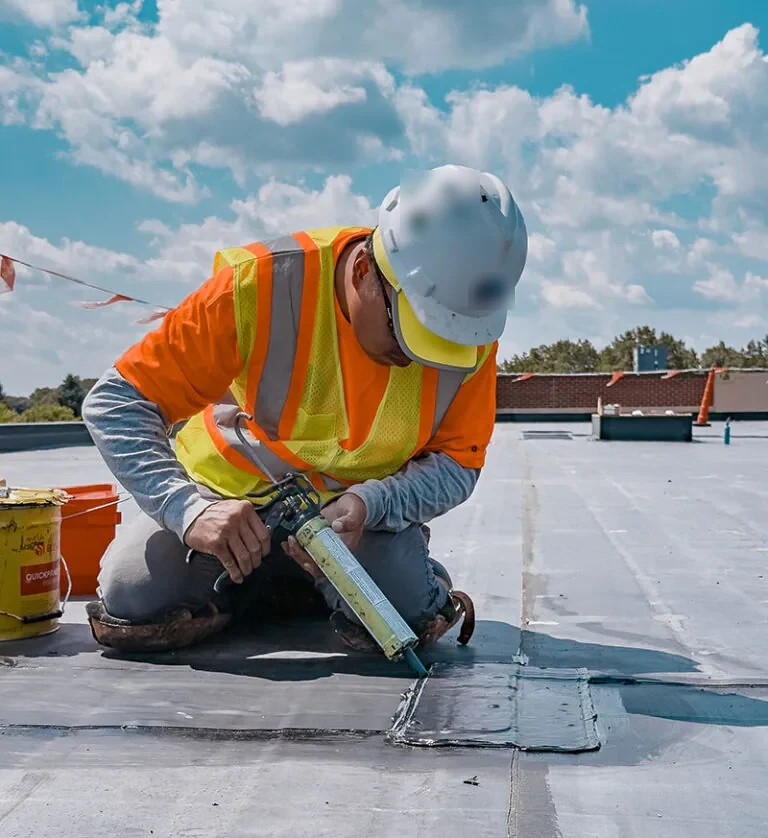
A cool-roof surface reflects more incoming solar energy and emits absorbed heat. The product may be a membrane, coating, or other roof assembly with documented properties. Reflectance and emissivity can vary with color, product, age, dirt, and maintenance. We identify the proposed material and confirm that it suits the substrate, drainage, and project requirements rather than treating “white roof” as a complete specification.
Reflective material should not be installed over a wet or failing roof without addressing the condition beneath it. We inspect seams, flashings, penetrations, drains, and insulation, then determine whether repair, recover, or replacement is appropriate. If coating is under consideration, the surface needs to be clean, stable, and compatible with the selected system.
The roof also needs adequate insulation and air sealing. A reflective surface cannot correct heat entering through walls, open loading doors, process equipment, or uninsulated roof sections. The owner may want to compare building utility records or a whole-building assessment separately from the roofing scope. We avoid assigning a savings figure without property-specific evidence.
Which assembly should the project use?
Reflective TPO membrane and silicone coating systems can be considered when the existing roof and building conditions support them. Each assembly has different seam, flashing, repair, and maintenance details. We explain how the chosen system will meet curbs, skylights, parapets, drains, and equipment supports, along with how future service work will protect the membrane.
A coating may be an option when the existing roof is sound and can be prepared to the product requirements. If insulation is wet or seams are failing widely, a coating can conceal a problem rather than solve it. A recover may retain dry, stable layers when allowed by the roof assembly and project requirements. A tear-off may be necessary when the existing material is not a reliable base.
For a building that needs more insulation or improved drainage, tapered boards and cover board may be part of the design. Added thickness affects drain and flashing elevations. We coordinate those details before material ordering so the reflective roof does not create a new low spot or reduce water-shedding height at a parapet.
How should the building’s operation shape the plan?
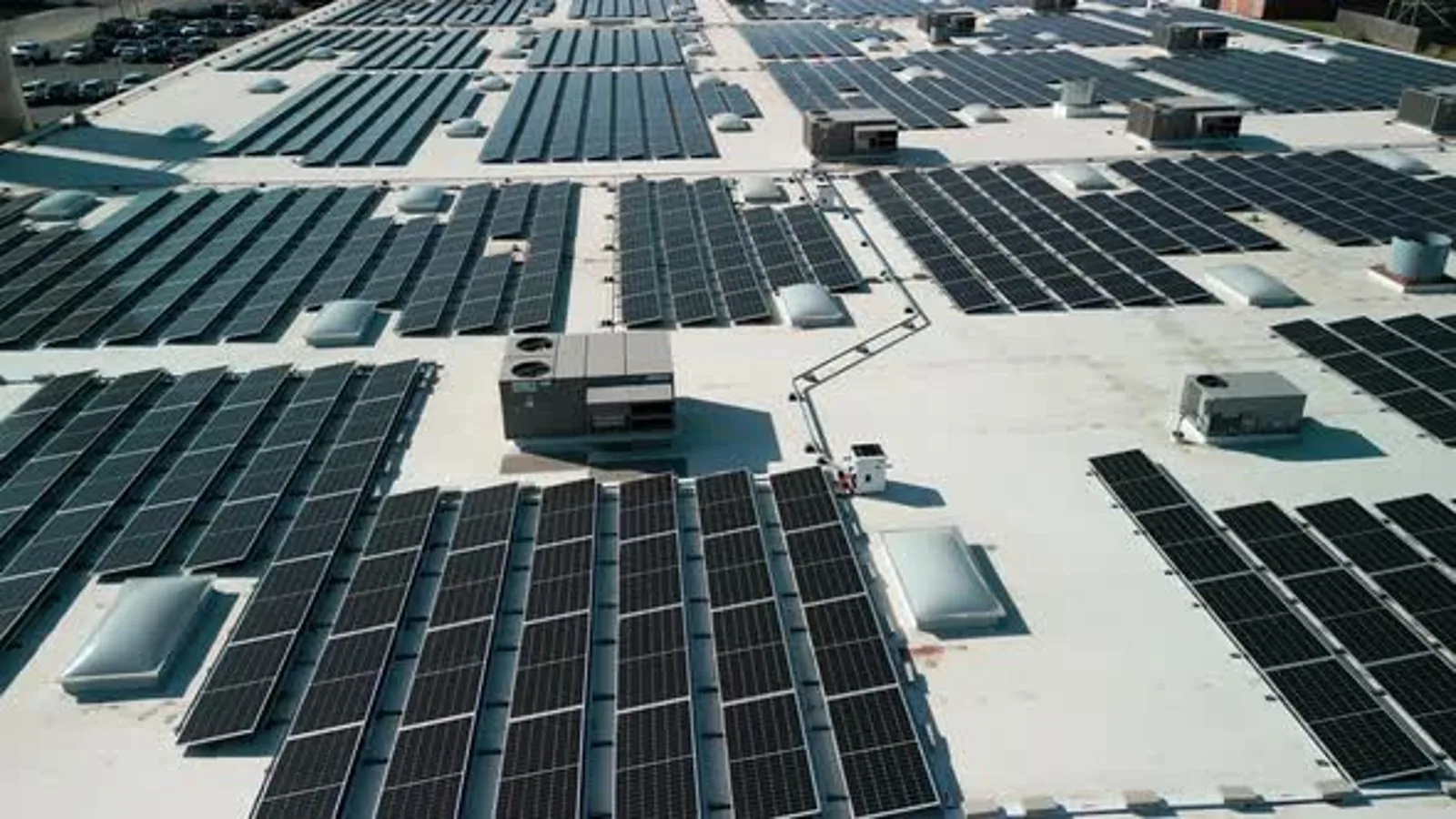
Cooling demand is different in an office, warehouse, food-processing building, or refrigerated space. Interior process heat, hours of operation, equipment efficiency, insulation, and control settings all affect energy use. The roof scope should identify which part of the building envelope is changing and what work must happen for that change to be effective.
Agricultural production supports processing, packaging, storage, and shipping activity across the Salinas region. Buildings near Airport Boulevard and U.S. 101 may have refrigeration, exhaust, or process equipment that affects access and sequencing. A project at Airport Industrial Park, Salinas Ag-Industrial Center, or Gonzales still needs an equipment and operating review for the specific property.
We plan material staging, roof access, shutdowns, and interior protection around the facility contact’s priorities. If equipment is being replaced at the same time, the mechanical and roofing schedules should be connected. A newly installed unit may require a curb adjustment or different service path, and the roof detail should be completed before the equipment work is treated as finished.
When can reflective roofing be installed?
Installation timing depends on the selected system and the roof surface. Salinas’ long-term normals show a dry summer period, but morning fog and low cloud can leave surfaces damp. Adhesives, coatings, and membrane seams have different moisture and temperature requirements. We check conditions and follow the product instructions for preparation, installation, and protection before rain.
Most normal rainfall occurs during the cool season. If work is scheduled then, the project needs phase limits and an end-of-shift plan that keeps insulation and deck protected. We identify how much roof can be safely opened and closed in each period. If the forecast changes, the sequence can pause before the assembly is exposed beyond what can be secured.
For coating systems, curing and rain resistance depend on the product and actual weather. We do not set a calendar promise before the system is chosen. The project schedule should state the conditions required and how the owner will be told if application must be delayed.
What should code and energy review confirm?
For applicable projects, Salinas began using the 2025 building standards edition on January 1, 2026. Roof and energy requirements turn on permit timing, existing construction, and the proposed work. We identify the material and insulation scope so the design and permitting team can confirm the provisions before construction.
A reflective surface may help meet project goals, but it does not replace code review or a building-energy analysis. The owner should confirm any energy objectives with the appropriate design professional and compare them with utility data. Our roofing proposal describes material and installation scope; we do not project utility-bill changes without facility data.
Cost and schedule depend on roof area, tear-off, substrate repair, insulation, taper, penetrations, equipment coordination, access, and weather. A clear estimate separates preparation from optional upgrades and identifies how concealed conditions will be handled if the roof is opened.
How is a cool roof maintained?
A reflective roof needs periodic inspection and cleaning practices compatible with the material. Dirt and biological growth can affect the appearance and surface properties. The facility team should track seams, flashings, drains, equipment transitions, foot traffic, and any damage from service work. The product documents guide cleaning methods and maintenance requirements.
We can establish a maintenance plan that records the same roof zones and helps the owner compare changes over time. If a reflective coating is used, the log can record where repairs or recoating may be needed, based on actual wear and product guidance. Any new equipment penetration should be flashed to the installed assembly.
If the roof develops a leak or moisture concern, a condition inspection can identify the origin and define a repair. A moisture survey may help when concealed wet insulation would change the repair or replacement scope. Maintenance records give the next inspection a useful starting point.
Questions Owners Ask
What information is needed to estimate a cool roof’s energy effect?
A project-specific estimate needs the facility’s utility history, occupancy schedule, cooling equipment, controls, insulation, and proposed roof assembly. We can document roof conditions and material options; energy effects should be modeled from the building’s own data rather than inferred from reflectance alone.
Is a reflective coating right for every commercial roof?
No. The existing surface must be sound, dry, and compatible with the coating, and details need repair before application. Wet insulation, failed seams, or drainage problems can require a different scope. We inspect the roof before recommending a coating.
Does a reflective roof need different maintenance?
It still needs checks of seams, flashings, drains, penetrations, and areas affected by equipment work. Cleaning and repair methods should follow the selected product instructions. The facility team should keep the installed system information with its maintenance record.
Can we install a cool roof over an existing assembly?
A recover may be appropriate when layers are dry, stable, compatible, and allowed by the project requirements. Inspection and testing can define those conditions. If the substrate is wet or unsound, a new layer may conceal rather than correct the problem.
Related Roofing Work
Select a reflective roof from building evidence
Share the current assembly, roof condition, equipment needs, and building goals. We will compare compatible reflective roof options and define preparation, insulation, and drainage details.
