Commercial Roofing in Gonzales, CA
Commercial roofing in Gonzales, CA, for agricultural, industrial and commercial properties. We inspect the roof and coordinate work with site operations.
Overview
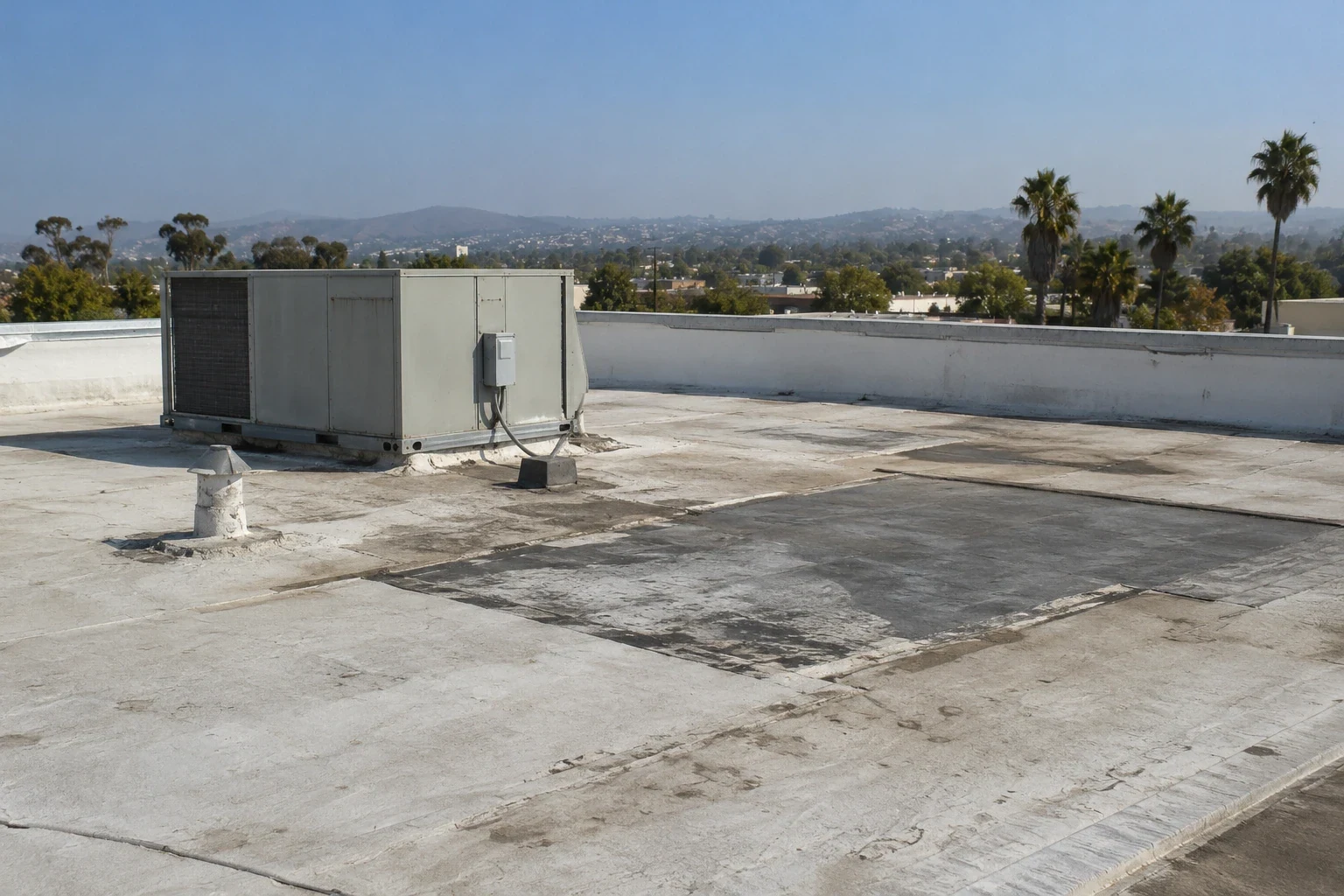
A roof over an agricultural service, packing, cooling or processing operation has to be evaluated with the equipment and work below it in mind. Gonzales identifies these uses in its Agricultural Business Industrial Park and describes River Road and the North and South Alta industrial districts as locations for agricultural services, light manufacturing, packing, storage, processing and cooling businesses. Those facts establish a real commercial and industrial context; they do not establish the construction or roof condition of a particular property. We inspect the actual assembly and plan a scope around its use.
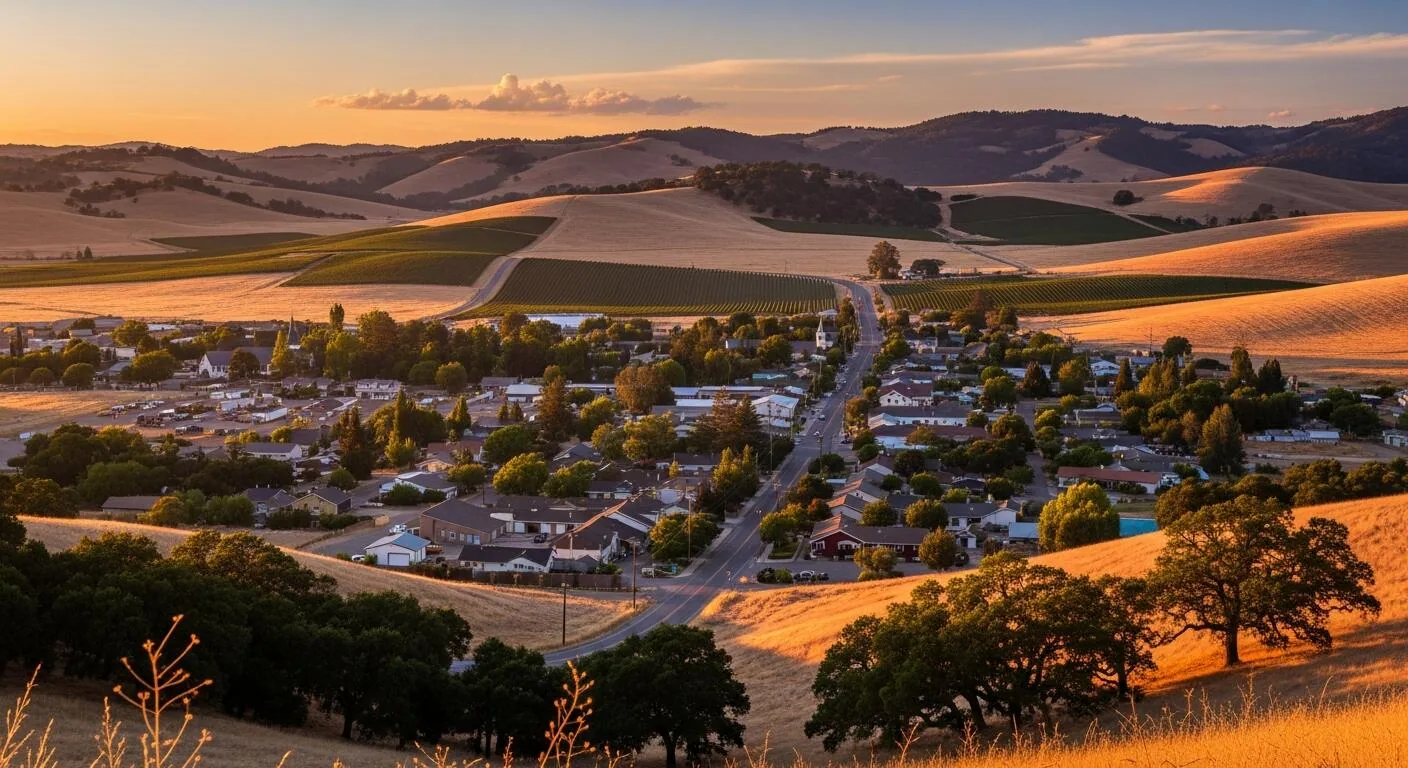
Gonzales sits in the agricultural and wine-producing Salinas Valley, with commercial and industrial land also suitable for retail and restaurant businesses. Different operations place different demands on access, rooftop equipment and interior protection. We confirm those needs with ownership, identify the roof material where visible, and document seams, flashings, drains and penetrations by zone. A commercial roof inspection can help determine whether the next step is a localized repair, additional testing or a larger renewal plan.
Which roof details matter above processing and storage?
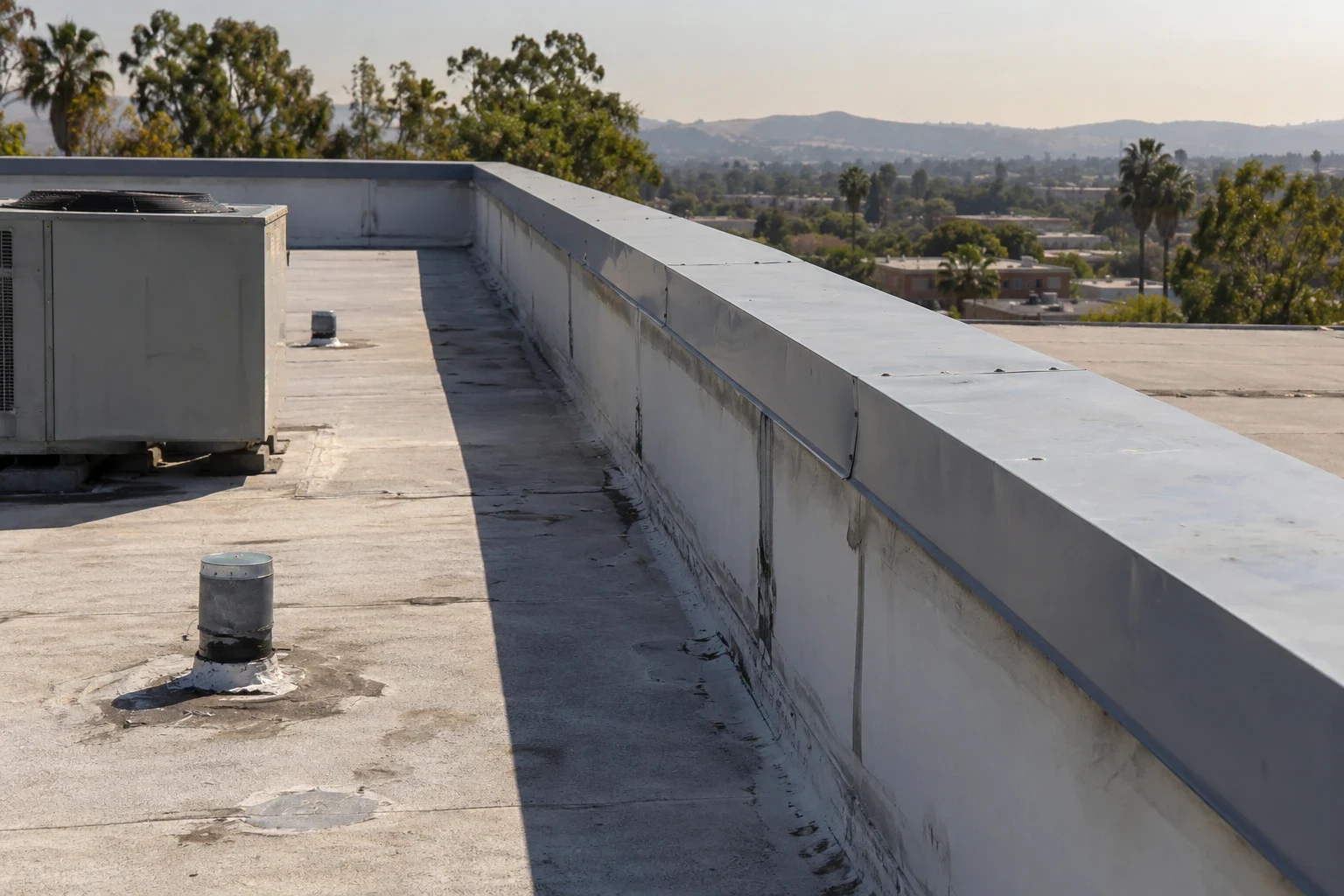
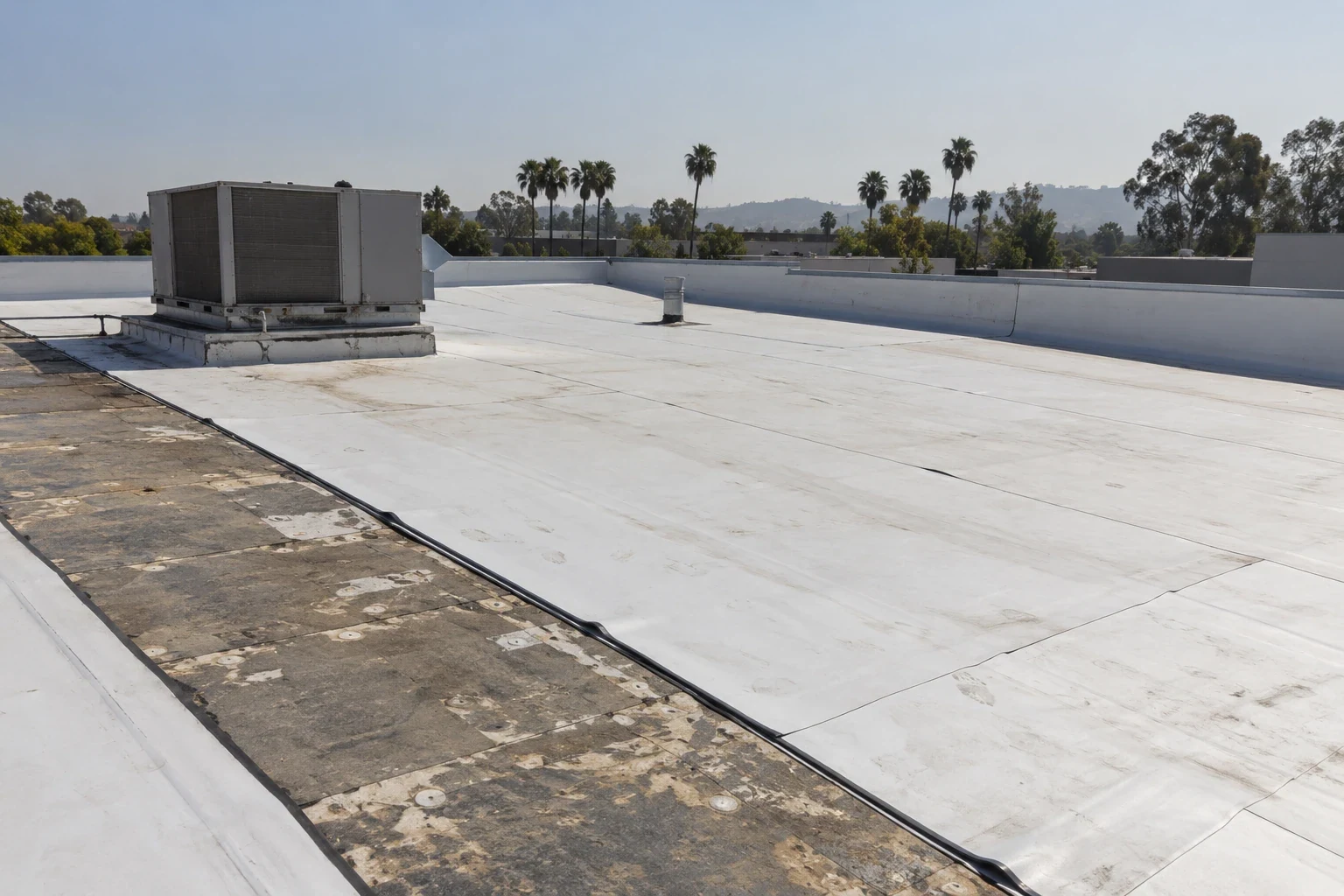
Equipment curbs, exhaust openings, skylights, panel seams and roof drains deserve close attention when the space below depends on continuous operation. We check flashing at each transition, look for open laps or movement, and record where water could travel toward stock, electrical equipment or a production area. The scope does not assume that the roof above a cooler, warehouse or shop is a particular system. We identify the assembly on site and match repair materials to that surface.
Gonzales' planning information names vegetable cooling, food processing, irrigation, farm labor, growers, packing and warehousing among uses supported by its agricultural-business district. These operations can have different schedules, interior environments and restrictions on equipment shutdown. The property contact tells us which conditions apply at the building under review. If a leak is reported near a line, storage area or mechanical unit, we compare its location with the roof plan and surrounding curbs before placing a patch. A commercial roof repair should protect adjacent sound material and state the repair boundary clearly.
On low-slope roofs, we check whether water can reach drains without crossing a failed seam or collecting behind an obstruction. On metal systems, we inspect panel laps, fasteners, closures, ridge or edge transitions and sealant condition. At the perimeter, edge metal and parapet details must connect to the field membrane or panels. Where prior repairs exist, we look at their edges and compare the materials with the installed system. If a patch has failed more than once, we check nearby details and concealed conditions before repeating it.
How do you plan work around a running operation?
Before the crew arrives, we confirm the site contact, gate or check-in process, roof access, material staging and delivery timing. The owner identifies any production or cooling cycle that cannot be interrupted, which equipment must remain available and which rooms need protection. We can then set the repair sequence by roof area and coordinate trades when a unit, exhaust or penetration affects the work. If material removal reveals a different condition, the owner sees the finding before the approved scope changes.
An occupied building may need separate notice to staff, tenants or service vendors. An occupied-building reroofing plan can define work zones, interior protection, daily closeout and the path back to normal operation. A maintenance visit can identify loose flashing, blocked outlets and failing sealant before an active leak disrupts work. Emergency response is available around the clock, every day of the week, including holidays, when water is entering and prompt protection is needed.
Project timing and cost depend on the existing assembly, access equipment, height, tear-off, insulation, edge details, penetrations, staging and how many separate phases are needed. In a facility with equipment above the roof, mechanical coordination may be part of the schedule. We outline the work each shift, which areas must remain clear and how the roof will be left if the job is not complete by day end. This gives the operations contact a realistic plan to coordinate with receiving, storage or production staff.

What does a useful inspection record include?
A good roof record identifies the area inspected, what the surface and transitions showed, and which parts were inaccessible. We connect photographs to a roof-zone plan and distinguish active damage from routine maintenance. If the leak report describes water near stored goods or equipment, the report records that interior location without claiming that the roof entry sits directly above it. When additional testing is recommended, we state the question it is meant to answer and how the result may affect the scope.
Seasonal planning also matters. Most measured precipitation in Salinas comes during the cool season. Check current Gonzales conditions when scheduling roof work. Owners can use the broad pattern to schedule drain, scupper and flashing checks before recurring rain, then rely on site inspection for actual conditions. A drainage review checks the outlet and path leading to it. If water persists, we document its location and examine slope and nearby transitions instead of treating debris removal as a complete correction.
Keep the inspection report, roof plan, leak log, invoices and repair closeout in one property file. The next manager should be able to tell what was inspected, what work happened and which recommendation is still open. A roof capital plan can sort immediate repairs from longer-term renewal needs across a portfolio, while each Gonzales building retains its own scope and condition history.
When should a Gonzales roof move beyond spot repairs?
A localized repair can be sensible when the failure is limited and the material around it remains attached, dry and compatible with the patch. Repeated leaks, damage across several zones, wet insulation, corrosion or poor attachment may require more investigation or a replacement comparison. We explain the observations behind each option and record conditions that remain concealed. A coating or recover is considered only after we review existing layers, drainage, surface preparation and compatibility.
For a processing or storage property, the owner may need to compare repair boundaries with equipment access and the risk of interruption below. A replacement evaluation should define tear-off, insulation, drainage, flashing and edge work; a maintenance program can track details that remain in service. The proposal should also state what temporary protection is included, how the work zone will be closed each day and who approves a change if concealed damage appears.
Gonzales properties can be coordinated with nearby Chualar and Spreckels when one facilities contact schedules inspections across the Salinas Valley. Their records should not be combined: roof age, assembly, repairs and access belong to each property. We can organize findings by priority and return to open items on an agreed schedule. Share the building's operating window and prior service record so the review can focus on decisions that affect this roof.
Questions Owners Ask
Can you plan roof work around vegetable cooling or food processing?
We coordinate with the property contact on equipment status, access hours, material staging and interior protection. The work sequence reflects the approved operating window and identifies where a trade or shutdown is required.
Does the Agricultural Business Industrial Park describe the roof systems in Gonzales?
No. It describes supported business uses, not the materials or conditions at each property. We confirm the roof assembly, drainage and details on site before selecting a repair or renewal method.
What should we include when reporting a leak above stored materials?
record the affected area, when water appeared, whether it continues, and any contents that need protection. We compare that report with the roof plan and inspect adjacent seams, curbs and drains before setting a repair boundary.
How do you check whether a drain problem is causing water entry?
We examine the outlet, the path toward it, nearby membrane or panel details, and any visible standing water. If water remains after debris is removed, we check slope and transitions before recommending additional work.
When should we request a replacement evaluation?
Several recurring leak areas, broad deterioration, wet insulation or failing attachment may justify comparing a complete scope with repairs. We document what supports that comparison and which concealed conditions could change the project.
Related Roofing Work
Arrange a Gonzales commercial roof inspection
Tell us how the building operates, when roof access is available and what leak history is known. We will document findings by zone and identify the next scope decision.