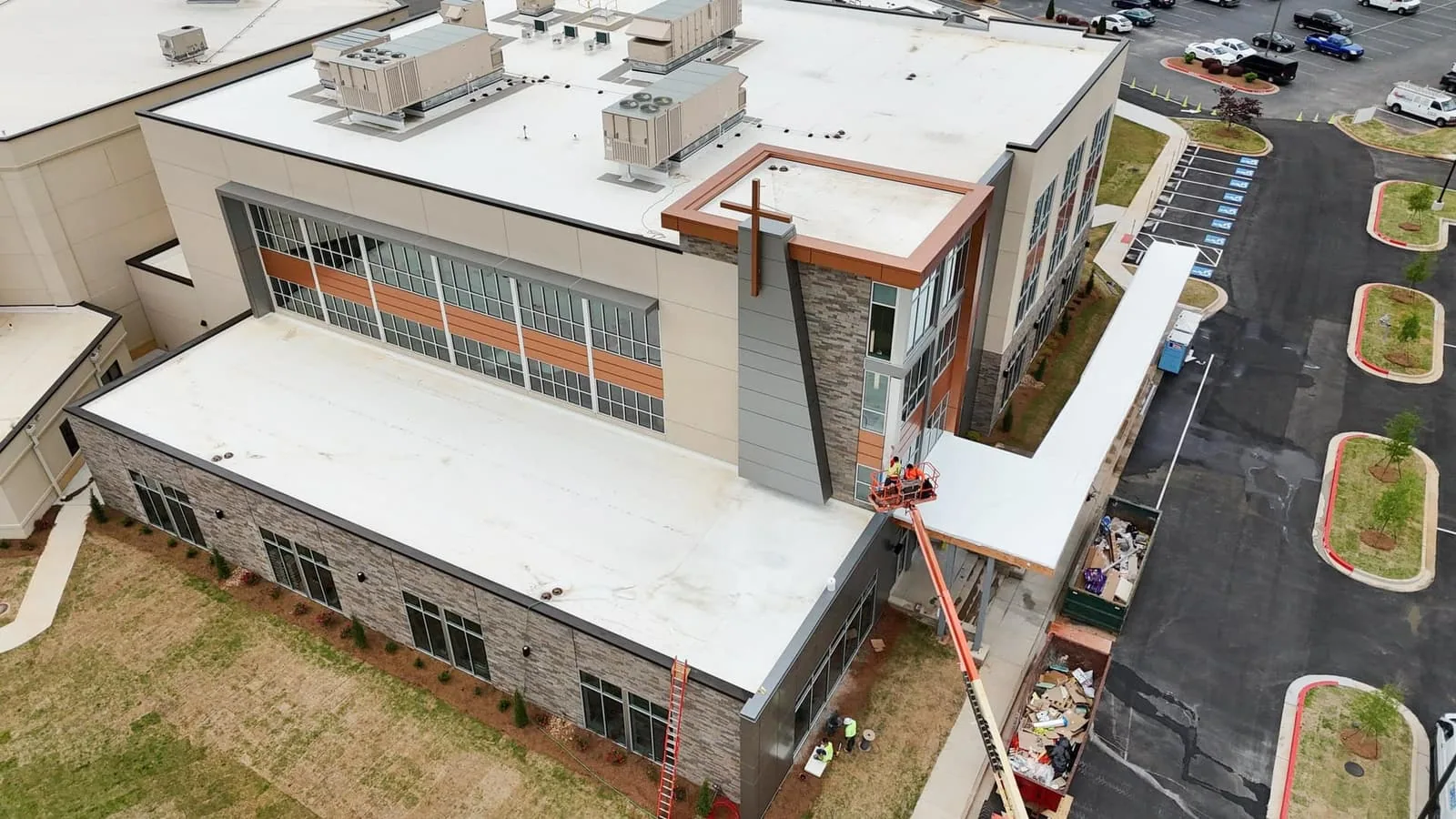

Commercial Roofing in Chualar, CA
Commercial roofing in Chualar, CA, for roof repairs, inspections and replacement planning. We base each scope on the building, access and visible conditions.
Overview
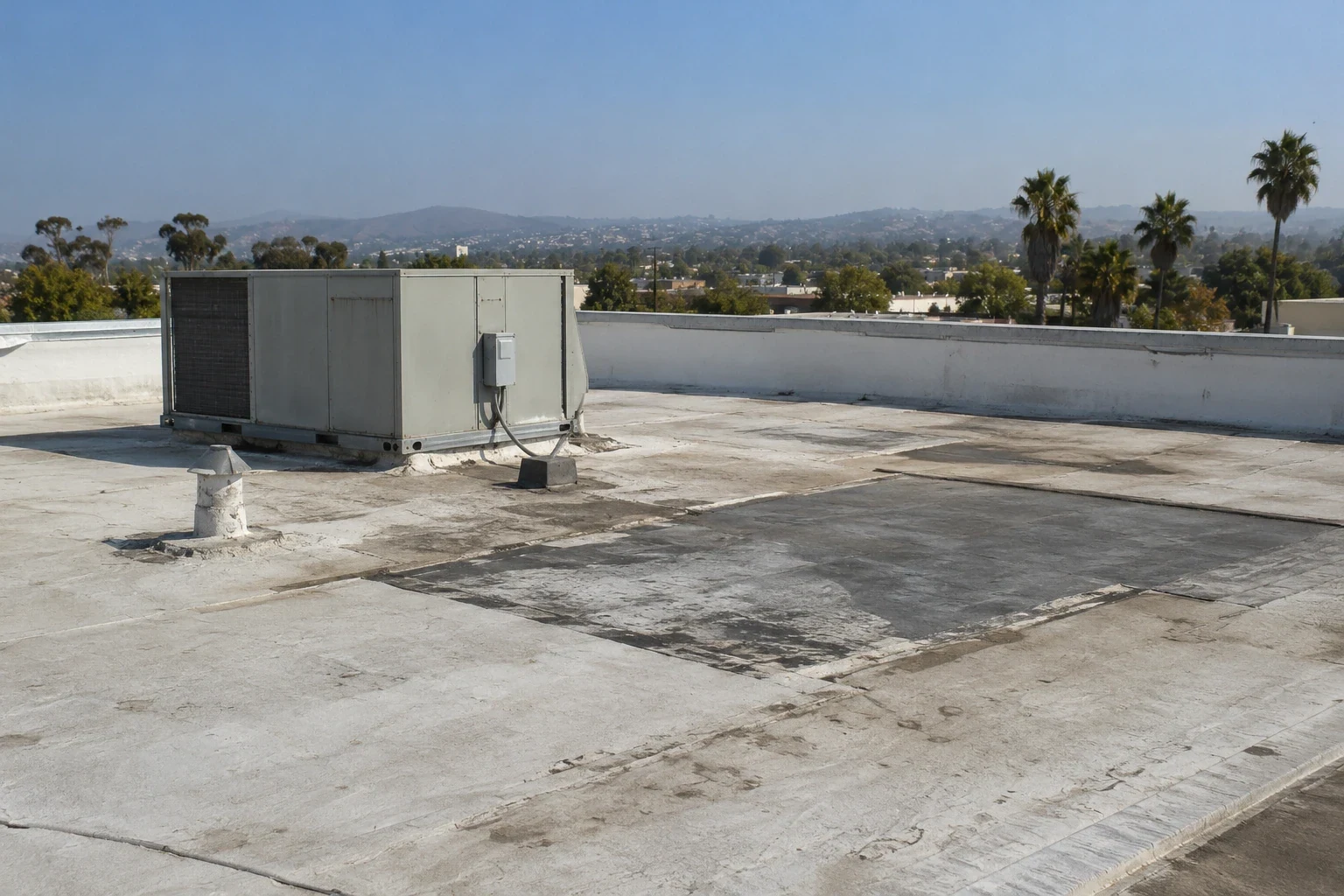
For a commercial property in Chualar, the roof plan begins with the building's use, assembly and access conditions. Chualar is an unincorporated community in the Central Salinas Valley. County materials describe agricultural land alongside residential and commercial growth in that broader area. Those are planning facts, not a description of a particular roof or the businesses occupying it. We inspect the surface and details in place, then document conditions that can support repair, maintenance or further evaluation.
Chualar is among the communities in its Salinas Valley supervisory district. That local context can help an owner orient a service request, while the inspection establishes the actual roof condition. We identify membrane or metal where visible, trace leak reports toward possible entry points, and record which areas were reached. A commercial roof inspection records roof-zone observations, photographs, access limits and the next decision for ownership to compare with repair history.
How should a roof be checked after a leak report?
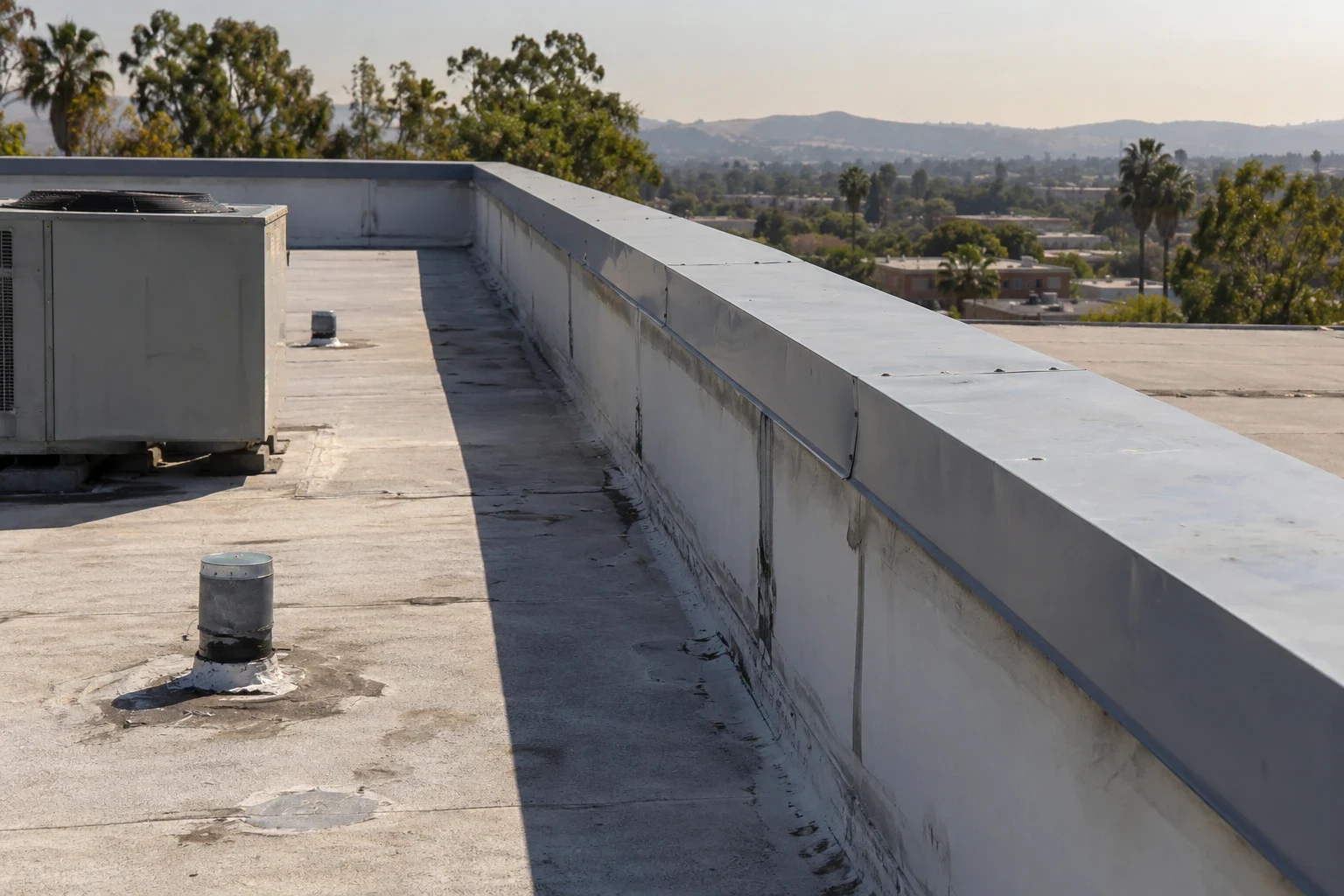
We start with the details that connect one roof surface to another: membrane seams, metal panel joints, parapets, equipment curbs, skylights, drains and wall transitions. The interior stain points to where water appeared, but water can travel below the roof before it becomes visible. We compare the report with the roof plan, the area above the affected room and nearby transitions. That helps set a repair boundary that follows the evidence rather than the location of the stain alone.
Agriculture, residential use, and commercial growth are part of the Central Salinas Valley. It does not establish that a particular Chualar building is agricultural or reveal its roof type. We confirm the property use and access needs with the owner. If the building has equipment above active rooms, we check curb flashing and the surrounding membrane; if a metal assembly is present, we inspect panel laps, fasteners, closures and edge conditions. A commercial roof repair should fit the identified assembly and leave sound surrounding material intact.
Repair history can narrow the inspection. We look at prior patch locations, compare materials, and check whether the repair perimeter has separated or nearby details show movement. If a leak returns after a repair, we revisit both the original area and adjacent seams or penetrations before repeating the same work. Photographs, dated reports and records about interior conditions help distinguish a new failure from water that entered earlier. If the condition extends below the visible surface, we can explain whether added testing would change the work recommendation.
What does seasonal planning mean for drainage?
Most measured precipitation falls during the cooler part of the year in Salinas. Those climate values are for Salinas, not a direct measurement at a Chualar property. They still make pre-season drainage checks a useful market-wide planning step. We inspect the path from roof slope to drain, scupper or downspout and look for debris, standing water, open seams, loose flashing or damaged outlet connections. A clear drain does not correct a low area or a failed seam.
If water remains after an outlet is clear, we record the area and inspect nearby slopes, transitions and repair patches. A drain and scupper assessment can identify a blocked or damaged connection, while a ponding-water investigation considers whether the roof profile or assembly is affecting drainage. For Chualar, a moisture scan can map suspect wet zones after drainage and flashing have been checked, helping ownership decide where a targeted opening could confirm the assembly. Findings need to be read alongside roof construction and visual inspection.
Scheduling depends on what preparation the repair requires and whether the surface is suitable for the selected material. If work must wait for a dry window, we identify any temporary protection needed and the condition that must be met before permanent repair. The owner should know which roof areas remain open, how they will be monitored and when the crew expects to return. That detail matters for any work performed in stages, especially where indoor operations or access hours narrow the available shift.

Which site details shape the work schedule?
Before mobilization, we confirm a contact who can grant entry, where materials may be staged, how the crew reaches the roof and which interior spaces need protection. The owner may also need to identify times when equipment or operations cannot be interrupted. We use that information to sequence work by zone and determine whether a repair can be closed before the end of the planned shift. If conditions change after opening the roof, the owner receives the finding and the decision required to proceed.
For a building that stays occupied, an occupied-building reroofing plan can set tenant notices, staging, protected areas and daily closeout. Emergency response is available around the clock, all week and on holidays, for active water entry that needs immediate attention. A larger project may require material deliveries, mechanical coordination or temporary access limits. We explain those requirements before work so ownership can line them up with the property schedule.
Timing and cost depend on roof area, system, surface preparation, tear-off, insulation and deck conditions, edge metal, penetrations and access equipment. If a concealed layer cannot be assessed until removal, the scope should explain how that condition will be handled and when owner approval is needed. For a localized defect, the estimate can isolate the detail and adjacent work. For broader deterioration, the proposal should identify each roof zone and show how the complete system will be restored or replaced. Clear boundaries let managers compare work based on the same assumptions.
What belongs in a roof decision record?
A repair may be sufficient when damage is localized and nearby material remains suitable for a compatible patch. Repeated leaks, wet insulation, poor attachment or deterioration across several areas can justify additional testing or a broader project. We state what is visible and what remains concealed, then connect each option to those observations. Before choosing a coating or recover, we check layer condition, attachment, moisture and drainage to confirm that the assembly can support that work.
Owners comparing options can ask whether each scope covers the same roof zones, flashings, drains, penetrations, interior protection and disposal. A coating restoration review can establish whether the surface is a candidate, while a replacement assessment identifies tear-off and rebuilding needs. Keep the inspection report, roof plan, leak log, photographs, service invoices and repair closeouts with the property file. This gives a later manager a record of completed work and recommendations awaiting a decision.
Chualar visits can be coordinated with properties in nearby Spreckels and Gonzales when the same facilities contact oversees the schedule. The roof history should still remain specific to each building. A roof condition report organizes findings by area and priority, while a separate maintenance visit can return to drains, seams and flashings after repair. Call with the access window and any open leak reports so the review can focus on the decision in front of ownership.
Questions Owners Ask
How do you assess a commercial roof in Chualar?
We confirm the building’s use, roof material, drainage, and access before recommending work. The inspection focuses on the property and its reported conditions.
Should we wait until the next rain to report a leak?
No. Record when water appeared, the room or equipment affected and whether it is still entering. Protect contents where safe and arrange an inspection so the roof details can be checked before the next weather event.
Can drainage work be done during a routine roof visit?
We can inspect drains and the path leading to them, then determine whether clearing, repair or further investigation is appropriate. A drainage task should also check nearby seams and flashing that could create a separate entry point.
How do you schedule work over an active business?
We coordinate roof access, staging, equipment restrictions and interior protection with the owner. The sequence identifies which area is under work and whether it can be closed safely before operations resume.
When should we compare repair with replacement?
A localized defect with sound surrounding material may support repair. Repeated leaks, wet insulation or deterioration across several zones can justify testing and a broader evaluation; we document the evidence behind each option.
Related Roofing Work
Schedule a Chualar roof evaluation
Send the roof plan if available, access contact and leak history. We will document visible conditions and outline the next step by roof zone.