School Roofing in Salinas, CA
Plan school roofing in Salinas around student safety, classroom protection, drainage, roof access, and the academic calendar schedule.
Overview
For a district facilities team, roofing work has to fit room use, bus and delivery movements, and the dates when each building must be ready. We connect interior leak reports to roof zones, then review site access rules and the campus calendar before laying out a repair or replacement sequence. This gives staff a schedule tied to the actual spaces and activities affected.
Salinas includes public schools, higher education, and buildings that serve agricultural and industrial programs. The schedule and roof condition at each campus must be confirmed with its facilities team. We do not assume a school’s roof type or access needs from the neighborhood or its name.
How should roofing protect students and staff?
Before crews arrive, the school identifies student routes, bus and delivery areas, playgrounds, athletic use, and any occupied rooms below the work. Ladders, lifts, material staging, and ground-level exclusion zones need to stay separate from student movement. We coordinate entrance notices, daily start and stop times, and the person who can approve a change to the campus plan.
Classrooms below an open roof area may need interior covers or a different sequence. If work produces noise, odor, or dust, the school can schedule it during breaks or away from sensitive activities where the project allows. College and university roofing also requires controlled campus access, while hospital roof work uses facility-specific care protections. Each school still needs a plan based on its own site map and calendar.
What should a school roof inspection include?
We inspect membrane or metal condition, seams, flashings, drains, scuppers, skylights, rooftop units, and past repair locations. Interior reports from classrooms, kitchens, libraries, and offices help direct attention, but water can move between roof layers before appearing indoors. A useful report labels roof zones, records visible conditions, and distinguishes a confirmed opening from an area that needs further testing.
Schools may have roof areas added or modified at different times, so we identify transitions and the assembly in each section. A commercial roof inspection can prioritize maintenance or repair and record any access limitation. When water is active, leak repair should address the entry detail rather than only the visible ceiling stain. The district should have a record it can use when planning future work.
When should school roofing work be scheduled?
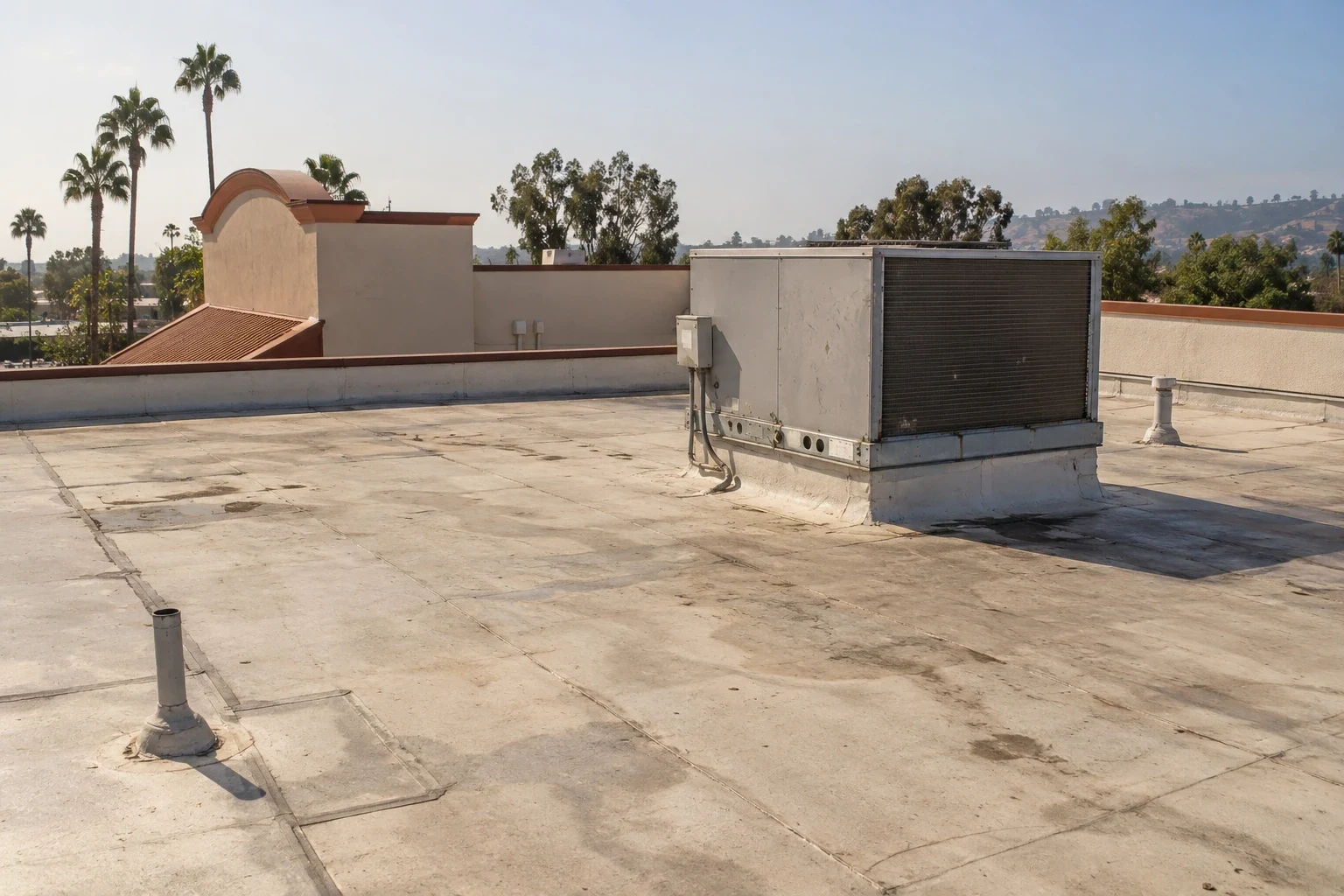
Summer break can create a longer access window, but school facilities still handle summer programs, custodial work, deliveries, and building preparation. We confirm dates with the district and account for staff presence, enrollment events, and when rooms need to be ready. A schedule should show the sequence by roof area, the work that requires lifts or crane access, and the point when each space below can return to normal use. The district can align that plan with staff return dates, custodial work, and any summer program using the building. We confirm the handoff date for each room instead of assuming that a school is empty during break.
Work during the school year may be possible when zones are isolated and routes remain safe. We coordinate noise-sensitive work, parking, student movement, and emergency access with the site team. A daily closeout checks temporary dry-in, secured equipment, debris removal, and barriers. Occupied-building roof sequencing helps keep those requirements attached to each phase rather than treating the campus as an empty jobsite.
Why check drains before the rainy season?
School roofs can have several drain bowls, scuppers, overflow points, and roof sections that feed a common outlet. We check for leaves, debris, loose strainers, open membrane edges, and ponding near classrooms or mechanical areas. If water remains after a drain is clear, the roof’s slope, deck, and insulation may need closer review. The project should state whether it corrects that geometry or simply repairs the surface.
Salinas receives most of its normal precipitation in the cooler season. Facilities can use the drier months to inspect outlets, repair loose flashing, and plan work before the academic year is affected. Drain and scupper repair should preserve overflow paths and connect cleanly to the membrane. The school can retain photos and zone records so facilities staff know which areas were addressed and which need follow-up.
How do campus layouts affect roof access?
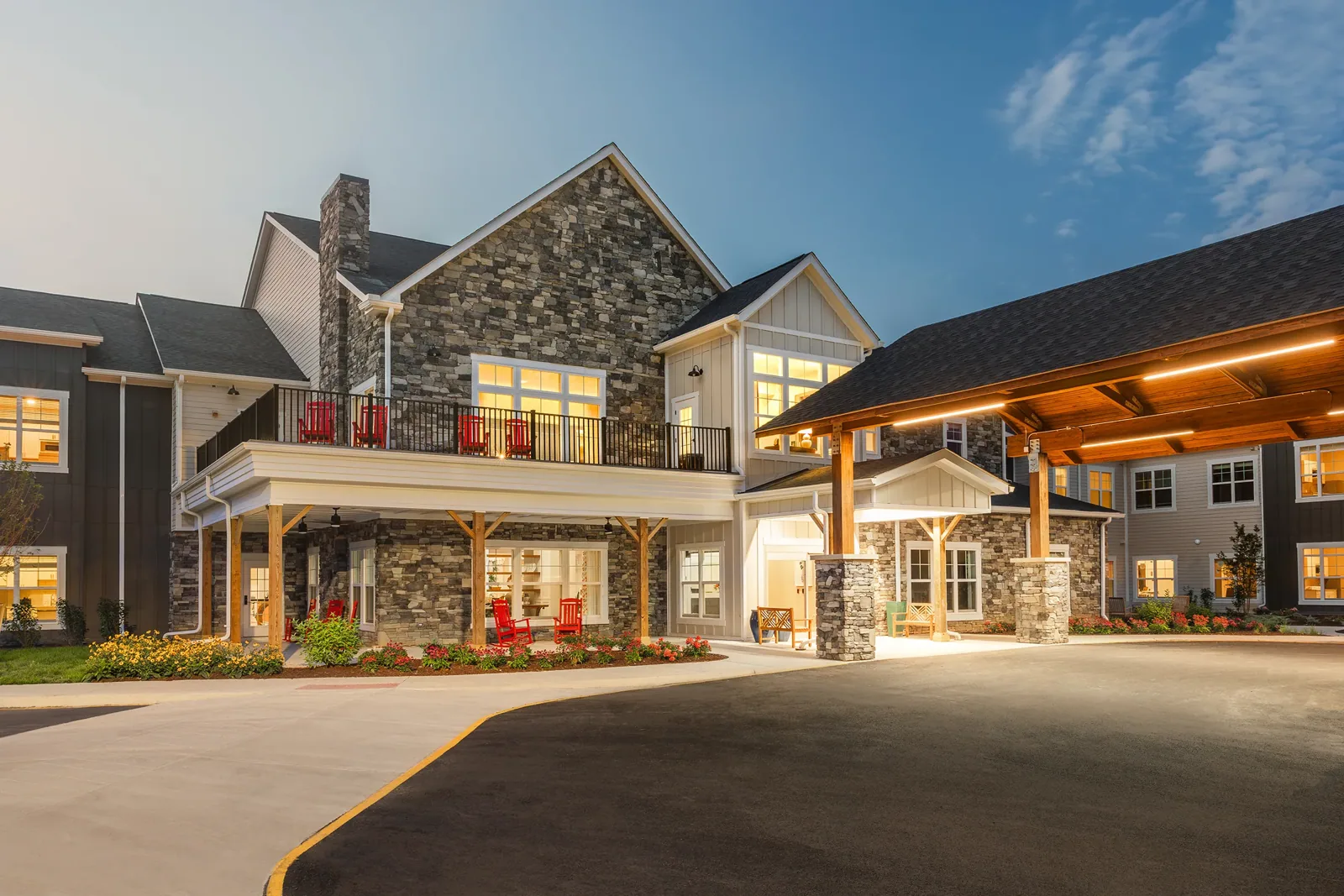
School buildings may have locked roof hatches, courtyards, covered walks, athletic fields, or loading areas that constrain the crew’s route. We confirm keys, escorts, delivery hours, and any restrictions on photos or equipment. The school identifies where materials can be staged and which doors or sidewalks need to remain open. Those details affect the work sequence and what protection is required below.
Areas such as downtown Salinas and Alisal and East Salinas have different street and property access patterns, but the campus plan comes from the school itself. A project in Alisal and East Salinas still needs its own hatch location, student route map, and staging review. If a roof section is above a kitchen or occupied classroom, we confirm the building contact and protection before removing any material.
How should rooftop equipment and openings be handled?
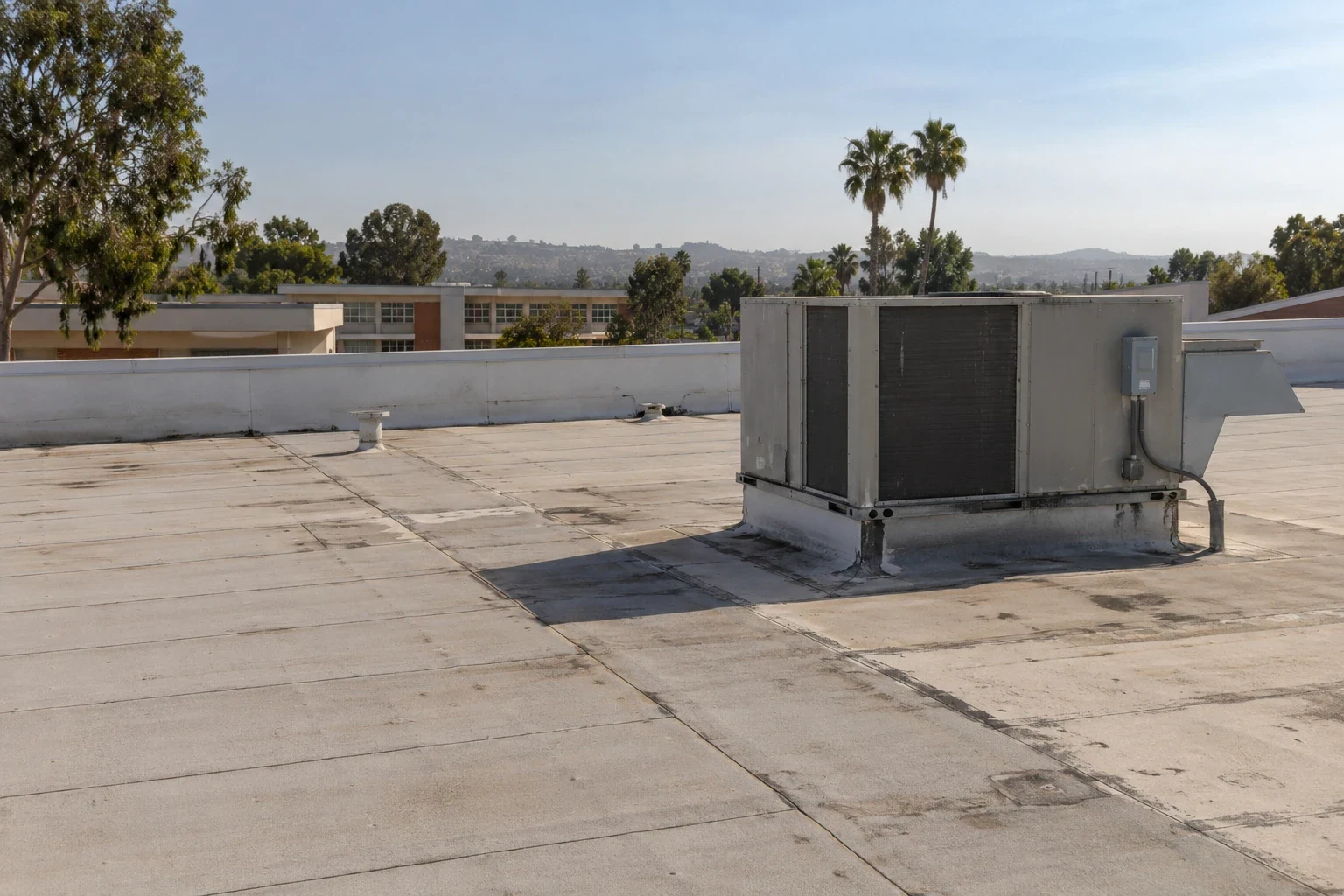
Schools may have HVAC equipment, exhaust fans, skylights, solar equipment, and conduits crossing the roof. Each penetration needs flashing that matches the roof system and allows maintenance access. We inspect curbs for movement and prior repair, then coordinate any unit shutdown with the facilities team. A school should not have to guess whether an equipment trade or roofing contractor is responsible for a connection.
When new equipment is planned, the roof team can confirm curb height, penetration location, support, and the final membrane detail before installation. A roof opening left unprotected can expose rooms below even when the crew has left for the day. Equipment curb and support repairs and skylight flashing can be scheduled with the mechanical or electrical work and inspected before students return.
When should a district plan a larger scope?
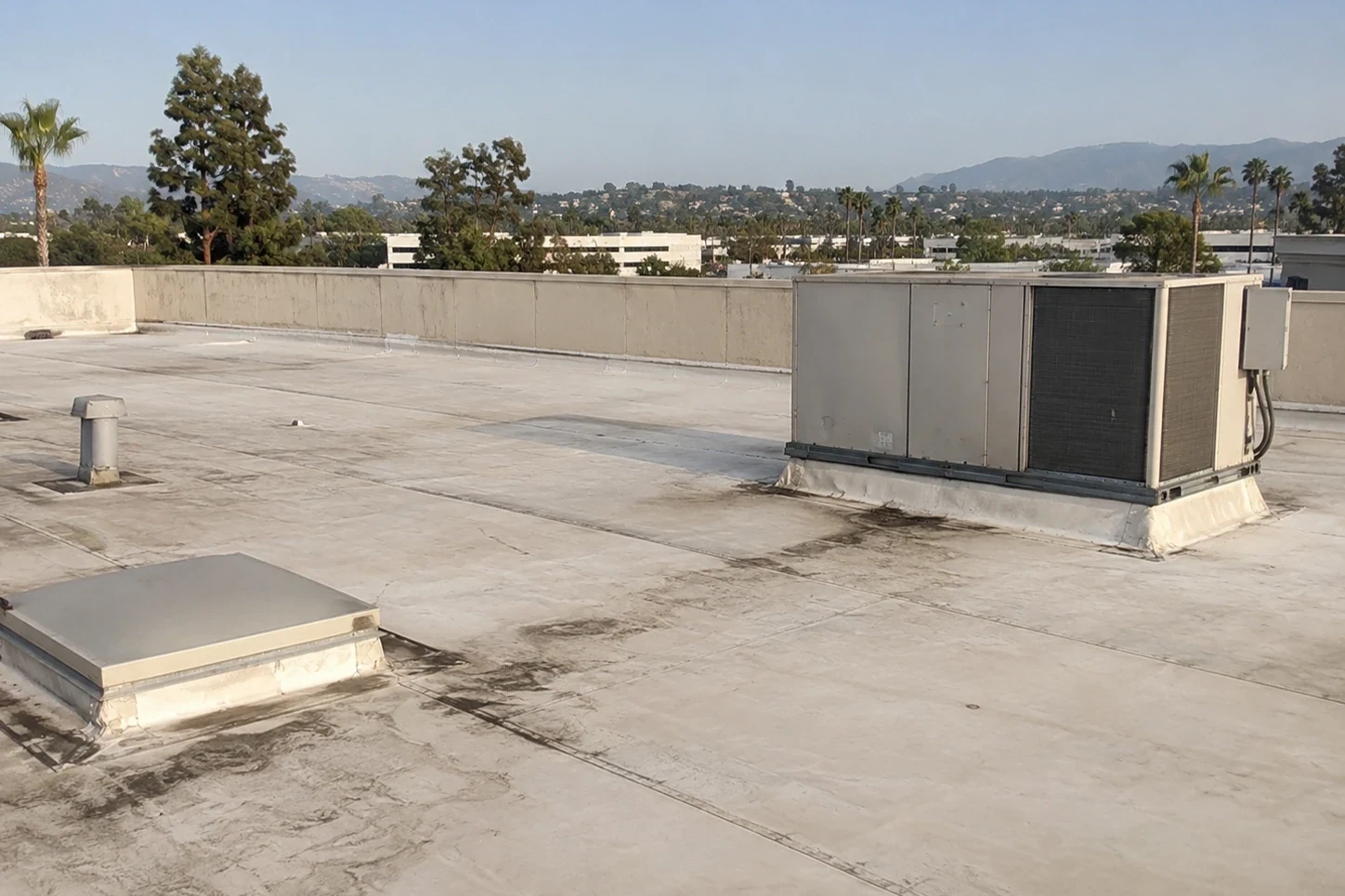
A single leak, puncture, or loose flashing can often be repaired when the surrounding assembly remains sound. Repeated leaks across classrooms, wet insulation in several roof zones, widespread seam failure, or deteriorated deck can call for broader work. We document what is confirmed and what needs testing before recommending replacement. The district can then compare repair, phased replacement, and a larger project against its calendar and facility priorities.
Maintenance records help the facilities team connect roof conditions with classroom reports and equipment work. A maintenance plan can track drains, seams, and repairs between school terms. If defects are widespread, a replacement assessment can map phases and room protection. The scope should state when each area becomes available, what remains under monitoring, and what approvals are needed for concealed conditions.
Questions Owners Ask
What should a Salinas district confirm before summer roof work?
Confirm room-readiness dates, summer program schedules, custodial activity, deliveries, and equipment work already planned. We sequence roof areas against those commitments and identify when each interior space can return to normal use.
What access controls are needed while students are on campus?
The district identifies student routes, active rooms, restricted areas, and emergency access. We plan staging, barriers, deliveries, roof entry, and interior protection around those requirements; the district approves the site plan before work begins.
What should staff report when they see a classroom leak?
Report the room, date, time, and any nearby equipment or ceiling changes to facilities staff. We compare that information with roof zones and inspect the likely entry details before choosing a repair.
How do you protect playgrounds and walkways?
We plan lift and material routes, secure ground-level work zones, and schedule deliveries with the school. The site team identifies active student areas and confirms when barriers can be removed.
Related Roofing Work
Fit roof work to the campus calendar
Share the academic calendar, campus access rules, leak reports, and areas needing protection. We will inspect the roof and plan work around student safety and building readiness.