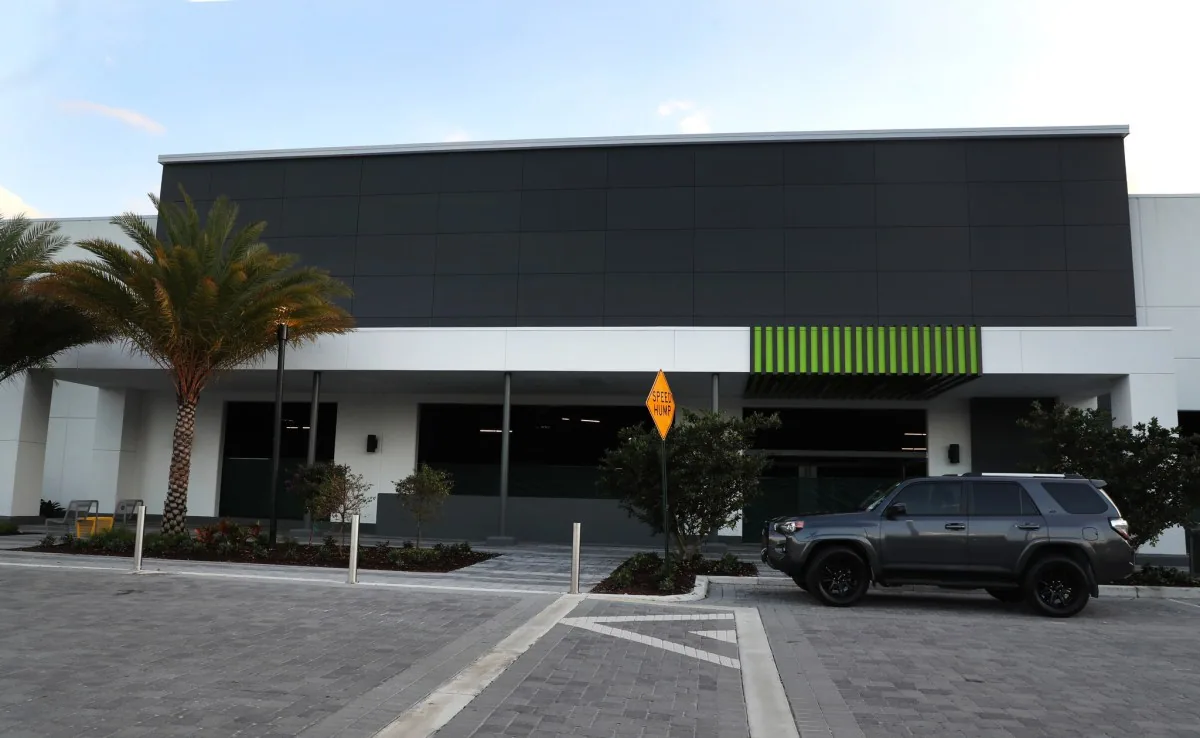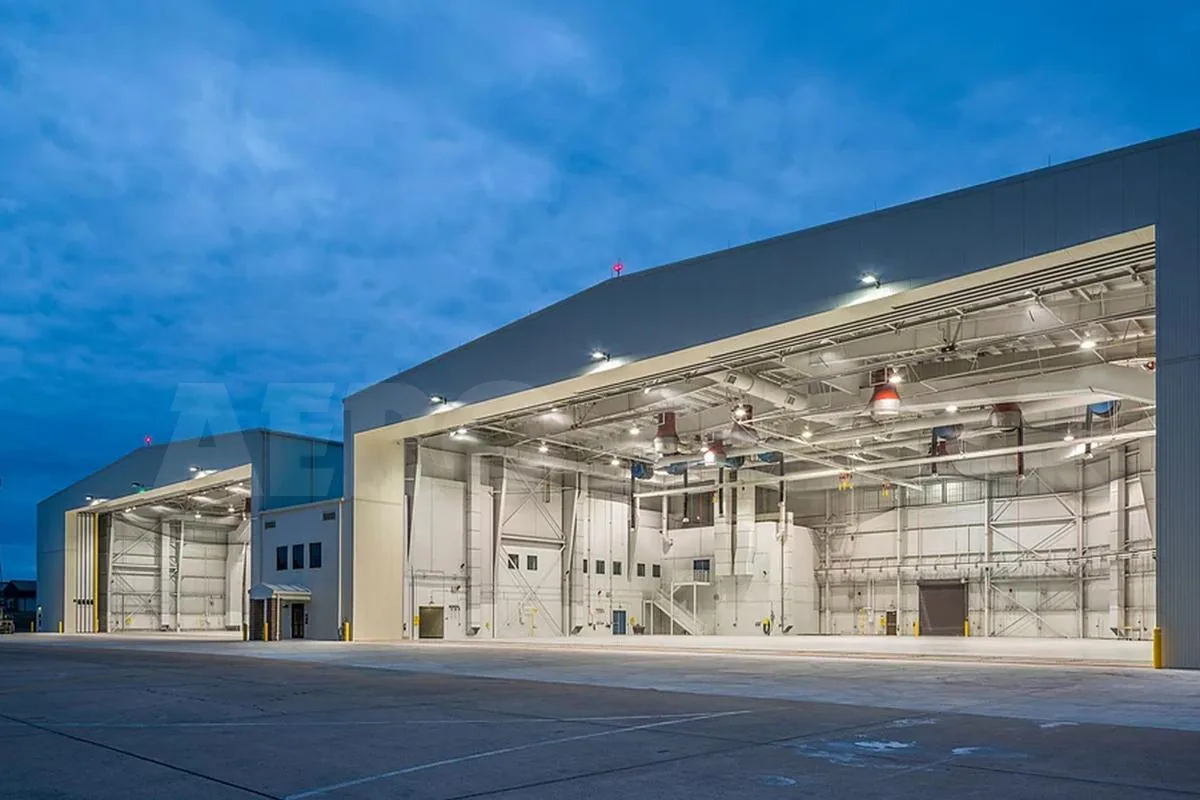
Naval Facility Roofing in Salinas, CA
Roof planning for naval facilities near Salinas, CA, with membrane inspections, secure access coordination, phased repairs and photo closeout records.
Overview
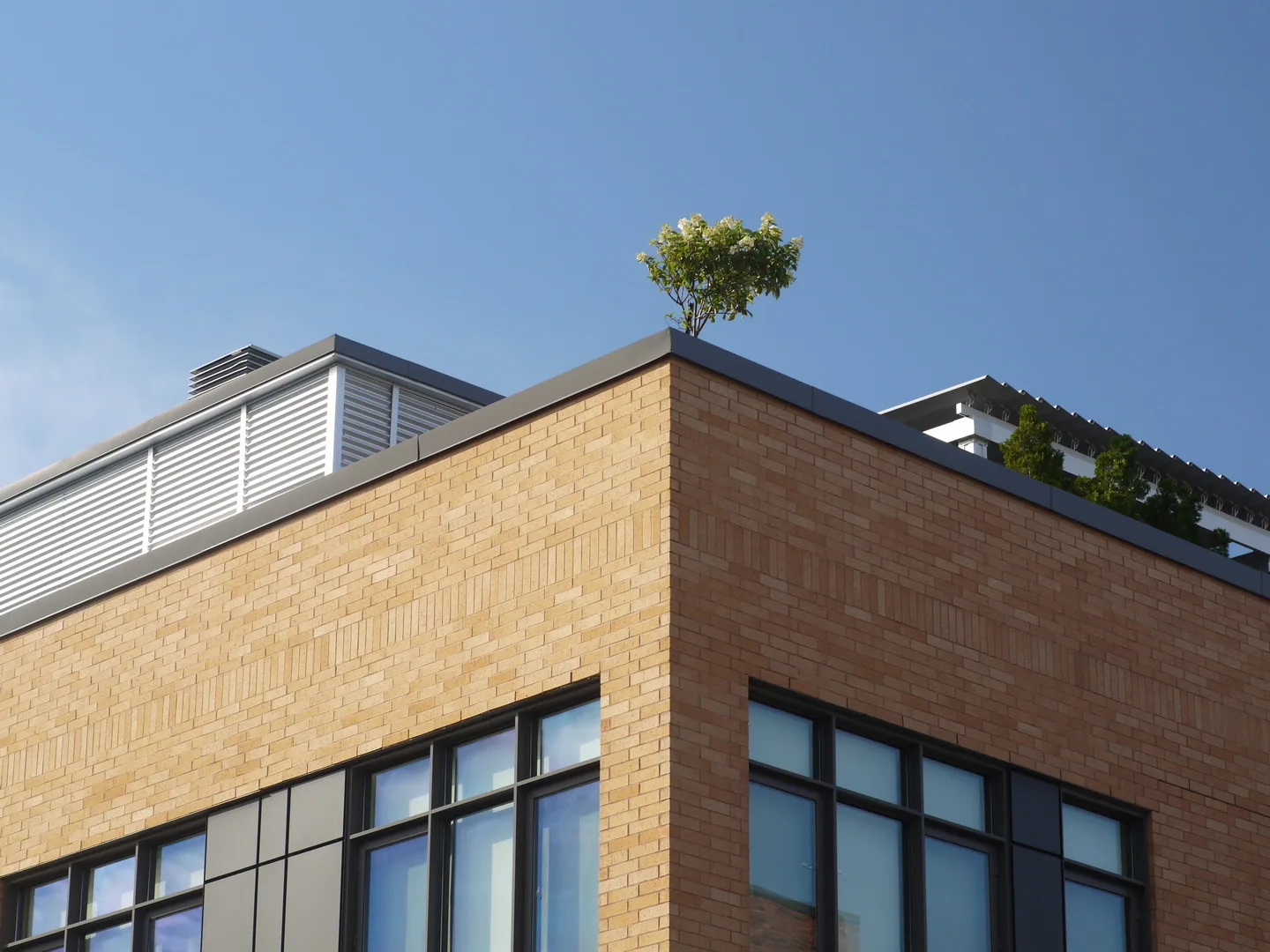
A laboratory roof near the coast has to protect sensitive rooms while crews work around security rules, equipment and scheduled operations. Naval Support Activity Monterey includes more than 160 buildings across over 626 acres and supports more than 15 tenant commands. Those figures describe a varied installation, not a single roof assembly. In Salinas, CA, we begin with the building, its roof records and the person authorized to arrange access. The first survey marks roof zones, drains, seams, curbs and perimeter metal, then separates confirmed damage from conditions that need a closer test.
At Naval Postgraduate School, the property mix spans instruction, laboratory academic work, library services, government housing and recreation. Those roles bring different roof penetrations, noise limits, interior protections and equipment shutdown decisions. We map the requested work area and establish what the inspection can reach before proposing a repair boundary. A commercial roof inspection records visible conditions and the follow-up needed to make a sound scope.
Which details belong on a naval roof survey?
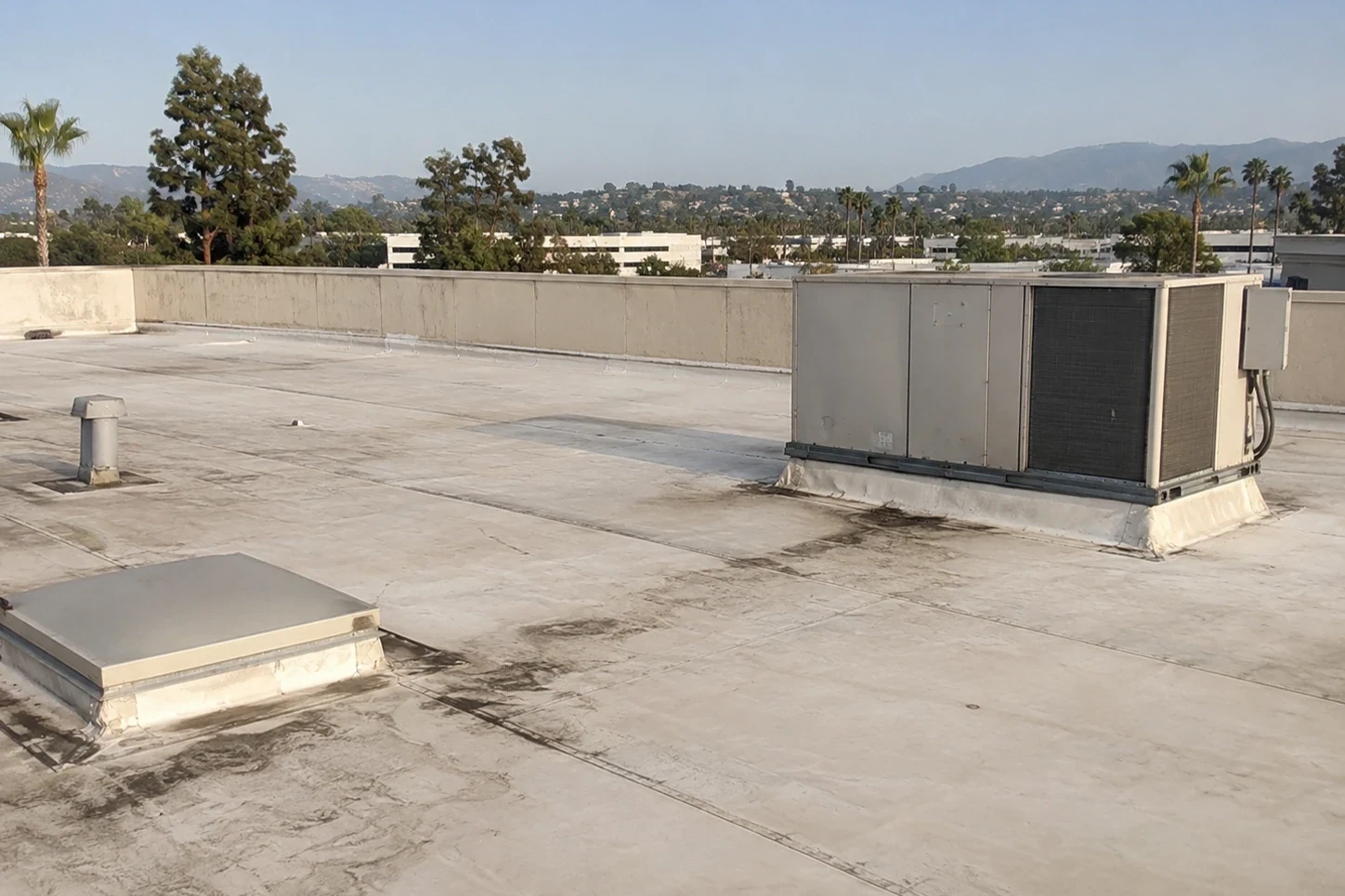
Membrane field, seams, edge metal and wall transitions deserve a connected inspection. A lifted edge can direct wind-driven rain below the membrane; an open curb corner can wet insulation even when the field looks intact. We photograph each defect in context and record its roof zone, nearby equipment and access limit. Where records identify a system, we compare the visible assembly with the product documents. If the records are missing, the report marks the material as unconfirmed rather than treating appearance as proof.
Laboratories and academic buildings may have penetrations for mechanical, electrical or academic work equipment. We record the curb, flashing, conduit support and any visible movement without disturbing live systems. Facility staff identify equipment that must remain energized or requires an escort. If moisture mapping or a test opening could resolve a repair question, the scope states the purpose and location first. The owner can review the proposed disruption and approve the next step.
A written roof condition report gives the maintenance lead a map of findings, photographs and inaccessible areas. The useful record links a leak report to the nearest roof detail without assuming that the ceiling stain marks the entry point.
How should access and security shape the sequence?
Installations use access and visitor-control procedures that differ by command and property. The Army gate information at the Presidio of Monterey illustrates why crew names, vehicle details, escort requirements and arrival windows need confirmation before dispatch. Naval work likewise needs its own approved access path. We coordinate with the facility contact and follow the site’s current rules; a roofing estimate does not grant access or replace a base approval.
Before a roof walk, the contact identifies the approved entrance, check-in process, escort, ladder or hatch route, and any equipment restrictions. We record where tools can be staged and how materials can reach the roof without crossing controlled or occupied areas. If the planned route changes, the crew pauses and confirms the alternate path with the authorized lead. These decisions affect labor, lift needs and schedule, so they belong in the work plan rather than in an informal arrival record.
For an occupied laboratory or classroom, sequence work in areas that can be secured and closed during the approved window. A phased reroof plan can state daily dry-in limits, interior protections, notification points and the handoff before rooms return to use. Keep each day’s roof closure visible in the field record.
When does a naval facility need repair or renewal?
A localized puncture or failed flashing can support a repair when nearby membrane remains attached, the substrate is sound and the water path can be bounded. We identify preparation, compatible patch material, tie-in length and the inspection point that confirms closure. If a curb detail has loosened, the scope includes its attachment and membrane connection rather than covering the movement with surface sealant. A targeted commercial roof repair leaves the facility with a defined work boundary and dated photographs.
Several wet zones, repeated seam separation, widespread surface wear or a deteriorated deck may call for a broader comparison. A test cut can reveal layers at one location, but it does not describe every roof area. We map the sample, record the material and close the opening using an approved detail. The next decision can compare localized restoration, recover or full replacement using confirmed conditions, drainage, deck and access requirements.
Naval Support Activity Monterey’s scale makes asset records especially useful: each building and roof zone should retain its own repair history. A roof asset record can align inspections, emergency calls, equipment changes and planned capital work. It helps a facilities team distinguish a recurring detail from a new issue without merging separate roofs into one assumption.
How do coastal conditions affect inspection and timing?
Salinas sits inland from Monterey Bay, where marine-layer flow and breezy conditions vary from a property closer to the coast. The Salinas climate record shows most rainfall in the cool season, with very little from June through September. That pattern can help facilities plan drain checks before winter storms and consider dry-season work windows, but a roof inspection still follows the actual forecast and surface conditions. Dampness, wind and temperature affect whether a repair can be cleaned, dried, adhered or welded safely.
At an exposed perimeter, we check coping joints, fasteners, edge attachment and the membrane turn-up as one assembly. At a drain, we examine the bowl, strainer, surrounding sheet and visible slope. A roof with repeated ponding needs more than a record to clear leaves if the outlet or deck elevation is part of the problem. Our drain and scupper review records the outlet condition and any connection that needs testing.
Facility managers can compare roof records from Monterey, Marina and Salinas while keeping each building’s exposure and access history distinct. Nearby geography is context for scheduling, not a substitute for a site-specific weather window or inspection result.
What should the closeout leave with the facility?
Closeout should identify the building, roof zone, work limits, materials, preparation, photographs and any condition left unresolved. We mark inaccessible areas and explain whether security timing, equipment or weather limited the visit. If removal exposed wet insulation or a damaged deck, we document its extent and get approval before expanding the scope. The maintenance contact receives a record that can be compared with the original leak report and future service visits.
Keep access decisions with the project file: the approved route, escort coordination, shutdown requirements, staging location, work window and daily weather-tight boundary. If the work involved laboratory exhaust, communications equipment or another live system, record who authorized the interface and which trade restored it. A record should show what was observed and completed, not imply a broader inspection than the crew could perform.
Send the facility name, building identifier, available roof drawings, leak locations and operational limits. We will organize the roof walk around authorized access, record the details that can be reached and return a scope with repair options, testing needs and closure points for the facilities team.
For adjacent scopes, compare Army installation roofing and military barracks roofing while keeping each building record separate. The nearby Monterey service area has its own access plan.
Questions Owners Ask
Can a roofing crew enter a naval facility with a standard work order?
No. The authorized facility contact must confirm current access, badging, escort, vehicle and tool requirements. We schedule only after the site establishes the approved route and work window.
Can a roof leak be repaired during the first visit?
A first visit can establish a safe temporary measure when access, weather and the roof condition allow it. Permanent repair depends on material compatibility, dry substrate, approvals and a defined boundary; the report names what remains.
How do you protect laboratory or academic operations?
We coordinate roof access, interior protection, equipment restrictions and noise windows with the building lead. The sequence includes a defined area, daily dry-in point and handoff before the work zone returns to normal use.
What records should remain after the work?
Keep the roof-zone map, before-and-after photographs, materials, preparation, approvals, weather records and any inaccessible area. Those details help the next inspection distinguish a recurring defect from a new condition.
Related Roofing Work
Arrange a naval facility roof review
Share the building identifier, roof records, reported condition and approved access contact. We will confirm the work window and return a mapped inspection or repair scope.