
Storm Damage Roof Repair in Salinas, CA
Inspect commercial storm roof damage in Salinas, CA, document visible conditions, protect the building, and define needed repairs.
Overview
After a storm, the first decision is how to protect the building while the roof condition is checked. Wind-driven rain, displaced edge metal, a puncture, or water entering around a curb can interrupt work even when the opening is not obvious from indoors. We inspect the reported area, document visible conditions, and separate emergency protection from the permanent repair scope.
Salinas’ normal rainfall is concentrated in the cooler season, and regional marine-layer conditions can bring low clouds and breezy periods at other times. That context helps with access and scheduling, but it does not prove a specific roof has storm damage. We evaluate the actual membrane, flashing, drainage, and interior reports before recommending work.
What should be checked first?
Start with people and operations below the roof. Identify active leaks, electrical hazards, unstable ceiling material, inventory at risk, and areas that need to remain clear. The facility contact can direct water containment and interior protection while we confirm safe access. If roof conditions are slick, visibility is poor, or wind makes access unsafe, the first visit may focus on stabilizing the interior and planning a safe return.
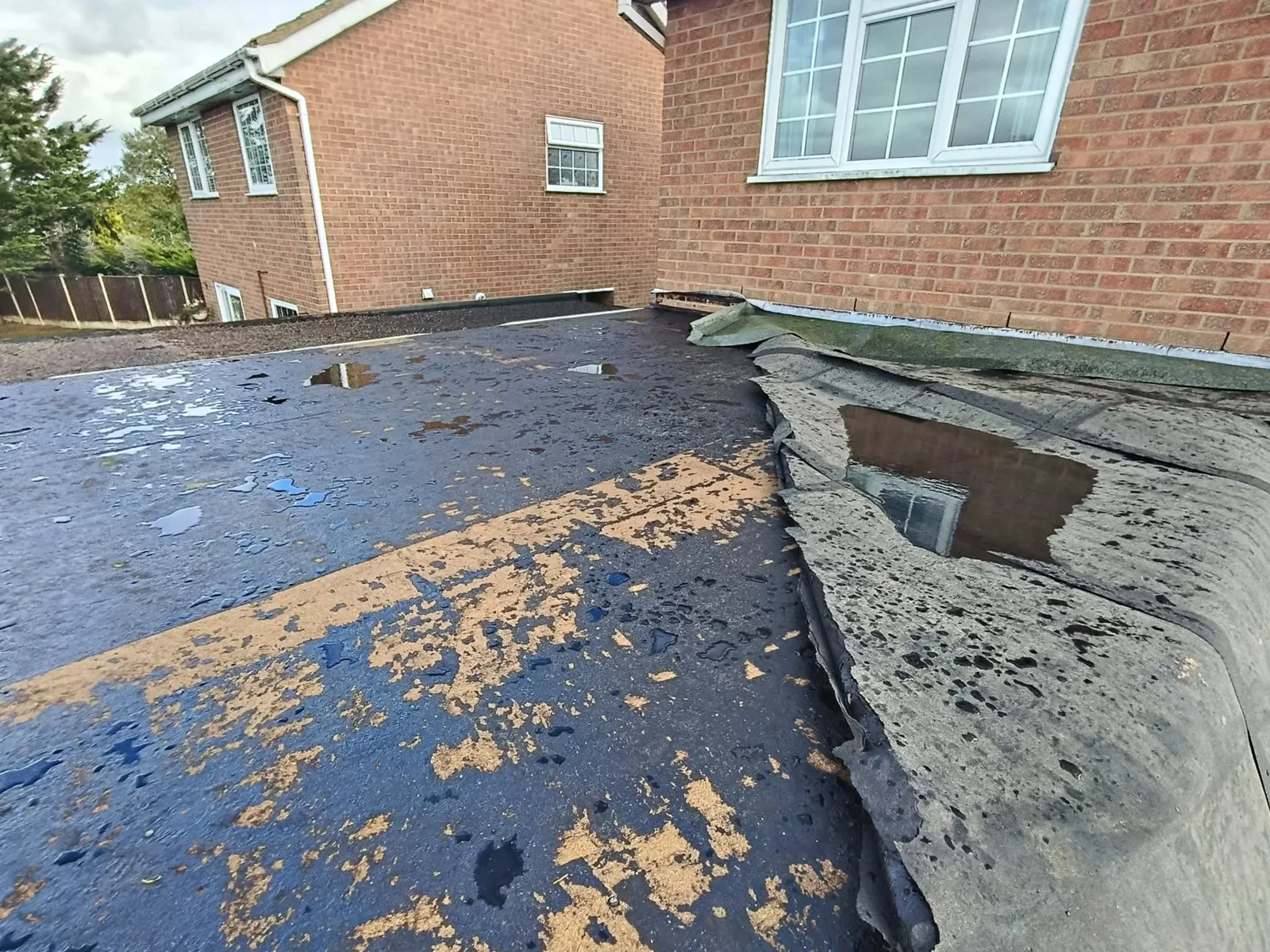
At roof level, we examine the reported area and nearby edges, seams, penetrations, drains, skylights, and transitions. Wind or driven rain may expose a detail that was already loose or incomplete, so we document what is visible without assigning cause before evidence supports it. Photos should include the roof zone and enough surrounding context to locate the condition later.
A visible leak may have traveled across the roof assembly before reaching the interior. We compare the stain or drip with drainage routes, curbs, wall edges, and prior repairs. If the likely path is unclear, the report records the possibilities and recommends a moisture survey or targeted opening only when it would change the repair decision.
How can the building be secured?
Temporary protection limits further exposure until a durable repair can be completed. Depending on the roof and weather, that may involve a secured cover, a compatible temporary patch, interior containment, or redirecting water away from sensitive equipment. We confirm that protection will not block a drain, overload a weak area, or create a loose edge in changing wind.
Temporary work is not a final repair. The record identifies its location, material, weather limitations, and the follow-up required. If water continues to enter or the cover shifts, the facility contact needs a clear way to report the change. The next visit should check the temporary detail before assessing permanent work.
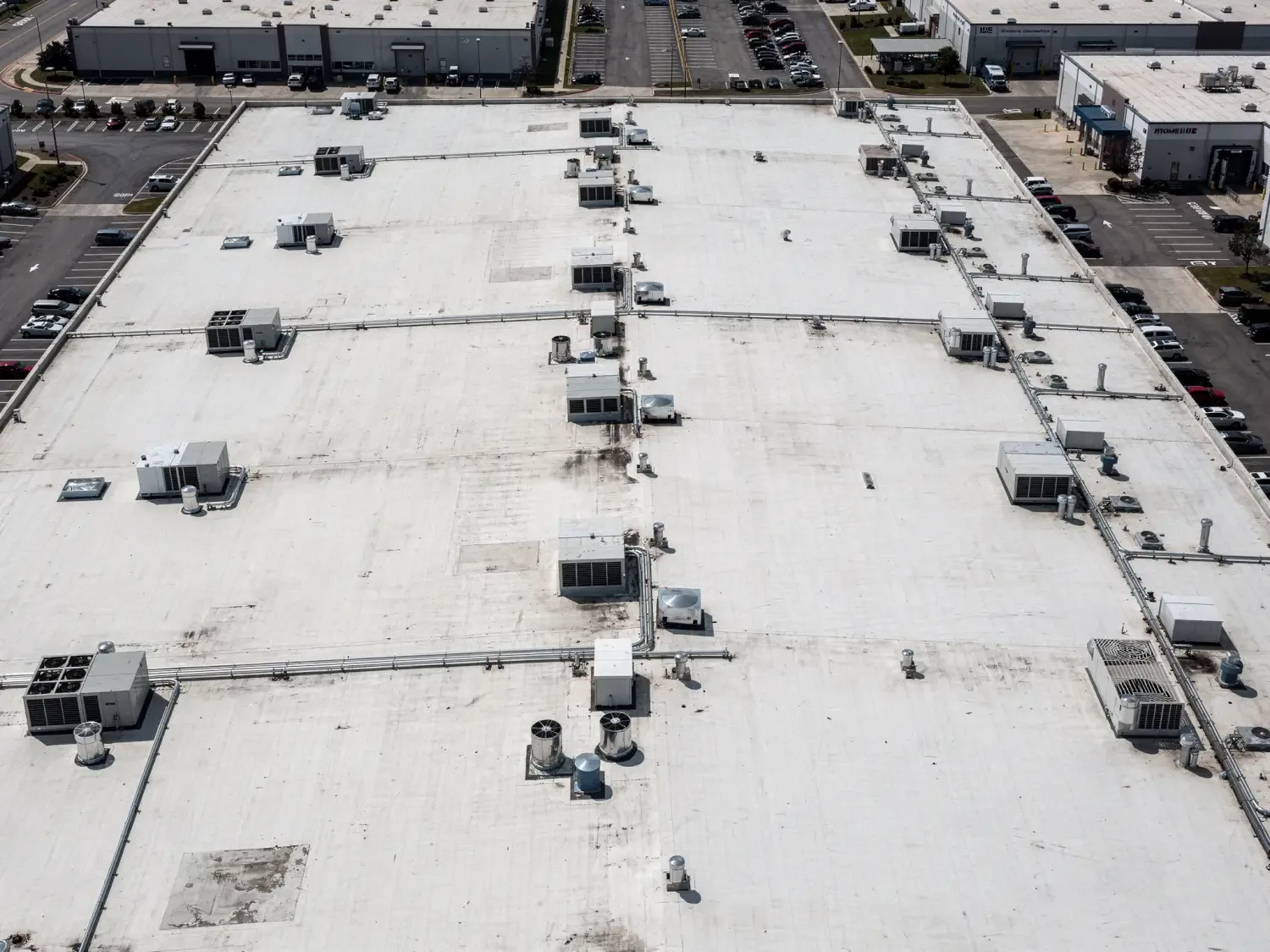
For active warehouses or food-processing properties, protecting stock and keeping receiving paths usable may be part of the emergency scope. We coordinate with the property contact about interior barriers, cleanup, equipment access, and any areas that require notice. The repair plan should show which parts of the building can operate during the work and where a short interruption is necessary.
How do we distinguish damage from maintenance?
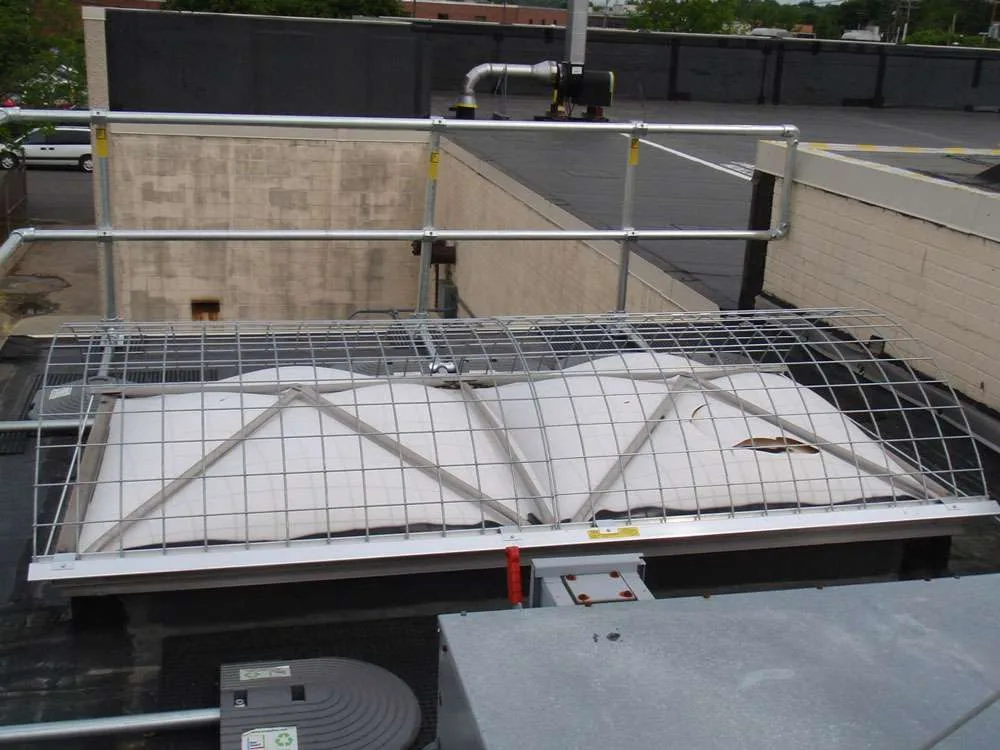
We look for displaced metal, open seams, punctures, lifted flashing, impact marks, debris, and fresh water entry. Each observation is recorded by roof zone and photographed. Prior maintenance, foot traffic, equipment work, and older repairs can produce similar conditions, so the report separates direct observations from the owner’s timeline and any suspected event.
Storm timing and weather information can be kept with the facility incident log, but the roof inspection does not decide insurance coverage. We describe the condition and work performed, identify limits on access, and state what further examination may be needed. If concealed moisture is suspected, a moisture survey or core sample can help test selected areas.
The condition may be urgent even when its cause is uncertain. An open flashing edge above occupied space needs protection and repair planning. A surface mark without a split or water path may be documented for comparison. The owner can then prioritize work based on what the building needs, while preserving a factual record for any later claim review.
What does the property’s location change?
Access and staging vary across the Salinas market. Salinas Business Park is planned for logistics, warehousing, packaging, distribution, and manufacturing. Those uses can make delivery and roof access coordination relevant during nearby repairs, but they do not establish how a specific property operates. At the Airport Industrial Park or in Castroville, the site contact identifies the area that must remain clear.
Fog or low cloud can affect visibility and morning access. During rain, drains and scuppers need attention because debris can limit flow just as water is entering. We confirm which outlets serve the affected area and whether a safe temporary flow path is available.
Once emergency conditions are controlled, a broader commercial roof inspection may identify nearby seams or flashing that should be maintained before the next weather period. The expanded review should still focus on the actual roof, not assume that every section was damaged by the same event.
What repair should follow the initial response?
The repair method depends on the roof material, damage boundary, moisture below the surface, and condition of the adjacent detail. A compatible membrane patch may address a discrete puncture. A loose wall or curb flashing may need to be rebuilt. Damaged insulation or deck may require removal before a new surface is installed. We define the repair limit and state what would change if concealed damage appears.
For a roof with a known system, the repair should use compatible materials and proper preparation. An emergency seal or cover may protect the opening, but it does not establish that seams or attachment remain sound. If the damage extends across several areas, the owner can compare a defined repair program with a replacement evaluation.
Schedule and access are part of the scope. We identify the work zone, material staging, interior protection, and any equipment shutdown or tenant notice. If the roof cannot be repaired under current conditions, the estimate should say what temporary control remains and when the permanent work can be attempted. The owner should know which step closes the emergency and which step restores the assembly.
What should the storm record contain?
A useful file keeps the initial report, inspection photos, temporary measures, repair approvals, and completed-work records together. Each image should identify its roof area and capture date. We list accessible areas and any sections that could not be checked, then describe what was repaired and what remains for follow-up.
If the property has several buildings, the record should identify each by the facility’s own name and mark the relevant roof zone. That matters across business areas such as North Main Street and West Market, where site access and building use may differ. After wind, a wind damage review can record visible displacement; a flashing failure check examines the affected transition. Photos without a location label can be difficult to match to a later roof visit.
Owners can retain the report with weather records, incident records, maintenance logs, and insurer correspondence. We document observations and work performed; the owner and insurer determine cause and coverage. Keeping those roles clear protects the usefulness of the record and avoids overstating what a repair visit can establish.
Questions Owners Ask
Can you respond to a commercial roof leak after hours?
Yes. Emergency service is available at any hour, including weekends and holidays. The first work depends on safe access, current weather, and conditions inside the building. We confirm whether roof work can proceed or whether interior protection should come first.
Does a storm-damage visit determine who is responsible?
The visit records visible roof conditions and work completed. We can record the owner’s reported timing, but the inspection does not decide insurance coverage or establish a cause that cannot be seen. Further testing may be recommended if concealed damage remains a concern.
Should we arrange a full inspection after a temporary patch?
A follow-up is appropriate when the roof has nearby vulnerable details, the leak path remains uncertain, or the event affected several areas. We check the temporary measure and inspect the related roof zones, then separate new repairs from routine maintenance.
Can repair begin before an insurance review is complete?
Immediate protection may be needed to limit damage, subject to the owner’s procedures and insurer requirements. We can document the condition and temporary work, then define permanent repairs separately so the owner can coordinate approval and building needs.
Related Roofing Work
Protect the building and document the roof
Share the active leak location, site access conditions, and areas that need protection. We will assess safe response options and provide a record of observed damage and recommended repairs.