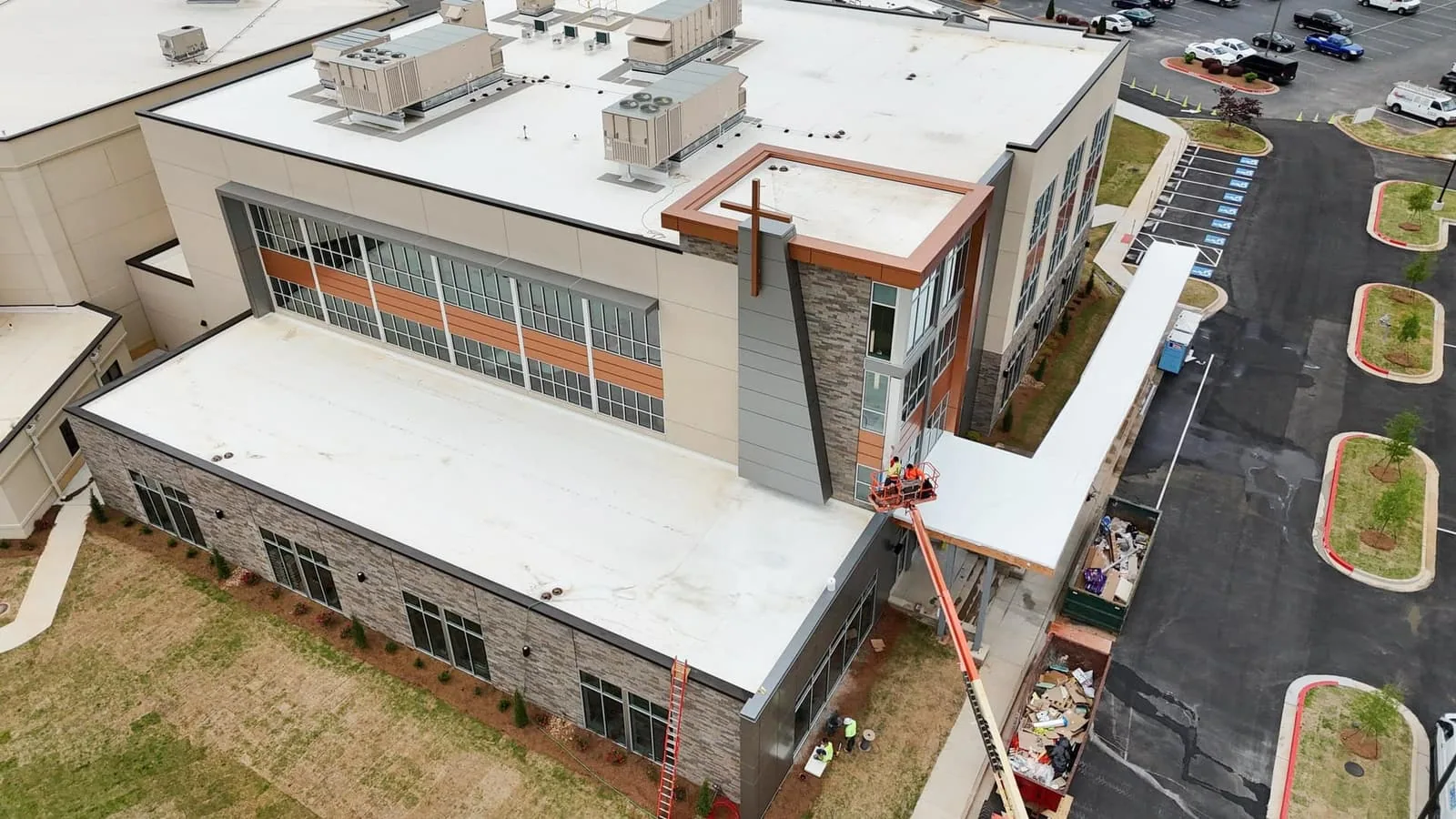
Commercial Roofing in Del Rey Oaks, CA
Arrange commercial roof inspection, repair and renewal planning in Del Rey Oaks, with recommendations tied to the building’s assembly and access.
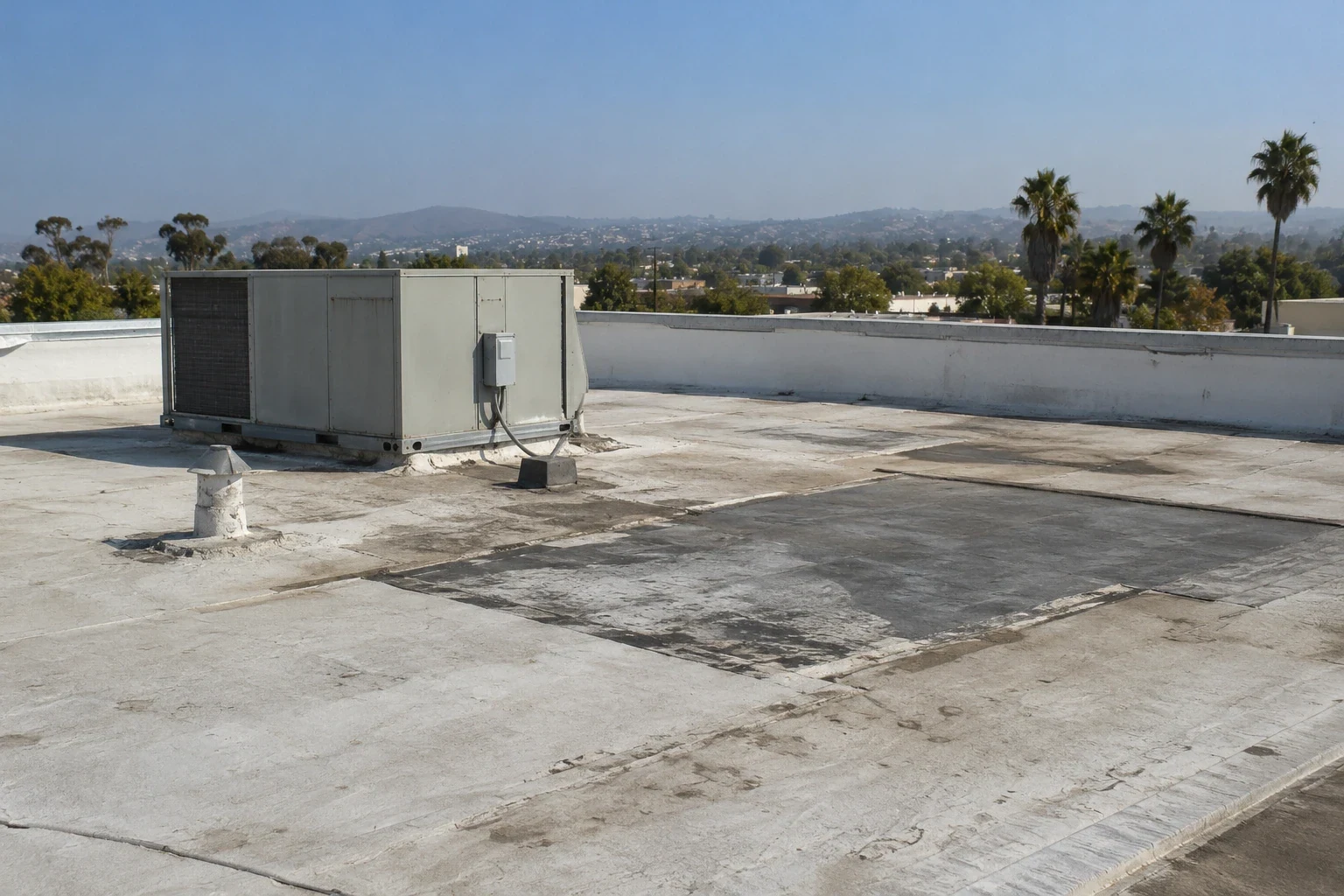
Overview
A roof decision in Del Rey Oaks starts with the commercial property itself: its membrane or metal, drain layout, repair history, and access. Del Rey Oaks is an incorporated city in Monterey County, near Marina, Seaside, and Sand City. Those references define the service area, but do not establish the roof type or condition at a particular building. We inspect visible details and reported leak areas before setting the scope for repair, testing, maintenance, or replacement.
Del Rey Oaks, Marina share a county district, Seaside, and Sand City. Each town remains its own location, and each roof needs its own record. Most precipitation in Salinas falls in the cool season. Del Rey Oaks has its own local weather and roof conditions. For this property, we check actual drainage and current roof conditions. A commercial roof inspection can map observations by zone and give ownership a clear starting point.
How can multi-property owners organize roof service?
Del Rey Oaks property portfolios may include offices, retail, and service buildings with different access rules. We coordinate a shared contact and visit calendar while keeping each building’s roof findings, repair history, and recommendations separate.
Commercial uses, roof materials, access roads, and operating hours vary by property, so we confirm those details with the site contact before work. The first visit records the roof system where it can be identified, the details that need repair, and any limit on safe access. For properties in Monterey County, separate roof plans and repair histories make later comparisons more useful than a shared summary.
Those records also help coordinate work among property contacts. A roof plan can identify the areas that are available on the first visit and the questions that require another access arrangement.
Facilities teams coordinating nearby locations can schedule visits in Marina and Sand City while keeping each inspection, repair history, and recommendation tied to its own property.
What does a careful roof walk need to capture?
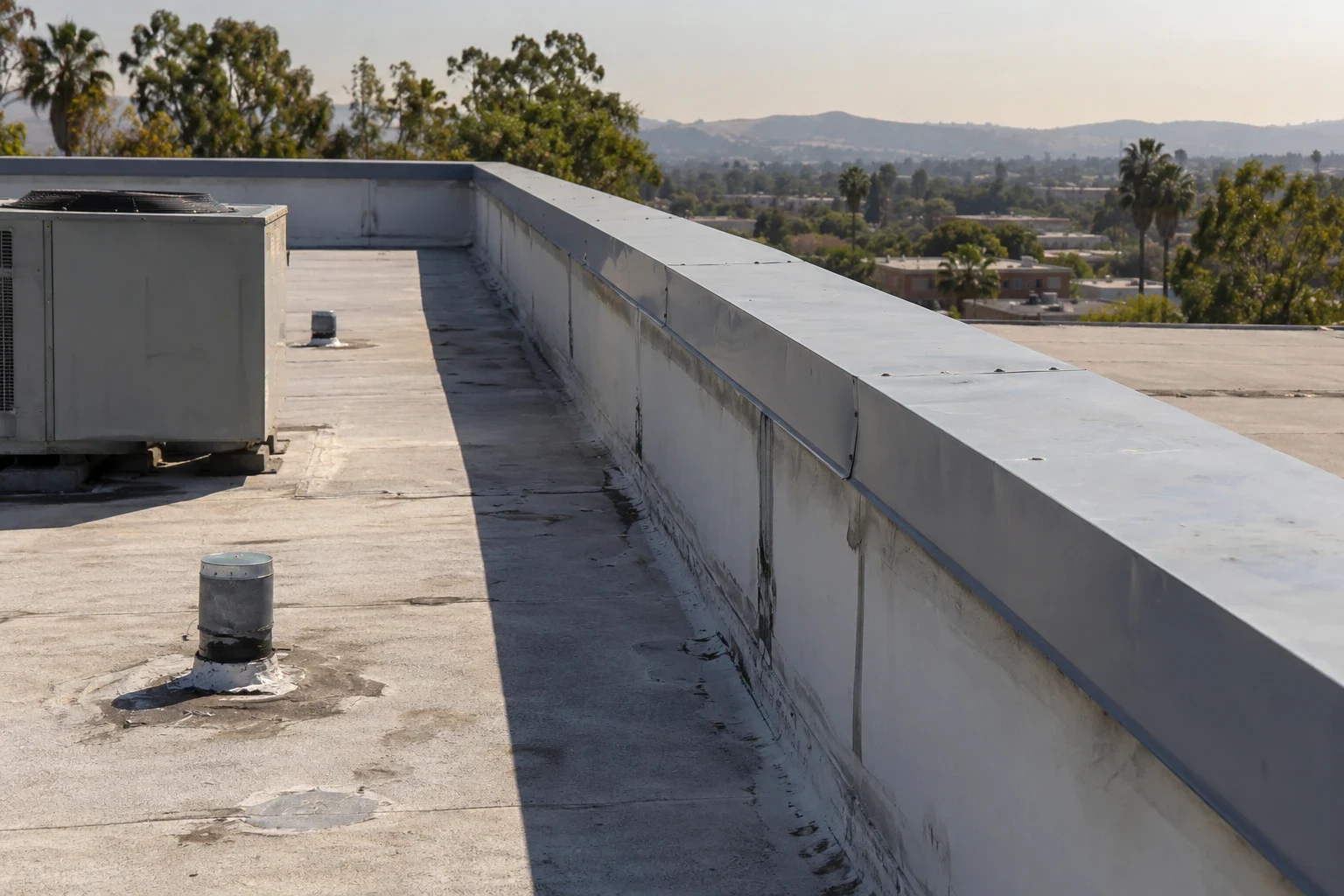
Begin with the reported issue and inspect details around it: seams, laps, flashing, parapets, penetrations, skylights, drains, scuppers, equipment curbs, and edge metal. We record prior patches and any areas where the roof surface changes. If a leak appears inside, record the room, date, and conditions when water shows up. Water can move beneath a roof layer, so the interior location helps focus the search but does not by itself define the roof opening.
For a suspected hidden wet area, an infrared moisture survey may help identify zones that deserve additional evaluation when conditions suit the method. We use the result to frame a specific follow-up question, such as where a selective opening could establish insulation condition or whether the repair boundary needs to change. If testing is not warranted, the inspection can still state what was observed and which details remain on the maintenance list.
A useful walk separates urgent entry from aging or maintenance concerns. That distinction helps the owner choose work that addresses active water first without losing sight of a broader roof decision.

How do repair, recovery, and replacement compare?
A localized repair can fit when the defect is limited and the surrounding material remains suitable for a compatible connection. We inspect beyond the visible opening, including nearby seams, transitions, and prior repairs. If multiple areas fail or the same leak returns, the owner may need further testing or a wider scope. A commercial roof repair should name the condition it addresses, the roof zone included, and the nearby findings left outside the work.
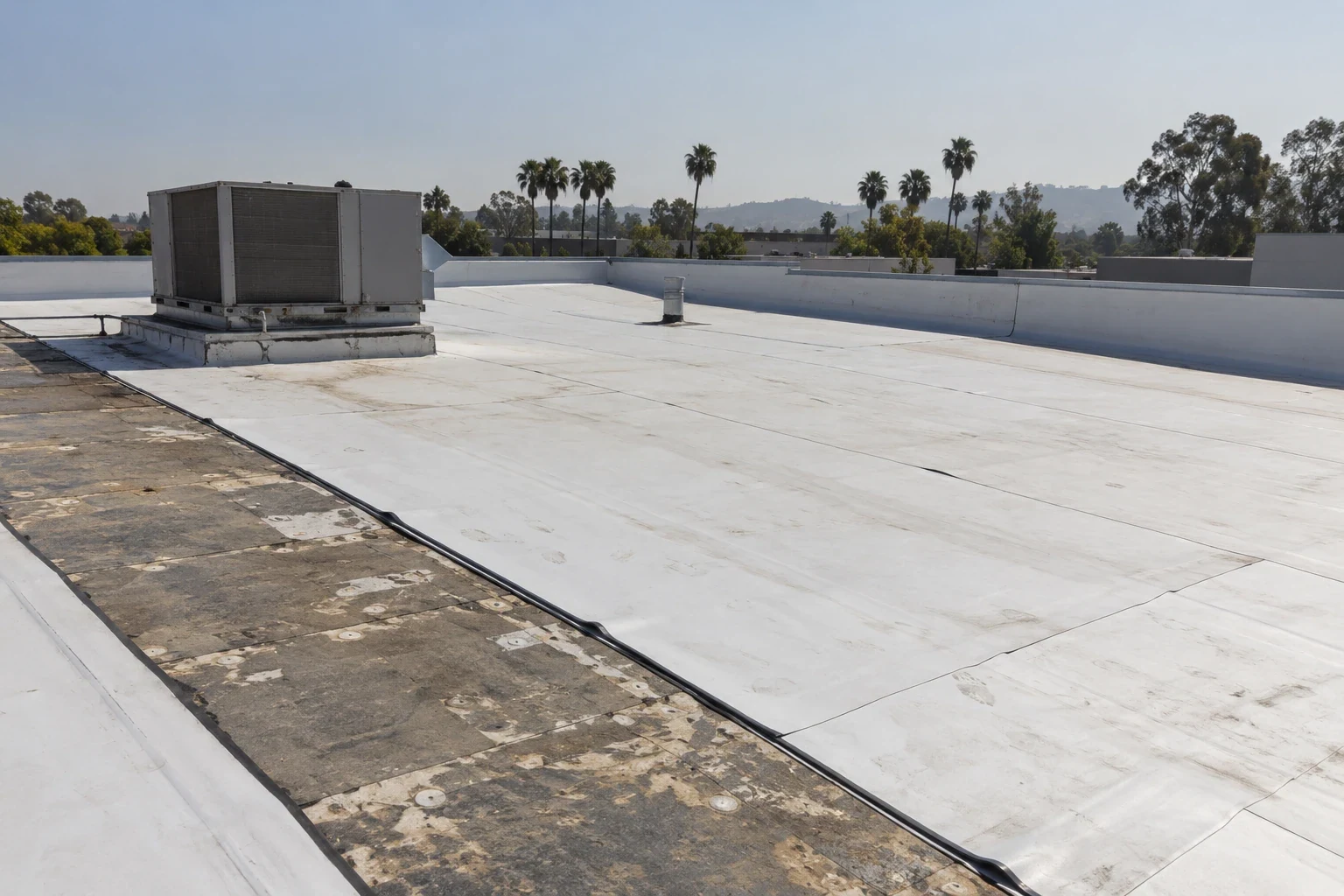
A recover adds a new assembly over existing materials, so layer count, moisture, attachment, deck condition, drainage, and edge height all matter. If those conditions do not support recovery, removal and replacement may offer the more suitable path. A roof recover assessment compares whether existing layers can stay; a replacement evaluation considers removal, new insulation, flashing, and perimeter details.
Cost and timing follow the number of zones, removal needs, roof access, material selection, drains and edges, and coordination below. We show those factors separately so the owner can compare options with the same roof information. If work is deferred, the report should say how a known opening will be protected or monitored until the next step.
How should a roof project fit property operations?
Before a repair or reroof begins, the property contact confirms roof access, staging, entry hours, and any area that must stay in use. If equipment serves occupied space, we coordinate protection and identify who can approve temporary restrictions. A phased project should show the roof areas open at each stage, how the daily work closes, and where a return visit is required. These details matter whether the scope covers one penetration or a full roof section.
For a portfolio with more than one location, a shared calendar can simplify communication, but each site needs its own access check, roof inspection, and work sequence. The site contact supplies current instructions, and the proposed scope records where materials may be staged and how crews reach the roof.
For a property that must remain active, an occupied-building work plan can describe tenant coordination, interior protection, and phased closeout. Schedule and cost can shift if operations restrict a lift, limit noise, or require shorter work windows; those conditions belong in the scope before materials are ordered.
Which records support the next decision?
Keep roof plans, photographs, leak reports, repair invoices, and inspection findings by property and roof zone. A condition file should identify the details viewed, what work was completed, and which recommendation remains open. If the deck or insulation was concealed, record what test or opening would provide the missing information and whether that result could change the project.
A roof condition report can sort observed issues by urgency and help ownership track follow-up. If the portfolio also includes sites in Sand City or Marina, keep each roof history separate and compare only after the assembly, access, and inspection boundaries are clear. That record can support repair planning, capital review, or a later due-diligence walk without turning one site’s findings into a claim about another.
When the recommendation includes a repair now and a broader evaluation later, list both decisions with their timing factors. The owner can then schedule around building operations and keep unresolved details visible for the next review.
For a small portfolio, identify which contact can approve roof entry at each address and whether tenants need advance notice. If an inspection finds a blocked outlet or loose edge metal, keep that observation with the roof zone and photograph the detail before repairs begin. The closeout should distinguish work completed from recommendations that need a separate estimate or access window.
Questions Owners Ask
What information should be ready before a Del Rey Oaks roof visit?
Before scheduling, gather the building address, roof plans if available, leak history, access contact, and operating limits. We focus on the reported zones and record any area that needs follow-up.
What should I send before a roof visit?
Share the property location, roof plans if available, leak dates and interior locations, repair records, and the person who can arrange access. That gives us a better starting point for the first roof walk.
Can a repair be completed while the building remains active?
We plan the access route, staging, work zone, and protection around the site’s operating requirements. The scope identifies any area that needs notice, temporary limits, or a separate return window.
How do you decide whether to repair or replace?
A localized defect with suitable surrounding material may support repair. Widespread deterioration, repeated leaks, or moisture beneath the roof can lead to added testing or a replacement comparison. We explain the evidence and boundary for each option.
How do you choose a safe work window in Del Rey Oaks?
We check the current forecast, roof surface, and drainage at the property before setting inspection or installation timing.
Related Roofing Work
Arrange a Del Rey Oaks roof inspection
Send the property location, roof history, access contact, and operating requirements. We will document visible conditions by area and outline the next repair, testing, or renewal step.