Government Building Roofing in Salinas, CA
Plan government building roofing in Salinas around public access, procurement, building use, drainage, and documented roof work plans.
Overview
Government buildings include offices, public service counters, maintenance facilities, and other spaces with different operating and access requirements. Roofing work has to protect staff and visitors while following the building owner’s procurement and security procedures. We inspect the roof system, map leaks and drainage, and define a scope that the agency can review, schedule, and document.
Public buildings in Salinas vary in age, roof design, and function. We confirm the actual property, roof records, and access contact rather than inferring conditions from its agency or location. The inspection gives the facilities team information about the roof that supports a practical repair or capital decision.
How should work fit public service hours?
A public counter, meeting room, or service entrance may need to remain available during roof work. The agency identifies visitor routes, staff areas, deliveries, emergency access, and any room that requires additional protection. We plan staging and lifts away from public movement where possible, and mark the ground-level work zone before materials arrive. Notices can explain which entrance remains open and who can answer questions. The agency can also identify meeting dates, public hearings, or room reservations that should remain available. We coordinate lifts and material deliveries around those commitments and keep a clear route to service counters and staff offices where the building remains open.
Some disruptive work may fit outside normal public hours, while other tasks can be isolated by roof zone. We confirm the agency’s security procedures and who can authorize schedule changes. School building work also involves public access and calendar constraints, while hospital roofing requires more facility-specific coordination. Government work needs its own visitor and staff protection plan.
What should a roof scope make clear?
The agency needs a description of the existing roof system, areas inspected, observed defects, repair boundaries, and work not included. A proposal should identify access assumptions, temporary protection, material handling, and how concealed conditions are documented. If an opening reveals wet insulation or deck deterioration, the scope needs a clear process for review and authorization before added work proceeds.
Procurement may require site visits, safety documentation, bid forms, submittals, or a specific closeout package. We coordinate the technical roof scope with the agency’s contracting process and identify what information is available before pricing. The agency may need a clear separation between base work, optional repairs, and conditions that require a later authorization. We can label each roof zone, describe the repair method, and identify the owner decision needed before crews proceed. This makes the proposal easier to review against the public project file. A roof condition report helps establish the work areas, while replacement planning can identify decisions that need to be resolved before bid documents are final.
How should an agency respond to an active leak?
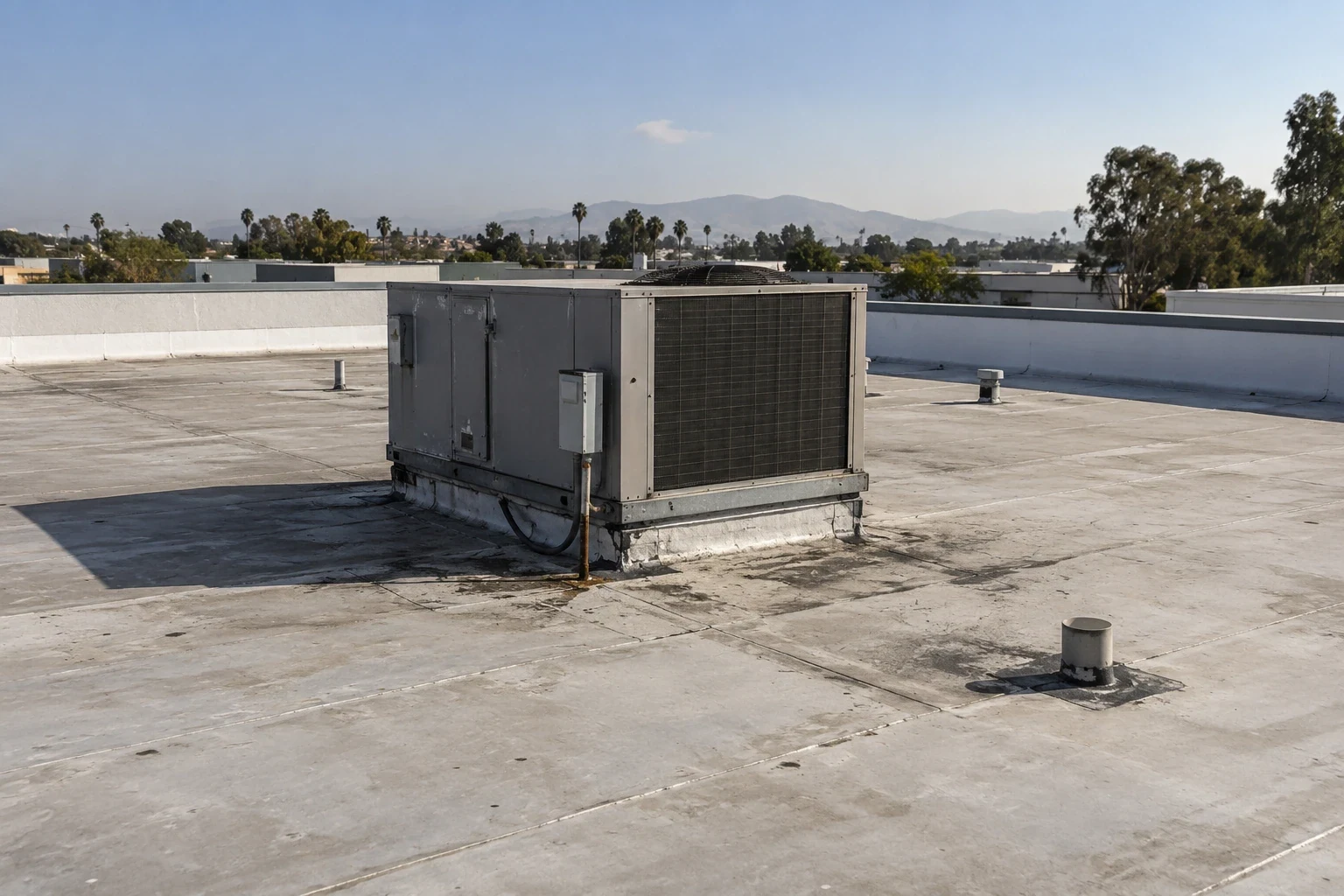
Facilities staff should protect people, records, equipment, and public service areas below the reported leak under the agency’s procedures. We record the affected room, time, and any relationship to weather or recent roof access. The roof inspection checks the nearby field, drains, seams, curbs, and perimeter transitions. Water may travel before it appears indoors, so we trace likely paths rather than assume the roof opening sits directly above the stain.
If the roof is wet or unsafe to access, temporary interior or exterior protection may be needed until a permanent repair can be made. The repair record names the origin, material, location, and any remaining monitoring. Leak repair can stabilize an opening; a broader condition inspection may show whether more areas require attention. The agency can retain the final record with its asset file.
Why do drains matter on public buildings?
We inspect roof drains, scuppers, overflow routes, and the membrane connection around each outlet. Leaves, work debris, or a damaged strainer can slow water movement. If ponding persists after cleaning, the cause may be slope, deck movement, or insulation layout. A repair scope should state whether it addresses the outlet detail or changes how the roof directs water.
Salinas receives most normal rainfall in the cooler season. Agencies can schedule drain checks, edge repairs, and leak follow-up before that period, while current site conditions still determine daily access. Drain and scupper repair should maintain the primary outlet and overflow path. We label the contributing roof areas so public works or facilities staff can compare future reports against the same locations.
How should building systems be coordinated?
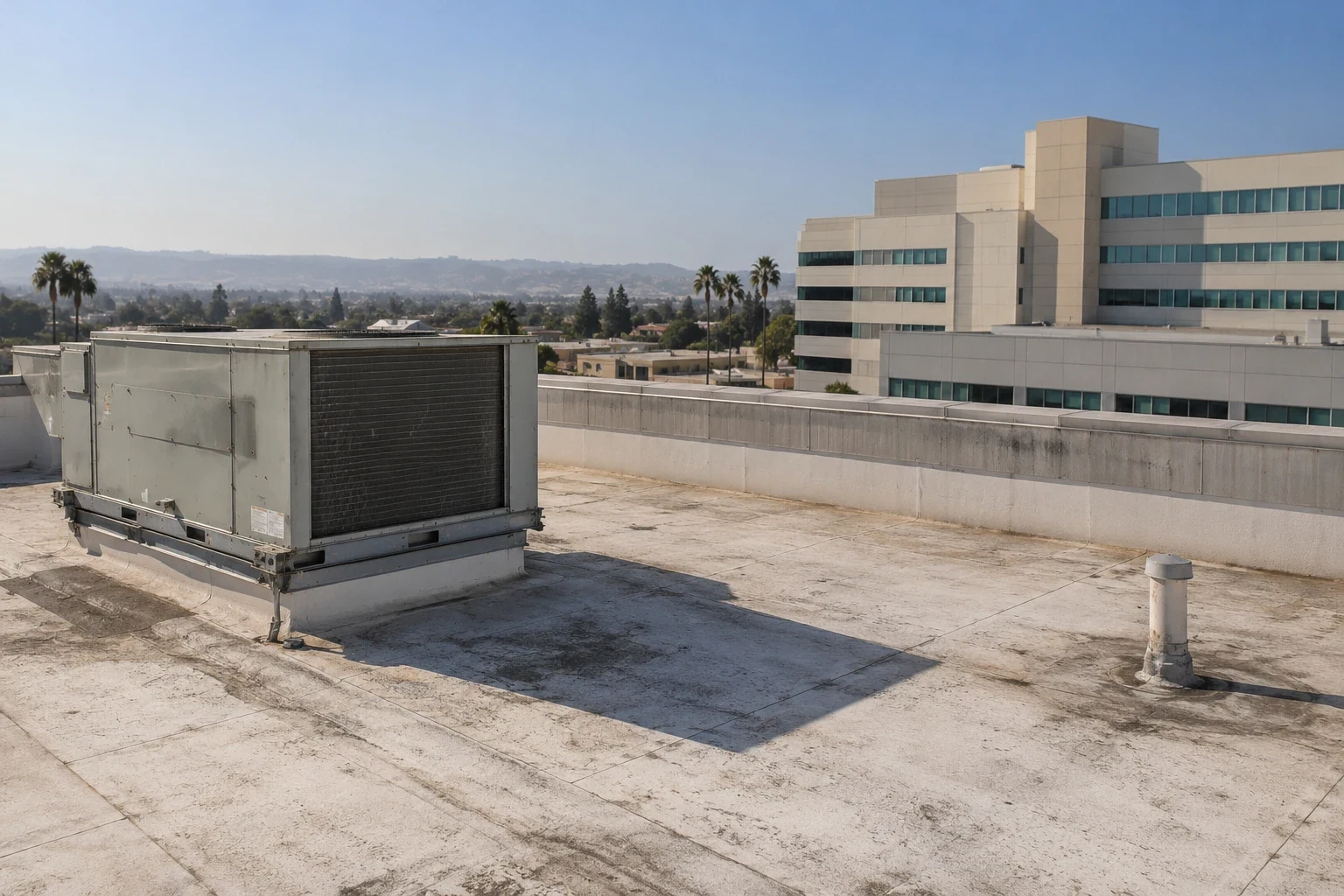
Government facilities may have HVAC, exhaust, radio or communication equipment, skylights, and roof access devices. We inspect the curbs, supports, and flashings and identify which systems require an operating window or escort. If a unit is replaced, the mechanical and roofing teams should agree on the opening, curb height, lifting plan, and final waterproofing detail before work begins.
Access rules may also limit photography, roof movement, or equipment staging. The agency specifies those requirements, and we plan the work around them. Equipment curb and support work can be tied to the unit scope, while roof opening flashing should match the installed assembly. The closeout record records the components repaired and any restrictions that apply to future maintenance.
How does the Salinas permit process fit roof work?
The City of Salinas Permit Center identifies building permits, zoning, and land-use review among its development services. The agency and project team should confirm whether a particular roofing scope requires a permit or other review before work starts. We can provide the roof information needed for that discussion, but project-specific requirements come from the authority reviewing the actual scope.
Public facilities around downtown Salinas or in Alisal and East Salinas may have different site access and visitor patterns. The location does not determine permit needs or roof design. We confirm the facility entrance, work hours, staging, and inspection contact with the agency before mobilization.
When should an agency repair or replace?
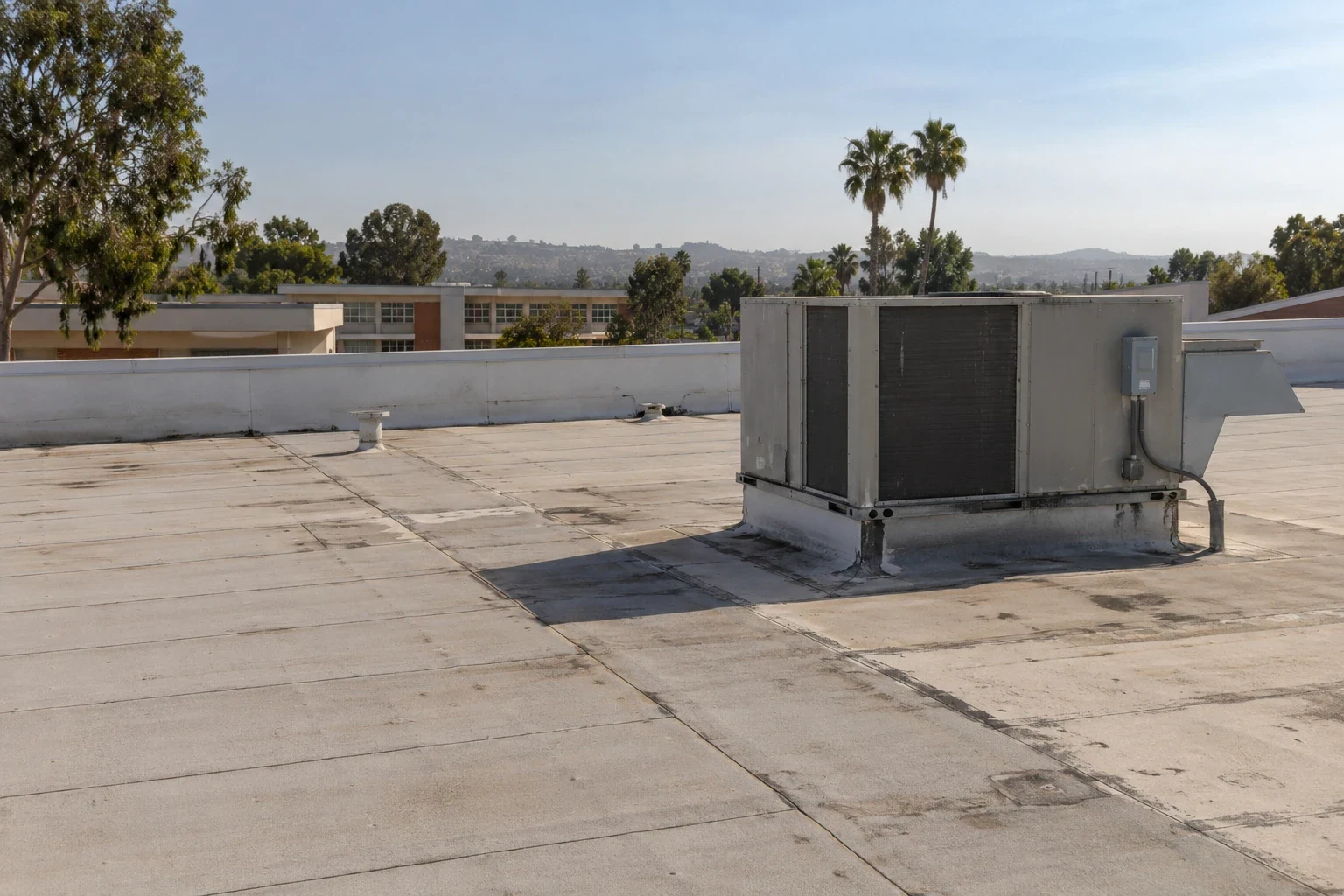
A defect confined to one curb, seam, or puncture may support a targeted repair after we check adjacent insulation and attachment. Problems across separate roof zones, saturated material, or widespread edge failure call for a broader condition map. We document confirmed findings and identify where testing or selective opening could change the scope. Replacement planning should include public access, staff work areas, temporary protection, and any required review milestones.
Maintenance records help an agency track drains, repairs, access, and conditions that remain under monitoring. Preventive maintenance keeps findings organized, while a replacement assessment compares repeat repairs with a new assembly. The project file can include photos, roof-zone labels, approved changes, and the closeout contact so future staff can understand what was done and what still needs review. The agency can retain those records with its facilities and procurement records. If a bid or purchase order separates phases, the findings can be organized so each part has a clear scope and acceptance record.
Questions Owners Ask
Do government roof projects require permits?
Requirements depend on the scope and the authority reviewing the project. The agency should confirm current permit or review needs with the City before work that changes structural or fire assemblies.
Can a government building remain open during roof work?
Often, with visitor routes, staff areas, security, access, and interior protection coordinated by phase. The agency identifies spaces that must remain available and approves any temporary restrictions.
How should an agency handle concealed damage discovered during removal?
the project specifications should define how findings are documented, reviewed, priced, and authorized before work proceeds. We can photograph the area and provide a repair recommendation for the agency’s approval path.
What should a roof closeout package include?
Record the roof zones completed, repairs and materials used, photos where allowed, approved changes, and remaining monitoring. The agency can retain those items with its facilities and asset records.
Related Roofing Work
Build a roof scope the agency can review
Share the building’s access procedures, procurement requirements, roof records, and leak reports. We will inspect the assembly and prepare findings the facilities team can use to plan the work.