Soprema Commercial Roofing in Salinas, CA
Compare Soprema SBS, PVC, and liquid-applied roofing types in Salinas by existing assembly, transitions, exposure, and project access.

Overview
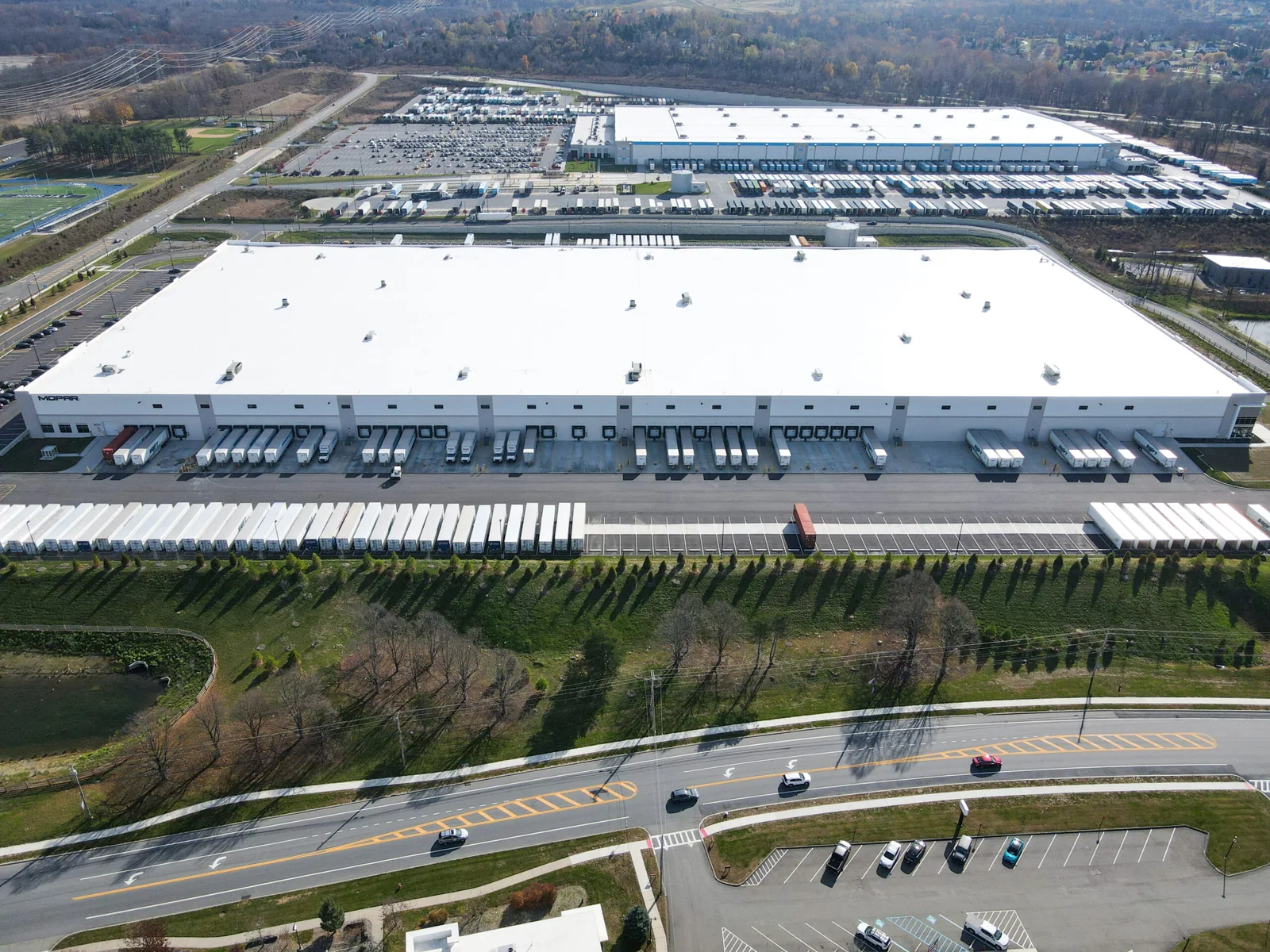
Soprema's commercial roofing range includes several construction methods: SBS modified bitumen, PVC single-ply, and liquid-applied resin systems. A product family alone does not show which method fits a particular roof. The deck, existing layers, penetrations, drainage, and access all shape the comparison. Around the Salinas Business Park, facilities may include warehousing and manufacturing uses, but the roof and operating schedule still need to be reviewed building by building.
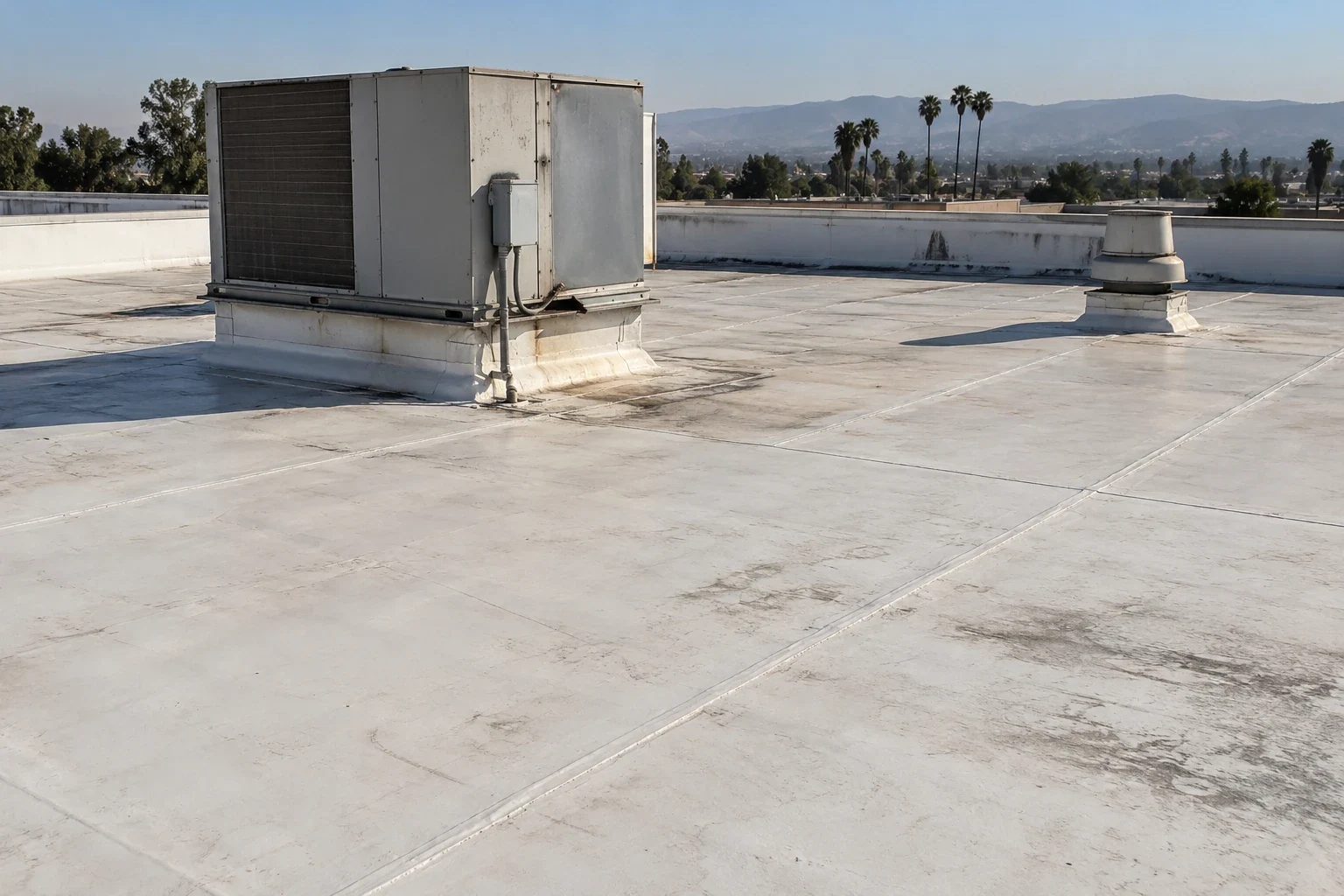
We begin with a visual record of the existing roof, recording its apparent system, repair history, seams or laps, transitions, drains, and areas that could not be confirmed. That information helps identify whether the next step is a defined repair, further investigation, or a replacement scope. A commercial roof inspection can document the conditions before ownership weighs a Soprema assembly against other options.
How do Soprema roofing types compare?
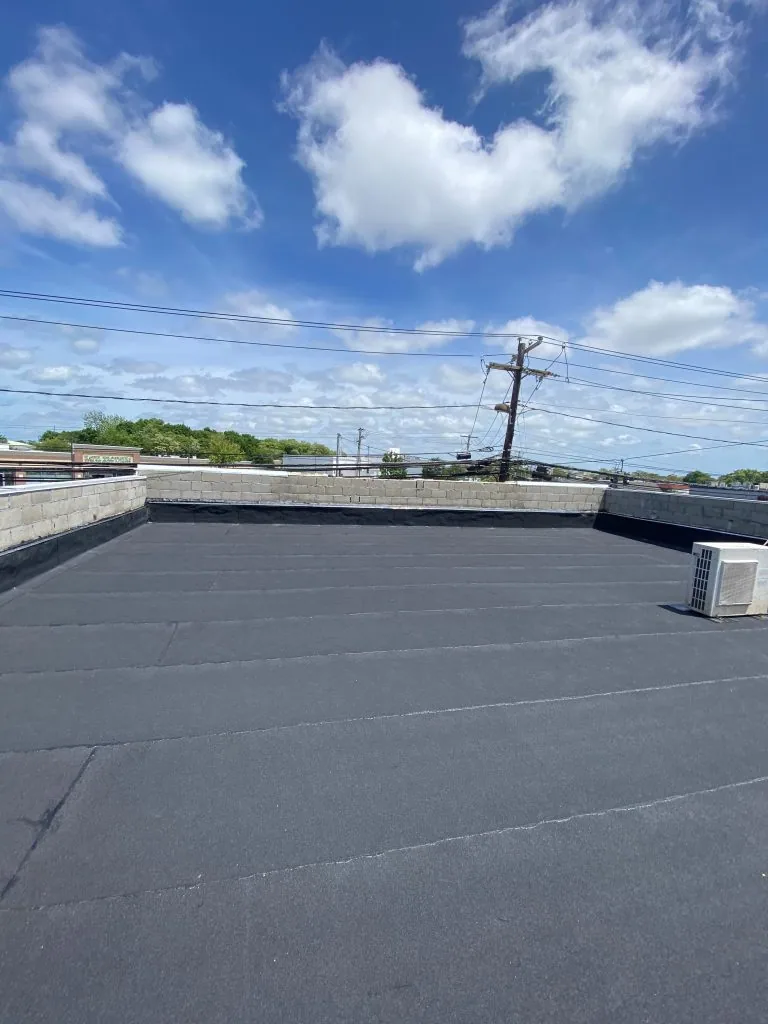
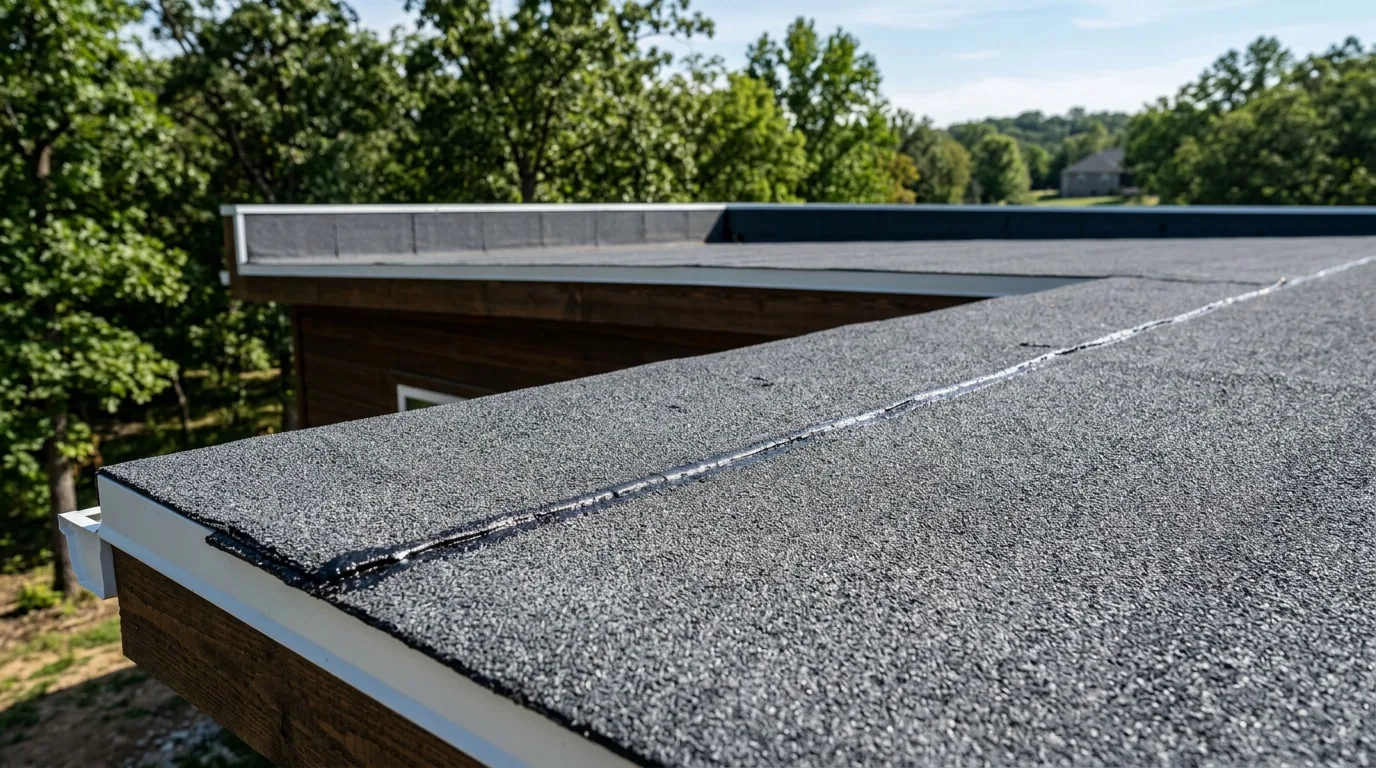
SBS modified bitumen uses layered asphalt-based materials and compatible flashing details. A PVC single-ply roof uses sheet membrane with seams and transitions that must be joined correctly. Liquid-applied systems rely on substrate preparation and continuous coverage around changes in plane. Those differences affect installation planning, repair methods, and the details that deserve close review. We identify the existing system rather than infer it from a building's age or appearance alone.
The selected type is only one part of the assembly. Deck, insulation, cover board, attachment or application method, vapor considerations where relevant, edge securement, and drainage should be defined for the roof. A proposal should state whether existing roofing is removed or retained and how the new work meets curbs, drains, walls, skylights, and adjoining roof areas. If several roof sections use different materials, each can need a separate scope and transition detail.
For another set of PVC and thermoplastic choices, Sika Sarnafil systems can be compared against the same roof conditions. The comparison should keep the deck, access, and drainage assumptions consistent across options.
What should be settled before selecting an assembly?
A product choice can change if the existing roof is wet, poorly attached, or layered above the available edge height. We inspect field areas, seams or laps, parapets, drains, curbs, and perimeter details. Visible evidence can suggest where a roof has been repaired, but it cannot establish the condition of materials beneath it. We record what was observed and mark the questions that could require selective opening or testing.
On a modified bitumen roof, the condition of surfacing and underlying plies matters to repair or recover decisions. A PVC roof needs attention to sheet condition, seams, flashing, and penetrations. With liquid-applied work, the substrate condition and transitions are central because the material is applied over prepared surfaces. Where interior reports or roof conditions point to hidden moisture, an infrared moisture survey may help identify zones for closer investigation when the method fits the roof.
A recover should be considered only after the existing assembly, drain elevations, attachment, layer count, and perimeter height are understood well enough to define its limits. If not, describe the test or opening that would answer the question and how the result could affect the scope.
When is a repair or liquid-applied approach appropriate?
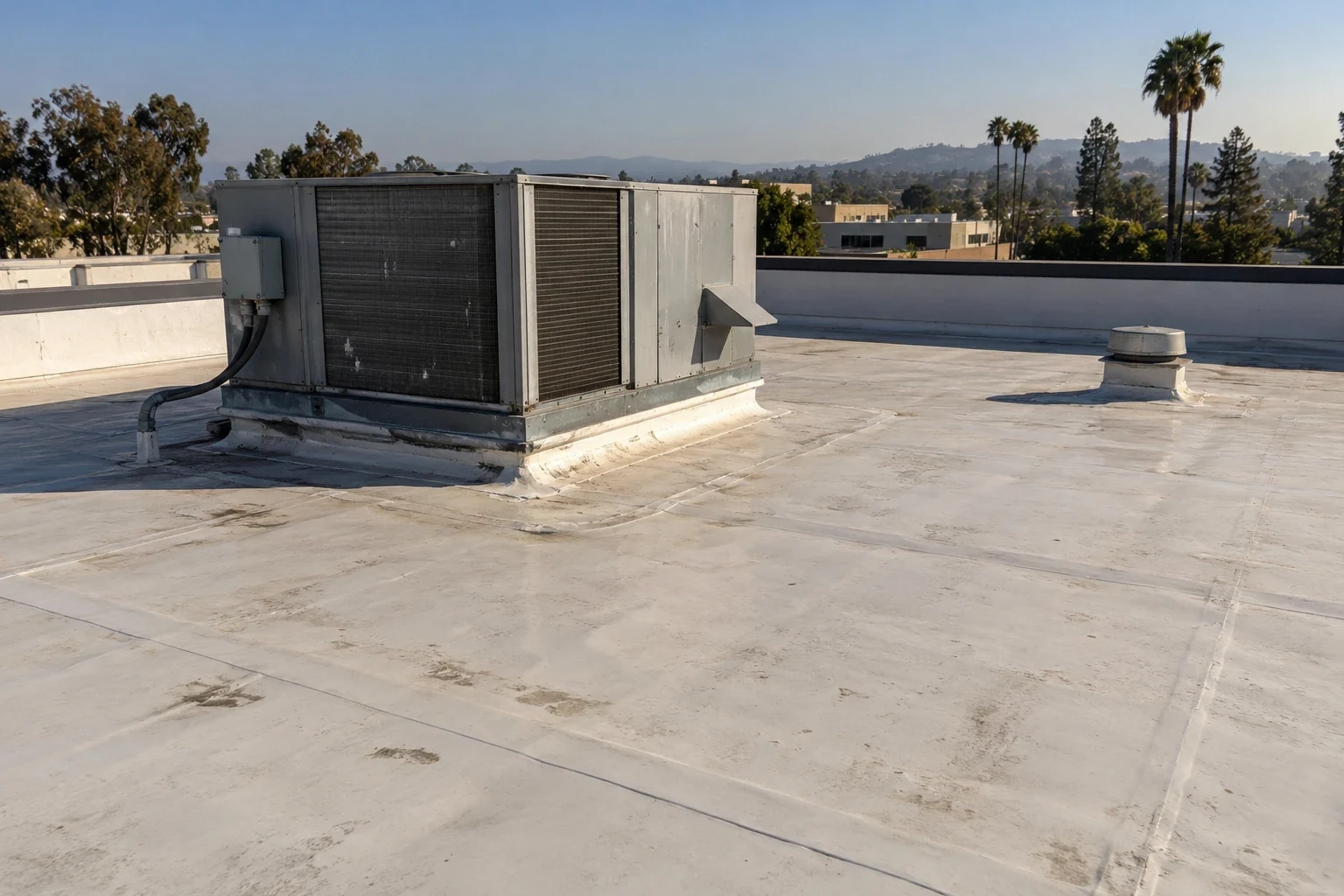
Repair suitability depends on the condition around a defect. A small opening in a sound area may be addressed locally when a compatible detail can reach stable material. A split at a modified bitumen lap, a problem at PVC flashing, and a worn liquid-applied transition call for different preparation and repair materials. We check the immediate defect and nearby conditions before defining the work so that the repair does not stop at the visible symptom if water has traveled.
A liquid-applied option should be evaluated on the surface it will cover and the transitions it must continue across. The inspection should establish whether the substrate can be prepared and whether the planned application can address the details in question. It should not be presented as a generic answer for an unknown roof. If the existing materials are deteriorated or moisture extends across multiple areas, broader replacement or testing may be more useful than repeated isolated patches.
Modified bitumen roofing and PVC roofing explain assembly considerations that can inform the discussion. A project scope should still identify the actual roof zone, material, repair boundary, and any excluded conditions.
How should a multi-area project be phased?
Different roof areas may require distinct crews, materials, or weather protection. The plan should identify where material will be staged, how workers reach the roof, which sections are open at a time, and what temporary measures protect the building between shifts. For an occupied facility, the site contact should confirm restricted hours, equipment that cannot be shut down, and areas that must remain accessible. We include those constraints in the proposal rather than assuming a standard sequence.
Transitions at low walls, equipment curbs, roof drains, and neighboring systems can be easy to overlook when a project is described only by total area. We map each one that affects scope and record whether it will be repaired, replaced, or left for a later phase. If a building has several roof systems, the boundary between them deserves a clear detail and an owner decision about where responsibility begins and ends.
The Salinas Ag-Industrial Center is another named setting with industrial context; Abbott Street and Harris Road border the mapped area. That does not determine a tenant's hours or delivery rules. The property's facilities contact should confirm its actual access plan, and we use those requirements when discussing staging and phasing.
What makes the final recommendation usable?
Ownership should receive a recommendation that states the product type under consideration, the roof areas reviewed, observed defects, and open questions. It should describe the substrate and existing layers to the level supported by inspection, then distinguish proposed materials from assumptions that still need confirmation. A manufacturer name without an assembly, perimeter detail, and removal or recovery plan does not give a project team enough information to compare bids.
Photographs should connect to a roof zone or detail, with records on whether the condition was visible or confirmed through further investigation. Where a test could alter quantities or the selected Soprema type, identify it before final scope approval. A condition report can help ownership track roof sections over time, particularly when repairs are made in stages. A documented review approach is available through roof condition reports.
For an additional PVC and custom-fabricated system comparison, Duro-Last product options can be considered using the same property information. Keeping the criteria aligned helps the owner assess work details and access plans instead of comparing brand names in isolation.
Questions Owners Ask
What commercial roofing types does Soprema offer?
Its commercial types include SBS modified bitumen, PVC single-ply, and liquid-applied resin systems. The project conditions and existing roof help determine which type is worth evaluating.
Can a Soprema liquid-applied product go over any existing roof?
No single application fits every substrate. The surface, existing materials, transitions, and preparation requirements need to be reviewed before that approach is considered.
How is modified bitumen different from PVC roofing?
Modified bitumen is installed in asphalt-based plies, while PVC is a single-ply sheet membrane with welded seams. Their installation and repair details differ at laps, penetrations, and roof edges.
What if the roof has several layers already?
Layer count and edge heights can affect drainage, flashing, and whether a recover is feasible. We document visible conditions and identify where a test opening may be needed before proposing a final assembly.
What should I provide before requesting a roof review?
Share the property location, known roof material, leak or repair history, roof plans if available, and any equipment or access restrictions. Those details help focus the inspection and follow-up questions.
Related Roofing Work
Review Soprema roofing options in Salinas
Tell us which roof areas need attention, what system is known, and how the facility manages roof access. Commercial Roofing Salinas can inspect visible conditions and outline a repair or replacement comparison.