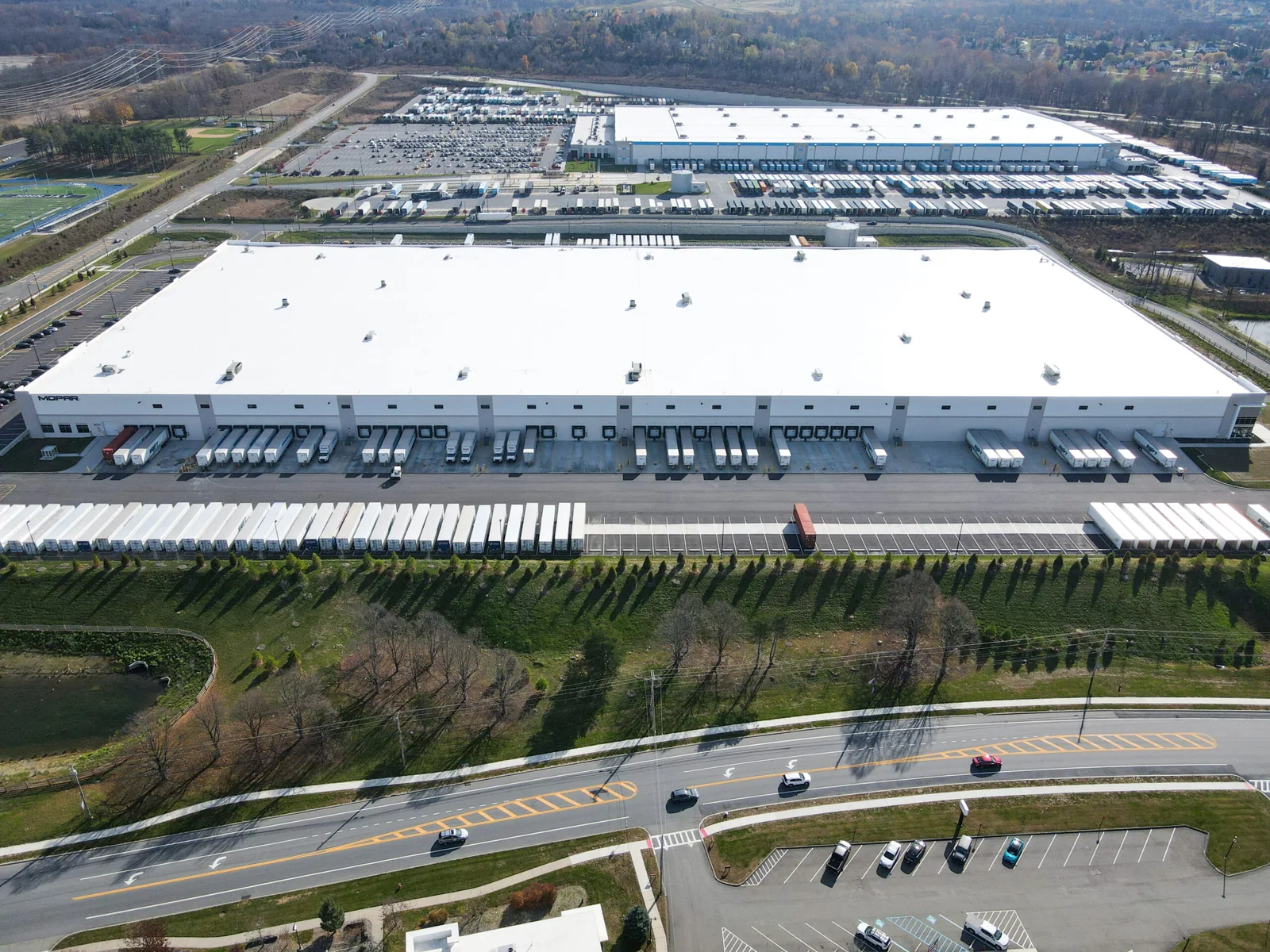
GAF Commercial Roofing Systems in Salinas, CA
Review GAF commercial roof options for Salinas buildings, from membrane selection and seam details to drainage, repairs and maintenance planning.
Overview
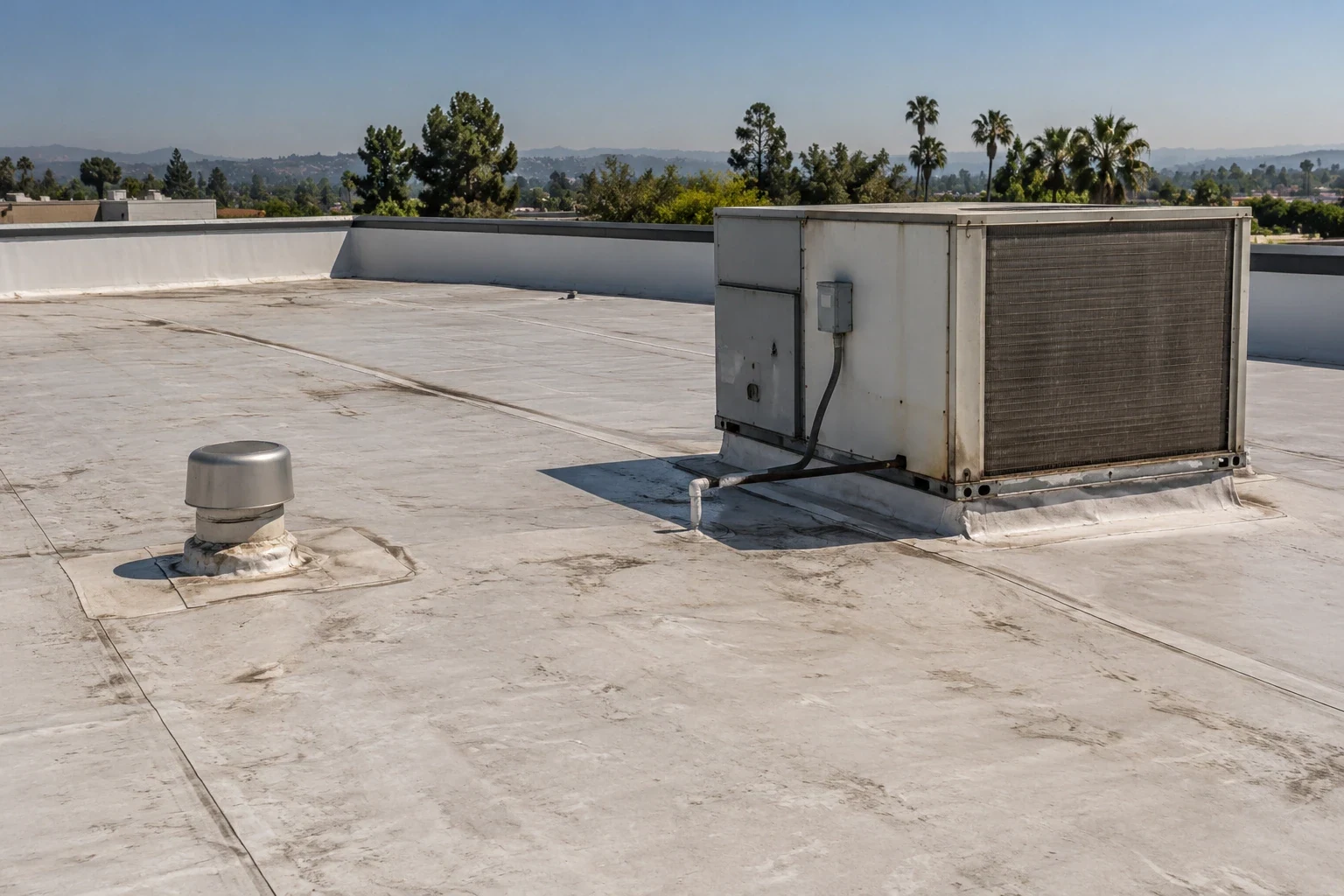
A GAF roof on a Salinas warehouse or production building still has to fit the deck, drainage layout, rooftop equipment, and work schedule below. GAF makes commercial low-slope products including EverGuard TPO and PVC membranes. We inspect the existing roof, discuss the assembly and details, and plan installation, repair, or maintenance around the building rather than treating a product name as a complete specification.
At a property near the Salinas Ag-Industrial Center or Airport Boulevard, receiving, refrigeration, and service access may affect the roof plan. Those local settings do not tell us which membrane is installed. We confirm the existing layers and conditions, then compare the proposed GAF system with the building’s needs. Our commercial roof inspection can document the current membrane, seam condition, flashings, drains, and areas that need closer evaluation.
Which GAF system details shape the scope?
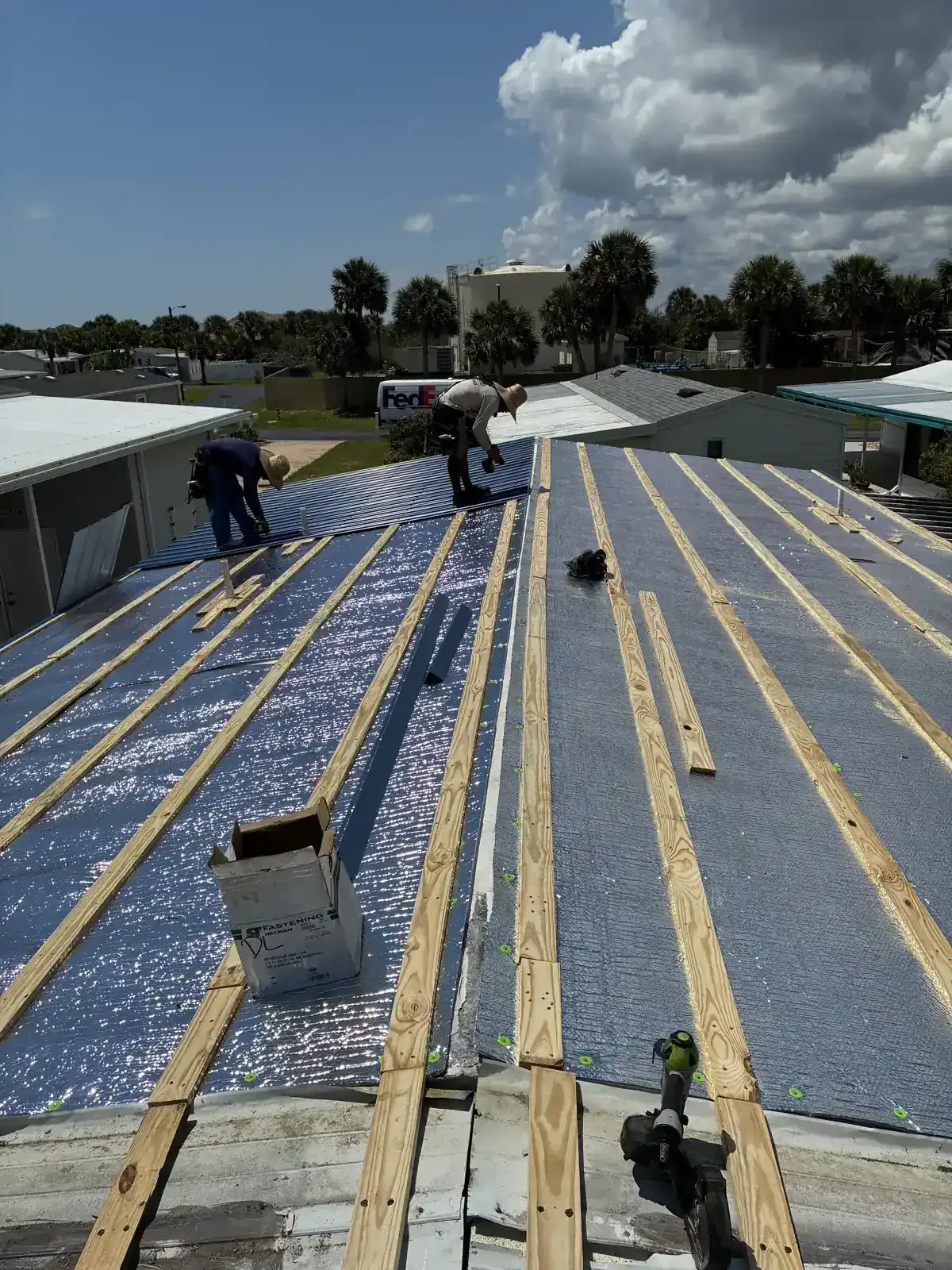
EverGuard TPO is a single-ply membrane with heat-welded seams; GAF also offers EverGuard PVC products for commercial roofing. The roof assembly includes more than the exposed sheet. Insulation, cover board, attachment, perimeter securement, flashing, and drainage all contribute to how the completed system performs. We review the substrate and building design before recommending a membrane thickness or attachment method.
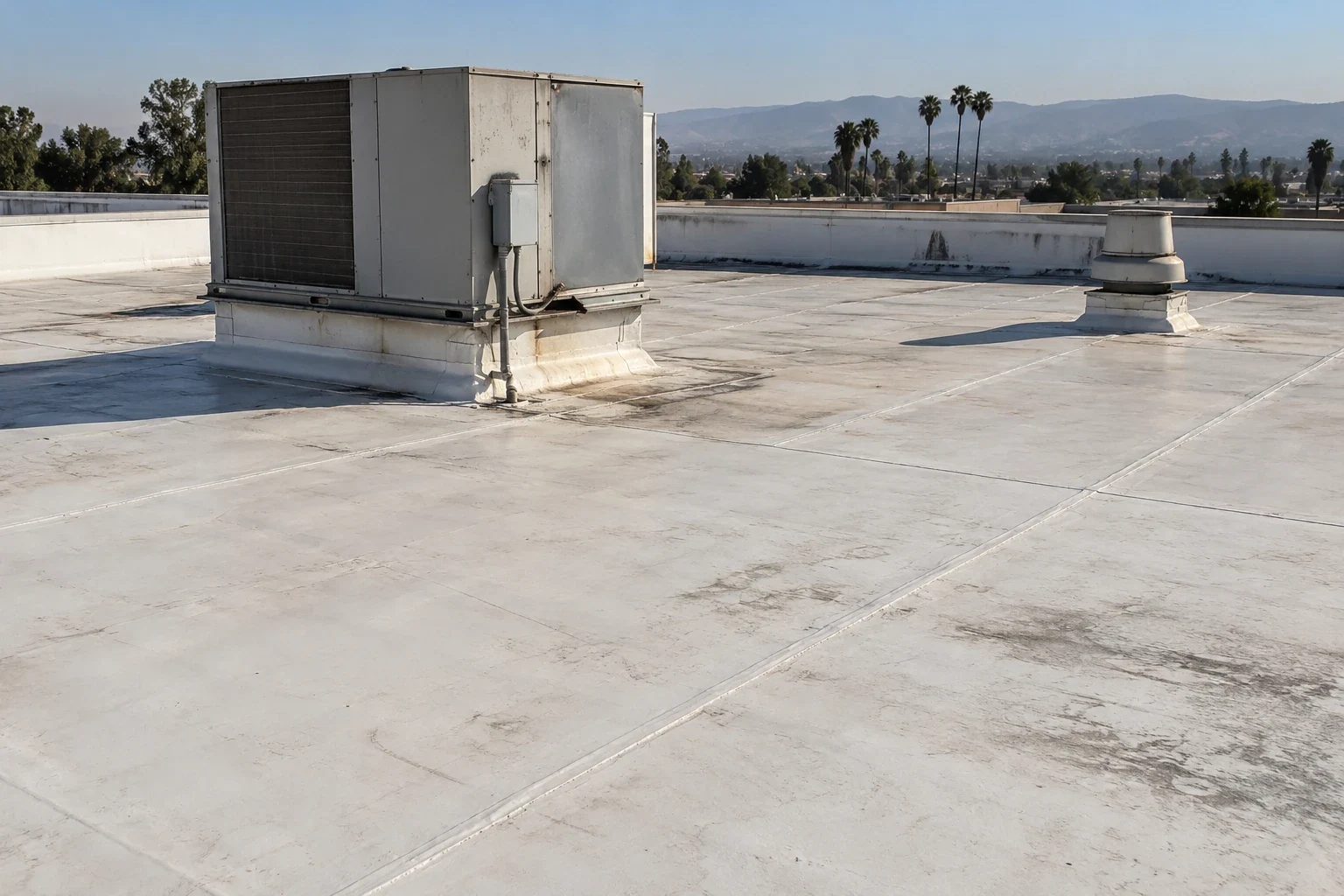
On a low-slope roof, seam layout and transitions deserve close attention. We inspect laps, corners, penetrations, rooftop units, and terminations where the membrane meets metal or another surface. A new installation needs details that can be completed and inspected in the field; a repair needs materials compatible with the existing membrane and a sound area around the defect. Owners comparing TPO and PVC should consider the actual building use, exposure, chemical conditions, and service requirements, not just the membrane label.
Foot traffic from maintenance crews can wear the surface near units, hatches, and service paths. We identify those routes and consider walkway protection where the system and project scope call for it. The owner should also coordinate future equipment changes so new work does not cut a finished membrane without a planned flashing detail.
What should an owner check before installation?
Start with the deck, existing roof layers, drainage, and penetrations. If a recover is under consideration, we need to know whether the existing assembly is suitable and whether moisture is present below the surface. Wet insulation or weak attachment can affect the scope. Where visual observations leave a moisture question, an infrared moisture survey can help identify areas that warrant additional evaluation.
We also review edge conditions and the route for moving materials. Parapet transitions, scuppers, drains, skylights, equipment curbs, and roof access points must be included in the work plan. In Salinas, cool-season rainfall makes drainage readiness a practical scheduling concern, while the long dry season can offer a wider window for planned work. The roof surface and current conditions still set the daily sequence. For replacement, commercial roof replacement planning includes tear-off needs, interior protection, and keeping building operations in view.
Before selecting a GAF membrane, we confirm how the edge and curb conditions will be finished, how water moves toward the drains, and whether the existing insulation needs correction. A material submittal should match the chosen assembly, including cover board, insulation, attachment, and flashing accessories. The owner should also understand how rooftop trades will protect completed seams when they return for equipment service.
How do repairs fit an existing GAF roof?
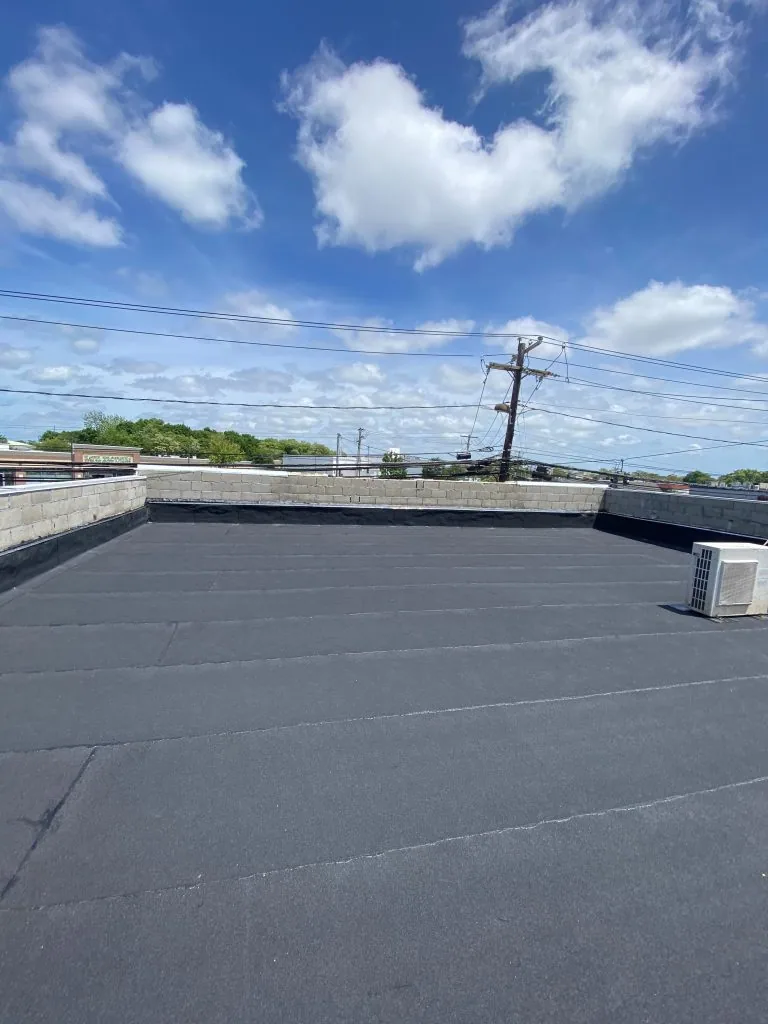
A leak at a seam, penetration, or perimeter detail needs diagnosis before material is selected. We follow interior symptoms toward likely entry points, inspect adjacent laps and flashing, and look for movement or surface damage. If a repair is appropriate, we define the affected area and explain what remains outside the scope. A temporary measure to limit water entry is recorded separately from a permanent correction.
When the existing membrane is GAF EverGuard, we identify the product type when records or markings support it and select repair materials and methods for the system. If documentation is missing, we inspect the membrane and do not infer a product based on color alone. Roofs with other membranes may need a different preparation and repair detail. For example, a compatible repair approach for a TPO assembly is not automatically interchangeable with Carlisle SynTec systems or Soprema systems. Our commercial roof repair scope identifies the materials and roof zone being addressed.
How can installation stay aligned with building use?
A reroof can affect loading, tenant access, production, and rooftop equipment service. Before mobilization, we confirm roof access, staging, delivery routes, hours, and areas that need interior protection. Work can be sequenced by roof zone when the assembly and weather allow it. Each transition is closed and checked before the crew moves to another area, so the building is not left with an exposed edge at the end of a shift.
The Salinas Business Park is planned for warehousing, distribution, logistics, packaging, advanced manufacturing, and agricultural-support uses. Around those work settings, truck movement or equipment schedules may shape when materials can arrive and where a crew can stage. We confirm each property’s rules rather than assuming they match the area’s planned use. For a building in the broader Salinas Ag-Industrial Center, a site review can account for access and work timing while keeping the roof assembly at the center of the scope.
New membrane installation also needs coordination with trades that use the roof after the crew leaves. HVAC work, exhaust changes, and service calls can disturb flashings or create new penetrations if they are not planned with the roofing scope. We identify roof zones that require protection and make sure the owner knows when follow-up access is appropriate. That work sequence is especially useful over active receiving or production areas.
What should the roof record carry forward?
Keep the product submittal, installation details, inspection reports, repair records, and photographs with the building file. The team should know the membrane type where it is confirmed, the roof zones inspected, and any repairs that need follow-up. Drainage, seams, perimeter details, and penetrations deserve recurring review, especially after rooftop equipment work or a reported leak.
Salinas normally receives most precipitation during the cooler months. A pre-rain inspection can check drains, scuppers, flashings, and areas of previous repair, while the owner’s records show whether a condition has changed. A preventive maintenance visit can help catch debris or detail damage before it affects occupied space. If replacement or restoration is being considered later, a dated condition report gives the owner a useful comparison with the next inspection.
Questions Owners Ask
Does GAF offer both TPO and PVC commercial membranes?
GAF’s commercial range includes EverGuard TPO and EverGuard PVC products. We review the building, roof assembly, and operating conditions before discussing which system or repair scope fits the project.
Can you repair an existing EverGuard roof?
We inspect the membrane, seams, flashing, and surrounding roof area first. When the system can be identified and the condition supports repair, we define the affected zone and select compatible materials for that assembly.
What matters most before a TPO recover?
The existing roof layers, attachment, moisture, deck condition, and drainage need review. If concealed moisture could change the scope, additional testing may be appropriate before the owner chooses a recover or replacement.
Can installation happen while a Salinas facility stays open?
We plan access, staging, tenant coordination, and interior protection with the owner. Phasing depends on the assembly, weather, and site schedule, and the plan should keep each work area secure as the crew advances.
How should a GAF roof be maintained?
Follow the actual project documents and inspect drainage, seams, flashing, edges, and rooftop penetrations. Keep dated inspection and repair records so the facility team can track changes and plan the next visit.
Related Roofing Work
Review a GAF roof for your Salinas building
Arrange a roof inspection around access, tenant needs, and operating hours. We will document the existing assembly and explain practical repair or project options.