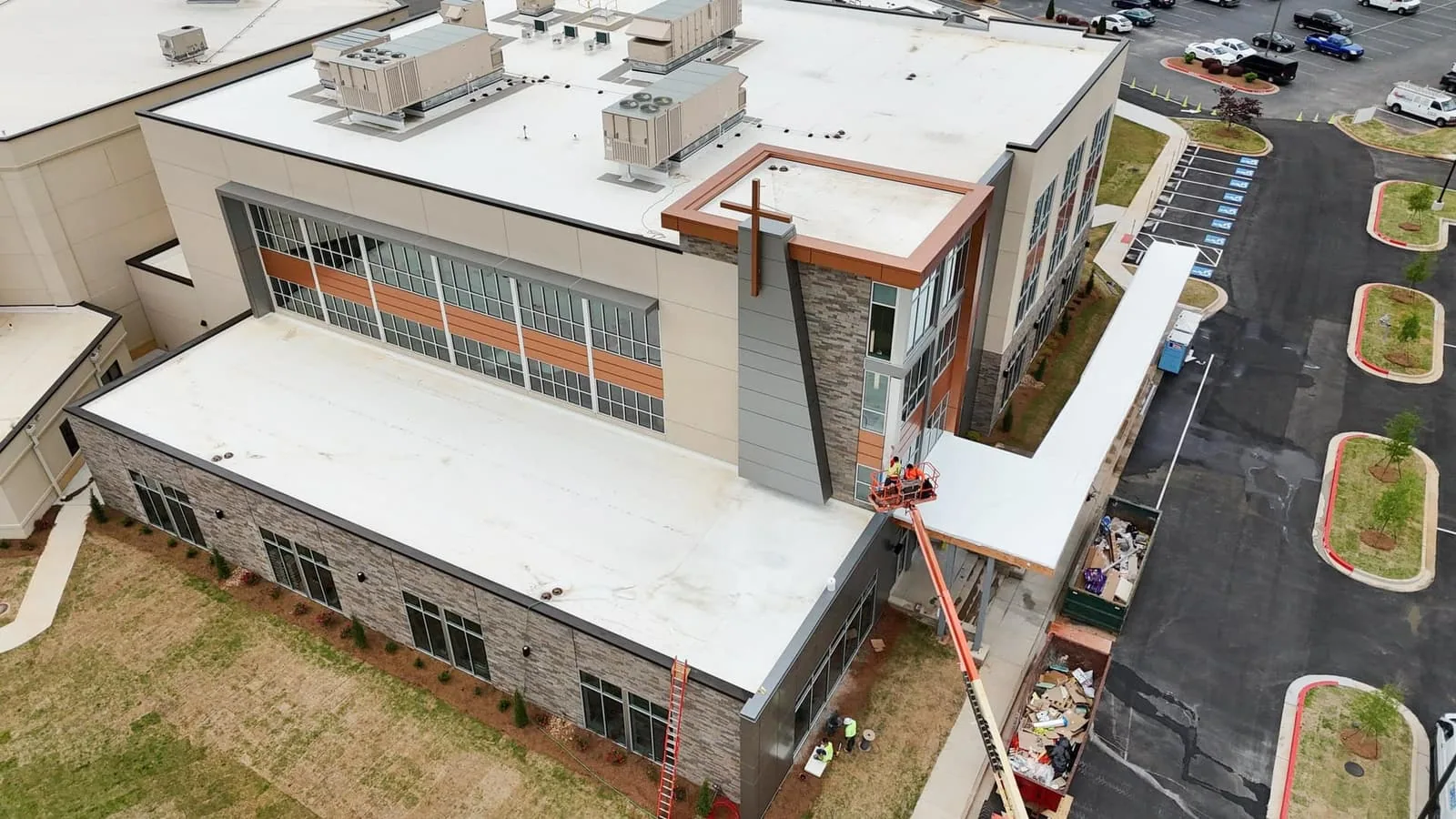

Commercial Roofing in North Salinas, CA
Commercial roofing inspections, repairs and replacement planning across North Salinas, with work coordinated around each property’s access and operations.
Overview
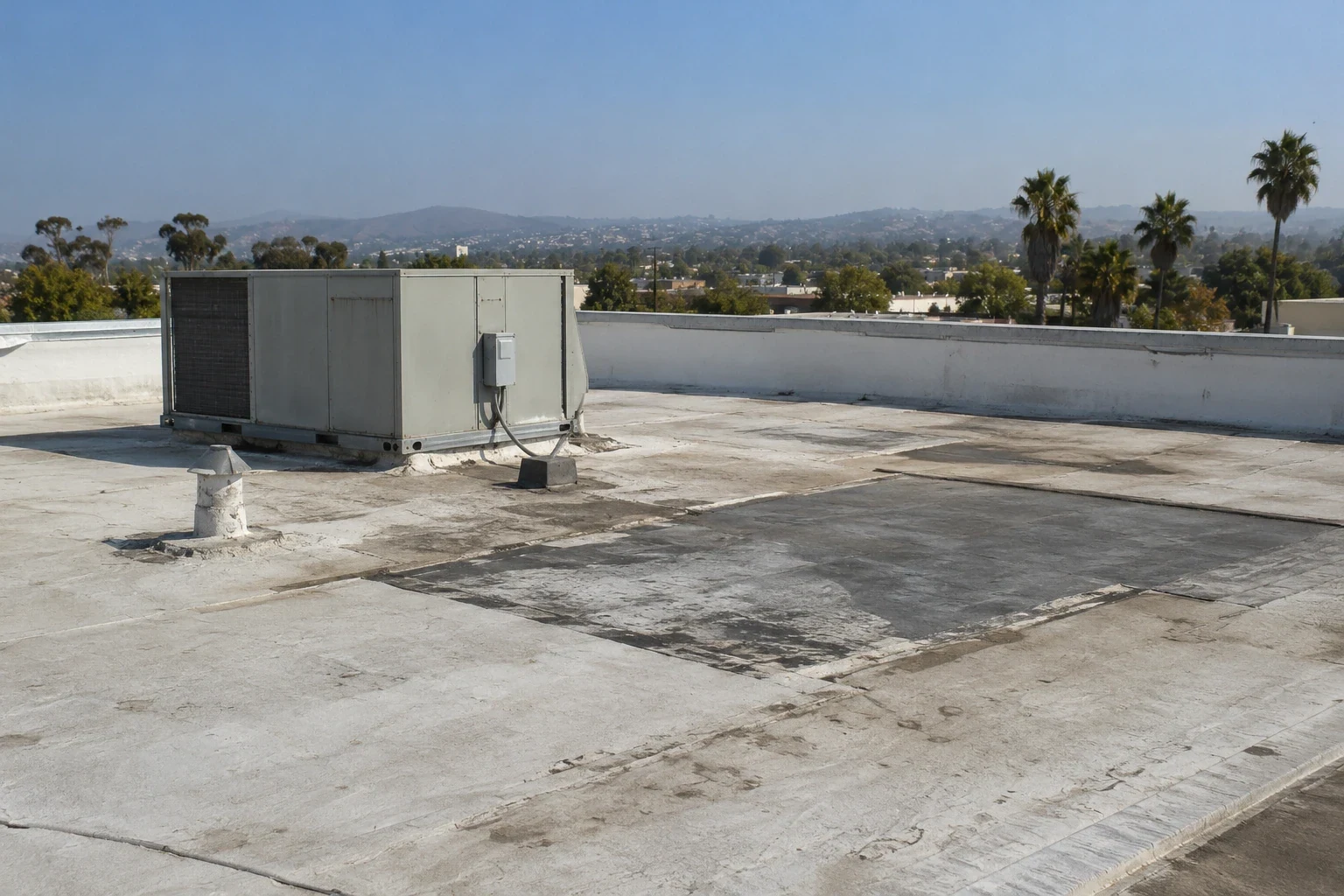
A commercial roof in North Salinas needs a work plan tied to its own building and access conditions. Salinas includes the North Entrance and North Main Street as separate opportunity areas, and the area shows specific-plan overlays around Harden Ranch, Boronda Crossing and Westridge Center. Separate assessment districts serve Airport Business Center and Harden Ranch. These are distinct areas within northern Salinas, not a claim that their buildings share roof assemblies or operating rules.
We inspect the system that is actually installed, map accessible roof zones, check drainage and transitions, and compare those conditions with the owner’s leak history. A commercial roof inspection can help determine whether the right next move is a defined repair, further testing or replacement planning. Each report stays tied to the property and areas observed.
How should a portfolio distinguish North Salinas properties?
The North Entrance, North Main Street and the Harden Ranch, Boronda Crossing and Westridge Center overlays give owners useful geographic reference points. They should not be treated as interchangeable site descriptions. Save a separate property contact, access record, roof drawing and repair history for each building. If one manager covers Airport Business Center and a property in North Salinas, record which assessment district and site instructions apply before ordering work.
On a first visit, confirm who can authorize access, how the roof is reached, whether an escort is needed and which tenant, customer or equipment activities must continue. Identify delivery times, safe staging locations, noise limits and any interior area that needs protection. A lift plan or material drop may require property-specific approval, so confirm parking and staging locations with the site contact before mobilization.
A zone sketch can mark accessible sections, drains, curbs, edges and prior patches. Label photos by date and area, then connect each interior report to the roof zone under review. record any drawing or access limits.
North Main Street and North Entrance are commercial and employment areas in Salinas. For a facilities team, this context can help group projects for budgeting and coordinate with other property contacts. Technical recommendations still follow the building inspection. A roof in North Main Street should have its own findings beside any report from Harden Ranch, even if ownership or maintenance staff overlap.
What should the inspection record about drainage and seams?
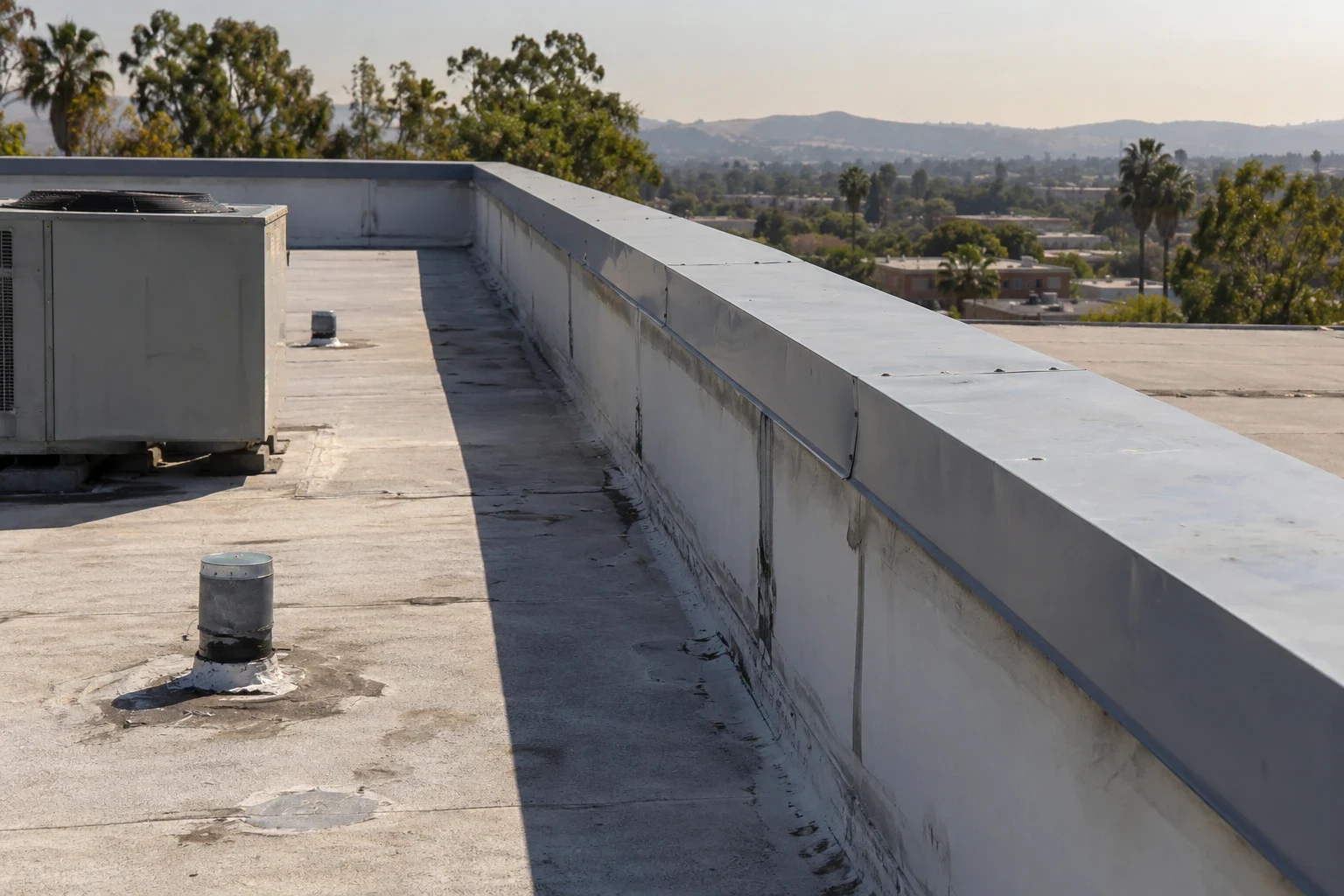
Before discussing a repair, confirm whether the property has a membrane, built-up or metal assembly and identify areas that were not accessible. Inspect seams, laps, flashings, penetrations, curbs and edges as appropriate to that system. On a low-slope roof, trace each drain or scupper and record debris, restricted flow, damage or a transition that may affect how water leaves the roof. On metal, check panel joints, fasteners and closures rather than applying a membrane repair approach.
Most annual rainfall in Salinas falls during the cool season. That is a reason to review drainage and exposed details before the wetter months, especially if the property has unresolved leak reports. A seasonal average does not identify a defect or predict the date of a storm; use the current forecast when setting an exposed-work window. A drain and scupper inspection can distinguish an outlet issue from a nearby seam or flashing condition.
When an interior leak is reported, record the room, time, active water entry and any recent roof or equipment work. Water may follow a deck or framing before showing on a ceiling, so compare the indoor location with roof zones and connected details. If the origin can be isolated and the surrounding system remains serviceable, a leak repair may be appropriate. Repeated entry or moisture across multiple zones can call for additional investigation first.
Record the area, material and detail repaired, with photos and any remaining uncertainty. If testing is proposed, explain the question it answers and how its result could change the repair limit.

Which project sequence fits an occupied commercial site?
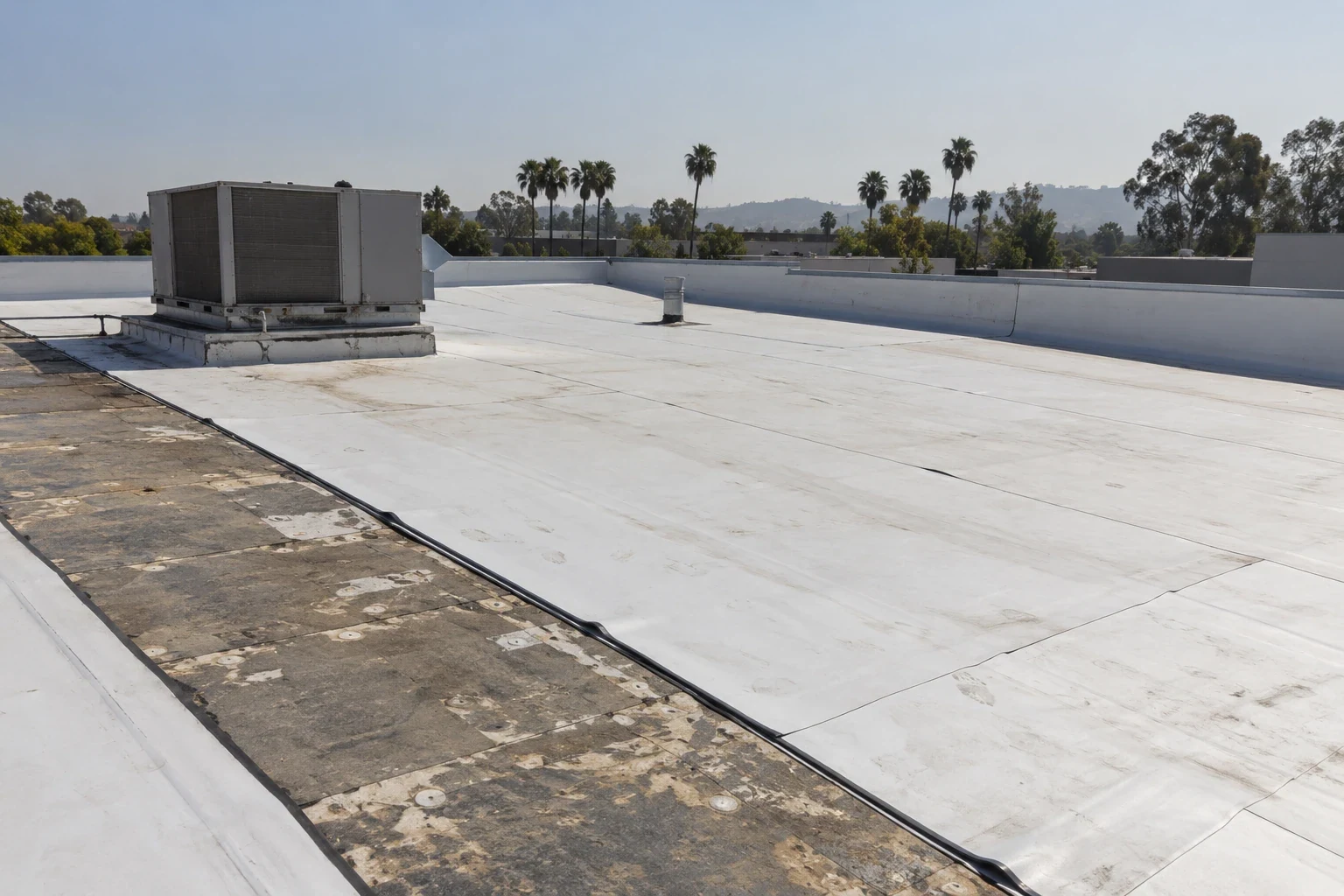
For a targeted repair, define the roof zone, preparation, materials, connected flashing or transition work and the final check. For replacement, list the assumed tear-off or recover approach, insulation, edge details, penetrations, drains, tie-ins and cleanup. Distinguish included work from allowances for concealed conditions. The property contact should know who can approve additional scope before materials are removed or an opening is made larger.
Sequence larger projects in sections that can be secured and inspected before crews move on. Confirm interior protection, notices, deliveries, access limits and whether equipment needs to remain active. An occupied-building reroofing plan can set the daily closeout standard and define what happens if weather or a newly exposed condition changes the order. For retail or service operations, identify entry routes that must remain open; for industrial uses, confirm any receiving or equipment constraints with the site representative.
Cost and duration depend on measured roof area, assembly, removal requirements, insulation or deck condition, transitions, access equipment, disposal, materials and available work hours. A proposal should state its assumptions so owners can compare equivalent scopes. If testing is expected to change the repair or replacement recommendation, show the investigation as a separate decision point. That keeps preliminary findings from being treated as confirmation of a condition that has not yet been exposed.
When funds cover only part of the work, rank active water entry first and list maintenance and capital items separately. State why a zone takes priority, what could change the order and when deferred work should be reviewed.
What should remain in the North Salinas roof file?
Keep drawings, dated photographs, inspections, leak reports, repair invoices and warranty information under the individual property. After each visit, add the areas checked, access limits, work completed, recommendations and next review date. If a detail could not be observed or tested, keep it listed as an open condition until there is new evidence. This helps a facilities contact distinguish a documented problem from an item that still needs inspection.
For a portfolio with properties in North Salinas, Salinas Business Park and the Alisal and East Salinas area, a shared schedule can organize inspections and capital requests. Maintain separate reports for each roof so a repeated condition at one location does not become an assumption about another. Keep a separate roof record for each building, with its assembly, maintenance history, and any inaccessible areas.
A preventive roof maintenance visit can check drains, seams, flashings and prior repair areas at an interval based on condition and operations. When reporting a new leak, include the room, date, current status and access contact. Protect contents if safe, keep people clear of wet electrical equipment and do not enter an unsafe area. The roofer can use the report and property history to focus the next inspection.
Close each work order with completion photos, materials, open conditions and a follow-up date. For phased work, record when each area was secured.
Questions Owners Ask
Are Harden Ranch and North Main Street the same service area?
No. Harden Ranch and North Main Street are distinct northern Salinas areas. We use the property location for scheduling and keep inspection findings tied to the individual building.
What access details should be ready before a North Salinas roof visit?
Provide the site contact, entry and roof-access method, delivery restrictions, operating hours, and any area that needs protection. We use those instructions to plan the visit.
How can drainage be reviewed before winter rain?
Check outlets, scuppers and nearby seams or flashings while the roof is accessible. Most rainfall in Salinas falls during the cool season, so the inspection can help rank repairs before that period.
What should we do when a leak returns after a repair?
Add the new date and interior location to the prior record, then compare the report with the repaired roof zone. The inspection can establish whether the earlier detail reopened or a different pathway needs attention.
Can a roof project be split across several buildings?
Yes, when each property has a confirmed scope, separate access approval and a defined closeout. Portfolio timing can be coordinated, while roof condition and repair records remain specific to each building.
Related Roofing Work
Arrange a commercial roof review in North Salinas
Send the building location, roof-access contact and any leak or repair history. We will review the installed system and outline a site-specific next step.