Flex Industrial Roofing in Salinas, CA
Protect Salinas flex-industrial buildings with roof repairs, inspections and replacement planning shaped by tenant use, equipment and access needs.
Overview
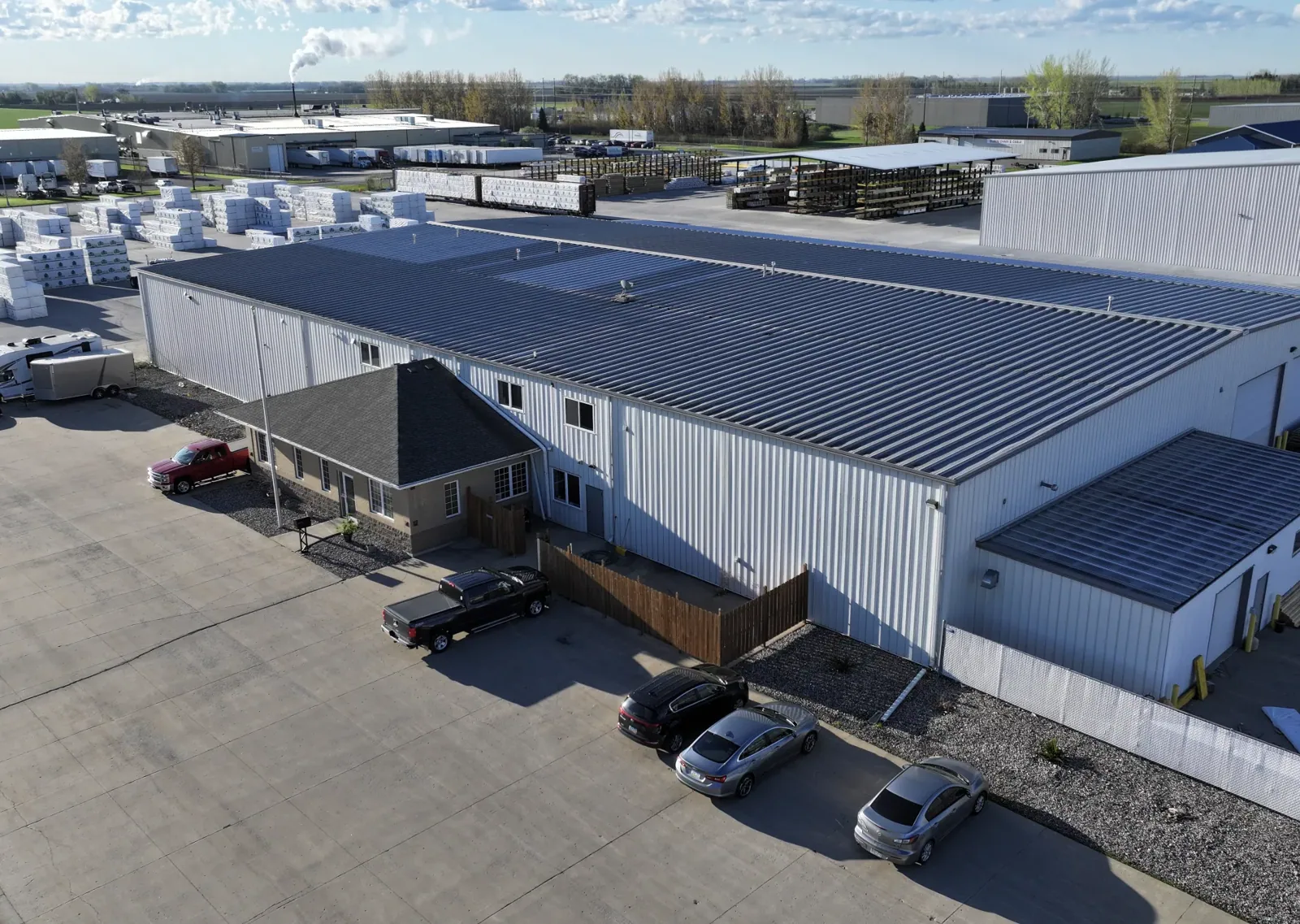
A flex-industrial building can put offices, light production, storage, and service bays beneath one roof, with tenants changing how each area is used. In Salinas, a property near North Main Street or Airport Industrial Park may sit among mapped commercial and industrial opportunity areas, but its roof needs to be evaluated on its own. We inspect the membrane or metal panels, drainage, roof edges, equipment curbs, and interior leak evidence, then connect findings to repairs or a larger project that fits the building’s current use.
A change in tenant or equipment can change roof traffic before it changes the roof itself. New exhaust, conduit, or service access may add penetrations; a loading or production schedule may narrow the work window. We ask how the spaces operate, trace those needs to the roof zones above them, and set an inspection or repair sequence that avoids treating every bay as identical. A commercial roof inspection can establish what is visible before a planned tenant improvement or maintenance cycle.
Where do flex-building roofs need closer review?
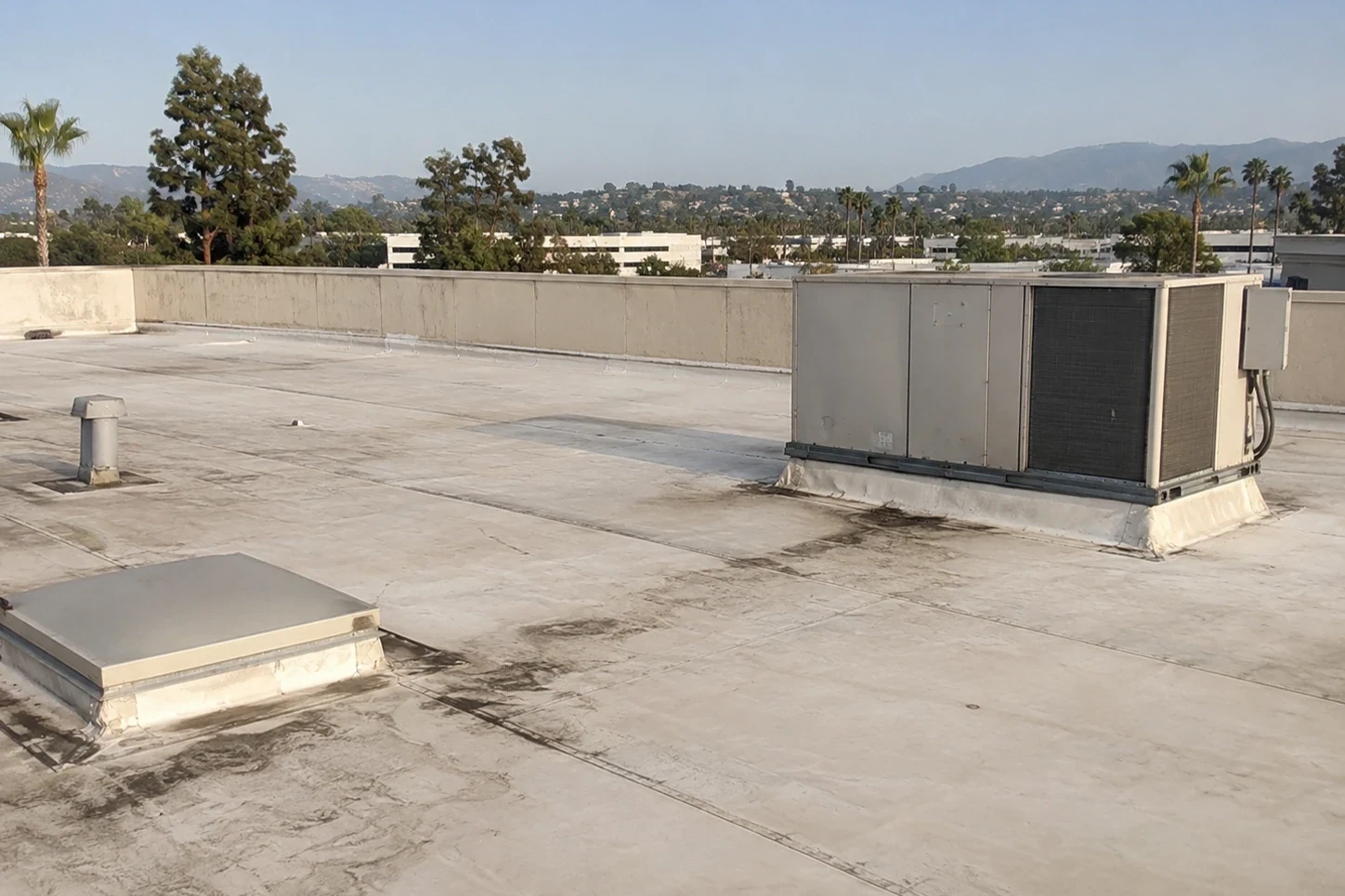
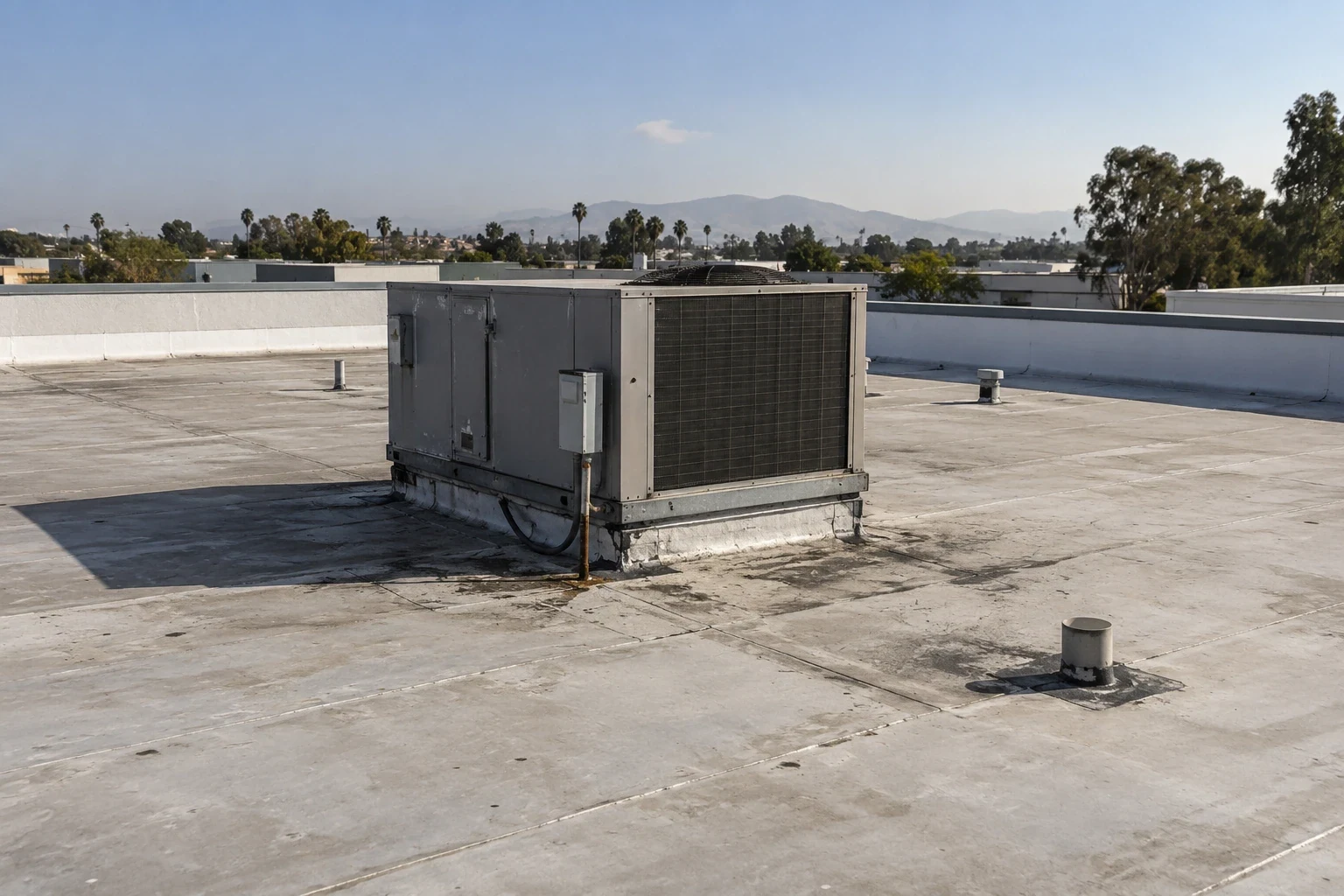
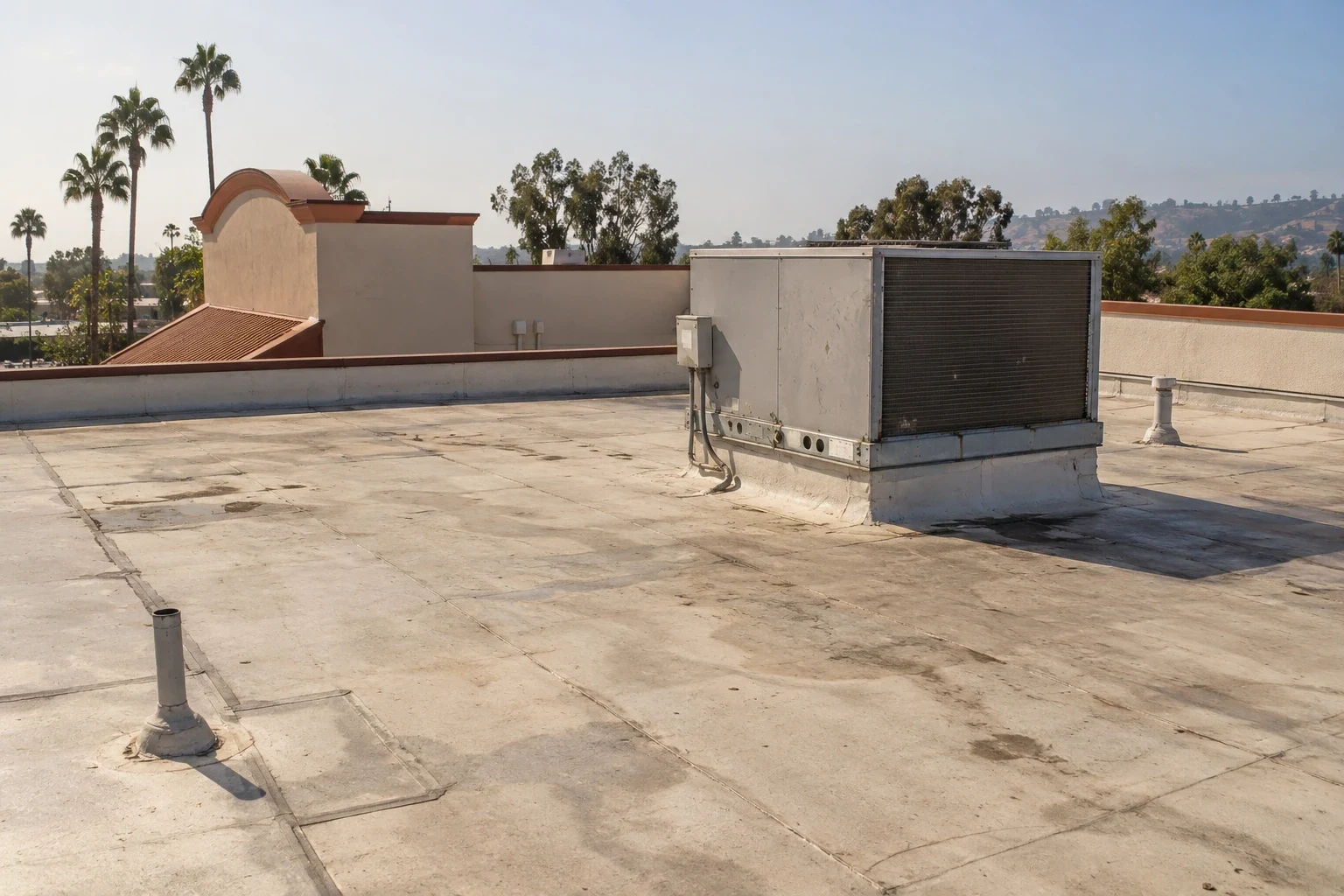
Start with transitions between uses. A roof over an office area may have different penetrations and interior finishes from the portion above a shop or storage bay. We look at seams, flashing, skylights, rooftop units, exhausts, drains, and changes in roof height, then compare those details with leak reports from below. Water may travel before it appears inside, so a stain helps direct the inspection but does not identify the entry point by itself.
Salinas includes industrial and commercial opportunity areas at Airport Industrial Park, East Alisal and East Market, and the Valley Center Corridor. These are useful local settings for varied business properties, not proof of a particular roof assembly. We confirm what is installed at the building and record the accessible zones. A property that combines storage and service areas may share some roof concerns with warehouse roofing, while an active work bay may call for checks similar to those on a manufacturing plant. Those comparisons help frame the inspection; they do not replace confirming the roof materials, fasteners, and transitions at this building.
What can make a repair more involved?
A small leak can trace back to a seam, a penetration, a curb, or a drain rather than a broad membrane failure. We examine the detail, surrounding surface, and interior evidence before deciding whether a localized repair is appropriate. If moisture may extend under the visible surface, an infrared moisture survey can help identify areas for further evaluation. The next step depends on what the survey can confirm and whether selective openings are needed.
Drainage and perimeter details deserve regular attention because debris, movement, or a failed transition can keep water near a vulnerable seam. Salinas rainfall is concentrated in the cool season, while summer is much drier; those normals help set a maintenance calendar but do not diagnose a particular roof. Before seasonal rain, we can check outlets, scuppers, edge metal, and equipment flashings, then separate immediate repairs from routine cleaning. A preventive maintenance visit can also catch changes after tenant work or rooftop service.
How should work fit tenant operations?
Flex buildings often have more than one access pattern. A tenant may need a clear loading route, another may operate equipment throughout the day, and the owner may control roof access separately from the leased space. We confirm check-in, hatch or ladder access, equipment shutdown needs, material staging, and interior protection before work begins. If access to one zone is delayed, the sequence can move to another area only when it remains safe and technically useful.
The Salinas Business Park is planned for logistics, warehousing, packaging, advanced manufacturing, and agricultural-support uses. Around Airport Boulevard and U.S. 101, truck access serves designated industrial opportunity areas. These facts help explain why receiving and circulation may matter to a roof schedule, but we confirm each facility’s actual operating constraints with its contact. If water enters during off-hours, our emergency roof response is available around the clock, including weekends and holidays. We can then document the immediate measure separately from permanent corrective work.
When should the owner compare repair and replacement?
Localized damage with a sound surrounding assembly may support repair. Repeated leaks, widespread deterioration, saturated insulation, or a failing deck can lead to a broader evaluation. We describe what is visible, what additional testing could clarify, and how each finding affects the scope. A coating, recover, or full replacement should be considered only after checking the existing materials, attachment, drainage, flashing, and the building’s intended use.
One failed detail does not prove that the whole roof has reached the same condition. We compare the location and extent of deterioration with the surrounding membrane or panels, review prior repairs, and look for related movement at drains and edges. If a coating or recover is being considered, the existing surface and insulation need evaluation first; trapped moisture or weak attachment can make that approach unsuitable. A larger scope should explain what must be confirmed before materials are ordered.
Timing and cost depend on roof area, access, tear-off needs, concealed conditions, material choice, edge work, equipment transitions, and how many phases are needed to keep tenants operating. For an occupied property, sequencing by bay or roof zone may reduce disruption when the assembly allows it. We explain the limits of a phased approach and the temporary protection required at each stage. If a larger scope is under review, a reroofing plan for an occupied building can account for tenant coordination and equipment service.
What should the property file carry forward?
Keep roof plans, prior inspection reports, leak dates, repair invoices, photos, and records of tenant or equipment changes together by building. When a repair is completed, the closeout should identify the affected roof area, work performed, and any adjacent condition that remains open. That gives a future inspection a useful comparison and helps prevent a new facilities contact from mistaking an old repair for an active problem.
A written roof condition report can organize findings for approval, while North Main Street service-area coverage connects local property teams with commercial roof work in that corridor. We can plan a visit around your access window, review tenant and equipment constraints, and prioritize work by roof zone. The goal is a clear repair sequence that leaves the owner with decisions tied to the actual building.
Questions Owners Ask
Can different tenants share one roof inspection?
Yes. We can inspect the building as one roof system while recording the areas and access conditions associated with each tenant space. The property manager should coordinate roof access and any escort or operating restrictions before the visit.
What should happen before a tenant adds rooftop equipment?
Review the roof plan and access requirements before work is scheduled. We can inspect the proposed area, identify nearby seams or drainage paths, and define flashing and protection needs so the installation plan addresses the existing assembly.
How do you investigate a leak with offices and shop bays under one roof?
We map the interior symptom to the roof area above it, then inspect likely seams, penetrations, curbs, and drains. If water may be traveling within the assembly, additional moisture evaluation can help narrow the area for repair.
Can repair work be staged around separate tenant schedules?
Often the work can be sequenced by roof zone, but access, weather, materials, and the assembly determine whether that is practical. We confirm the schedule with the owner and identify any area that needs temporary protection between phases.
What records help plan a flex-industrial roof replacement?
Roof plans, leak and repair history, inspection photos, equipment layouts, and tenant access details help define the scope. We inspect the existing assembly and identify any testing needed before comparing replacement, recover, or restoration options.
Related Roofing Work
Plan roof work around the building
Arrange a Salinas flex-industrial roof review around tenant access, equipment service, and operating hours. We will document each roof zone and organize practical next steps.