Johns Manville Commercial Roofing in Salinas, CA
Review Johns Manville roof systems in Salinas by existing assembly, drainage, insulation, and repair needs before selecting a project scope.

Overview
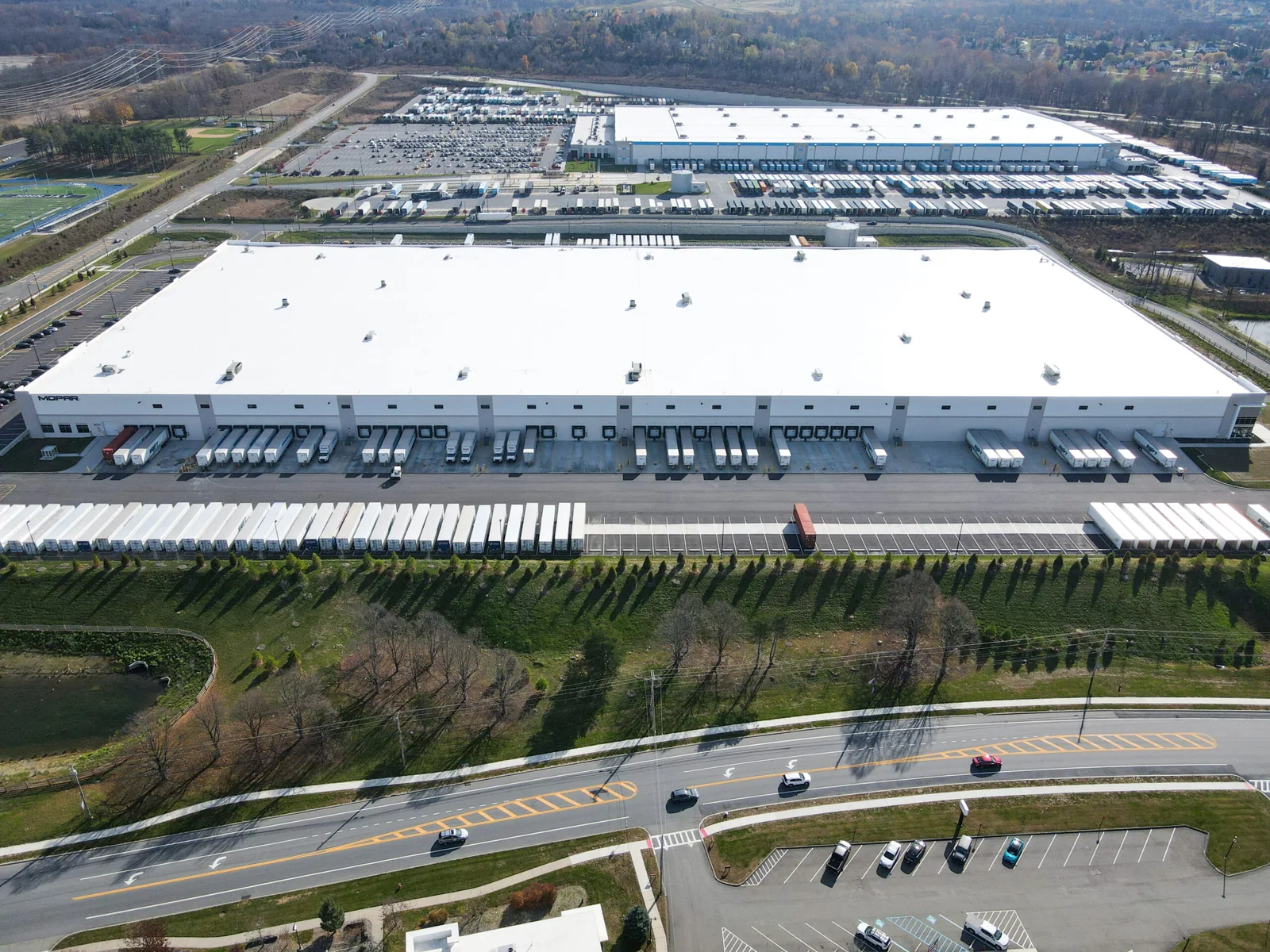
A processing building can have separate roof areas for production, offices, storage, and equipment, with different repair histories on each. Johns Manville makes commercial systems in single-ply and asphalt-based types, so the first decision is which assembly fits the deck and roof zones already in place. Salinas supports agriculture-related processing and packaging, and the Salinas Business Park plan includes warehousing and manufacturing uses. We inspect each roof section and connect the proposed JM materials to the building's use and access schedule.
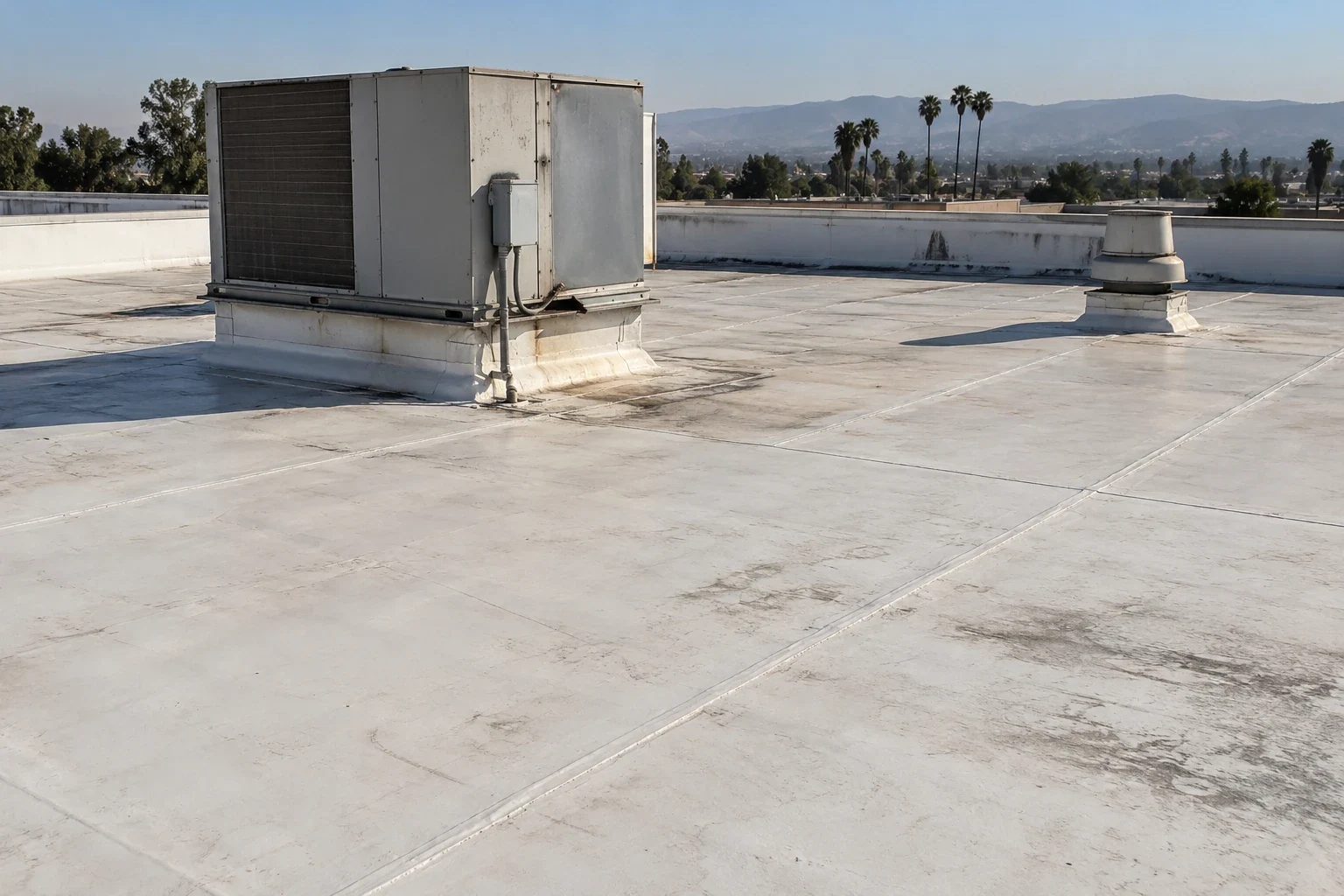
The review checks seams, flashing, insulation where exposed, drains, edges, and penetrations. It records what is known about the existing roof and which questions could change a repair or replacement scope. A commercial roof inspection can give ownership dated photographs and a condition record before a Johns Manville assembly is selected.
Which JM system type belongs in the comparison?
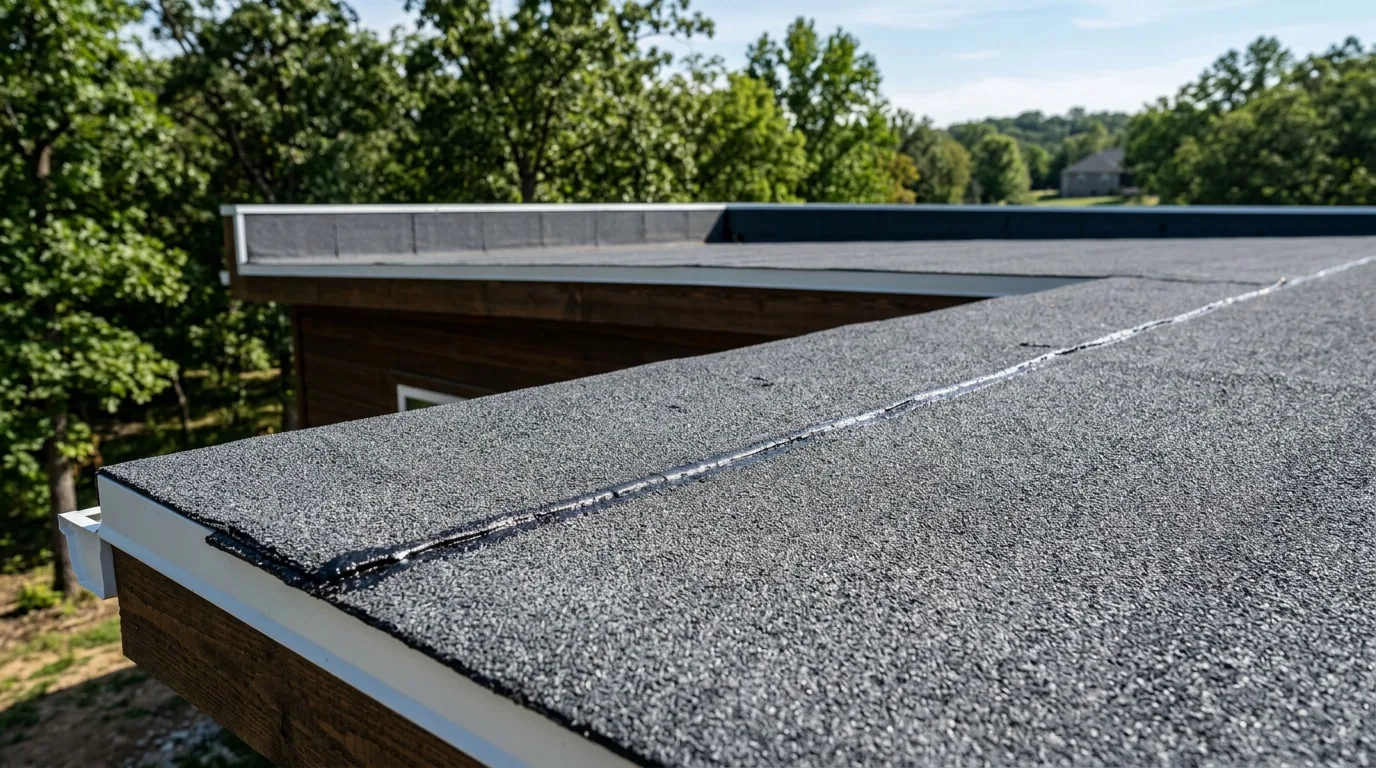
Johns Manville lists TPO, PVC, and EPDM single-ply systems, along with SBS and APP modified bitumen and built-up roofing. Those types use different seam and flashing methods. A thermoplastic membrane depends on heat-welded details; EPDM uses its own seam accessories and preparation; asphalt-based systems use layered plies and compatible bitumen details. We first identify which type is installed or proposed, then review its transitions at drains, curbs, walls, and roof edges.
The system should be compared as a complete assembly. Deck condition, insulation, cover board, vapor control, attachment, drainage, and perimeter securement can matter as much as the exposed surface. A JM proposal should name those components and show how the assembly meets existing heights and adjoining roofs. If the building includes older built-up areas and newer membrane sections, we map them separately rather than treating one product family as a site-wide answer.
At Hartnell College's Alisal Campus, programs include manufacturing technology and construction management. That educational context reflects the region's connection to building and production trades, while the actual roof still sets the installation details. For another system comparison, Carlisle SynTec membrane families can be reviewed against the same roof conditions.
What does the current roof need to tell us?
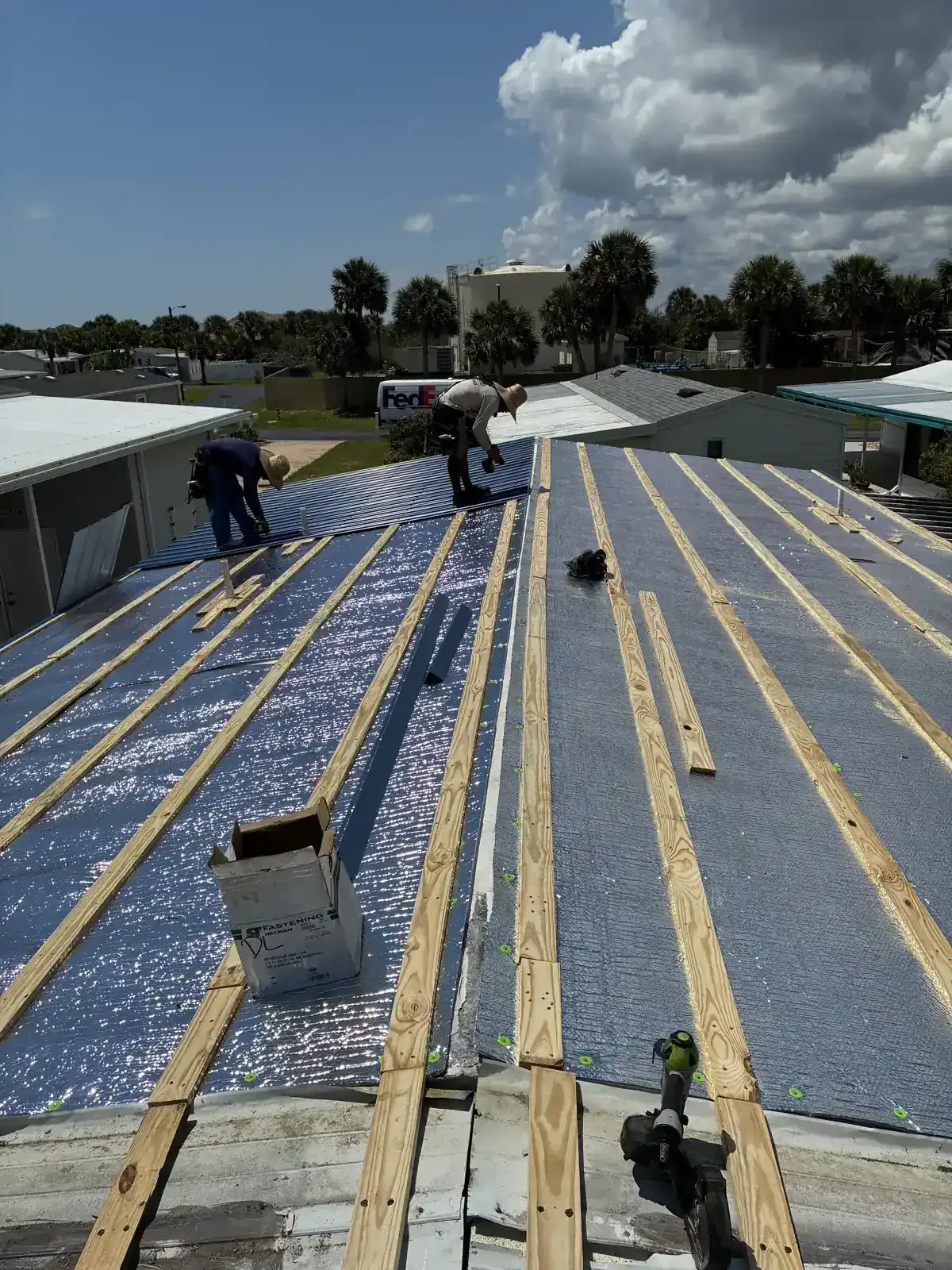
We inspect the field membrane or asphalt surfacing, seams or laps, penetrations, flashings, drains, and edge conditions. Prior patches and additions can reveal where water has entered before, but their location does not establish what lies below. We record the roof sections that can be reached, the observed damage, and where a test or selective opening could confirm concealed insulation or deck condition.
Recovery is a choice only when the existing assembly can remain beneath the new work and the transition heights still function. Wet materials, weak attachment, multiple roof layers, or a drain set too low can change that path. A roof review should describe those conditions before quantity and fastening details are fixed. When thermal readings or interior reports point toward hidden moisture, an infrared moisture survey may help define where closer examination is useful.
Where a roof changes from a JM single-ply section to an asphalt-based area, the tie-in needs its own detail. We identify the membrane and any existing cover board or flashing that affects the connection. If records are missing, we use visible markings and construction details to describe the system at the level supported by the inspection.
How do JM seams and transitions affect repair?
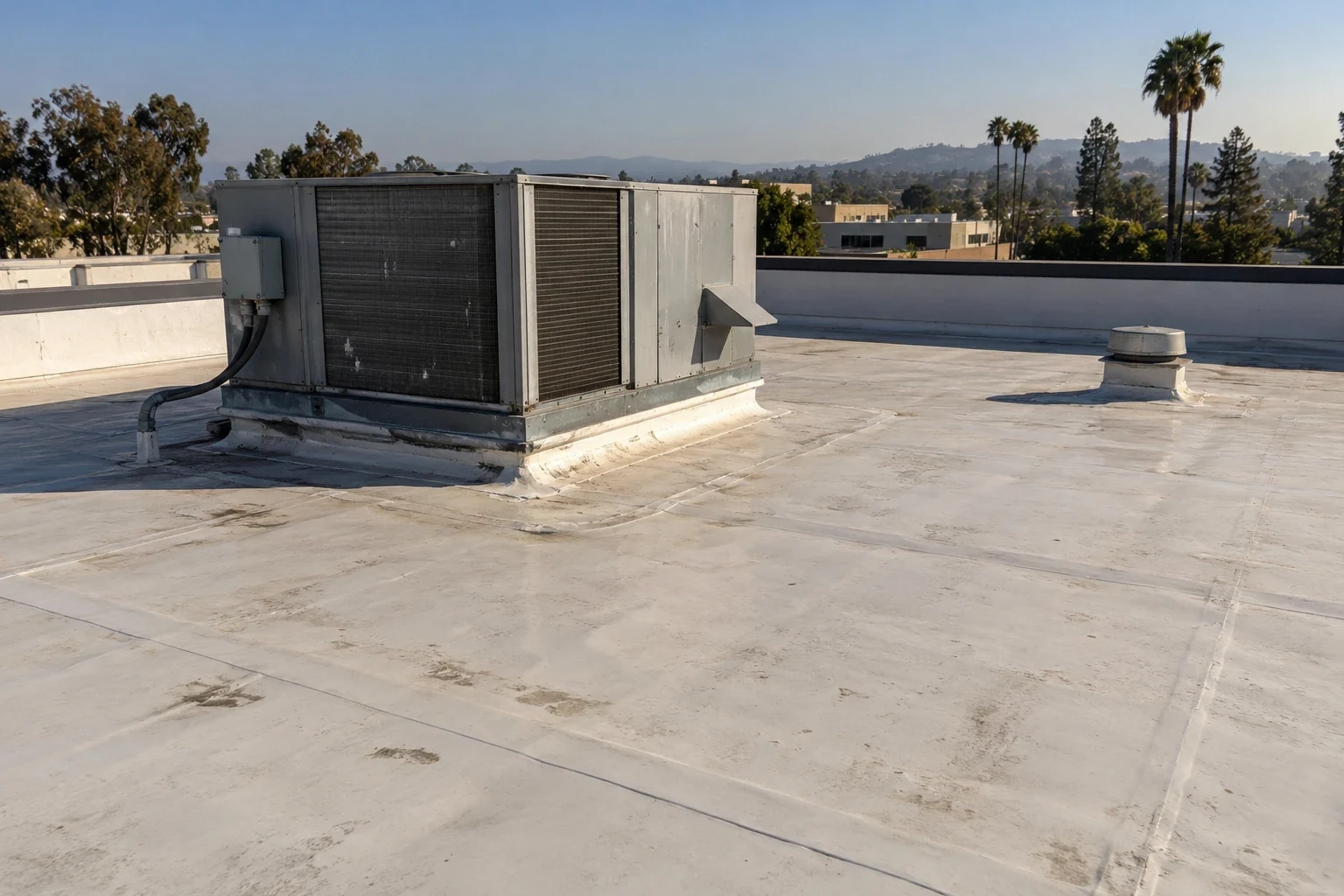
Each system needs its own preparation and compatible repair materials. A thermoplastic seam must be clean enough to weld; asphalt-based plies need the specified application method and a sound surface; EPDM repairs need a suitable tie-in to the existing sheet. We examine corners, pipe penetrations, equipment curbs, expansion joints, scuppers, and wall terminations because those details combine water movement with material changes.
A localized defect can be repaired when adjacent materials remain sound and the proposed patch can reach a reliable bond or weld area. We define the repair boundary and record what is outside it. Several recurring leaks, broad deterioration, or moisture under multiple roof zones may justify more investigation before ownership chooses among repairs, restoration, or replacement. A commercial roof repair plan can state the exact assembly and area it addresses.
For a larger project, the scope should include how each section will be removed or prepared, how exposed areas will be kept dry, and when the finished transitions will be checked. The crew sequence also needs to account for mechanical work and service access after installation. When asphalt-based replacement is under review, a modified bitumen system comparison can help owners consider the multi-ply assembly alongside the JM options.
What changes the schedule for a Salinas roof?
Cool-season rainfall makes drainage and dry-in important to the work sequence, while summer fog and low clouds can leave a surface damp after sunrise. We check the actual roof before installing adhesive or completing a seam. That observation affects preparation and how much area can be safely opened during the shift. A crew should have a daily closure point and a way to protect the building if surface conditions or weather change.
The city's mapped business areas include Salinas Ag-Industrial Center near Abbott Street and Harris Road. The planned Salinas Business Park includes distribution, packaging, and manufacturing uses near the municipal airport. A property in the Alisal and East Salinas area may have a different delivery route from a warehouse near those industrial corridors. We confirm the site's loading windows, access control, equipment paths, and tenant needs before ordering material or setting lift placement.
For an occupied building, phasing can keep a completed section separated from active removal. The plan names interior areas for protection, roof zones for each shift, and the handoff with any trade that must access a unit or conduit. When hidden damage changes the repair boundary, we document it before covering the area and request direction from the authorized contact.
Which records help maintain a JM roof?
Keep the product literature and submittals with the installed assembly, then add dated inspection photographs, leak reports, repair materials, and follow-up findings. The file should identify each roof section and any transition to another system. That record helps the next facilities contact avoid applying a repair method from one section to a different membrane or asphalt assembly.
Maintenance records should include drain condition, seam and flashing observations, equipment changes, and places the crew could not access. A roof condition report can group findings by zone and list actions that need pricing, testing, or routine service. For an operator comparing regional buildings, a Soprema roof system review can help frame a parallel comparison while keeping each roof's evidence separate.
Arrange the next inspection around receiving, production, tenant access, and any mechanical work already scheduled. We will record the roof condition, identify what JM assembly or repair fits the observed details, and place urgent work ahead of maintenance items that can be scheduled later.
Questions Owners Ask
Does Johns Manville make both membrane and asphalt systems?
Yes. Its commercial roofing range includes TPO, PVC, and EPDM single-ply types as well as SBS, APP, and built-up systems. We compare the roof, deck, drainage, and use before selecting which family belongs in the scope.
Can a JM roof be recovered instead of removed?
Before making that recommendation, we inspect moisture, attachment, roof layers, edge height, and drain transitions. If those conditions do not support another layer, the scope should account for removal and any concealed deck or insulation work.
How should a facility choose between TPO and SBS?
The installed assembly, project details, substrate, drainage, and planned maintenance guide the comparison. We identify seam or ply methods, edge transitions, access requirements, and preparation so the owner can compare a complete assembly rather than only surface material.
What if the JM membrane cannot be identified from records?
We inspect markings, seam construction, and accessories, then state the identification the visible evidence supports. If the product remains uncertain, the repair scope can be limited to a compatible system type until a test or opening resolves the detail.
Can JM roof work be phased around production?
A phase plan can separate roof zones and define interior protection, delivery timing, and the point when each section is closed. We coordinate those details with the Salinas facility contact and record any trade work that could disturb finished flashing.
Related Roofing Work
Review Johns Manville systems by roof zone
Arrange a Salinas inspection around the property's access and production needs. We will identify the existing assembly, record the details that guide a JM proposal, and prioritize repairs or renewal.