Commercial Membrane Roofing in Salinas, CA
Compare EPDM, TPO, and PVC systems by roof details, existing layers, drainage, and facility access in Salinas. Review assembly fit and condition.

Overview
A proposal from Elevate Roofing Systems can include several membrane families, so the name on the cover does not identify which detail will fit a building. The current product line offers RubberGard EPDM, UltraPly TPO, and PVC systems, including KEE options. We inspect the existing assembly, drains, edges, and rooftop equipment before comparing them. Firestone roofing systems became Elevate Roofing Systems in 2022; in 2025, the commercial-roofing business became part of Amrize after Holcim’s North American spin-off. At the planned Salinas Business Park, logistics and manufacturing uses sit near the airport; a facility there may need deliveries and roof access timed around operations.
Our inspection identifies the membrane where it can be confirmed, records repairs and visible moisture concerns, and records what could change the scope. The useful comparison includes attachment, insulation, transitions, and the maintenance route after work. A commercial roof inspection can give the owner a roof-zone record before a membrane system is selected.
Which membrane family fits the roof condition?
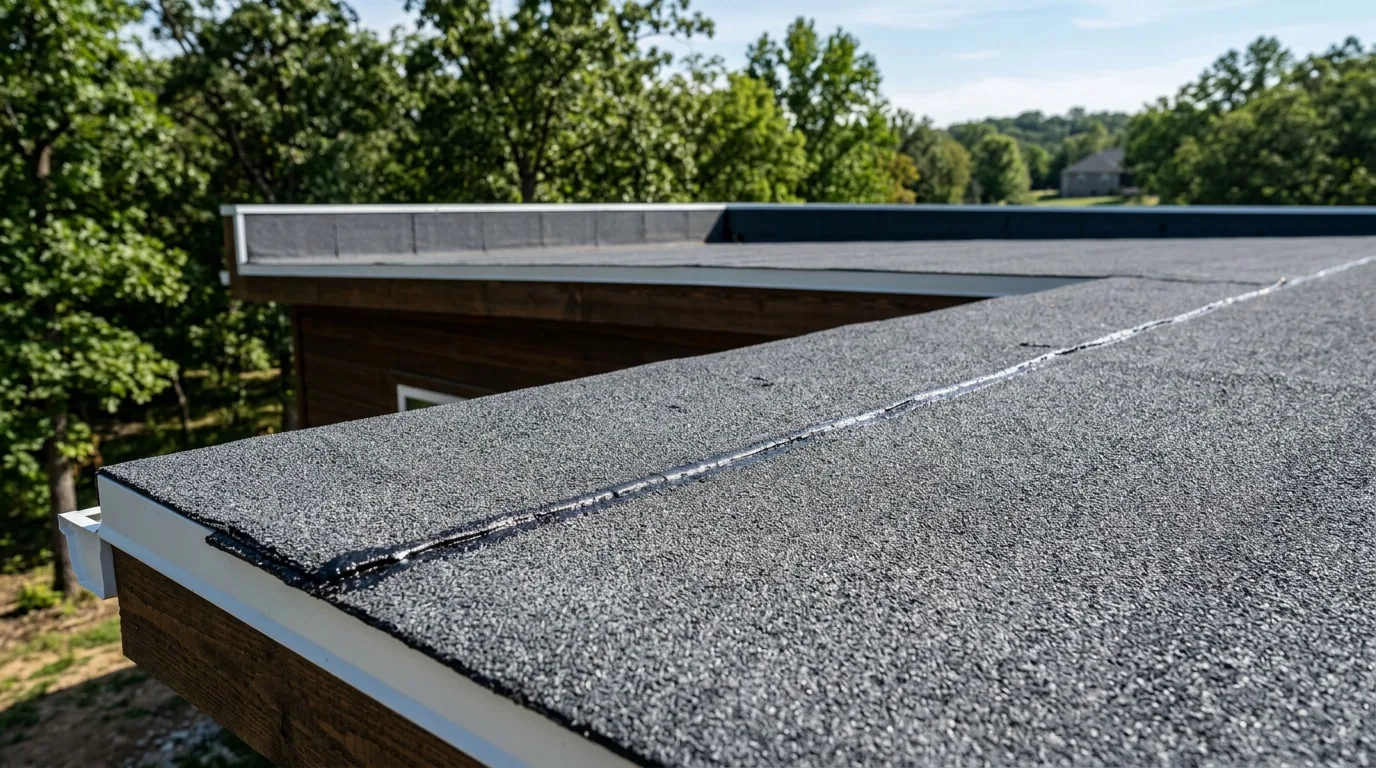
RubberGard EPDM is a synthetic rubber single-ply membrane, while UltraPly TPO uses a thermoplastic membrane with heat-welded seams. The line also includes PVC systems, including MAX PVC and PVC KEE. Their seam, accessory, and repair details differ. We identify the building use and the roof connections first, then compare how a proposed system will handle drains, curbs, parapets, equipment routes, and adjoining surfaces.
A food-support facility may have exhaust, refrigeration, or washdown-related equipment on the roof, but the operation alone does not tell us the membrane's exposure. We ask where ducts discharge, whether grease or process exhaust reaches the roof, and which details must be serviced. That information can matter when comparing a PVC assembly with TPO or EPDM. The roof plan should address the actual condition and its maintenance access, not assume that one membrane works for every area.
Before approval, the submittal should name the membrane family and the components around it. Insulation, cover board, attachment, edge securement, and flashing all need to suit the deck and existing height. A Carlisle SynTec system review can serve as a comparison when the owner is weighing more than one thermoplastic or EPDM approach.
What conditions can change a recover plan?
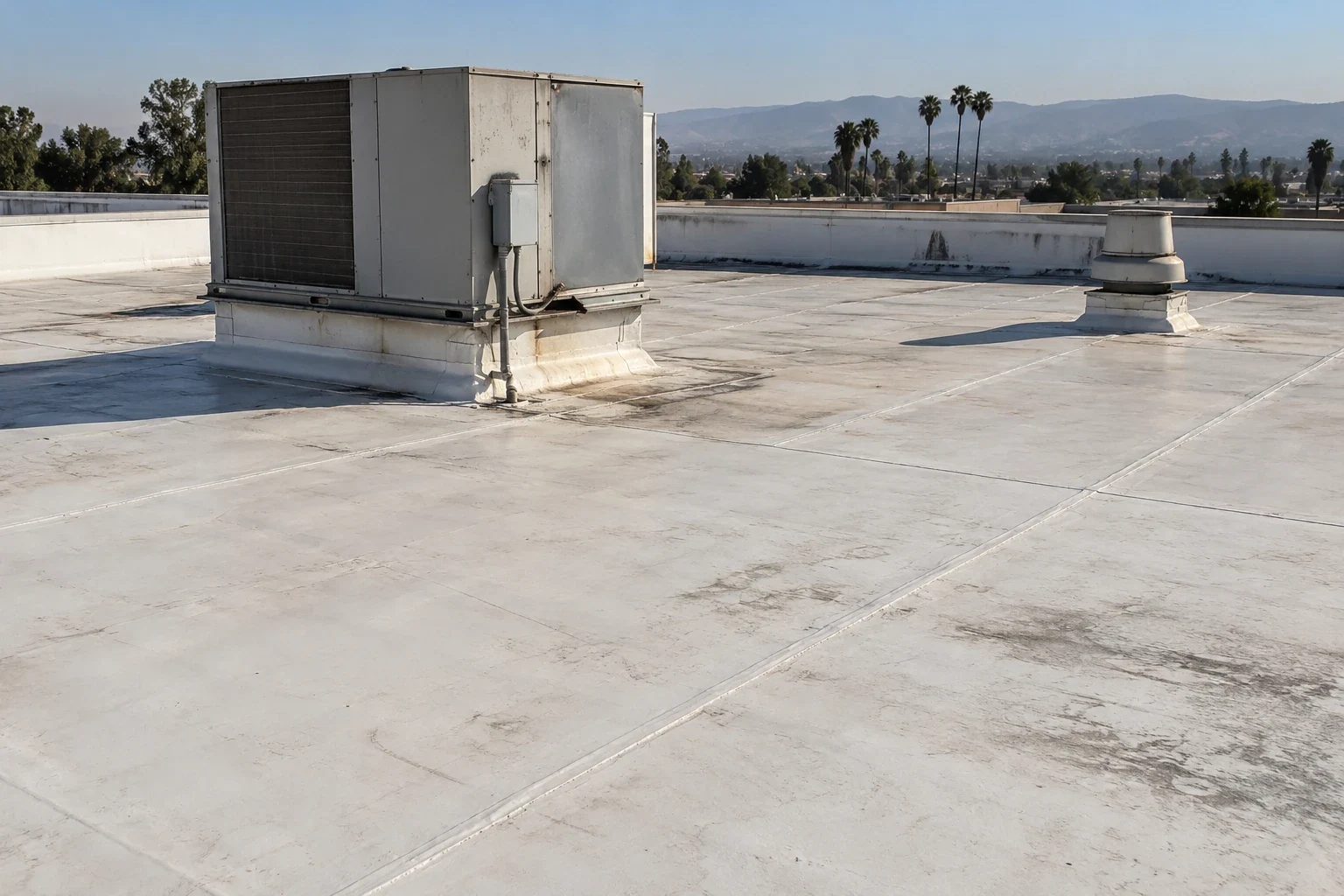
The visible sheet does not show whether insulation below it is dry or whether fasteners hold throughout the roof. We inspect accessible seams, edge metal, flashing, repairs, drains, and the assembly at transitions. A recover needs a stable existing roof and sufficient edge height for the added layers. Wet insulation, weak attachment, excessive layers, or recurring water entry can shift the recommendation toward selective removal or full replacement.
If surface marks or an interior leak suggest concealed moisture, we identify where a closer test could alter the repair boundary. An infrared moisture survey may help direct sampling when roof conditions suit the method. A thermal pattern is a location for further checking, not a substitute for confirming material condition.
Salinas has a cool-season rainfall pattern, and summer fog can leave a roof surface damp even when rain is absent. We inspect actual surface conditions before adhesive application or seam work. The record records any area where moisture, access, or a prior patch needs more attention before new layers cover the detail.
Where do EPDM, TPO, and PVC differ in the field?
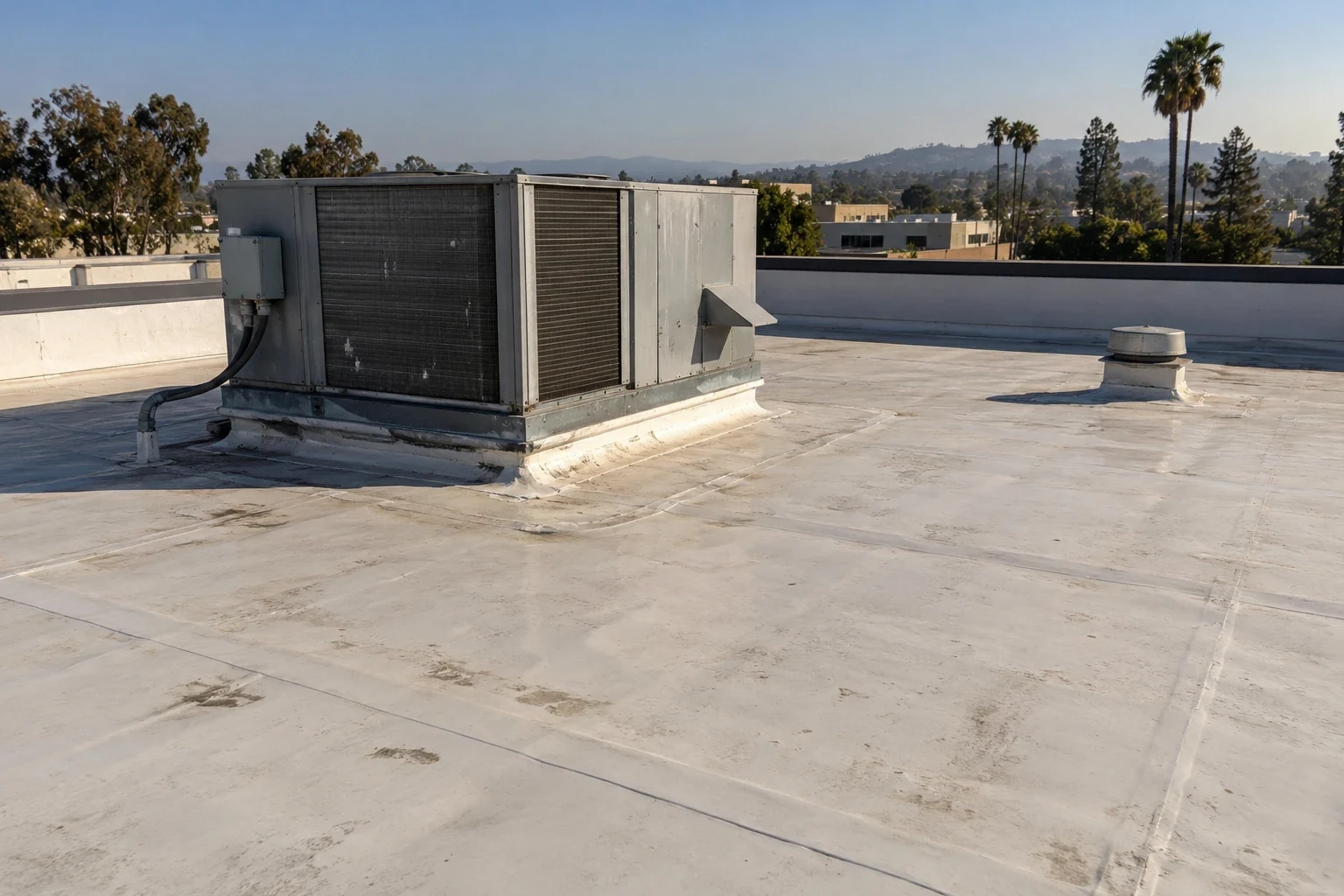
Thermoplastic sheets use welded seams, so clean surfaces, weld access, and checks at corners and penetrations are part of installation. EPDM seam and flashing work follows a different set of compatible products and preparation steps. Its PVC family also includes KEE membranes; that product choice should be matched to the building's exposures and the specified system details. We identify the chosen family and use its appropriate accessories at walls, drains, curbs, and edge transitions.
Field repairs need similar care. We determine whether the installed sheet is TPO, PVC, or EPDM before selecting a repair method. A patch that fits one membrane should not be transferred to another. If markings or building records do not identify the system, we describe the observed type and confirm compatibility before including repair materials in the scope. Our commercial roof repair work defines the affected zone and what the repair is intended to correct.
For a larger renewal, we compare the assembly with the deck, insulation, drainage, and attachment. A coating or overlay should not hide a weak substrate or a drain transition that still admits water. The replacement decision also needs a plan for equipment moves, interior protection, tear-off, and dry-in before each roof section is opened.
How should the work fit Salinas site access?
Salinas includes the Salinas Ag-Industrial Center near Abbott Street and Harris Road, and identifies Airport Boulevard at U.S. 101 as truck access for industrial areas. That context can help plan deliveries, but it does not replace the facility's gate, staging, or receiving rules. We confirm when a delivery can arrive, where equipment can be placed, and whether staff or tenants need a clear route during the roofing work.
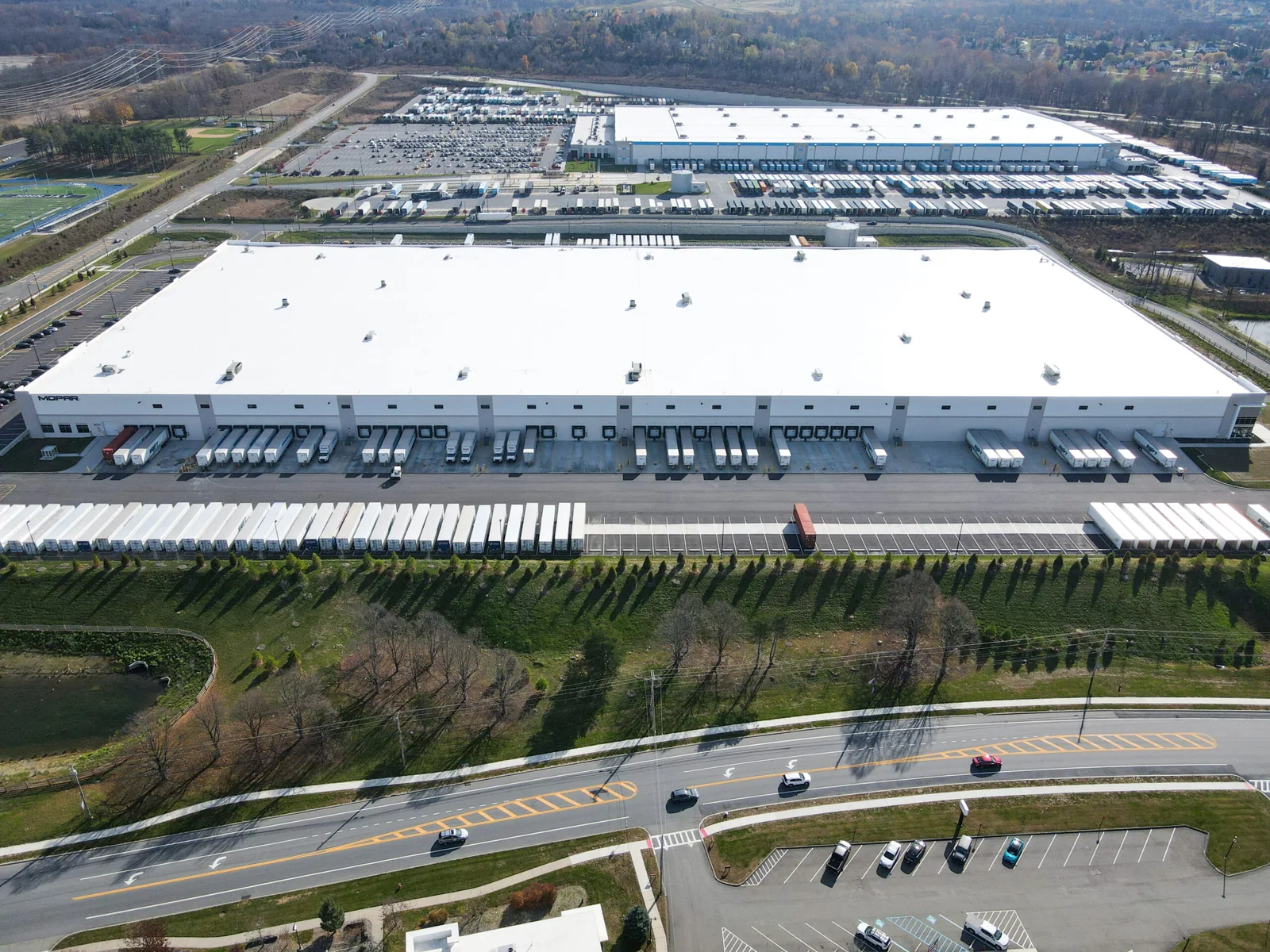
For a facility in Salinas Business Park, planned warehouse, logistics, and manufacturing uses make it useful to discuss loading and mechanical access before the crew stages membrane. Near the Ag-Industrial Center, the property contact still sets the local access instructions. We phase by roof zone when possible, protect active interior areas, and specify how any exposed section will be closed before the shift ends.
Different projects need different weather windows. Winter rain can constrain tear-off and temporary protection, while summer mornings can begin with fog and surface moisture. We check the roof on the work day, confirm dry-in materials, and adjust the area opened to the actual conditions. An owner receives a clear record when weather changes the sequence or requires a return visit.
What should the owner track after installation?
Keep the submittal, system components, repair locations, dated photographs, and future equipment work with the building record. Inspect drains, flashing, seams, edges, and membrane near service routes. When another trade accesses the roof, record which detail was opened and who restored the membrane connection. Those records help distinguish an original installation condition from later damage.
A roof condition report can group repairs, maintenance tasks, and areas needing further testing by roof zone. It gives facilities staff a record for planning work without treating a single leak as evidence about the entire assembly. For buildings that compare several membrane manufacturers, a Versico system comparison can frame similar questions about TPO, PVC, and EPDM while keeping each proposal tied to its own components.
Salinas receives very little rainfall from June through September, then more precipitation in the cooler period. That seasonality can guide when to inspect drains and prior repairs. We still base each recommendation on the observed roof, since a calendar does not reveal the condition of a seam or substrate.
Questions Owners Ask
Which membrane family should I use over a food facility?
Start with the actual roof exposure, assembly, and equipment details. We identify where grease, exhaust, or service traffic reaches the roof, then compare the specified PVC, TPO, or EPDM system and its accessories against those conditions.
Can RubberGard EPDM and UltraPly TPO use the same repair materials?
No. Their membrane chemistry and seam details differ, so we identify the installed family before choosing a patch or flashing method. Records and markings help confirm the system; an uncertain type needs a compatibility check before repair.
What belongs in a membrane-system proposal?
The scope should show membrane family, attachment, insulation or cover board, flashing, edge details, drains, and the plan for transitions. We also state what existing layers will remain and what conditions could change after removal.
Does PVC KEE fit every commercial roof?
That product family needs to be compared with the actual roof, exposure, deck, attachment, and detail conditions. We confirm the manufacturer's specified components and explain what makes the selected assembly appropriate for that building.
How does Salinas fog affect membrane work?
Morning moisture can affect preparation and adhesive or weld work, even when the daily forecast is dry. We inspect the surface before starting and adjust how much area can be completed and closed during that shift.
Related Roofing Work
Compare membrane systems against the existing roof
Arrange a Salinas roof review around access and operating hours. We will document the assembly, compare suitable EPDM, TPO, and PVC membrane families, and prioritize the work by roof zone.