Versico Commercial Roofing in Salinas, CA
Evaluate Versico TPO, PVC, EPDM, and fleece-backed options in Salinas by roof condition, attachment, transitions, and facility access needs.
Overview
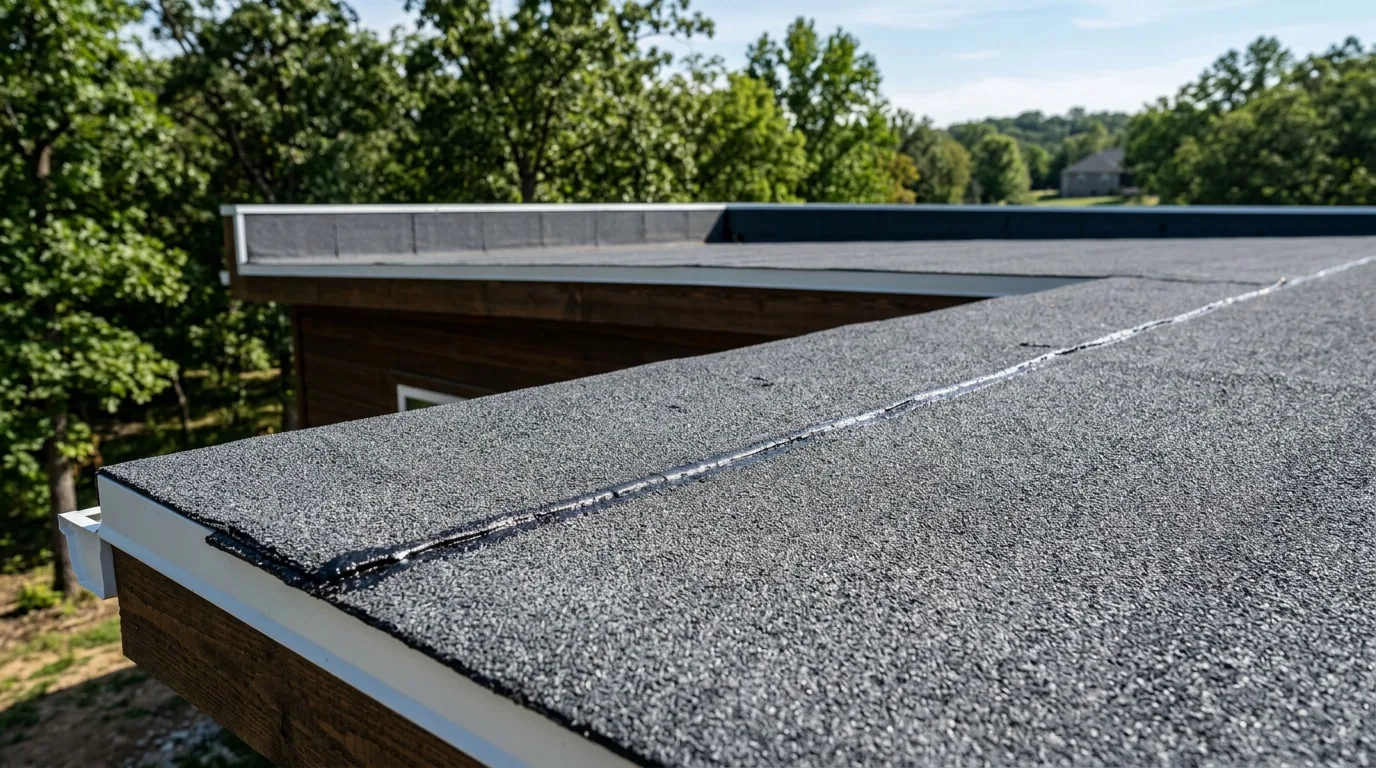
Choosing a Versico system starts with the roof assembly, not the product name. Versico offers TPO, PVC, EPDM, and fleece-backed options, but the existing deck, insulation, perimeter, and drainage determine which assemblies are practical to compare. A facility along Harris Road near the Salinas Ag-Industrial Center may have loading and equipment routes that affect staging and daily access. We document the roof and its operating constraints before defining a repair or replacement scope.
The review identifies the visible membrane, attachment clues, seam and flashing condition, penetrations, drains, and prior repairs. It also records concealed conditions that a surface inspection cannot confirm. A commercial roof inspection gives ownership a zone-based record to use when comparing Versico components with the building's needs.
Which Versico membrane family fits the project?
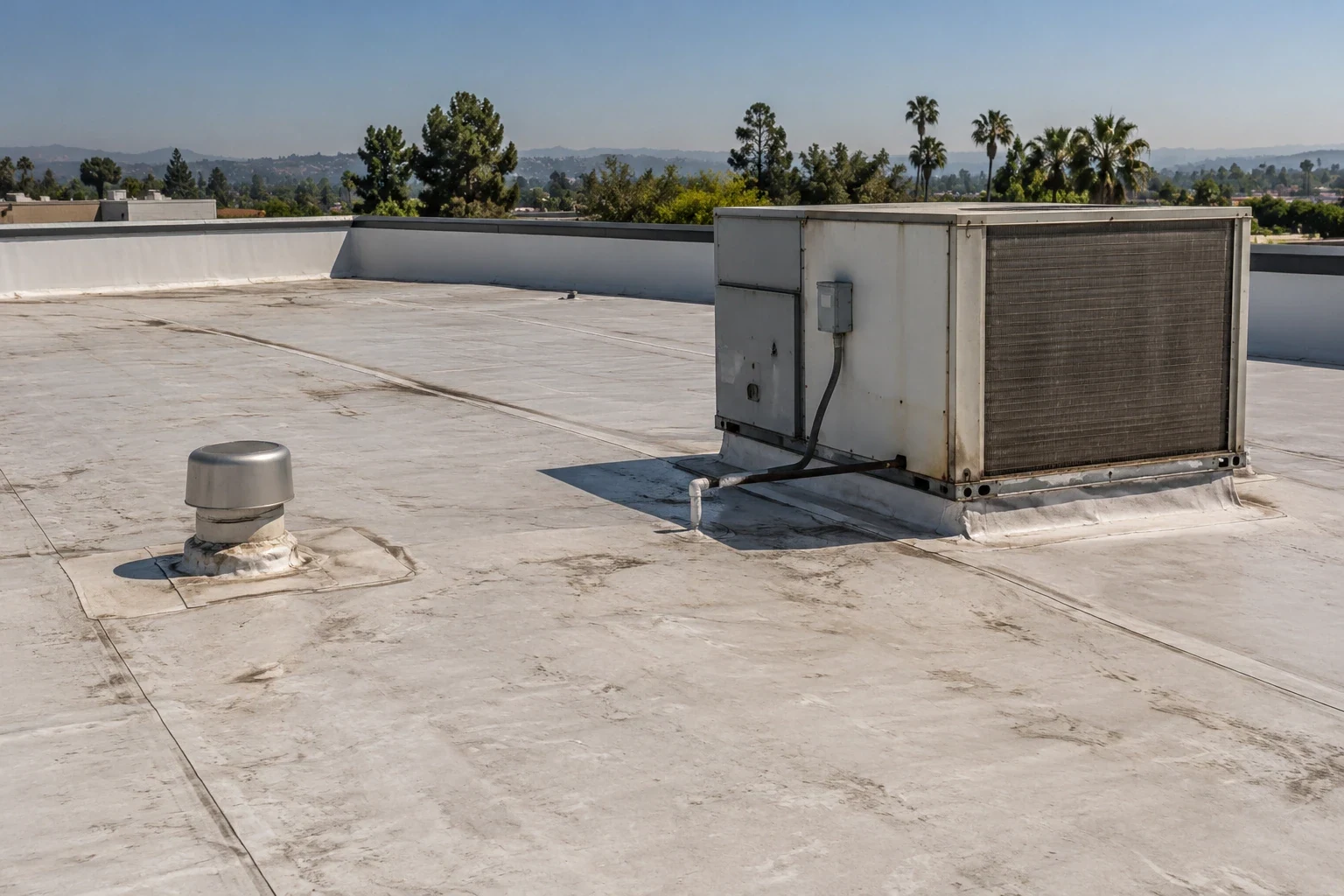
VersiWeld is a TPO product family with heat-welded seams. VersiFlex is PVC, and VersiFleece products use a fleece backing as part of their construction. Versico also offers EPDM systems, which use different seam and repair details from thermoplastic sheets. A membrane comparison should therefore include how seams are prepared, how flashing connects at penetrations, and how the selected system transitions to walls, drains, and adjacent roof areas.
Attachment method matters as much as the sheet. Mechanically attached, adhered, or other specified assemblies interact differently with the deck and insulation. The scope should identify components, fastening or adhesion approach, cover board, perimeter securement, and the relevant details. We compare only options that fit the roof geometry and the condition found during inspection; a system family's availability does not establish suitability for a specific building.
When a team is looking at another TPO, PVC, or EPDM range, Carlisle SynTec membrane families offer a second manufacturer comparison. Review both against the same deck, drainage, rooftop equipment, and access plan so the selection remains tied to the project.
What conditions shape a recover decision?
A recover leaves existing materials in place, which makes the hidden assembly important. We check roof layers, visible insulation, edge height, drains, membrane attachment where it can be seen, and the condition of penetrations and flashings. A roof can have different construction in different sections, especially if additions or prior repairs happened over time. We map those areas and avoid treating a single visible patch as proof of the whole assembly.
Moisture below the membrane may need separate investigation. If interior reports, roof history, or surface patterns point to a concern, an infrared moisture survey may help identify areas for closer evaluation when conditions are suitable. The next step could be selective opening or another test, with a clear explanation of what decision the result would inform.
Wet insulation, uncertain attachment, excess layers, or insufficient height at drains and walls can alter the recover plan. We record those limits before the project team compares new Versico assemblies. If removal is needed in some zones while other sections remain, the scope should explain the boundary and the tie-in details between them.
How do seams and transitions affect service work?
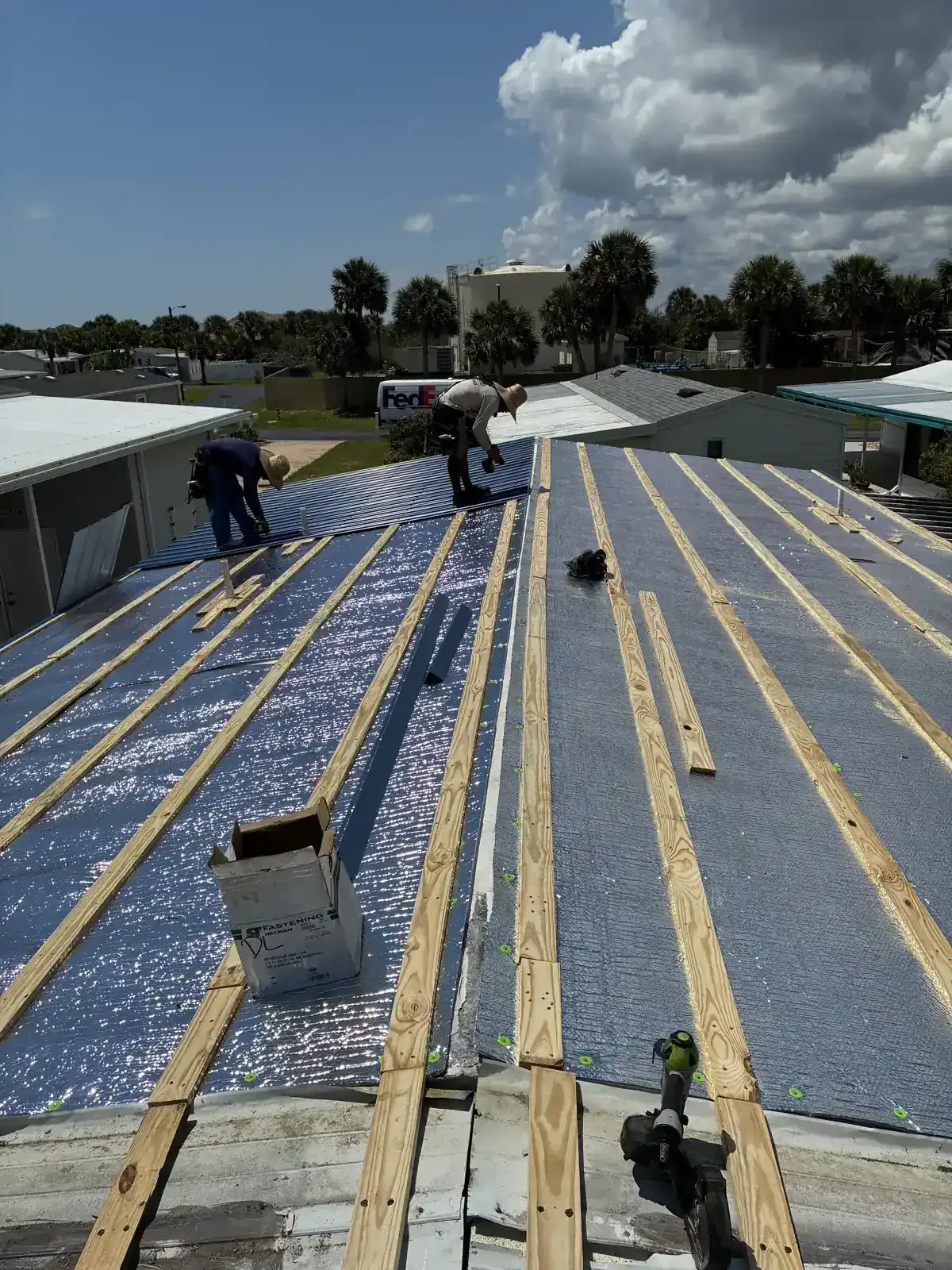
Each membrane family asks different things of a repair. A TPO or PVC field seam depends on clean, prepared surfaces and a suitable weld. EPDM repair work relies on compatible accessories and preparation for the existing sheet. Fleece-backed material also requires the repair detail to suit the product construction. Before recommending a patch, we inspect the opening, nearby seams, field condition, and how water can reach the reported leak area.
Transitions often deserve more attention than an open field. Pipe boots, curb corners, drains, parapets, edge metal, and expansion joints bring movement or material changes to one location. A roof with recurring leaks at several transitions may need a maintenance or replacement discussion if the surrounding membrane is also deteriorated. We explain which defect the repair addresses and what inspection found outside that boundary.
Commercial roof repair can be scoped around a defined problem, while a preventive roof maintenance visit can document conditions that may need monitoring. The two scopes serve different purposes and should not be described as equivalent work.
What belongs in a Versico project scope?
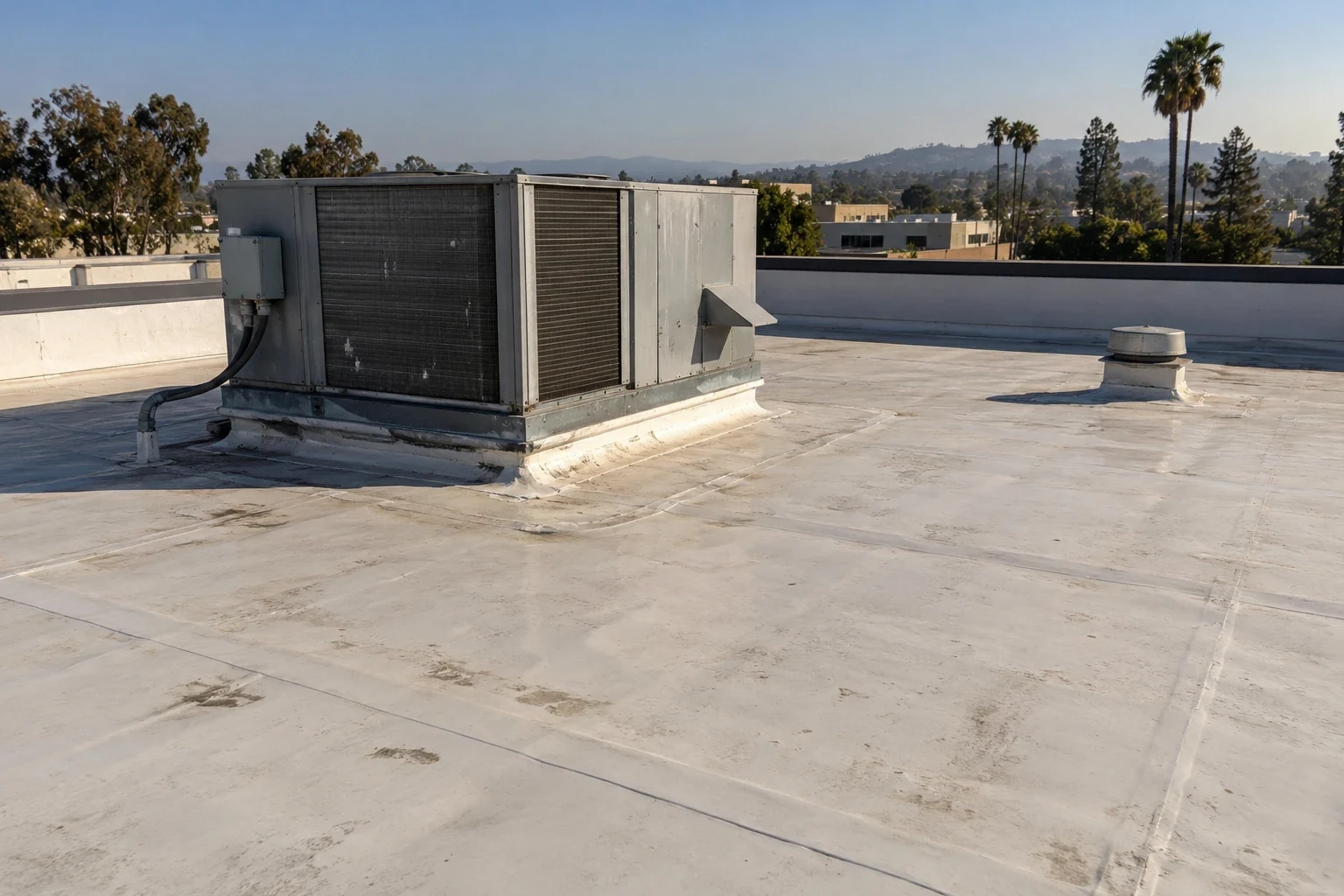
Ownership should be able to see what will happen on the roof and how each phase relates to the building below. A scope can identify access points, material staging, protection for rooftop equipment, temporary water management, active work areas, and coordination needed with site staff. If part of the building must remain accessible or equipment must stay online, those conditions belong in the planning discussion before a schedule is set.
Drain and edge work should be described instead of bundled into a vague membrane allowance. We review how water reaches each drain, whether edge heights will change, and where the proposed assembly meets walls or adjacent systems. For a replacement, the selected insulation and cover board can affect finished elevations and details. The project description should also state which existing materials are removed, retained, or subject to confirmation after opening.
The Salinas Business Park includes warehousing and manufacturing uses. On an individual property, the facility manager can confirm shipment windows, access controls, and critical operating periods. We use those property-specific answers to develop phasing, rather than assuming that business park location predicts a building's schedule.
How can ownership compare proposals clearly?
Ask each proposal to state the selected Versico membrane family, attachment method, insulation and cover board, flashing approach, and perimeter treatment. It should also name the roof areas included, relevant details, removal assumptions, and any questions that remain open. With those elements written down, ownership can compare scopes based on actual assembly and access choices rather than a surface-level brand reference.
Inspection photographs and records help explain the recommendation. A condition report should tie each image to a roof zone and record whether an observation was visual or confirmed through testing. That distinction matters when concealed insulation, deck strength, or moisture has not been confirmed. If the finding could change material quantities or the selected assembly, resolve it before the work is treated as fully defined.
For a structured record of observed conditions and follow-up items, see roof condition reports. The goal is a decision file that describes why one system was evaluated, what details matter, and what the owner should expect the proposed work to address.
For another PVC-focused product comparison, Sika Sarnafil roof systems can be reviewed against the same roof and schedule requirements.
Questions Owners Ask
What Versico roof systems are available for comparison?
The commercial types include TPO, PVC, EPDM, and fleece-backed options. We first identify the existing assembly and project conditions, then compare only systems that fit the roof and proposed scope.
Are VersiWeld and VersiFlex the same membrane?
No. VersiWeld is a TPO family and VersiFlex is PVC. Their seam and detail requirements differ, so repairs and transitions need to match the installed system.
Can Versico material be installed over an existing roof?
A recover may be considered after reviewing existing layers, moisture, attachment, drainage, and finished heights. Testing or selective opening may be needed if concealed conditions could change that decision.
What information helps estimate a Versico reroof?
Useful inputs include roof area by section, deck and layer information where known, drainage, equipment and penetrations, access rules, leak history, and whether the facility has restricted operating windows.
How do I know if a leak needs a repair or wider work?
Inspection can trace the likely entry point and check the nearby membrane and details. A local defect with sound surrounding material may suit repair; broader deterioration or hidden moisture can call for added investigation or a larger scope.
Related Roofing Work
Compare Versico roofing options in Salinas
Send the property location, known membrane type, leak history, and access requirements. Commercial Roofing Salinas can review visible conditions and prepare a project scope for the areas inspected.
