
Multi-Site Commercial Roofing Programs in Salinas, CA
Coordinate inspections, maintenance and repairs across Salinas properties with site-specific records, shared priorities and workable access plans.
Overview
A facilities director responsible for a warehouse near Airport Boulevard and offices closer to Downtown Salinas needs a program that makes coordination easier without treating every roof as interchangeable. We plan recurring inspections, maintenance, and repairs across multiple properties, while keeping each building’s system, condition, access needs, and operating schedule distinct. One calendar can support the portfolio; the roof decisions still come from the evidence at each site.
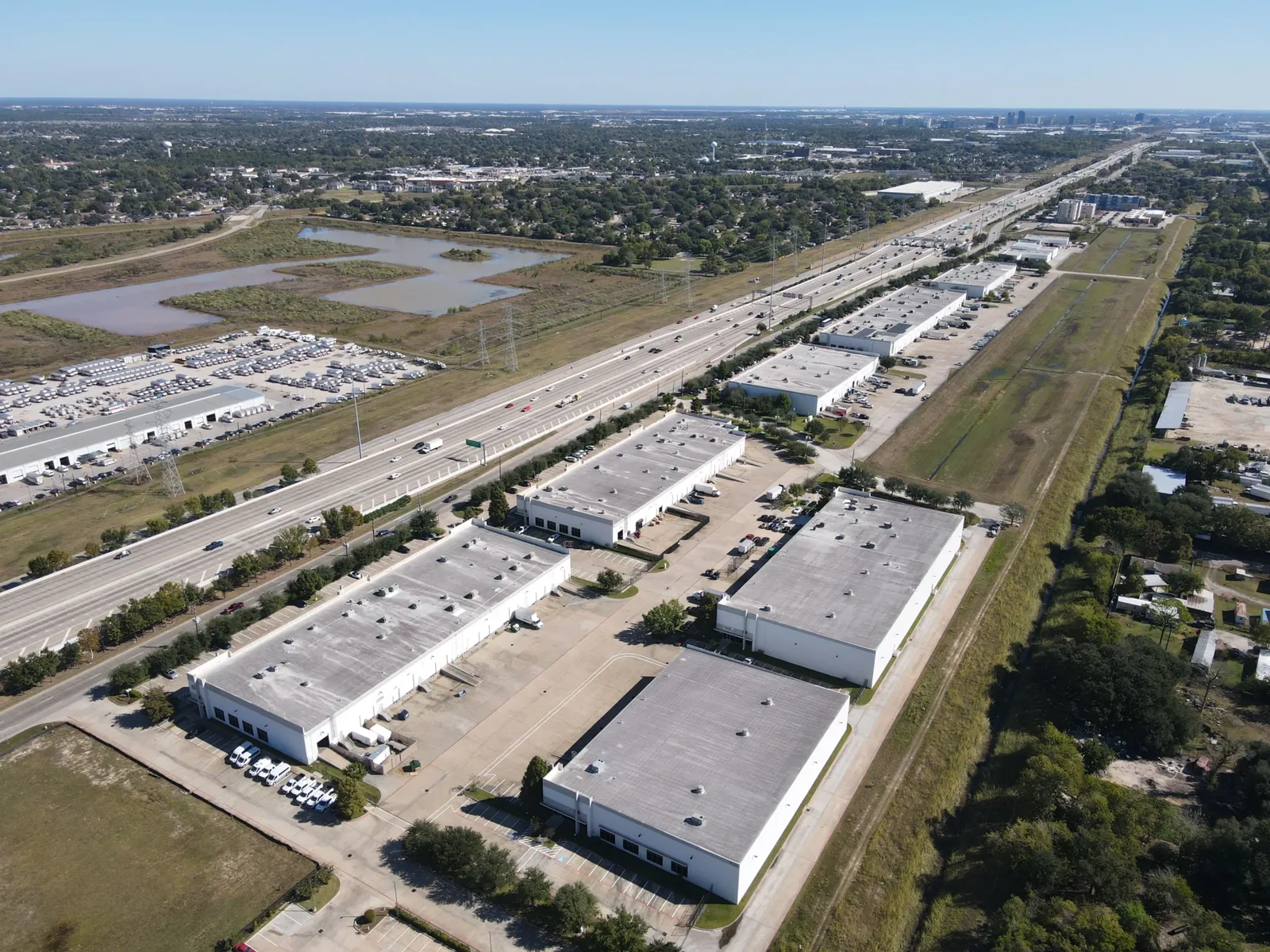
Salinas includes commercial and industrial opportunity areas across corridors such as North Main Street, Airport Industrial Park, and East Alisal. A program may include different property uses and different roof assemblies within the same market. We use a consistent way to label roof zones and priorities, then record the details that matter to that building. That lets a manager review one portfolio while preserving local conditions and keeping inspection visits tied to each property.

What should be common across the sites?
Common records should make each building easier to compare. We can use a shared format for inspection dates, roof-area names, photographs, open repairs, and completed work. A facility director can see which sites need action, while a property-specific record explains why. A blocked drain at one building should not raise the condition of another, and a favorable overall rating should not hide a separate active leak.
The Salinas Business Park developer describes planned industrial space for distribution, packaging, logistics, manufacturing, and agricultural-support activities. The city also maps other commercial areas, including Alisal and East Market. Those settings can involve different receiving schedules or equipment demands, but the program must be based on each site’s real use and layout. A Salinas Business Park service area review still begins with that property’s roof assembly, access route, and operating contact.
How does a coordinated inspection cycle work?
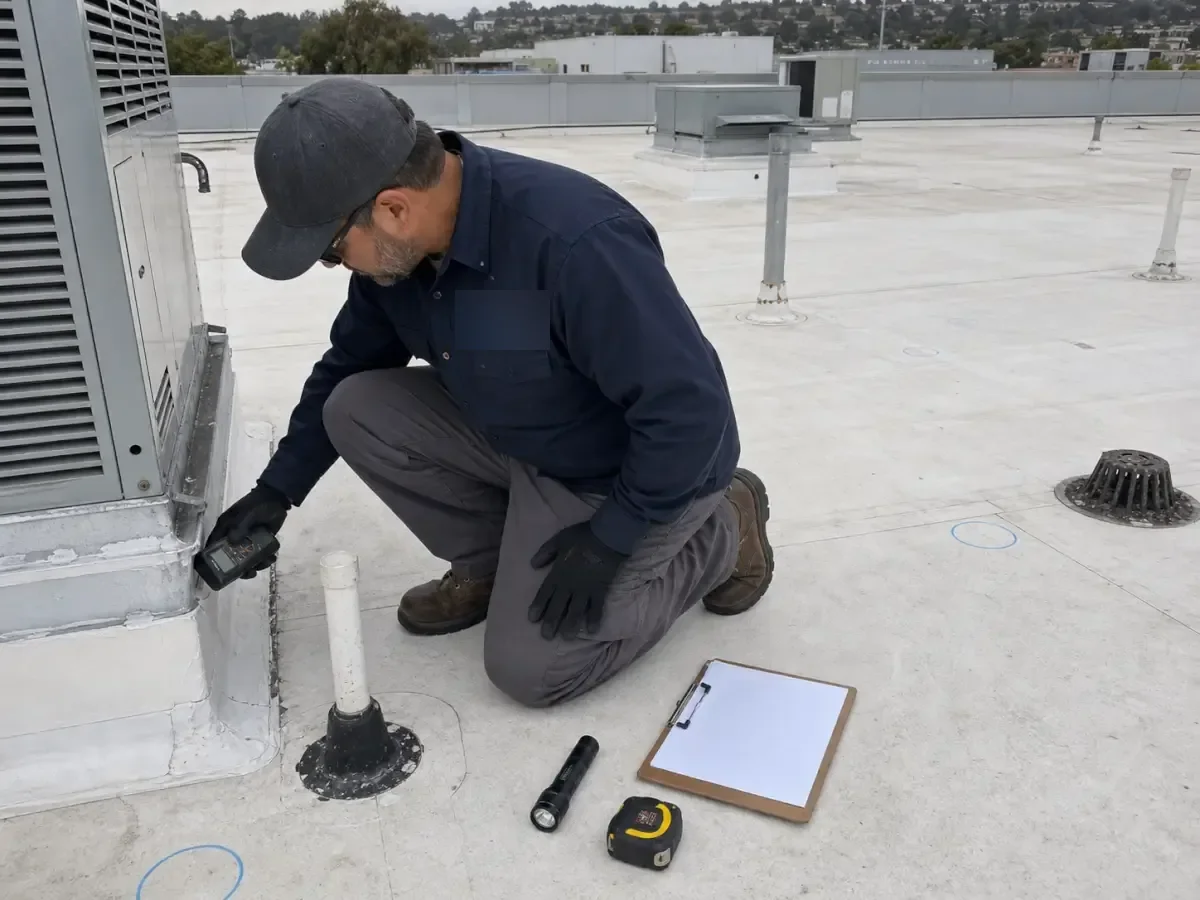
We begin with the property list, available roof plans, prior reports, leak history, and access instructions. Then we group visits in a practical sequence based on location and operating windows. During each review, we document the roof zones reached, visible conditions, and any area that needs further testing. Photos and findings stay associated with their building, even when several visits occur during the same week.
Salinas receives most of its normal precipitation during the cool part of the year, while summer is comparatively dry. A pre-season visit can check drain paths, exposed seams, and flashing transitions before heavier rainfall returns. A dry summer may offer a useful planning window, although marine-layer mornings still call for current site checks. These patterns do not predict a particular roof’s performance. We make recommendations from conditions observed at each property and record the inspection date. Where concealed moisture is a concern, an infrared moisture survey can be considered as a separate scope tied to a specific question.
For a multi-property cycle, the manager should be able to see both the next visit and the reason it is scheduled. One building may need a close review after repair; another may be due for routine drain and flashing checks; a third may need testing before anyone selects a larger scope. We keep those triggers with the calendar entry, so a recurring appointment does not become a box-checking exercise with no connection to roof condition.
Portfolio records also need a reliable handoff. When a site contact changes, a new manager should be able to locate the roof plan, see which areas were inspected, find the repair closeout, and understand what remains open. We can use stable site and zone labels across reports, work orders, and follow-up visits. The naming system is agreed with the owner and kept simple enough for the maintenance team to use during routine calls.
How do you work around different schedules?
Access windows can vary from site to site. One building may have truck traffic through the morning, while another has tenant activity or rooftop service that limits safe access. We confirm check-in requirements, roof hatch locations, escort needs, receiving periods, and interior protection concerns before setting each visit. If a planned route changes, the record should show which areas were completed and what needs a return appointment.
When work can be grouped without compromising the roof scope, we coordinate mobilization across nearby properties. The choice to share a work window depends on compatible materials, access, weather conditions, and site readiness. A repair at one roof should not be expanded to another site simply to simplify scheduling. We write a separate scope and closeout for each building, with the owner’s approval and operating needs reflected in the sequence.
Before staging, we confirm where materials can be placed, how the crew reaches the roof, and whether loading or tenant routes must stay clear. A shared service date does not mean the buildings can use one identical sequence. A low-slope roof with several curbs may require different protection and detail work from a metal roof with long panel runs. We keep each work plan specific to the assembly and record any delay caused by access or weather so the owner has a clear record of what remains.
For urgent water entry, our emergency roof response is available around the clock, weekends and holidays included. We can record the immediate measure separately from permanent work so portfolio reporting distinguishes a stabilized leak from a completed repair.
How does the program turn findings into work?
After inspections, we group findings by priority and identify which need prompt repair, scheduled maintenance, additional evaluation, or a longer-range capital decision. Each recommendation names the affected site and roof area. The manager can review timing across the portfolio but still approve each scope against the conditions found at that property. If one building needs a larger project, its technical requirements remain separate from another building’s smaller maintenance work. We document completed work so a later visit can distinguish closure from an open recommendation.
Written condition reports support approvals and handoffs. A roof asset record carries the same area names into later inspections, while a capital plan can show how repairs and replacement candidates fit the budget cycle. For routine upkeep, a maintenance program can schedule drain clearing and detail checks before problems build. We adjust the work list when a new leak, tenant change, or equipment project affects a site.
Questions Owners Ask
Can one inspection calendar cover different roof systems?
Yes. A shared calendar can coordinate visits, while each inspection records the system and details actually present. Recommendations stay specific to that assembly, its condition, and the building’s access needs.
How do you report progress across the portfolio?
We use consistent property and roof-zone names, dates, priorities, photos, and completion records. The manager can review open items by site or across the program without losing the context behind a recommendation.
Can nearby repairs be scheduled together?
Sometimes. We compare the materials, scope, weather, access, and site readiness first. A shared visit is useful only when it fits the technical work and does not disrupt operations or combine unrelated repairs.
How are emergency leaks handled in a multi-site plan?
An active leak takes priority at the affected property. We document the immediate response and any temporary stabilization separately from permanent corrective work, then update the portfolio record after the repair is complete.
What should a portfolio manager provide to start?
Share the property list, roof records, known leaks, contacts, access instructions, tenant or receiving windows, and any capital deadlines. We can use those details to plan an inspection sequence and identify missing information.
Related Roofing Work
Coordinate the roofs across your portfolio
Set a Salinas program review around site access, tenant needs, and operating hours. We will inspect each roof on its own terms and keep the portfolio record organized.