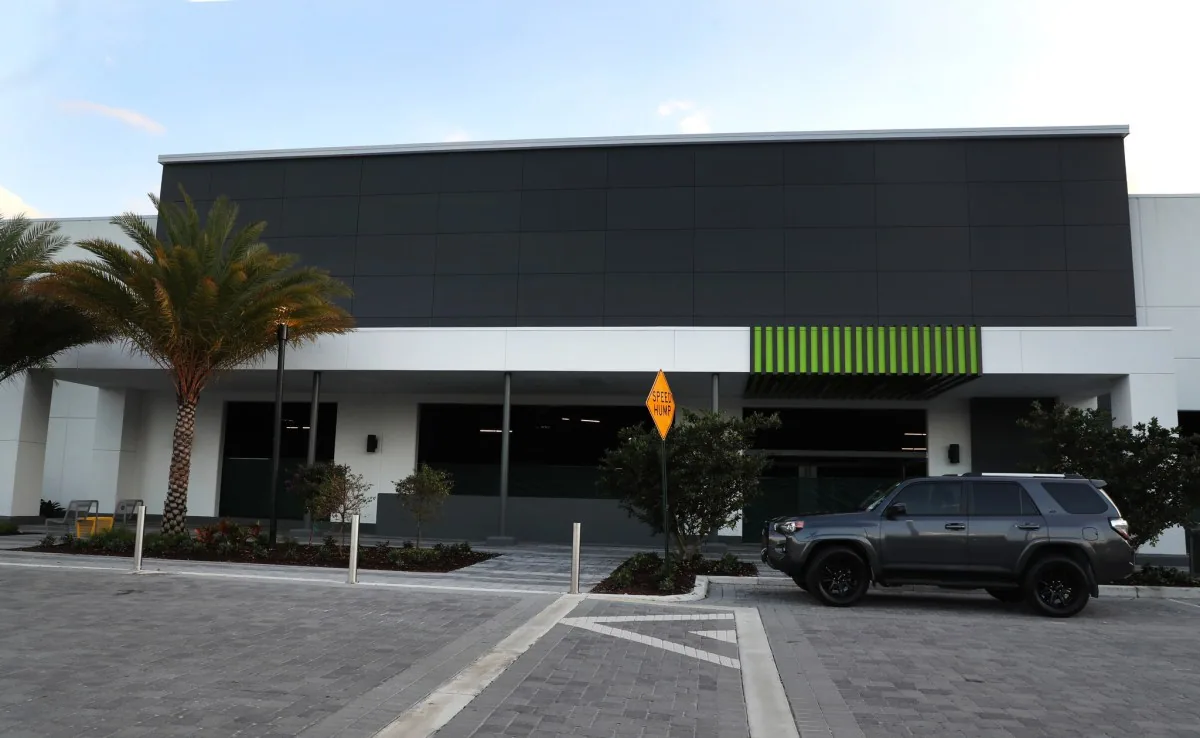
Hotel Roofing in Salinas, CA
Plan hotel roofing in Salinas around guest rooms, event spaces, rooftop equipment, drainage, uninterrupted access, and the property schedule.
Overview
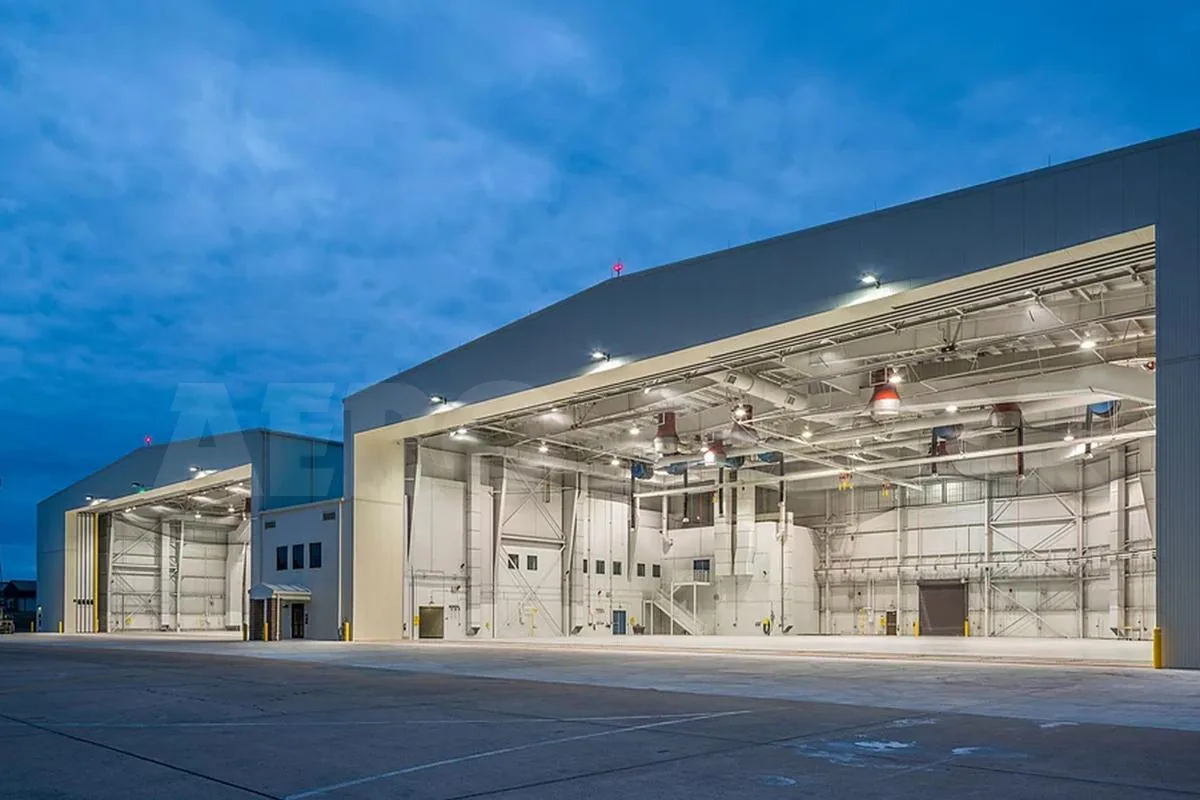
A hotel roof protects guest rooms, kitchens, meeting spaces, corridors, and the building systems guests rely on. A leak above a room or event area can affect reservations and daily operations even when the roof defect is localized. We inspect the assembly and map interior reports, then plan repairs or replacement around occupancy, events, service access, and guest safety.
Hotels in the Salinas market operate alongside offices, retail, and agricultural-support properties, but each building has its own roof and guest schedule. We confirm the actual assembly, rooftop equipment, leak history, and access rules with the property team before choosing a work sequence.
How should roofing protect hotel guests?
The hotel identifies occupied rooms, lobbies, event spaces, kitchens, service corridors, and entrances beneath each roof zone. We coordinate noise, odor, dust, and access limits with management, then mark the work boundary below. If guests need to be moved or a room taken out of service, the hotel decides that step under its own operating procedures. The roofing plan should state which area is affected and how long a restriction is expected. The front desk and housekeeping teams need the same update as facilities so room assignments and cleaning routes can be adjusted before guests arrive. We identify whether a hallway, service corridor, or outdoor seating area sits below the active roof zone and confirm which route remains available. This reduces last-minute changes to guest access.
Material staging and equipment lifts should stay clear of guest drop-off, deliveries, and emergency routes. We coordinate signs, temporary closures, and staff notices before the crew arrives. Apartment roofing also addresses occupied rooms, while a shopping-center project focuses on customers and tenants. Hotels add guest turnover, event calendars, and service entrances to the coordination plan.
What should happen when a guest room reports a leak?
Management can record the room, ceiling area, time, and whether water appeared after rain or equipment service. We inspect the roof above and around the reported zone, including seams, drains, rooftop units, skylights, and wall transitions. Water can travel along the deck before it reaches a ceiling, so the opening may not sit directly above the stain. We document the likely origin and any adjacent condition that could affect the repair.
Temporary protection may be needed inside while safe roof access is arranged. A permanent repair should restore the assembly detail rather than rely on a surface bead that hides an open seam. Leak repair can address a confirmed opening; a roof inspection can identify other areas that need attention. The hotel receives a repair record it can attach to room and maintenance histories. If a room was taken out of service, management can tie the return date to the repair closeout and any interior drying or finish work. We record whether a follow-up roof review is needed after the next rainfall or equipment service so the hotel has a clear point for checking the repair.
How do hotel systems affect roof access?
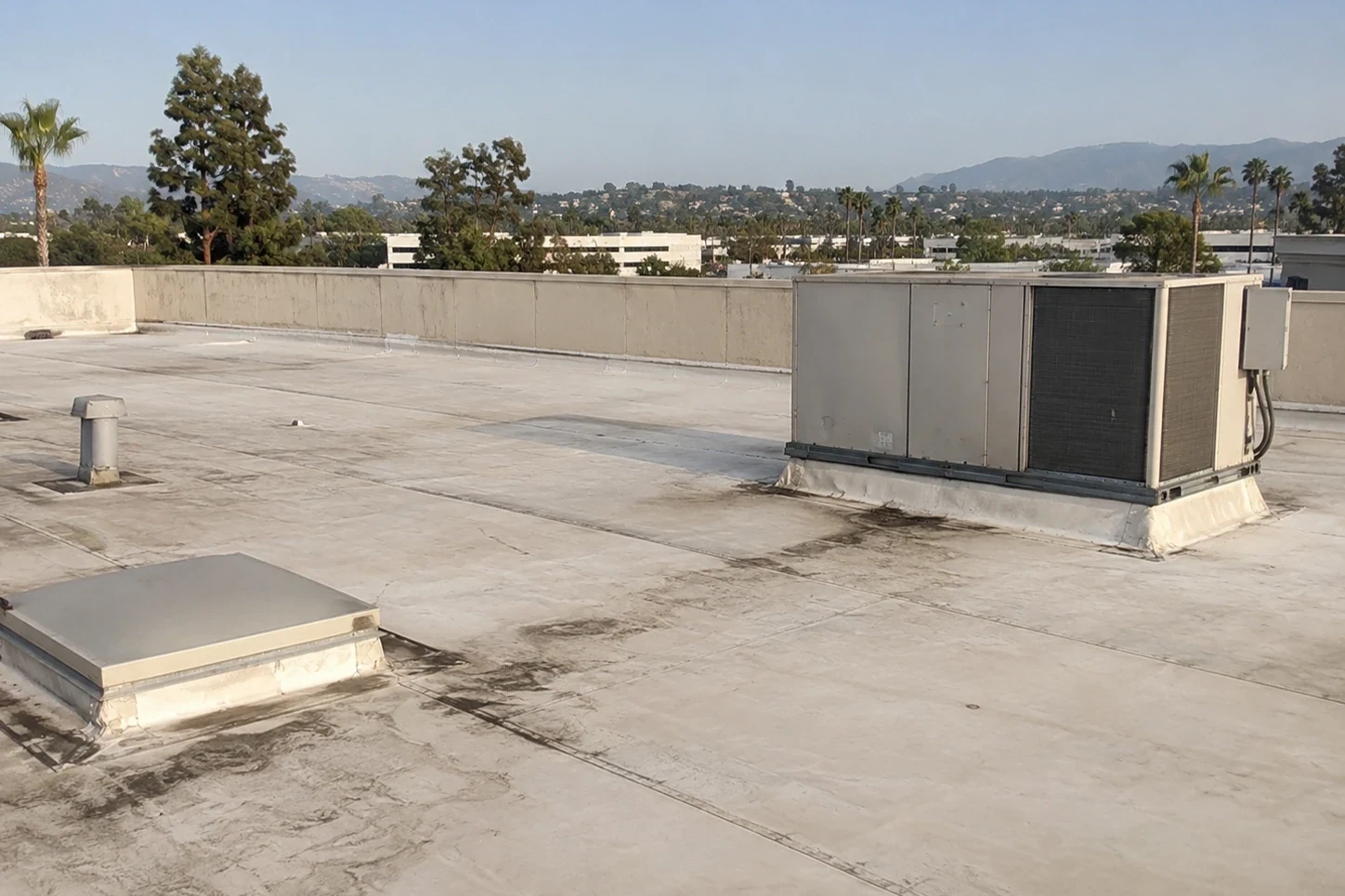
Hotels may have HVAC units, kitchen exhaust, pool equipment, antennas, skylights, and plumbing vents on the roof. Their curbs and flashings need to remain watertight while allowing service staff to reach each unit. We inspect movement, loose fasteners, failed sealant, and repairs disturbed during equipment work. If a unit will be lifted or replaced, the roofing and mechanical scopes need to agree on the curb, opening, and final tie-in.
Noise or temporary shutdowns can affect guest comfort, kitchen service, and event schedules. Management identifies quiet periods and any unit that cannot be taken offline. Before a mechanical unit is lifted or reset, agree who protects the open curb, checks the support condition, and completes the final roof tie-in. The mechanical curb and roof tie-in scope should name its handoff with equipment work so the opening is not left without approved temporary protection. A walkway or service route may help protect the roof from repeated foot traffic, and the closeout should show where future technicians can access equipment without disturbing the flashing.
What should the hotel check before winter rain?
We inspect drains, scuppers, overflow paths, and roof areas where debris or water collects. If ponding repeats, we review slope, deck movement, and insulation instead of assuming a blocked outlet is the only cause. A hotel roof may also have multiple levels and parapets that change how water moves. The work scope should state whether drainage geometry changes or whether repairs preserve the current roof plane.
Salinas receives most normal rainfall during the cooler season. Hotels can use the drier months to schedule drain checks and repair open flashing before guest areas are affected. Drain and scupper repair should restore the outlet connection and keep overflow paths open. We label each drain by roof zone so maintenance staff can track cleaning and record if water reaches a room or service area below.
How do location and event schedules affect the work?
Hotels near downtown Salinas or in Alisal and East Salinas can have different parking, service-lane, and guest-entry conditions. We confirm the property’s actual routes with management and identify when events, group arrivals, or food deliveries limit access. The project plan can show where lifts operate and which entrance or loading area will stay open.
The hotel calendar changes by day, so we confirm the schedule before each noisy or disruptive phase. Management can tell guests about temporary restrictions and assign a staff contact for questions. The crew secures ladders and materials after each shift and reports what work remains. Management can relay that status during staff handoff so no team promises guest access through a restricted area. If a roof area stays open overnight under temporary protection, the manager should know how it will be monitored and when it is expected to close.
When should a hotel consider replacement?
A local puncture, open seam, or curb failure can be repaired if the surrounding assembly remains dry and stable. Repeated leaks in multiple guest or meeting areas, widespread wet insulation, or deteriorated attachment may point to a larger scope. We map conditions by roof zone and identify the testing that could change a recommendation. Replacement planning should phase around room occupancy, events, kitchen service, and equipment needs.
Maintenance records can help the hotel see if leaks repeat after the same unit or roof section is serviced. Preventive maintenance tracks drains, seams, and equipment routes, while a replacement assessment compares repeated repair with a new system. The property team should understand which rooms or entrances are affected during each phase and how the work restores normal guest access. We identify the person who clears each phase for guest use and records any remaining interior repair or monitoring task. That handoff can be added to the facilities record by roof zone for follow-up.
Questions Owners Ask
Can hotel guests stay in the building during roof work?
Often, with work zones, guest routes, quiet periods, and interior protection coordinated with management. The hotel identifies rooms and event areas that need special handling before a phase is scheduled.
What should staff do if a guest reports a ceiling leak?
Record the room, time, and affected area, then protect people and belongings under hotel procedures. We inspect the roof and adjacent details to locate the entry point and document the repair.
Can roofing work happen during a hotel event?
The schedule depends on noise, lift access, guest circulation, and the event area. We coordinate with management so disruptive work can be moved or isolated where the roof and weather allow.
How do you protect rooftop HVAC during replacement?
We identify units and service requirements with hotel facilities and the mechanical contractor. The sequence covers shutdowns, lifting, temporary covers, curb flashing, and the final check before equipment returns to service.
Related Roofing Work
Fit roof repairs around rooms and events
Share occupancy patterns, event dates, equipment service windows, and leak reports. We will inspect the roof and coordinate work around guest access and hotel operations.