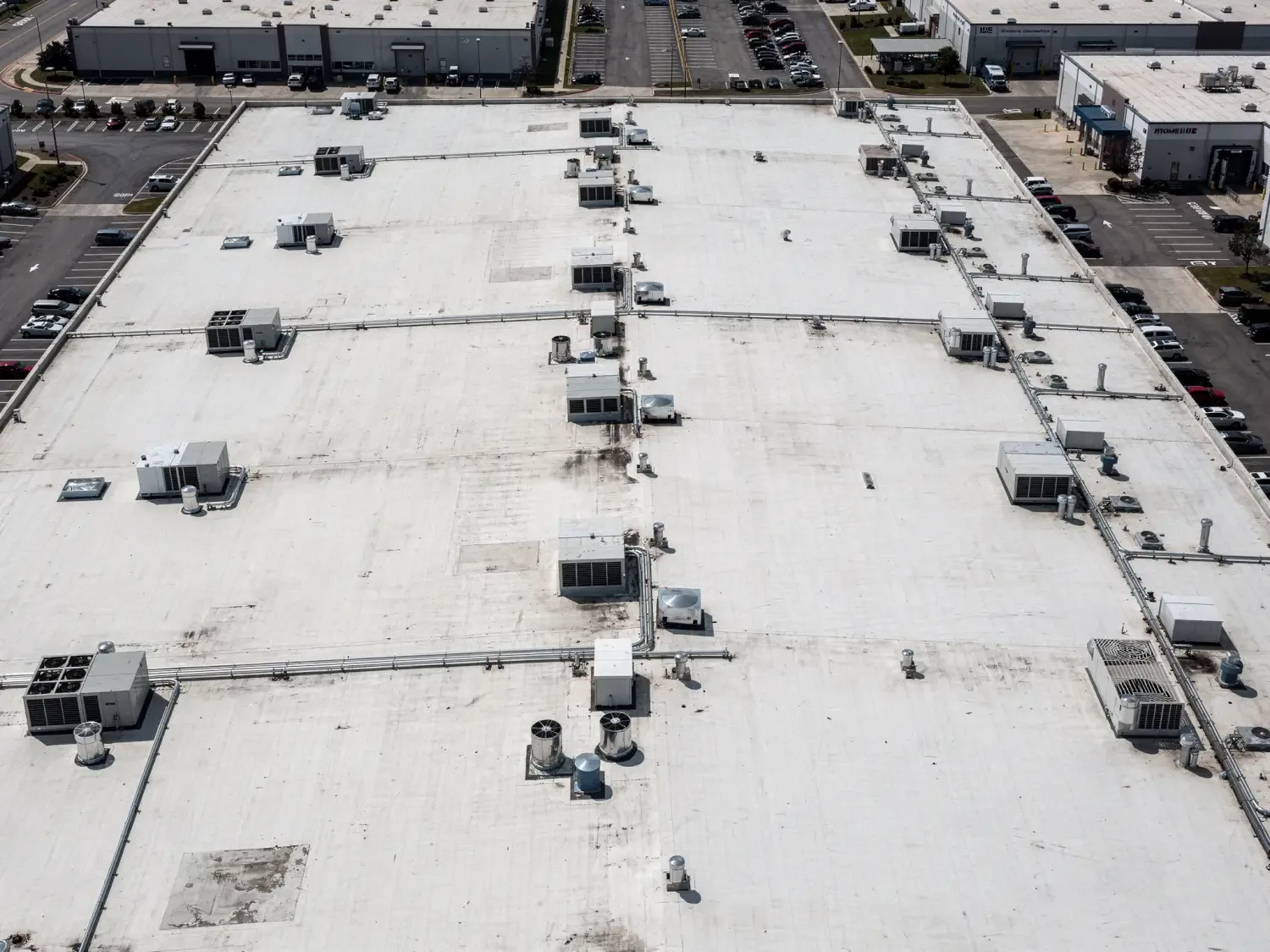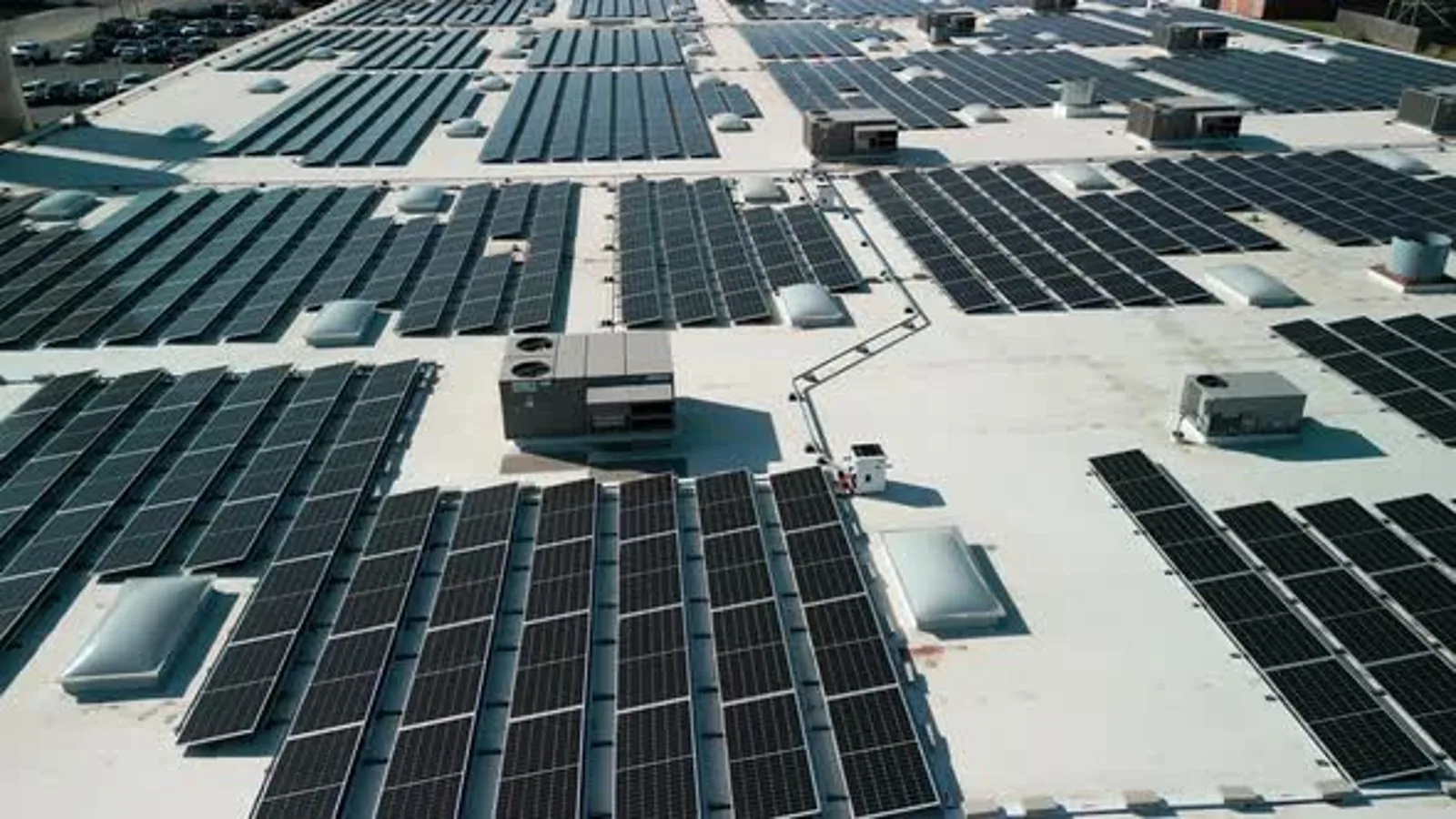
Drone Roof Inspection in Salinas, CA
Use drone roof imaging in Salinas, CA to review broad roof areas, document visible conditions, and identify where hands-on inspection is needed.
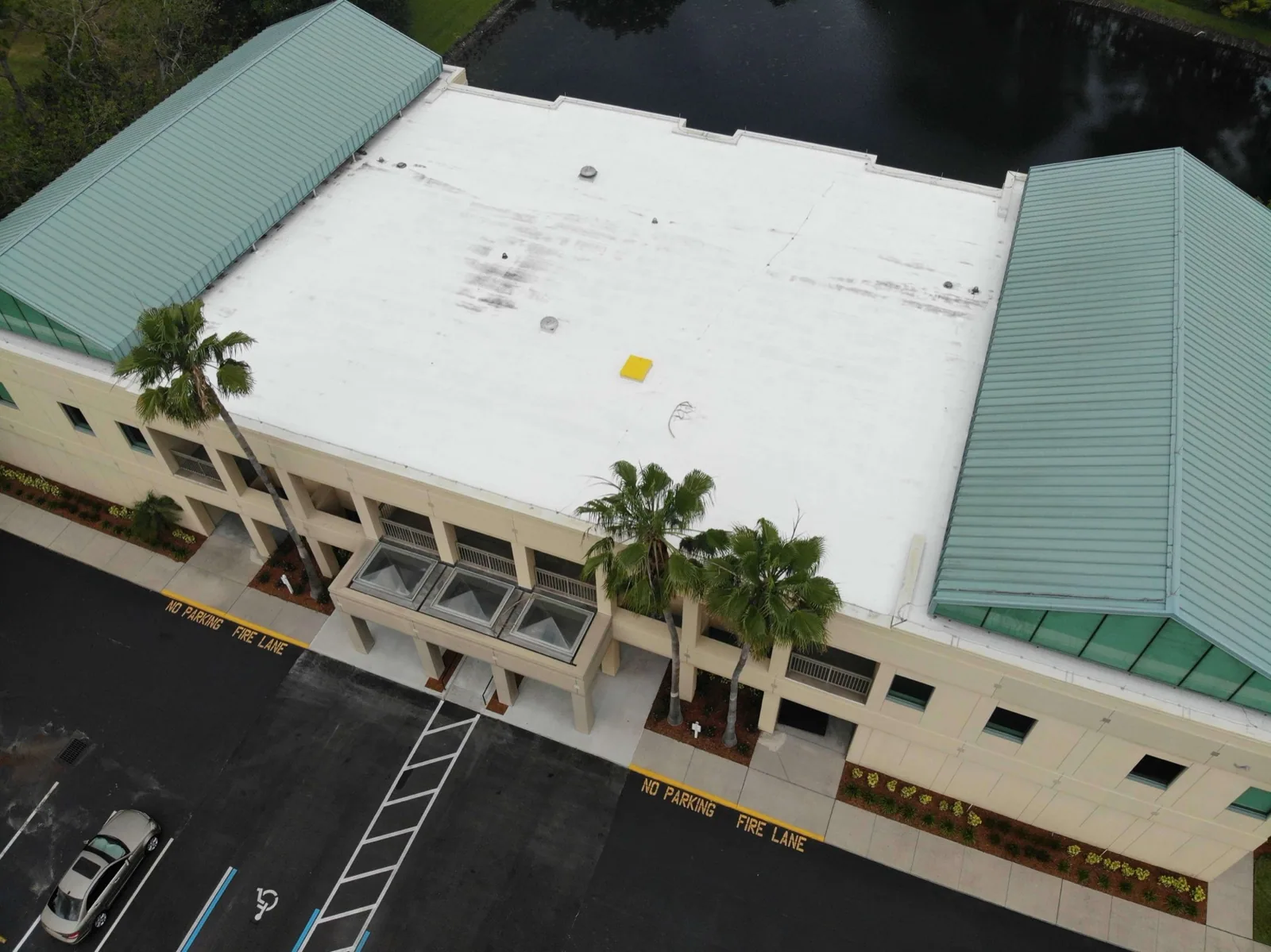
Overview
A wide roof can be difficult to understand from a ladder or a few ground-level photos. Drone imaging gives an owner an overhead view of the field, edges, equipment, and drainage layout, which can help direct the next inspection. We use it as a visual documentation tool, then identify where close access, moisture testing, or a repair assessment is still needed.
For commercial buildings in Salinas, a drone review may help organize large roof sections around distribution, agricultural-support, retail, or industrial operations. It does not reveal concealed moisture through a membrane or confirm a seam is watertight. Our report separates visible conditions from questions that require a hands-on review, so the owner can choose the next step with a clearer map.
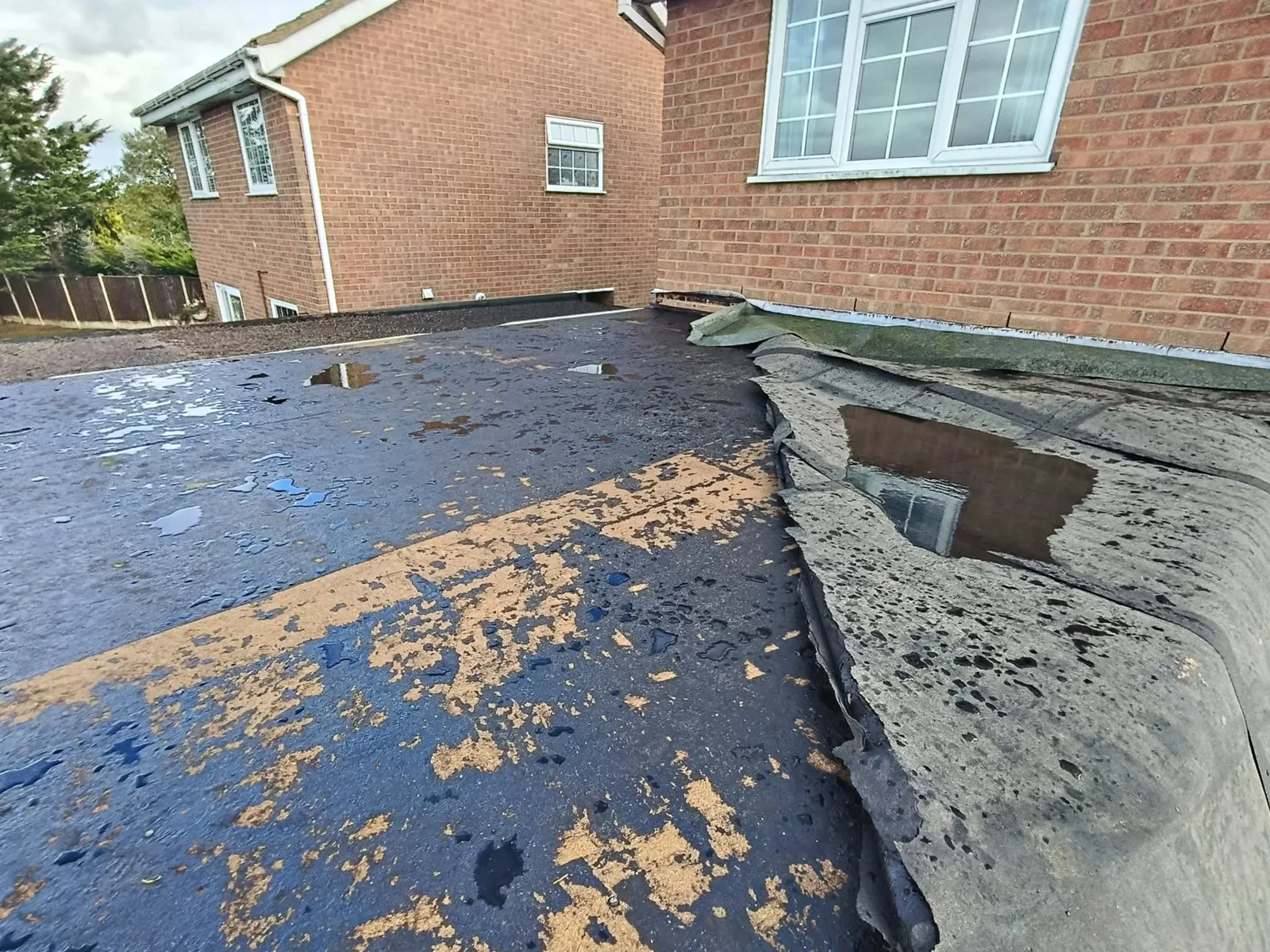
What can aerial images show?
Overhead images can document broad patterns that are hard to see from one roof access point. They may show ponding areas, debris accumulation, surface wear, displaced equipment screens, open-looking seams, rooftop traffic paths, or areas hidden behind equipment from a ground viewpoint. Images can be marked by roof zone and used to identify where a technician should inspect more closely.
Image quality depends on flight height, light, wind, roof color, shadows, and the detail being reviewed. A photograph can suggest a concern but rarely proves its cause. We avoid describing a dark patch as wet insulation, a reflection as a membrane opening, or a visible object as roof damage until a closer inspection establishes what it is.
At a multi-section property, consistent images can give the facility team a visual baseline. The report can show which areas were captured, the view direction, and any blocked or unsafe zones. If a roof section is obscured by mechanical equipment or parapets, we identify the limitation and recommend a ground or roof-level method for the obscured detail.
What still needs a person on the roof?
A drone cannot feel a soft deck, test a seam by hand, confirm the membrane’s bond, or determine whether insulation is wet beneath an intact surface. It also cannot inspect the underside of a flashing or see water moving through a concealed layer. If the owner needs to know whether a detail is sound, we schedule a hands-on commercial roof inspection at the locations the images flag.
Thermal cameras may reveal temperature differences, but those readings depend on timing, solar exposure, insulation, equipment, and weather. Infrared imagery from a drone can guide sampling; it does not replace a properly planned moisture survey. If a suspected area would change whether the roof is repaired, recovered, or replaced, we explain what test can confirm the condition.
Roof access may remain necessary for drains, penetration flashings, edges, or repair measurements. Images can reduce time spent searching a large surface, but the final work scope should rely on direct observation of the repair detail. We show how aerial documentation supports that decision instead of presenting it as a substitute for technical inspection.
How does a drone visit fit the property?
Before flight, we confirm site permission, access, occupied areas, sensitive operations, and any airspace or weather restrictions that apply. The facility contact can identify delivery windows, outdoor storage, vehicle routes, and locations where people should not be present during image capture. The plan should also name the roof sections the owner wants documented and the questions the images should help answer.
Salinas has business corridors near U.S. 101, Airport Boulevard, Abbott Street, and Alisal Street, with industrial, warehousing, distribution, and agricultural-support properties. A roof at the Airport Industrial Park may have different staging and vehicle movement than a commercial building in Downtown Salinas or North Main Street. We plan image collection for the actual property rather than assume a single flight pattern suits every site.
Flight conditions are part of the schedule. Wind, rain, low cloud, glare, or poor visibility can affect image stability and detail. A summer morning can begin with fog or damp surfaces in the Salinas Valley. We check conditions on the day and reschedule or change the method when the view will not answer the owner’s question reliably.
When is aerial documentation useful?
Drone images can help compare sections before a capital project, document visible storm-related changes, or plan access around rooftop equipment. They can also help a manager explain a roof concern to an owner or maintenance team. An overhead view is particularly useful when a large roof has multiple elevations or when ground photos cannot show where a reported area sits relative to drains and equipment.
After a weather event, the images can record visible displacement or debris at the time of capture. They cannot establish that a particular storm caused the condition or determine whether hidden layers were affected. We label the date, area, and observable feature, then recommend hands-on review where the image suggests an opening or material damage.
For a phased repair or replacement discussion, images may help the team divide the roof into work zones and mark temporary protection areas. A replacement assessment or repair scope still needs material, attachment, and substrate information. The aerial record is a planning aid that can make those follow-up questions more focused.
What belongs in the image report?
A useful aerial report identifies the date, roof areas captured, visible conditions, and limits of the view. We label observations with roof-zone references and provide enough context to locate each detail. If glare, an obstruction, or flight restriction affected an area, the report says so. Recommendations distinguish locations suitable for hands-on inspection from conditions that appear to need no immediate follow-up.
Images can be paired with a targeted moisture survey, or a repair estimate when the owner authorizes those services. If routine follow-up is needed, a maintenance record can keep the same views and roof labels useful over time.
File organization matters at properties with several buildings. We can identify each roof section consistently so future images can be compared with earlier views. That makes it easier to see whether a visible concern has changed, while preserving the distinction between an image observation and a confirmed condition below the roof surface.
How should the owner act on the images?
Start with the locations that show a visible concern and ask whether a closer inspection could change the repair decision. A marked seam, edge, drain, or equipment curb can guide the technician directly to the relevant roof zone. If the image shows a broad area but no specific defect, the next step may be a routine condition review rather than a repair order.
At a large property near Salinas Business Park, an aerial map can help align separate roofs with delivery and equipment areas. On a smaller building in Alisal and East Salinas, a hands-on review may be faster than a drone flight. We recommend the method that fits the building, access, and question being answered.
Once a finding is confirmed, the owner can compare immediate repair, added testing, maintenance, or replacement planning. The image record stays useful as part of that file, provided it is labeled with its date and limits. A clear next step prevents a dramatic-looking photograph from becoming an unsupported scope.
Questions Owners Ask
Can a drone confirm that insulation is wet?
No. A visual image cannot see moisture through the membrane. Thermal imaging can identify patterns for follow-up, but readings need interpretation and may require core samples or another targeted test before a concealed condition is confirmed.
Can we use drone images instead of a roof inspection?
Images can map visible conditions and focus a later visit, but they do not test seams, membrane attachment, deck firmness, or concealed flashing. If the scope depends on whether a detail is sound, a hands-on inspection is needed.
Can a drone inspect a roof during a windy or foggy morning?
Flight safety and image quality depend on current wind, visibility, and site conditions. We check those conditions before the visit and reschedule if images would be unstable or incomplete. A ground review may be the better option for a time-sensitive concern.
Will aerial photographs prove storm damage for a claim?
They can document visible conditions on the capture date, but they do not establish cause or coverage. We label what the image shows and recommend a closer roof review when the condition is unclear. The owner and insurer handle policy decisions.
Related Roofing Work
Map the roof before deciding on the next inspection
Tell us which buildings and roof areas need documentation, what concern prompted the request, and any site access restrictions. We will confirm whether aerial images can answer the question.